
Great Dane Flatbed Trailers For Sale in Texas
Shop Great Dane flatbed trailers for sale in Texas. Compare 48-ft and 53-ft specs, axle setups, deck materials, and securement features.
Learn more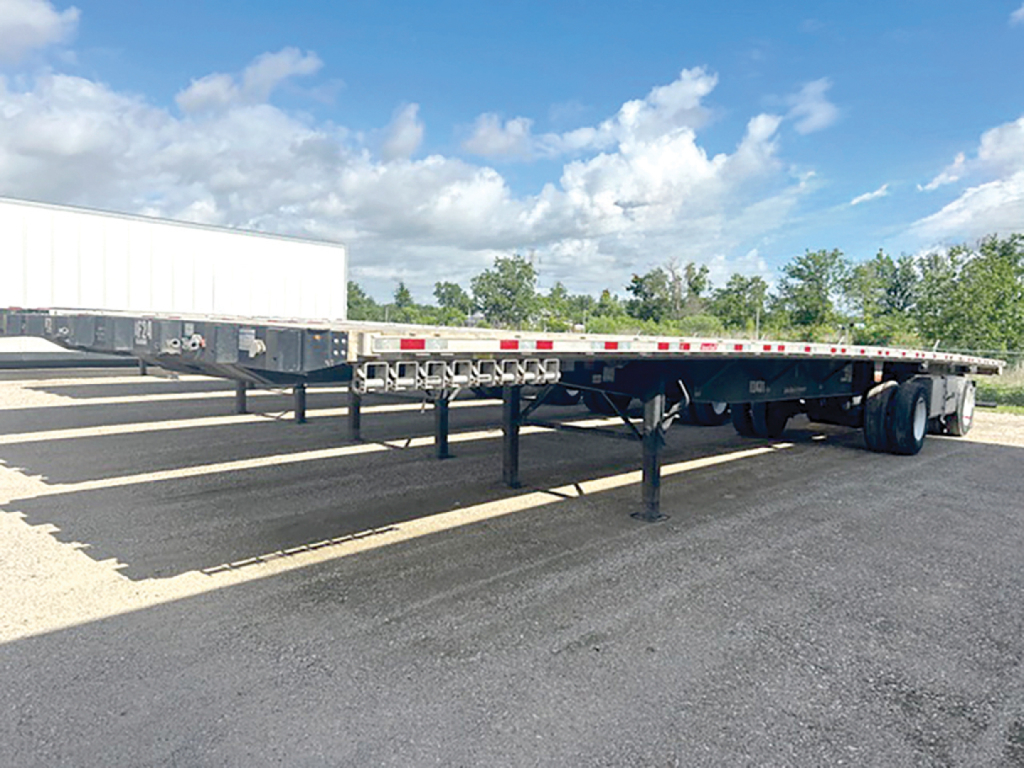
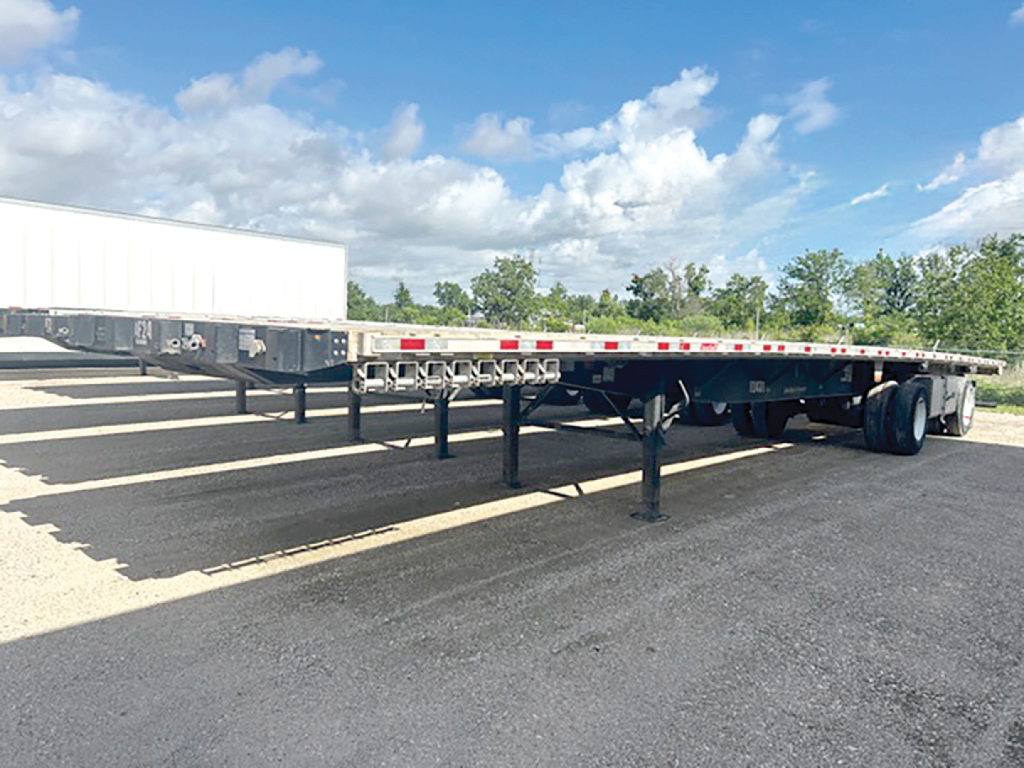
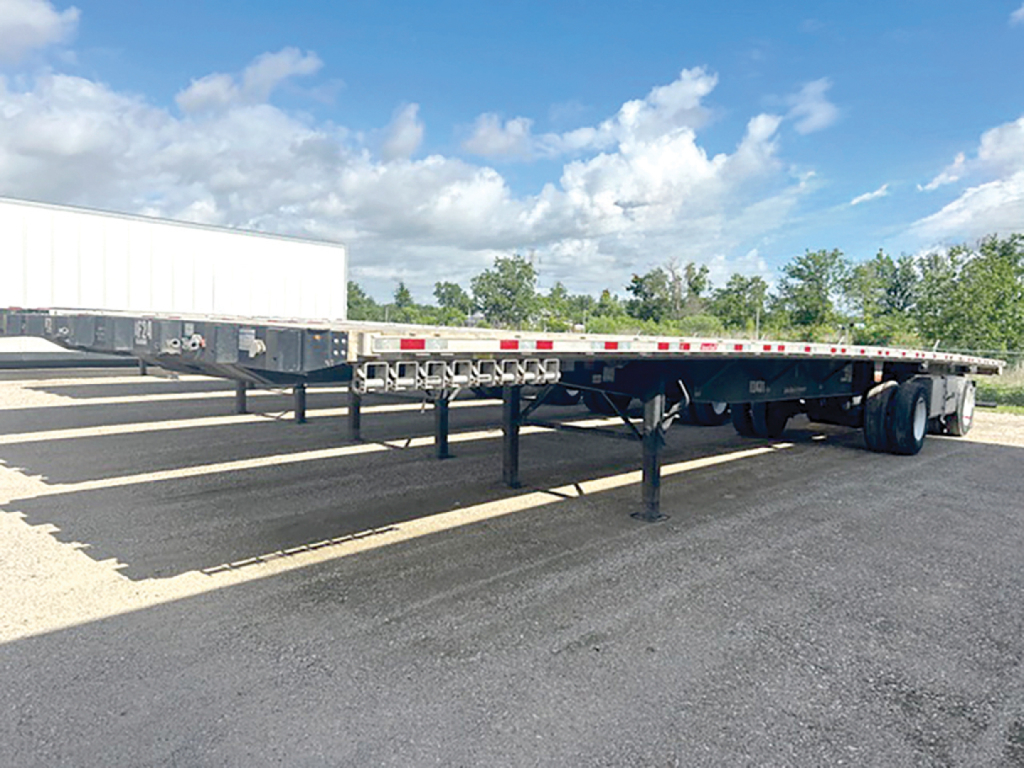
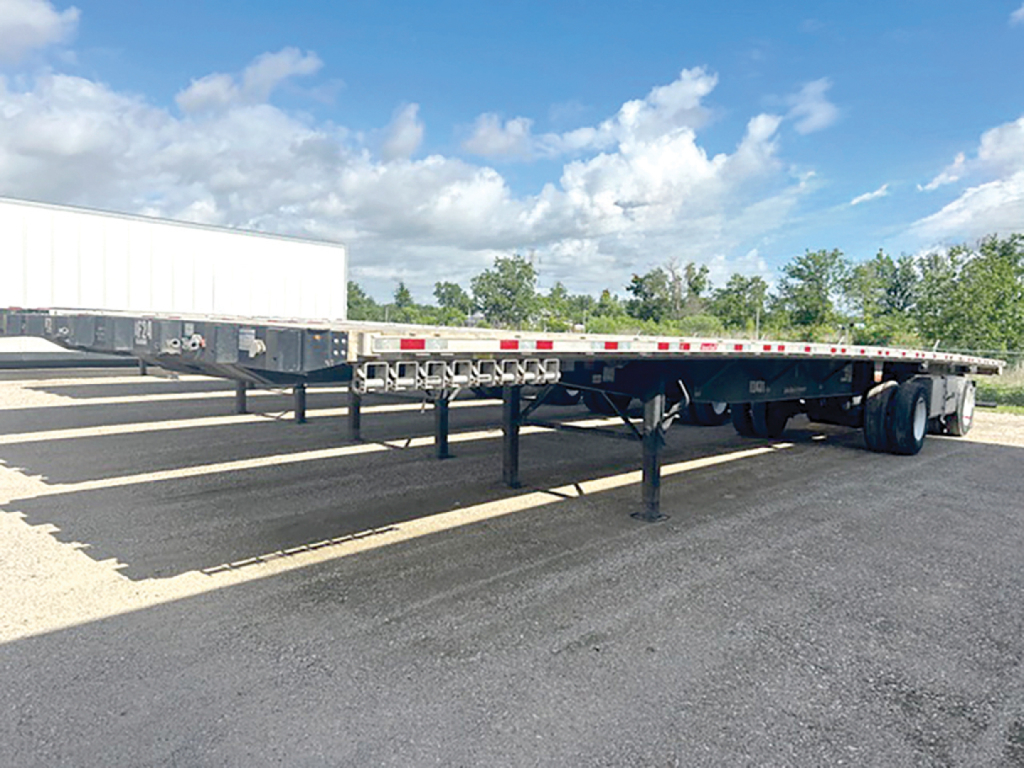

Showing 13 to 20 of 20 results
Have great dane flatbed trailer to sell? List it here to reach thousands of buyers.
About Great Dane Flatbed Trailers in Texas
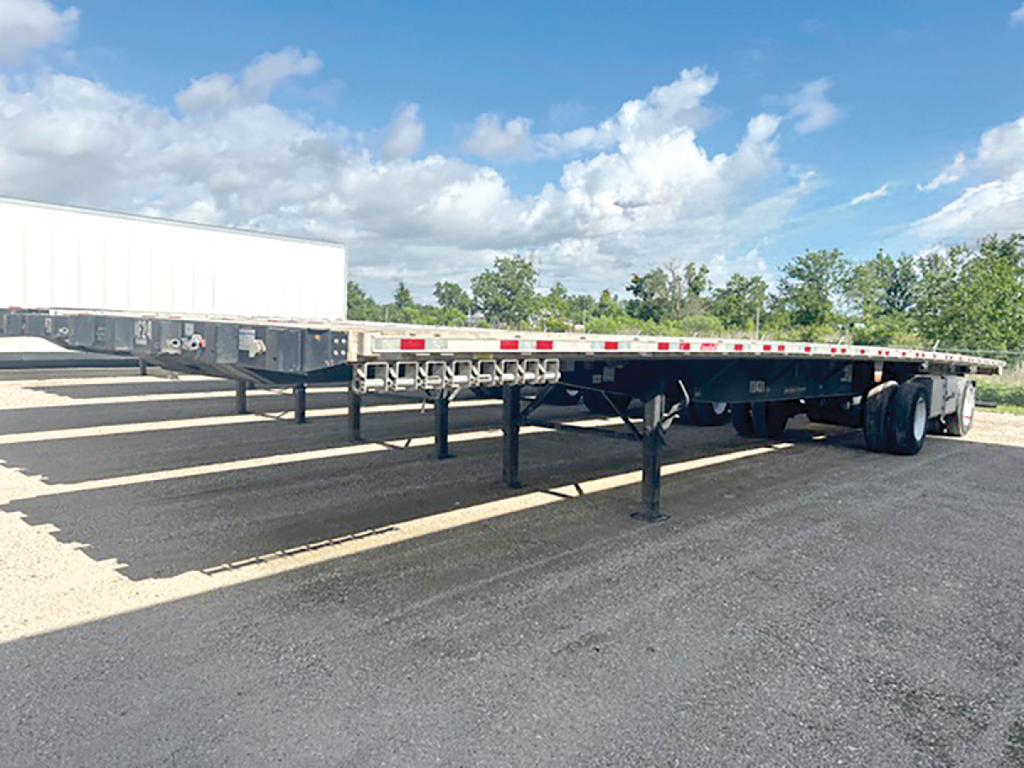
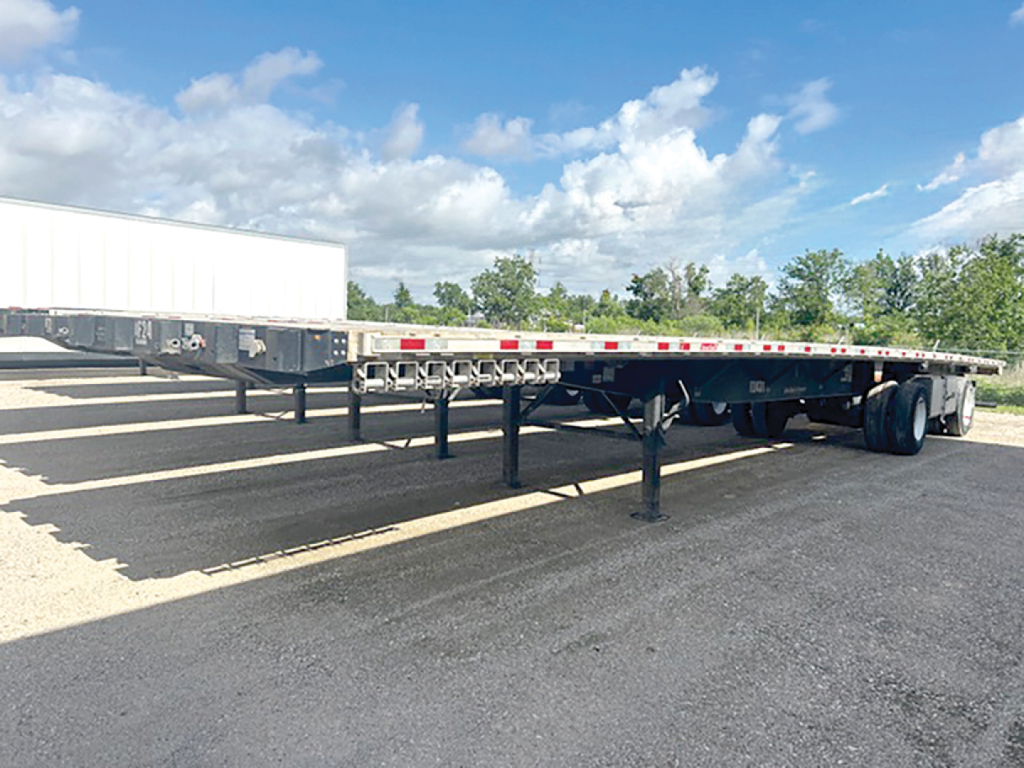
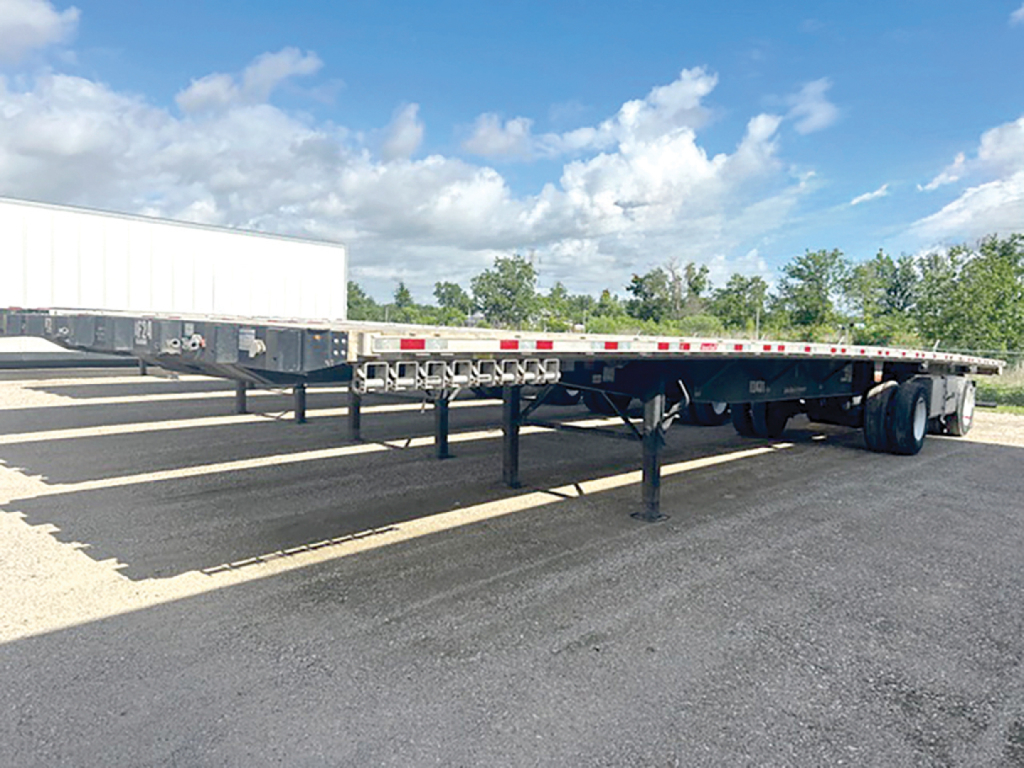
A lot of Great Dane flatbeds on the market use an aluminum and steel composite design. That combination matters because it balances tare weight with structural durability. Aluminum flooring helps keep weight down, while steel reinforcement in key stress areas supports long service life in hard freight applications. Buyers should pay close attention to floor condition, crossmember integrity, main beam condition, and the state of the nail strips if the trailer has seen regular forklift traffic or concentrated deck loading. On a used flatbed, the deck and understructure usually tell you more than the paint.
Cargo securement setup is another major buying point. Many Great Dane flatbed trailers are equipped with sliding winch tracks, multiple winches, double spools, and aluminum tool boxes for straps, chains, binders, and edge protection. Those features reduce setup time and make the trailer easier to adapt across different freight mixes. Air ride suspension is common and helps protect sensitive loads while improving ride quality. Spread axles remain popular for maximizing legal payload, and details like tire inflation systems, 22.5 low profile tires, and disc wheels can lower maintenance interruptions and improve roadside serviceability.
For Texas operations, it is worth matching the trailer to the lanes and freight instead of buying only by year model. A 53-foot Great Dane Freedom LT flatbed may make sense for longer commodity freight and high-volume lanes, while a 48-foot trailer can be the better fit for tighter job sites, regional steel hauling, or mixed freight that does not require maximum deck length. Check axle spacing, suspension condition, kingpin area, light wiring, brake components, and rub rail or winch track wear before making a decision. A well-spec'd Great Dane flatbed can be a dependable open-deck trailer for fleets and owner-operators that need a durable platform with straightforward maintenance.
Frequently Asked Questions
What are the most common Great Dane flatbed trailer sizes?
The most common Great Dane flatbed trailer lengths are 48 feet and 53 feet, typically with a legal width of 102 inches. A 48-foot flatbed is often preferred for regional work, tighter delivery points, and certain commodity applications. A 53-foot flatbed offers more deck space for longer freight and can improve load planning flexibility when legal weight and axle settings are managed correctly.
What does an aluminum and steel composite flatbed mean?
An aluminum and steel composite flatbed uses both materials in the trailer structure to balance weight and strength. Aluminum components, including the floor on many trailers, help reduce tare weight and preserve payload capacity. Steel is usually used in high-stress structural areas where durability and rigidity matter most. This design is common on Great Dane flatbeds because it gives buyers a practical mix of lighter weight and long-term toughness.
Is a spread axle the right choice on a Great Dane flatbed trailer?
A spread axle flatbed can be the right choice if your freight regularly pushes legal weight limits and benefits from better load distribution. Spread axles are common on Great Dane flatbeds used for heavy building materials, machinery, and dense palletized freight. The tradeoff is that spread axle trailers can be less forgiving in tight turns and certain docks. Buyers should consider route type, customer locations, and axle laws before choosing between spread axle and closer tandem layouts.
What securement features should buyers look for on a used Great Dane flatbed?
Useful securement features include sliding winch tracks, a good number of winches, double spools, nail strips, sound rub rails, and tool boxes with enough room for straps, chains, and binders. These details matter because they affect how quickly the trailer can be set up for different loads. On a used trailer, buyers should inspect the winch track for damage, confirm the winches move and lock correctly, and look for wear around tie-down points that may indicate hard service.
What should be inspected first on a used Great Dane flatbed trailer?
Start with the frame, main beams, crossmembers, floor condition, suspension, and axle alignment. Then inspect the kingpin area, brake system, air ride components, tires, wheels, lights, and wiring. On Great Dane flatbeds, deck wear and understructure condition are especially important because open-deck trailers often see forklift loading, chain securement stress, and weather exposure. A clean inspection in those areas usually tells you more about the trailer's value than the model year alone.