
2024 Great Dane Flatbed Trailers For Sale in Texas
Shop 2024 Great Dane flatbed trailers for sale in Texas. Compare 53-foot specs, composite construction, axle setups, and securement features.
Learn more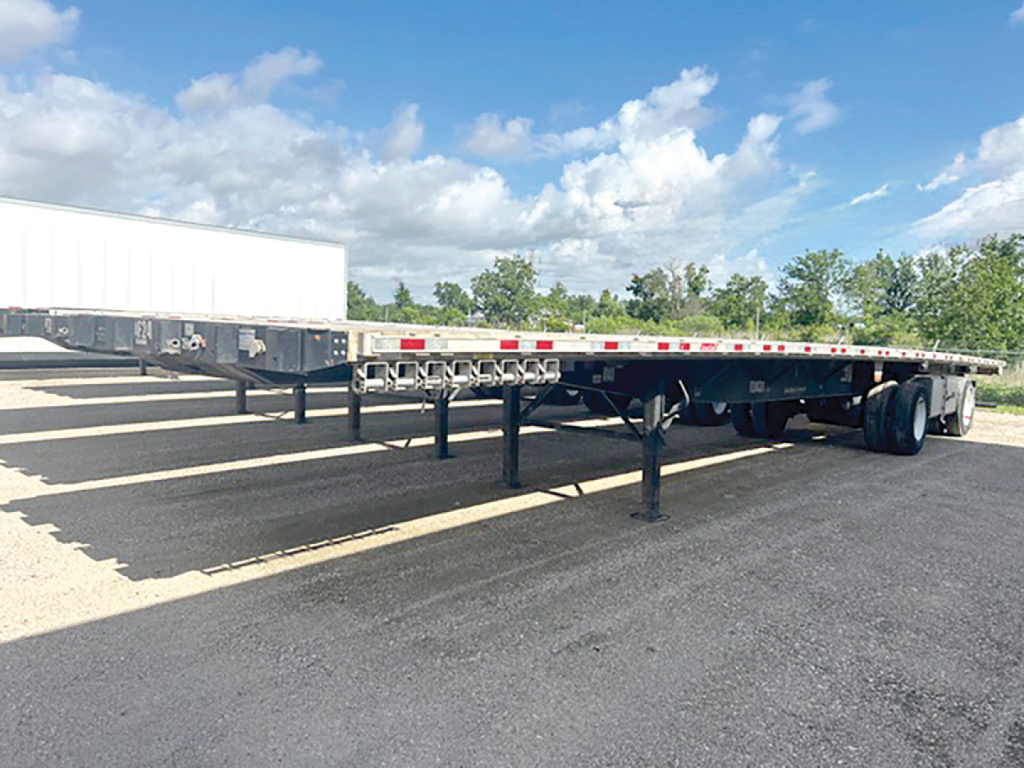
Showing 13 to 19 of 19 results
Have 2024 great dane flatbed trailer to sell? List it here to reach thousands of buyers.
About 2024 Great Dane Flatbed Trailers in Texas
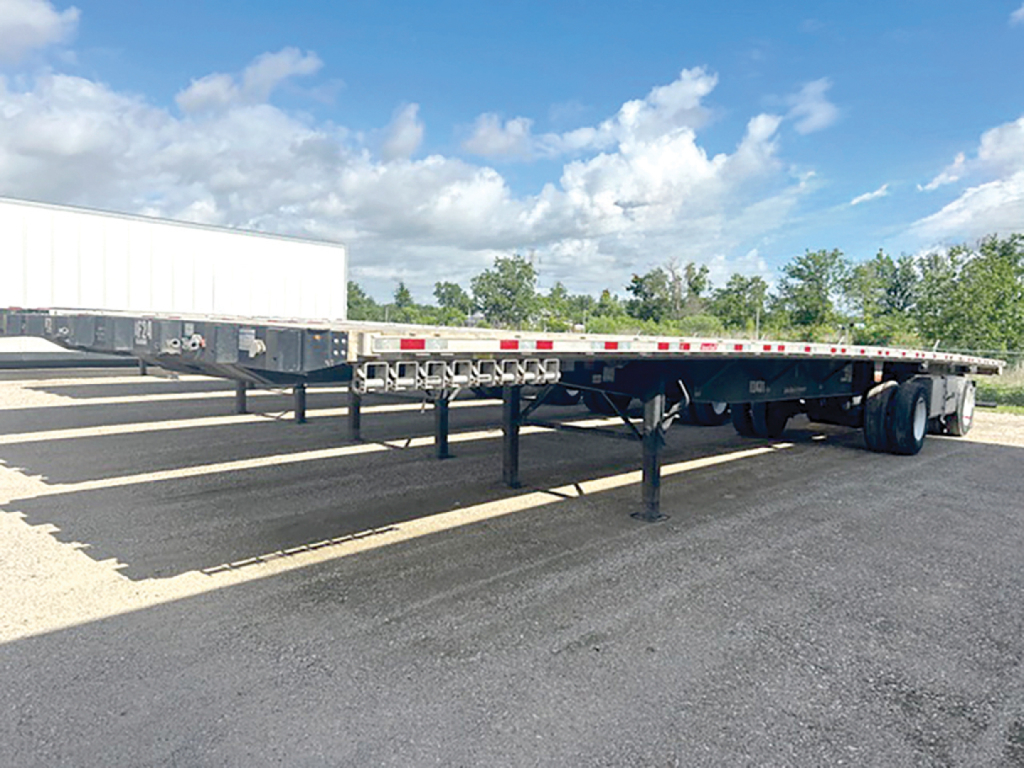
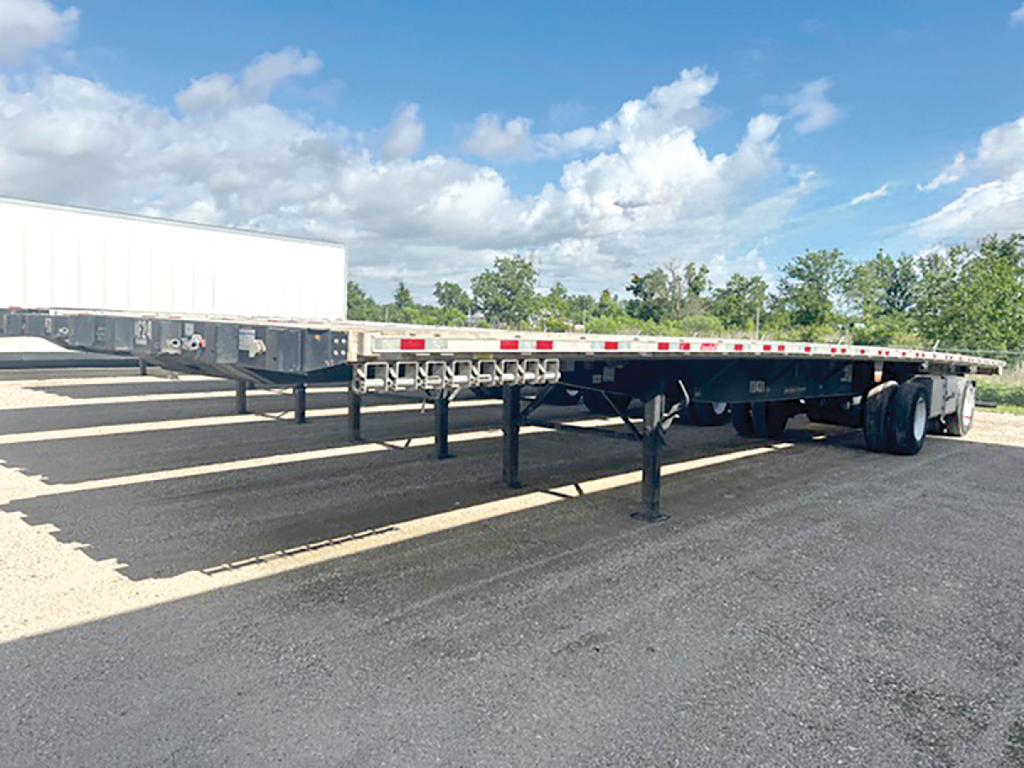
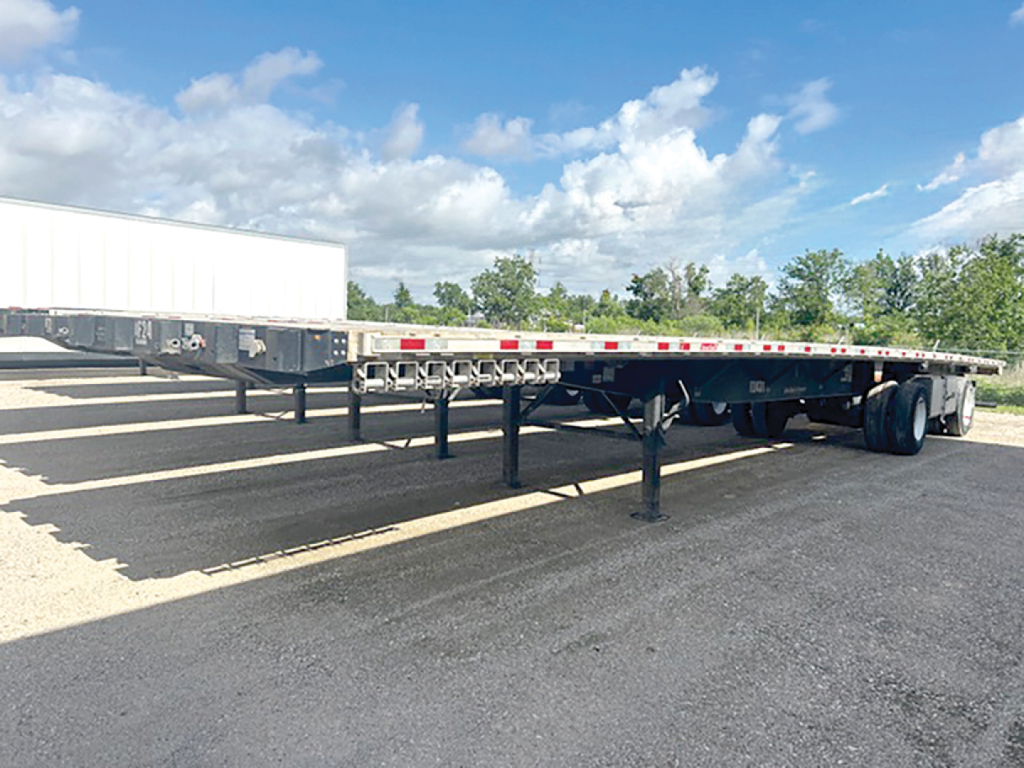
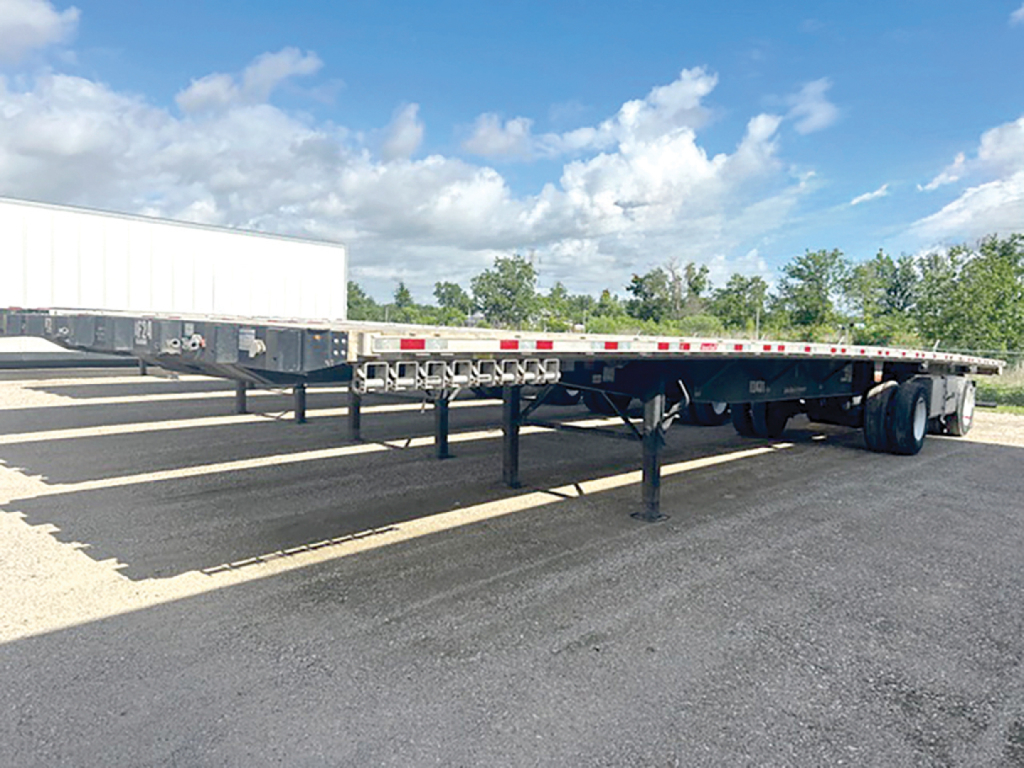
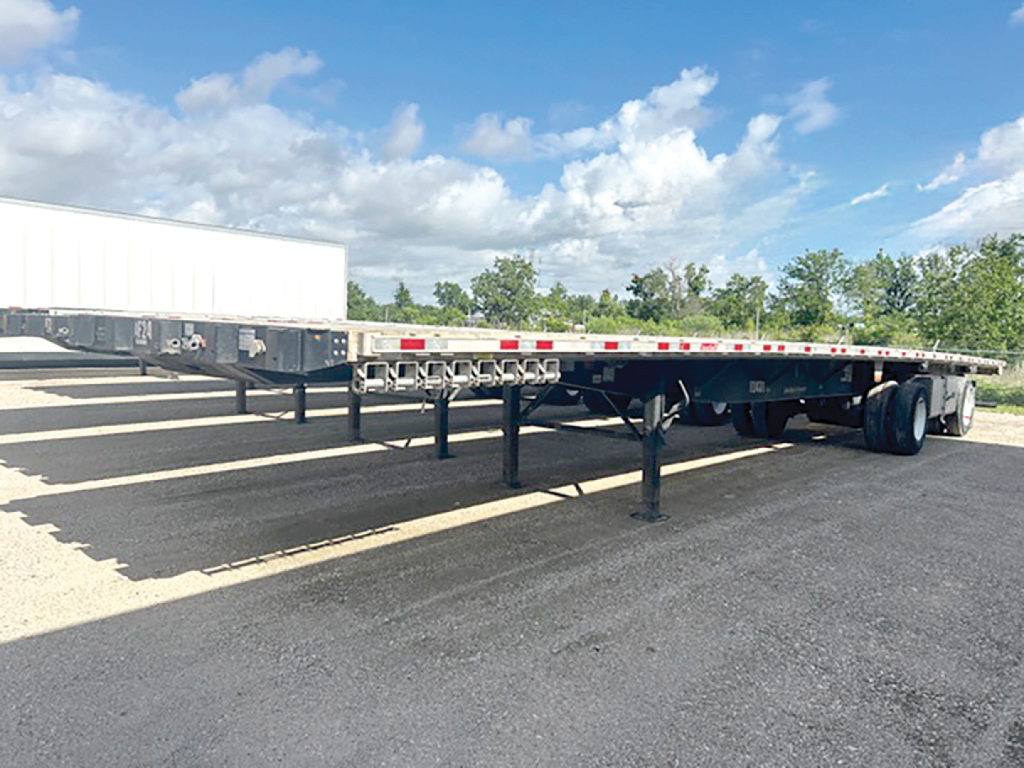
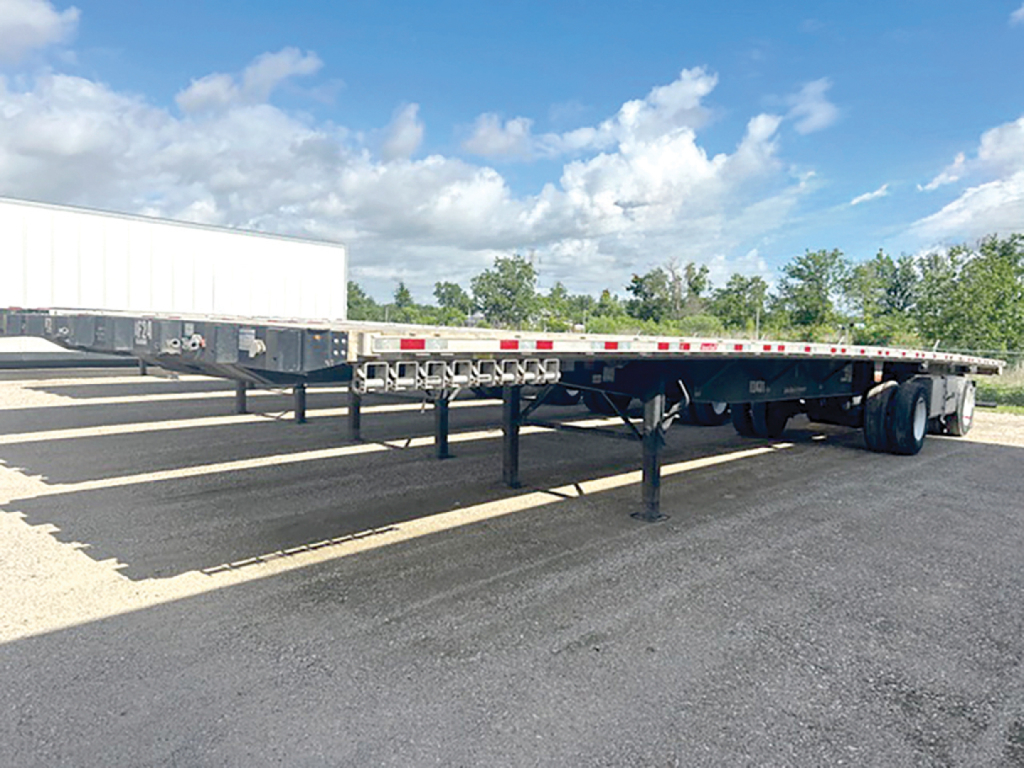
One of the first things to evaluate is deck and securement layout. Aluminum floors with nail strips are common on late-model Great Dane flatbeds because they support varied cargo while helping protect the deck from repeated securement wear. Sliding winch tracks, multiple winches, and double spool arrangements give the trailer more flexibility for freight with inconsistent tie-down points. If your freight mix changes week to week, those details affect how quickly a driver can secure loads and how well the trailer adapts to steel coils, palletized materials, crated equipment, or oversized pieces. Tool boxes, stake pockets, and rub rail condition also deserve close attention because they directly affect day-to-day usability.
Suspension and running gear are just as important as deck spec. Many 2024 Great Dane flatbeds are equipped with air ride spread axles, a setup that helps with ride quality, load stability, and bridge-law flexibility depending on your operation. Buyers should also look at tire size, wheel type, brake configuration, and tire inflation systems. Low-profile 22.5 tires are common on this category, and automatic tire inflation can reduce roadside issues and improve tire life in high-mile applications. Disc wheels and modern braking setups can also simplify maintenance planning, especially for fleets trying to control downtime and standardize trailer spec across multiple tractors.
Great Dane's Freedom LT is a good example of what many buyers want in a newer flatbed trailer: lighter-weight construction, practical securement options, and a spec that fits general freight rather than a narrow niche. The main buying decision is not just age or brand. It is whether the trailer's deck materials, axle spread, suspension, securement package, and tare weight match your freight profile and route structure. A well-matched flatbed trailer can improve payload, shorten loading time, and reduce cargo securement headaches over the life of the trailer.
Frequently Asked Questions
What freight is a 2024 Great Dane flatbed trailer commonly used for?
A 2024 Great Dane flatbed trailer is commonly used for steel, lumber, pipe, machinery, construction materials, palletized freight, and other open-deck loads that require crane, forklift, or side loading access. The flat deck design gives carriers flexibility for freight that is too tall, too wide, or too irregularly shaped for a dry van. This makes the category popular with general freight haulers, building supply carriers, and operators serving industrial or energy-related lanes.
What should I look for in the deck and securement setup on a Great Dane flatbed?
The most important deck considerations are floor material, nail strips, rub rail design, stake pockets, and winch configuration. Many buyers prefer aluminum flooring to reduce weight, while nail strips help extend deck life during repeated loading and securement. A sliding winch track with multiple winches gives more tie-down flexibility than a fixed arrangement. If the trailer will handle mixed freight, a strong securement package often matters as much as axle or suspension spec.
Why do many flatbed buyers prefer spread axles and air ride suspension?
Spread axles are popular because they can improve load distribution and help with legal weight positioning, depending on the load and operating region. Air ride suspension is preferred for better ride quality and reduced cargo shock compared with harsher suspension designs. That combination is especially useful for higher-value freight, longer highway runs, and carriers trying to limit cargo movement or trailer wear over time.
Is a composite aluminum and steel flatbed a good choice?
A composite aluminum and steel flatbed is a strong all-around choice for many operations because it balances lighter weight with durability in critical structural areas. Aluminum helps reduce tare weight and can improve payload potential, while steel adds strength where the trailer takes the most stress. For buyers comparing trailer specs, this construction style often makes sense when the goal is general-purpose use rather than a highly specialized application.
Are tire inflation systems worth having on a flatbed trailer?
Automatic tire inflation systems can be a valuable feature on a flatbed trailer because they help maintain correct tire pressure during operation. Proper inflation supports better tire life, improved fuel efficiency, and fewer roadside service calls. For fleets and high-mile owner-operators, that can translate into lower operating costs and less unplanned downtime over the life of the trailer.