
Used Fontaine Flatbed Trailers For Sale in Ohio
Used Fontaine flatbed trailers for sale in Ohio: compare frame condition, deck ratings, axle layouts, and salt-related wear before choosing a platform.
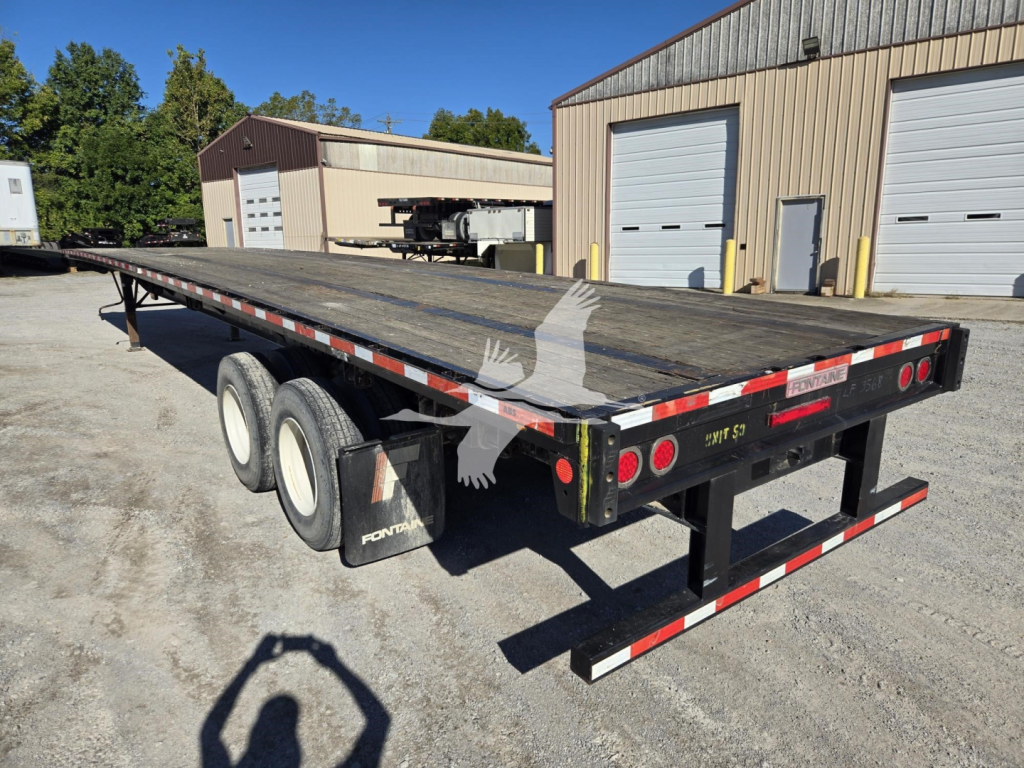
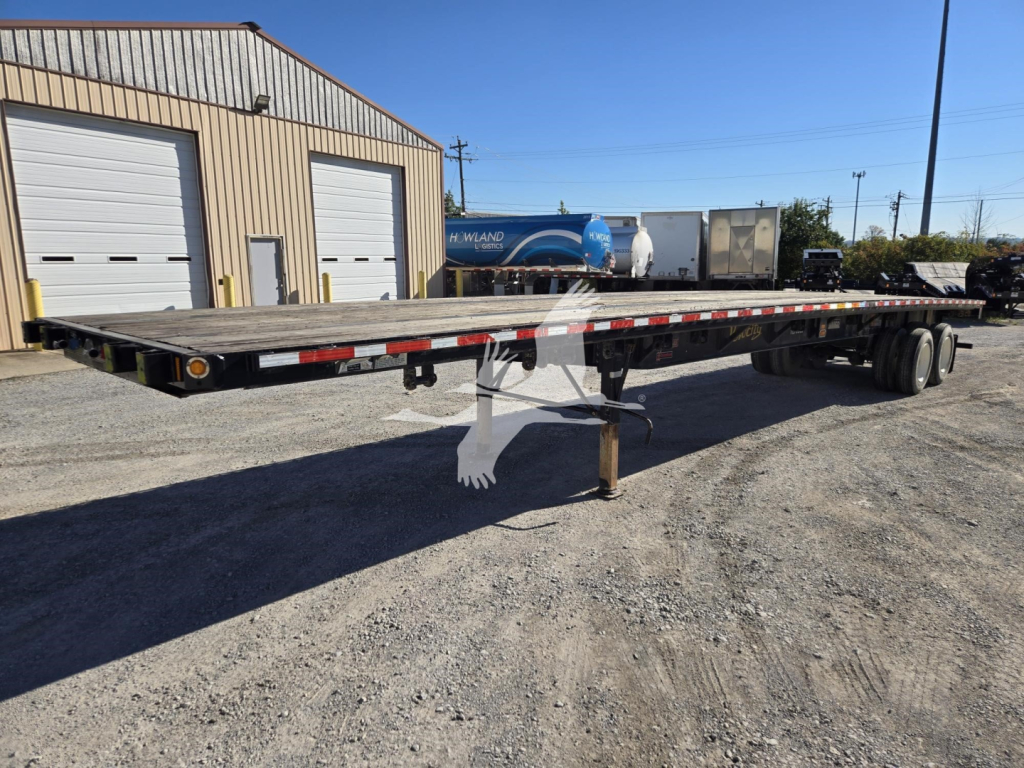
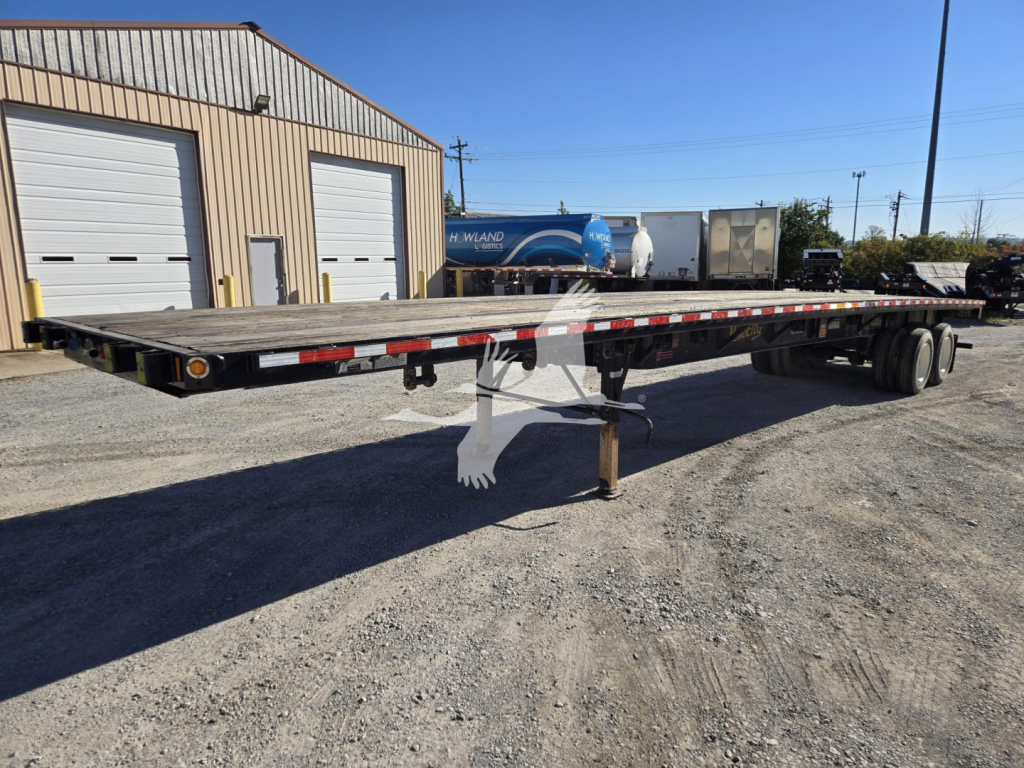
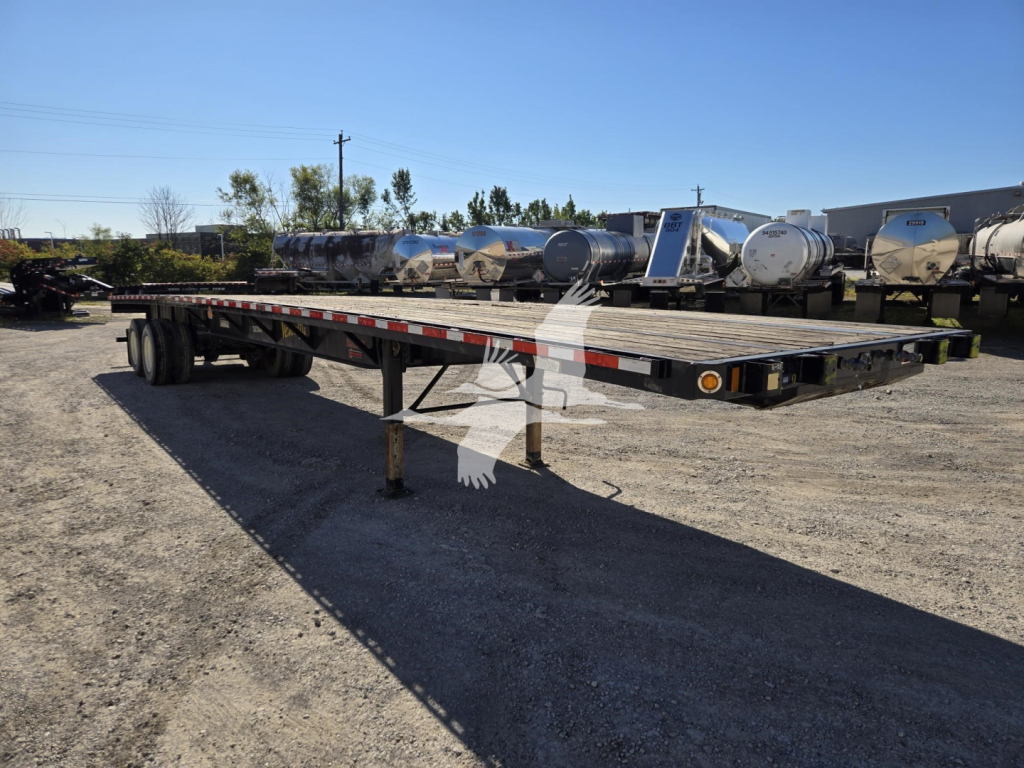
Selling a used fontaine flatbed trailer? List your used fontaine flatbed trailer for sale and reach thousands of commercial buyers.
Used Fontaine Flatbed Trailers in Ohio
Fontaine flatbeds span steel, combination, and aluminum construction, with Revolution among the manufacturer's platform-trailer model families. Identify the actual beam, crossmember, and deck materials from the trailer's build information rather than assuming every Fontaine platform has the same construction. Steel framing needs careful corrosion assessment, while aluminum structures require close inspection for cracks and damage around attachments. On trailers with apitong flooring, check for soft boards, split ends, loose fasteners, and deterioration over the crossmembers. Match documented concentrated-load ratings to machinery footprints or bundled steel, not just the trailer's overall payload rating.
A 48-foot platform and a 53-foot platform serve different load plans, even when both have a 102-inch deck width. Compare usable deck length, kingpin setback, landing-gear clearance, and tractor swing clearance. Sliding tandems offer axle-position adjustment, while fixed spread axles change weight distribution and maneuvering behavior. Verify Ohio route restrictions and legal axle loading for the complete tractor-trailer combination rather than selecting by deck length alone.
Running-gear condition can turn an apparently straightforward purchase into substantial repair work. On spring-ride trailers, inspect spring packs, equalizers, bushings, hangers, and axle alignment. On air-ride equipment, inspect air springs, trailing-arm connections, height-control components, and evidence of operation at an incorrect ride height. Exercise sliding-tandem locks and confirm every pin engages fully. Check brake drums or rotors, lining thickness, wheel seals, tire age, uneven tread wear, and ABS operation. Maintenance records should explain recurring tire wear or brake repairs; recorded tread percentages alone do not establish roadworthiness.
Ohio's steel, manufacturing, and construction freight makes load securement hardware especially relevant on a used flat deck. Inspect winch tracks, sliding winches, stake pockets, pipe spools, and side rails for distortion or unauthorized alterations. Confirm that securement points are suitable for the intended loads rather than treating every rub rail as a rated anchor. For regional work along I-70, I-71, and I-75, compare loading access, tarp requirements, and unloaded weight against the actual freight. A heavier platform may suit demanding loading conditions, but its tare weight reduces payload within the same legal gross limit.
Frequently Asked Questions about Used Fontaine Flatbed Trailers in Ohio
Can a used Fontaine flatbed haul steel coils?
A used Fontaine flatbed can haul steel coils only when its documented concentrated-load capacity and securement arrangement suit the coil's weight and orientation. Confirm the required support spacing with the trailer manufacturer and use suitable coil racks, blocking, friction material, and rated tiedowns. Federal coil-securement requirements vary with eye orientation, so a general-purpose strap arrangement is not a substitute for a coil-specific loading plan.
What weight limits apply to a Fontaine flatbed on Ohio interstate highways?
The standard federal Interstate limits are 80,000 pounds gross combination weight, 20,000 pounds on a single axle, and 34,000 pounds on a tandem axle, subject to the Federal Bridge Formula. A Fontaine flatbed's axle spacing and the tractor's wheelbase affect legal loading. Higher trailer component ratings do not authorize higher highway weights, and a spread-axle layout does not automatically increase the combination's legal gross weight.
Does a used Fontaine flatbed need an annual DOT inspection?
A Fontaine flatbed used in federally regulated commercial service needs a periodic inspection at least every 12 months under 49 CFR 396.17. The trailer must qualify separately from the tractor, and documentation of the inspection must be carried on the trailer. A current inspection is not a pre-purchase condition guarantee; review the report, confirm the trailer identification, and inspect for damage or deterioration occurring afterward.
Will a spread-axle Fontaine flatbed wear tires faster than a tandem?
A fixed spread-axle Fontaine flatbed typically produces more tire scrub in tight turns than a closely spaced tandem. Frequent maneuvering in steel yards, construction entrances, and small delivery sites can make that difference significant. Compare tire wear across both axles, verify alignment, and check inflation before blaming the layout alone. If equipped, an axle dump system must be operated according to manufacturer instructions without overloading the remaining axle.