
Fontaine Flatbed Trailers For Sale in Texas
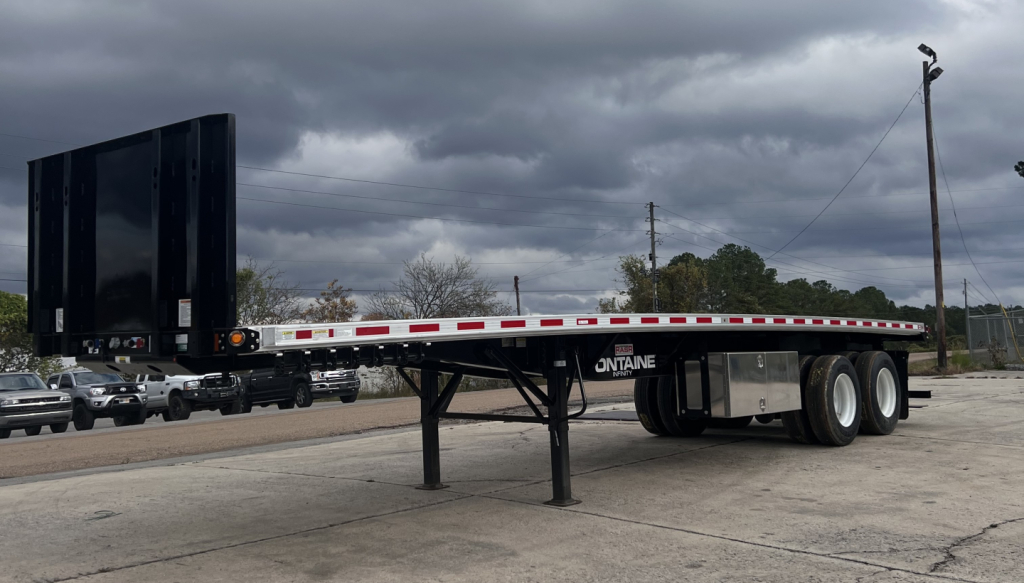
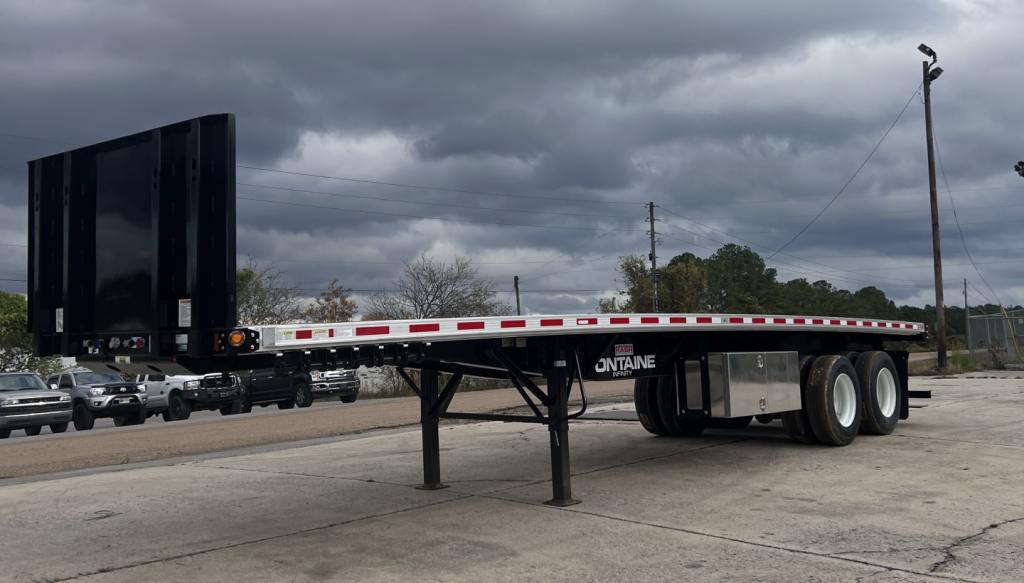
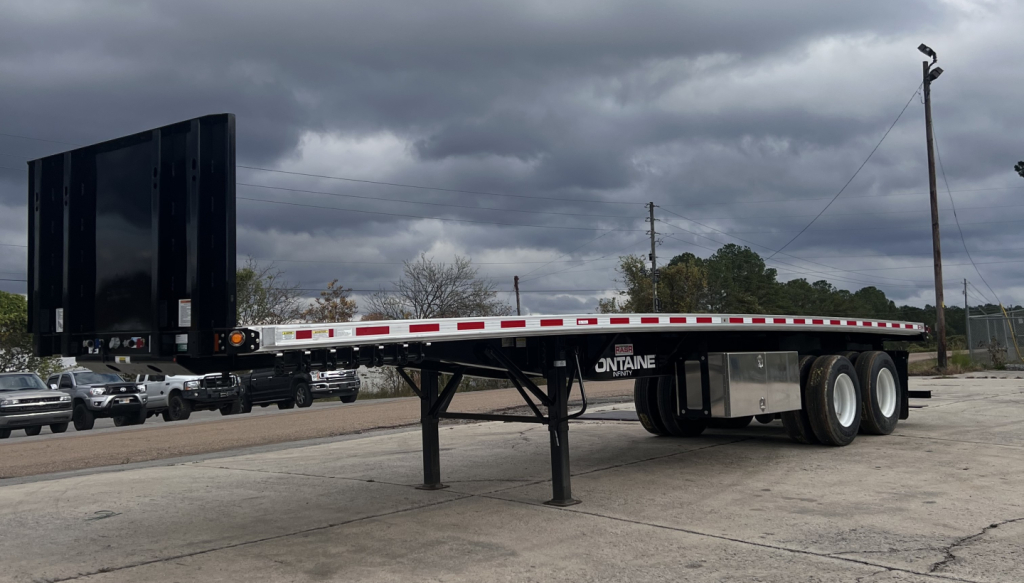
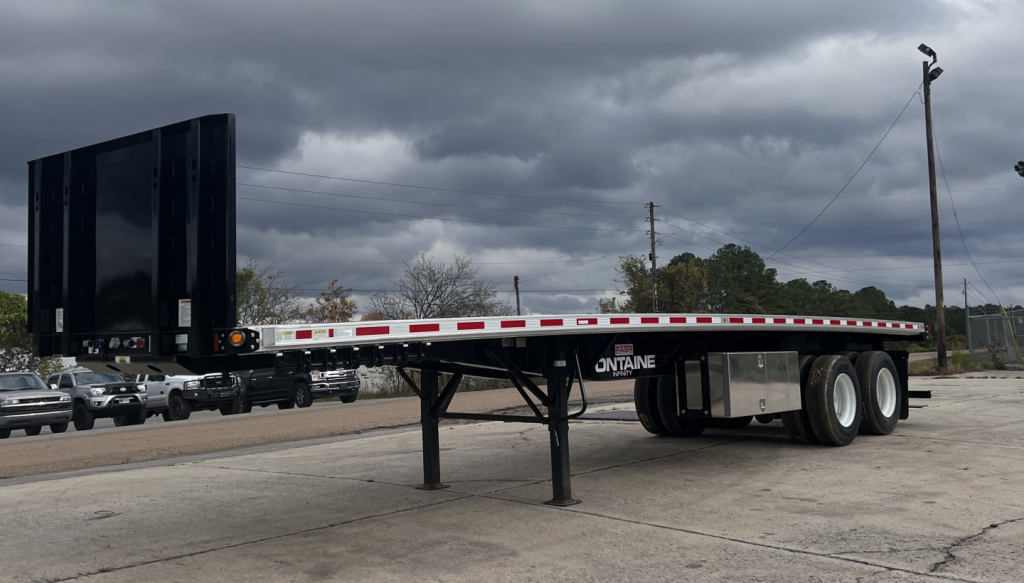
Showing 25 to 28 of 28 results
Have fontaine flatbed trailer to sell? List it here to reach thousands of buyers.
Fontaine Flatbed Trailers in Texas
One of the first decisions is construction type. Fontaine combo flatbeds use aluminum and steel together to reduce empty weight without giving up strength where it matters most. That matters if payload is a priority or the trailer will run hard across regional and over-the-road lanes. Many flatbeds in this class are 102 inches wide, with common deck lengths ranging from shorter specialty lengths up to standard highway configurations. Flooring is another important detail. Aluminum floors with wood nailers are common because they help with weight savings while still giving operators practical anchor points and better usability for certain freight types. Stake pockets on close centers, sliding winches, and a solid bulkhead or headache rack arrangement all add day-to-day value when the trailer is used for mixed cargo.
Forklift kit flatbeds deserve close attention because they are designed to carry a piggyback forklift and its counterweight package safely. On this type of trailer, the rear structure, bulkhead configuration, and weight distribution are part of the working design, not just add-ons. Buyers should confirm the rated forklift compatibility, how the counterweight system is integrated, and whether the front axle includes an auto-sensing lift for empty or lightly loaded operation. Tire size, wheel material, and suspension spec also affect operating cost and service intervals, especially on Texas routes where long highway miles, heat, and mixed pavement conditions can expose weak tire and alignment setups quickly.
A good Fontaine flatbed spec is usually defined by the freight first. For steel, lumber, and general building products, look closely at securement layout, winch count, pocket spacing, and deck surface. For regional deliveries with frequent loading cycles, toolbox space, axle lift features, and trailer weight can make a measurable difference in efficiency. For heavier commodity work, pay attention to frame design, crossmember spacing, and how the trailer is rated when fully equipped. The best flatbed is not just the lightest one. It is the one with the right combination of payload capacity, securement flexibility, durability, and ease of use for the lanes it will actually run.
Frequently Asked Questions about Fontaine Flatbed Trailers in Texas
What is a Fontaine flatbed trailer best suited for?
A Fontaine flatbed trailer is best suited for open-deck freight that needs crane, forklift, or side loading access. Common applications include steel, lumber, machinery, pipe, packaged construction materials, and general commodity freight. Buyers often choose Fontaine for a mix of low tare weight, durable frame construction, and practical securement options such as stake pockets, sliding winches, and bulkhead configurations.
What is the benefit of a combo flatbed trailer?
A combo flatbed trailer combines aluminum and steel construction to reduce empty weight while keeping strength in key stress areas. The lighter tare weight can improve legal payload and fuel efficiency, which matters on high-mileage regional and over-the-road work. Combo construction is popular with fleets and owner-operators hauling mixed freight because it offers a good balance between productivity and long-term durability.
Why would a buyer choose a flatbed with a forklift kit?
A flatbed with a forklift kit is designed to transport a piggyback forklift as part of the trailer’s working setup. This is valuable for building materials, jobsite delivery, and freight that must be unloaded where dock access is limited. Buyers should verify forklift capacity, counterweight design, rear mounting arrangement, and axle or suspension features that support stable operation when the forklift is mounted or removed.
Which specs matter most when comparing Fontaine flatbed trailers?
The most important specs usually include deck length, trailer width, tare weight, axle configuration, kingpin setting, flooring type, securement layout, and suspension package. Buyers should also look at stake pocket spacing, winch count, tire size, wheel type, toolbox configuration, and any axle lift system. These details directly affect payload, loading flexibility, maintenance cost, and how well the trailer matches the freight being hauled.
Are Fontaine flatbed trailers a good fit for Texas hauling?
Fontaine flatbed trailers are a strong fit for Texas hauling because many Texas freight lanes involve construction materials, oilfield-related freight, machinery, and other open-deck cargo. Long interstate runs, high temperatures, and variable loading conditions make trailer weight, tire spec, suspension durability, and securement hardware especially important. A properly matched Fontaine flatbed can perform well in both regional delivery work and longer highway service across the state.