
Fontaine Flatbed Trailers For Sale in Oklahoma
Browse Fontaine flatbed trailers for sale in Oklahoma. Compare aluminum 48-foot flats, specs, weight, securement features, and axle setups.
Selling a fontaine flatbed trailer? List your fontaine flatbed trailer for sale and reach thousands of commercial buyers.
Fontaine Flatbed Trailers in Oklahoma
A lot of Fontaine flats in this class are aluminum trailers built to keep empty weight down while still offering strong distributed and concentrated load ratings. Lightweight aluminum main beams, knurled aluminum flooring, and integrated side rail designs help maximize legal payload without giving up deck usability. Common specs include 80,000-pound distributed capacity, concentrated ratings for short heavy sections, tandem axles, air ride suspension, and wide-spread axle settings. Buyers should also pay attention to kingpin setting and loaded deck height. A 30-inch kingpin setting and roughly 49-inch fifth wheel height are typical numbers that matter when matching the trailer to a tractor and staying balanced on the drives and tandems.
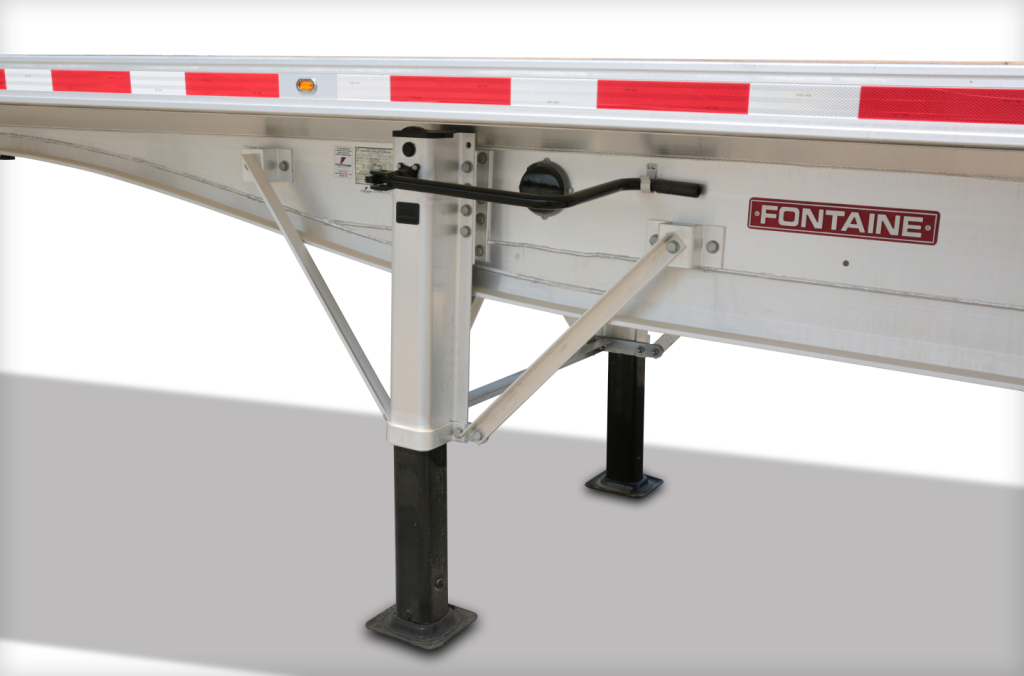
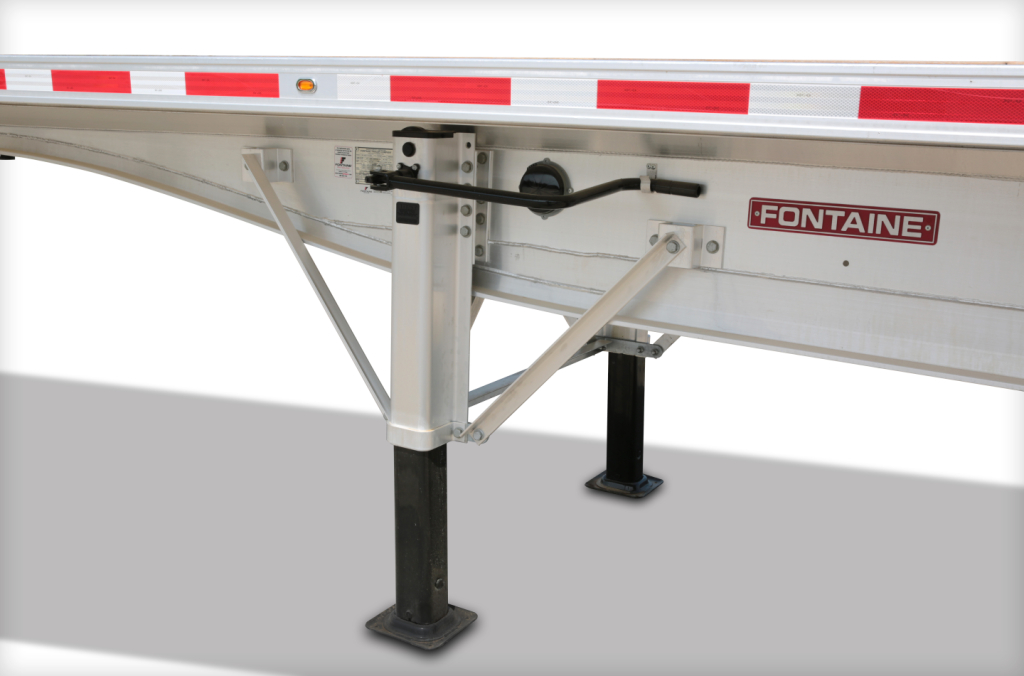
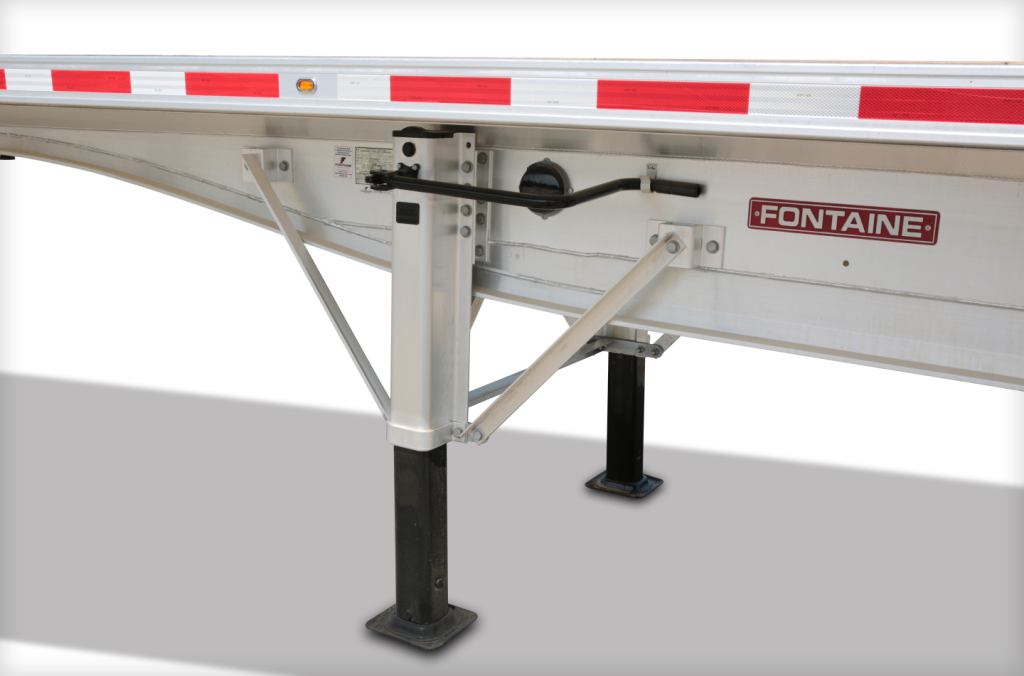
Securement equipment is where one flatbed can separate itself from another. Full-length winch tracks, sliding winches, recessed chain tie-downs, stake pockets on regular centers, and multiple load securement openings between pockets give a trailer more flexibility across lumber, pipe, palletized freight, and coil work. Many Fontaine flatbeds are spec'd with single coil package capability, routed aluminum side rails with integrated rub rails, and wood nailer strips to protect the deck and improve securement options. For buyers hauling in all seasons, LED lighting, spring brakes, ABS, dock bumpers, mudflaps, and a usable aluminum toolbox are more than convenience items. They affect uptime, driver efficiency, and day-to-day durability.
When comparing Fontaine flatbed trailers for sale, look past the headline weight rating and review how the trailer is actually equipped for your freight mix. Tire size, wheel material, axle spacing, suspension type, bumper style, and the number of winches or tie-down positions all influence operating cost and versatility. Oklahoma buyers moving oilfield materials, farm inputs, structural steel, or construction freight often benefit from an aluminum air ride flatbed that can stay light, load quickly, and secure a wide range of cargo without constant add-on hardware. A well-spec'd Fontaine flatbed is built around payload efficiency and practical securement, which is exactly what matters in a working open-deck operation.
Frequently Asked Questions about Fontaine Flatbed Trailers in Oklahoma
What are the most important specs to compare on a Fontaine flatbed trailer?
The most important specs are deck length and width, trailer tare weight, distributed and concentrated load ratings, axle configuration, suspension type, kingpin setting, and deck height. Buyers should also compare the securement package, including stake pocket spacing, chain tie-downs, winch tracks, sliding winches, and coil package features. Those details determine how much freight the trailer can legally carry and how easily it can handle different load types.
Why do many buyers prefer an aluminum Fontaine flatbed trailer?
An aluminum flatbed trailer is popular because it reduces empty weight and helps preserve payload capacity. That matters on general freight lanes where every pound counts. Aluminum construction can also offer good corrosion resistance and long-term durability, especially when paired with quality flooring, integrated side rails, and well-designed crossmember structure. The key is balancing light weight with the strength rating needed for concentrated loads such as steel or machinery.
What does a wide-spread axle setup do on a flatbed trailer?
A wide-spread tandem increases the distance between the trailer axles, which can help with weight distribution and legal load management depending on state regulations and application. It is often chosen for heavier freight because it gives the operator more flexibility when positioning loads on the deck. Buyers should still confirm bridge law, turning requirements, and route restrictions in their operating area because axle spread affects maneuverability as well as weight compliance.
How important are winch tracks, chain tie-downs, and stake pockets on a flatbed?
These features are central to how useful a flatbed trailer is in real freight service. Full-length winch tracks and sliding winches allow quick strap placement for palletized or irregular cargo. Recessed chain tie-downs and stake pockets support heavier securement needs for steel, equipment, and building materials. A trailer with a strong factory securement layout is usually more efficient and safer to load than one that relies on limited tie points or aftermarket additions.
Is a 48-foot Fontaine flatbed a good fit for Oklahoma hauling?
A 48-foot flatbed is a strong fit for many Oklahoma operations because it works well across construction, agriculture, energy, and regional industrial freight. It is long enough for common building materials and equipment loads while remaining practical for mixed freight and daily loading. Buyers should match the trailer's weight rating, axle spread, and securement package to the freight they haul most often, especially if the operation includes steel, coil, or heavier oilfield-related cargo.