
Used 2023 Dorsey Flatbed Trailers For Sale
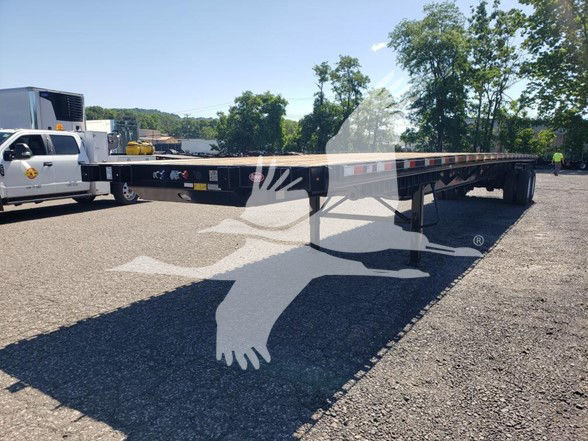
Shop used 2023 Dorsey flatbed trailers with 48' and 53' deck options, steel construction, Apitong floors, sliding tandems, and 80,000 GVWR.
Learn more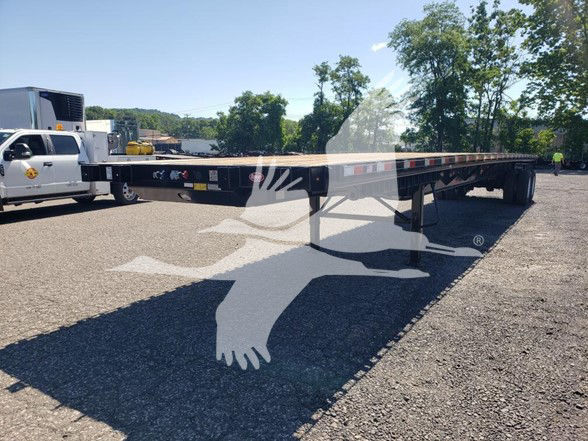
Showing 13 to 14 of 14 results
Have used 2023 dorsey flatbed trailer to sell? List it here to reach thousands of buyers.
About Used 2023 Dorsey Flatbed Trailers
A common spec on 2023 Dorsey steel flatbeds is a 1 1/8-inch Apitong floor over steel crossmembers, often on 12-inch centers, with structural channel side rails and roadside winch track. That combination matters because it balances deck durability with cargo securement flexibility. Apitong remains a preferred flatbed flooring material for its wear resistance and grip, especially under steel coils, palletized freight, and concentrated forklift traffic. Buyers should pay attention to winch track length, number of sliding winches, side rail condition, and whether the trailer has pipe spools, because those details directly affect how quickly the trailer can be set up for lumber, pipe, crated freight, or mixed loads.
Suspension and running gear are equally important on a used flatbed. Many 2023 Dorsey trailers in this class use spring ride tandem suspensions such as Hutchens setups with a 49-inch sliding tandem, plus 295/75R22.5 tires and hub-piloted steel wheels. A sliding tandem gives the driver more flexibility to adjust axle spacing for bridge law compliance and load distribution, which is especially useful when hauling dense commodities. Check tandem slide operation, suspension bushing wear, brake life, tire matching, wheel-end condition, and landing gear performance. On a steel flatbed, also inspect the frame, crossmembers, rear impact guard, light wiring, and any localized corrosion around the side rail, winch track, and mud flap bracket areas.
For many buyers, the key decision is 48-foot versus 53-foot deck length. A 48-foot Dorsey flatbed can be a strong fit for regional work, dense freight, and shippers that do not need maximum deck space. A 53-foot flatbed gives more loading versatility for longer material, lighter bulky freight, and multi-stop freight where deck placement matters. Dorsey flatbeds are also commonly referred to simply as flatbed trailers or open-deck trailers, and the best choice usually comes down to deck length, tare weight, securement layout, and the condition of the floor and running gear. A clean used 2023 model with straight rails, solid flooring, and an intact tandem slide can be a practical option for fleets and owner-operators that want a current-model trailer without paying new-trailer pricing.
Frequently Asked Questions
What are the most common specs on a used 2023 Dorsey flatbed trailer?
Used 2023 Dorsey flatbed trailers commonly appear as 48-foot or 53-foot steel flatbeds with 102-inch overall width, tandem axles, spring ride suspension, a 49-inch sliding tandem, and an 80,000-pound GVWR. Many are equipped with 1 1/8-inch Apitong flooring, structural channel side rails, roadside winch track, sliding winches, 295/75R22.5 tires, and a 30-inch kingpin setting. Exact specifications vary by original fleet order, so buyers should confirm deck length, tare weight, crossmember spacing, and securement equipment on each trailer.
Is a 48-foot or 53-foot Dorsey flatbed better for my operation?
A 48-foot flatbed is often preferred for dense freight, regional hauling, and applications where maneuverability and lower tare weight matter more than deck length. A 53-foot flatbed gives more usable deck space for longer building materials, lighter bulky freight, and loads that require more spacing between securement points or multiple stop placements. The better choice depends on your freight mix, customer requirements, and how often you need the extra deck footage to stay competitive on load availability.
What should I inspect first on a used Dorsey steel flatbed?
Start with the frame, side rails, crossmembers, and floor because those components determine structural condition and long-term repair cost. Look for bent rails, cracked welds, damaged crossmembers, soft or split Apitong boards, worn winch tracks, and signs of hard forklift impact. Then inspect the tandem slide, suspension, brakes, tires, wheel ends, lighting, and landing gear. On a steel trailer, corrosion around stress points and attachment areas is especially important to evaluate.
Why does Apitong flooring matter on a flatbed trailer?
Apitong is widely used on flatbed trailers because it holds up well under repeated loading, resists wear better than many softer woods, and provides dependable traction for cargo and forklifts. On a used trailer, floor condition is a direct indicator of how the trailer was handled in service. Excessive gouging, loose boards, rot, or patchwork repairs can signal heavy abuse or future maintenance expense, even if the rest of the trailer looks presentable.
What is the benefit of a sliding tandem on a Dorsey flatbed?
A sliding tandem allows the axle group to move forward or rearward to help balance axle weights and meet bridge law requirements. That matters on flatbed freight because load density and placement can vary widely from one shipment to the next. A properly functioning sliding tandem gives the driver more flexibility to position the load legally and reduce the chance of overweight axle issues, especially on steel, machinery, and other concentrated loads.