
2013 Flatbed Trailers For Sale in Texas
Shop 2013 flatbed trailers for sale in Texas. Compare 48x102 specs, spread axles, coil packages, winch tracks, floors, and suspension setups.
Learn more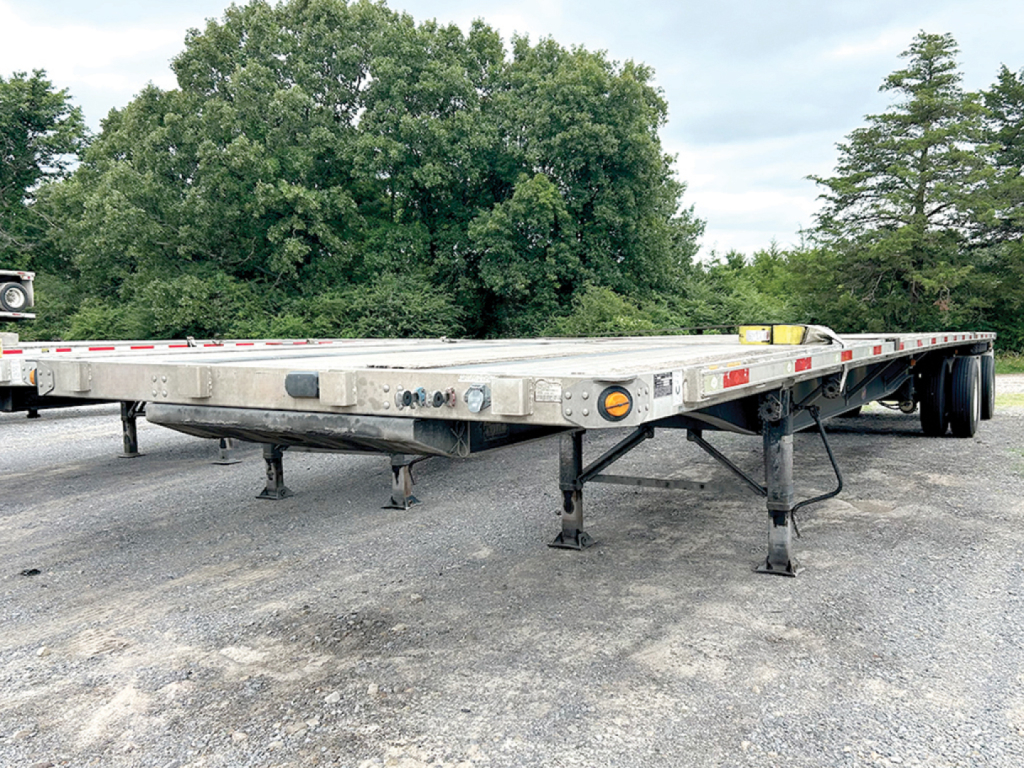
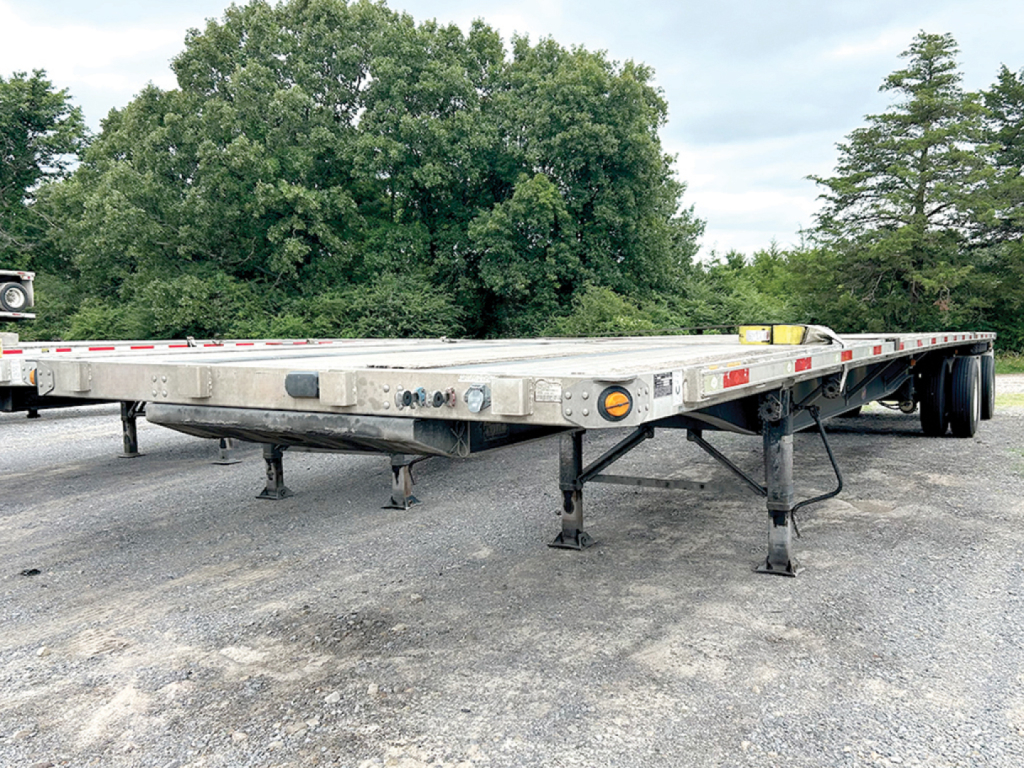
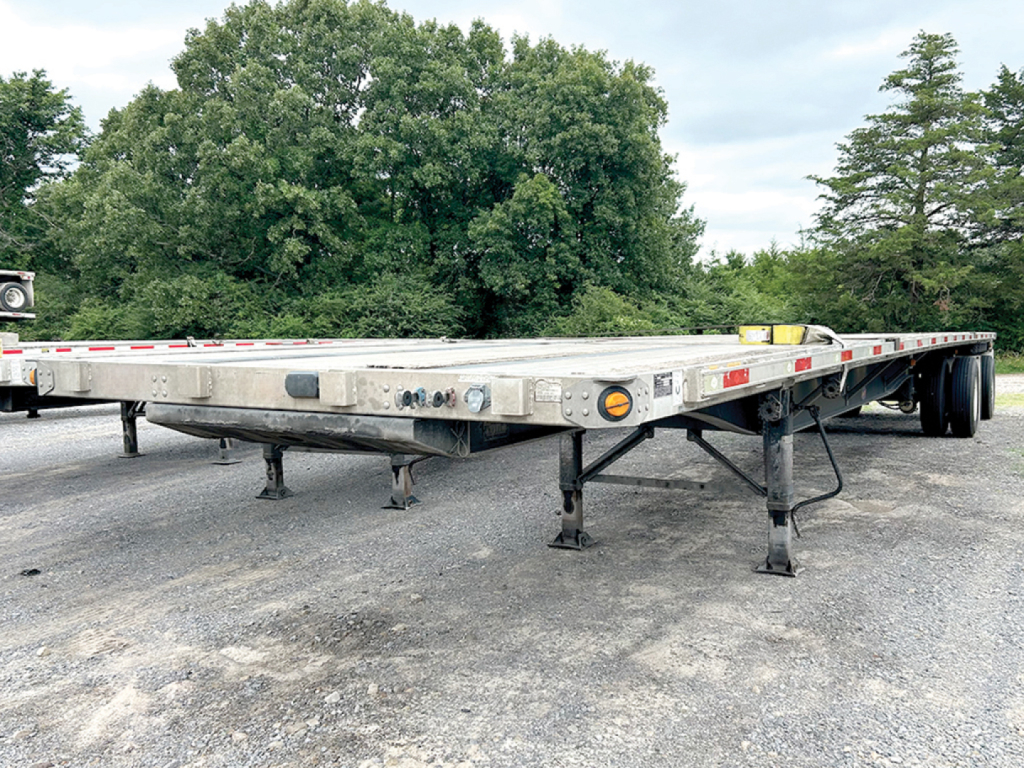
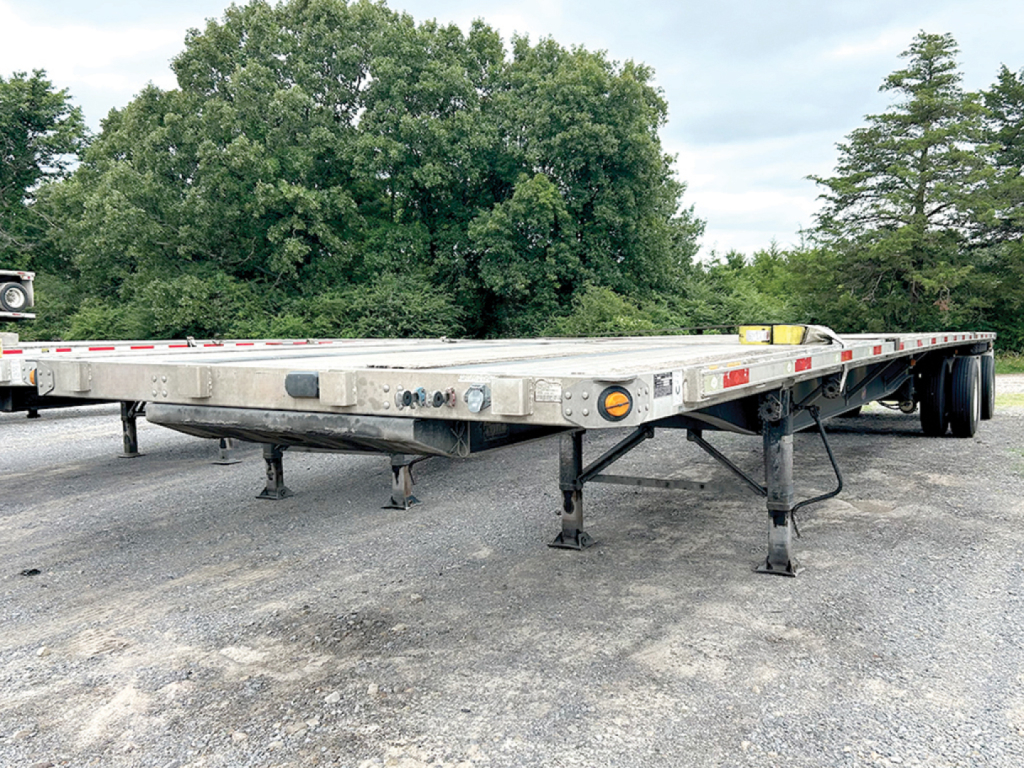
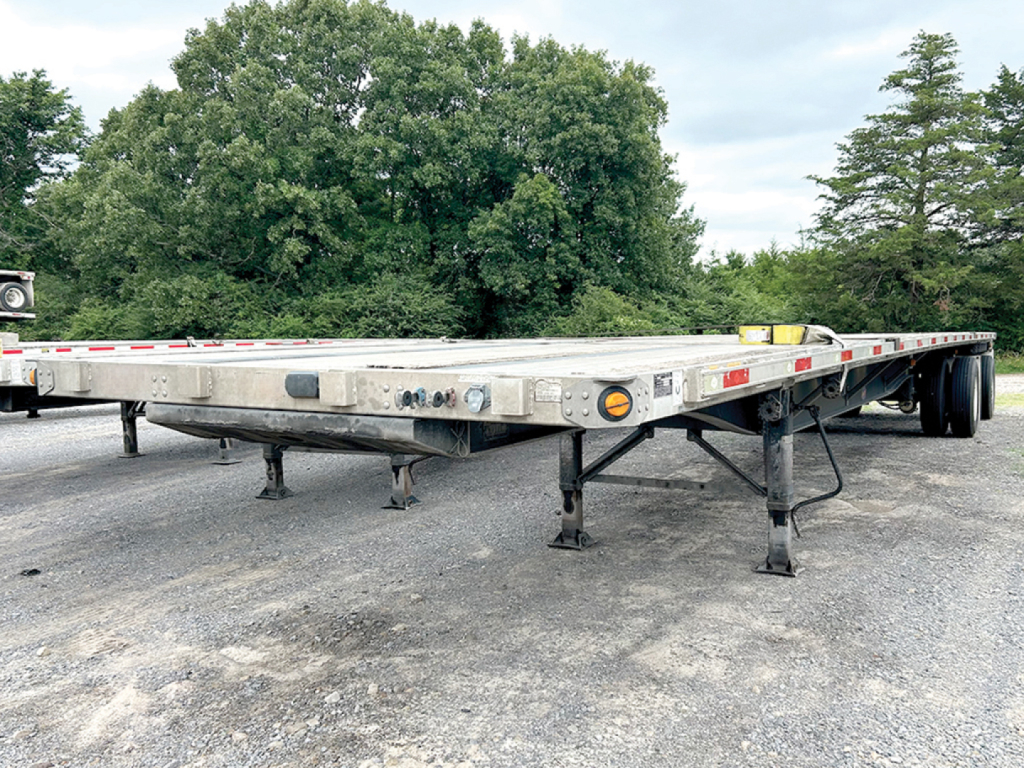
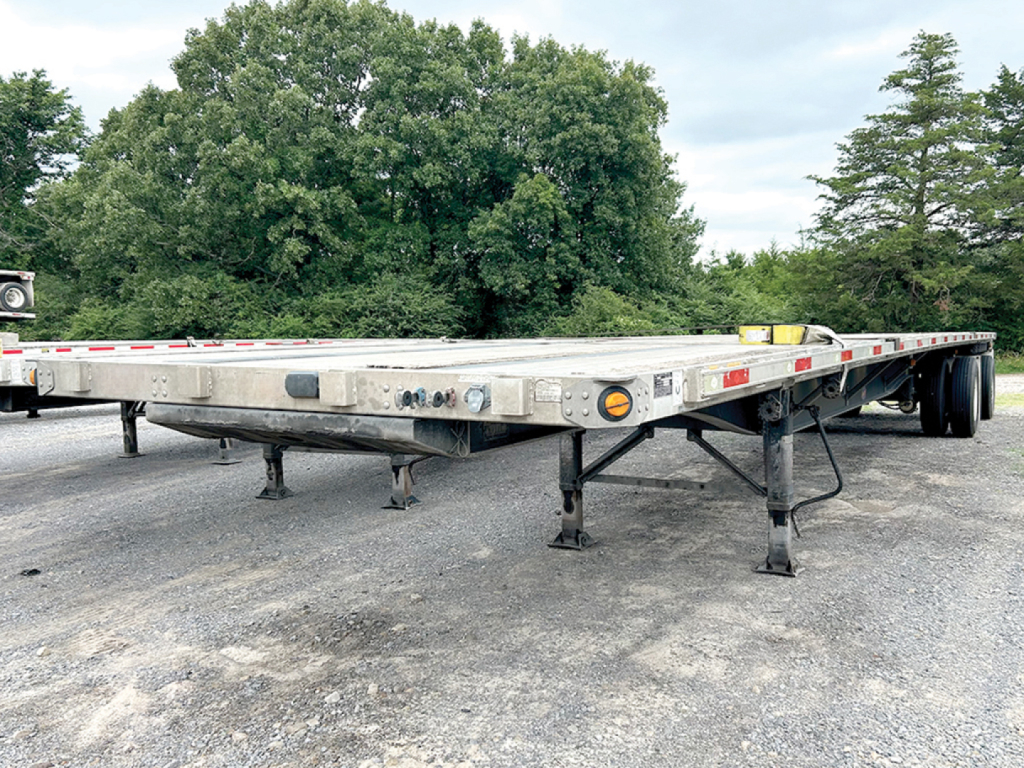
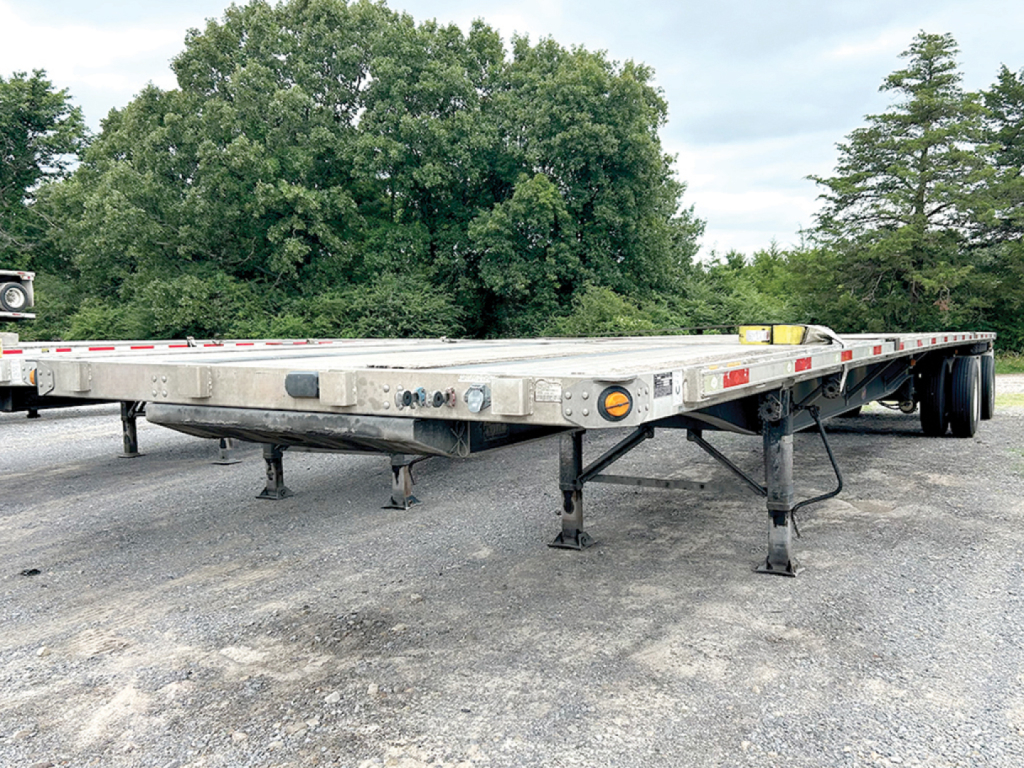
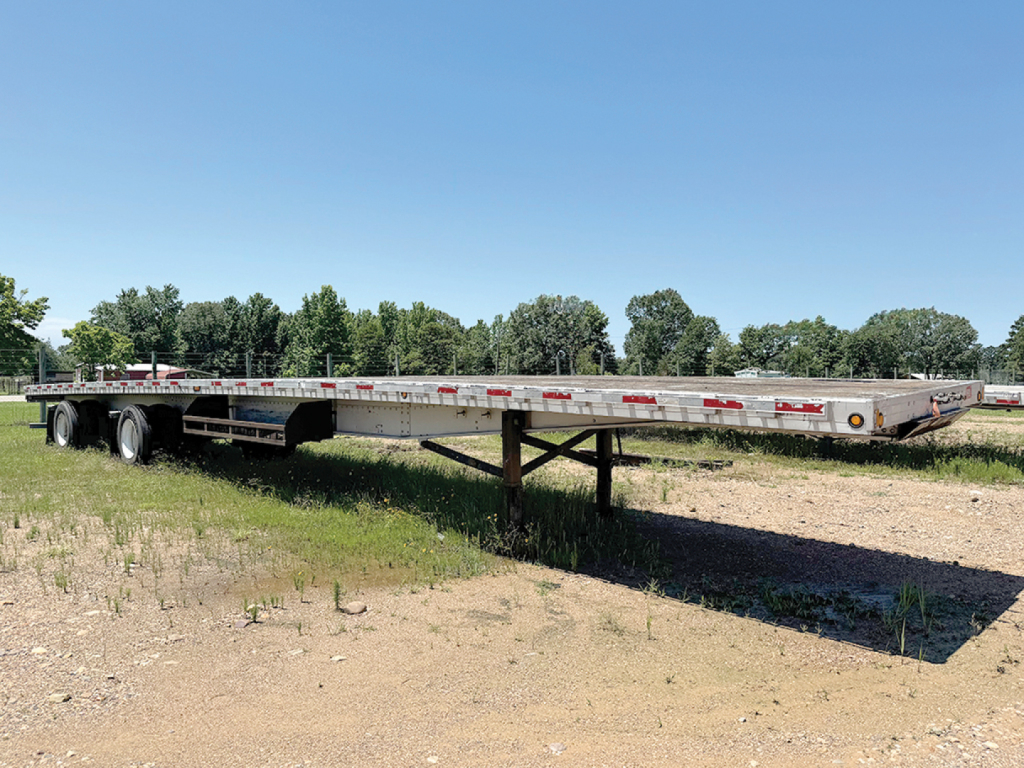
Have 2013 flatbed trailer to sell? List it here to reach thousands of buyers.
About 2013 Flatbed Trailers in Texas
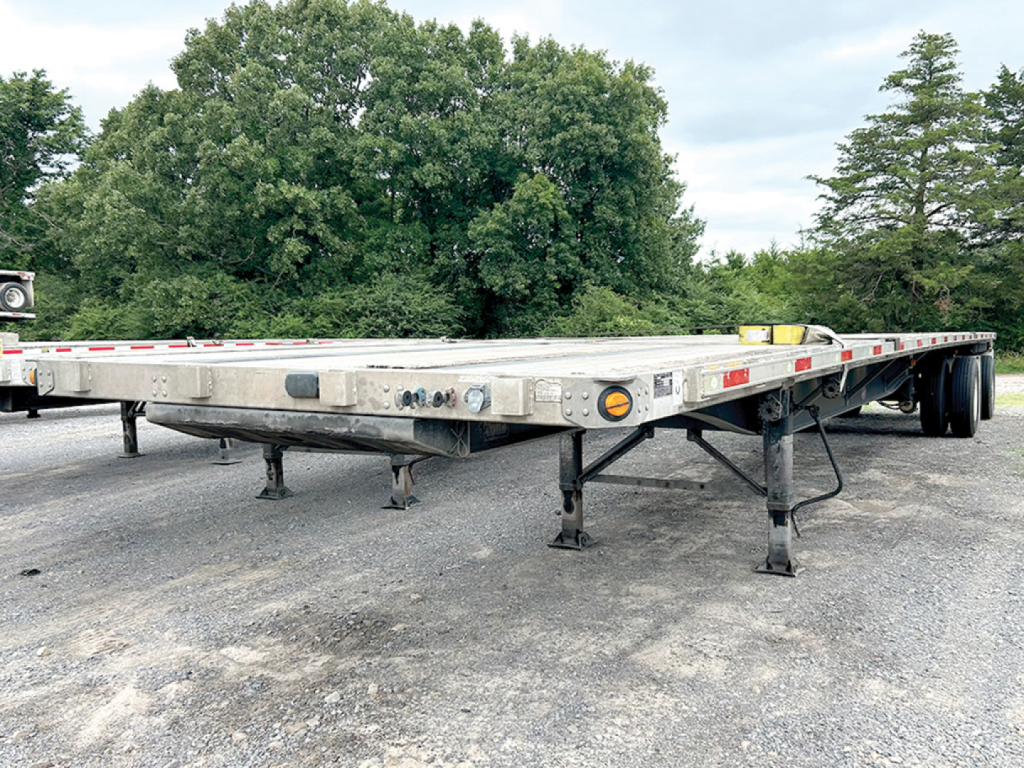
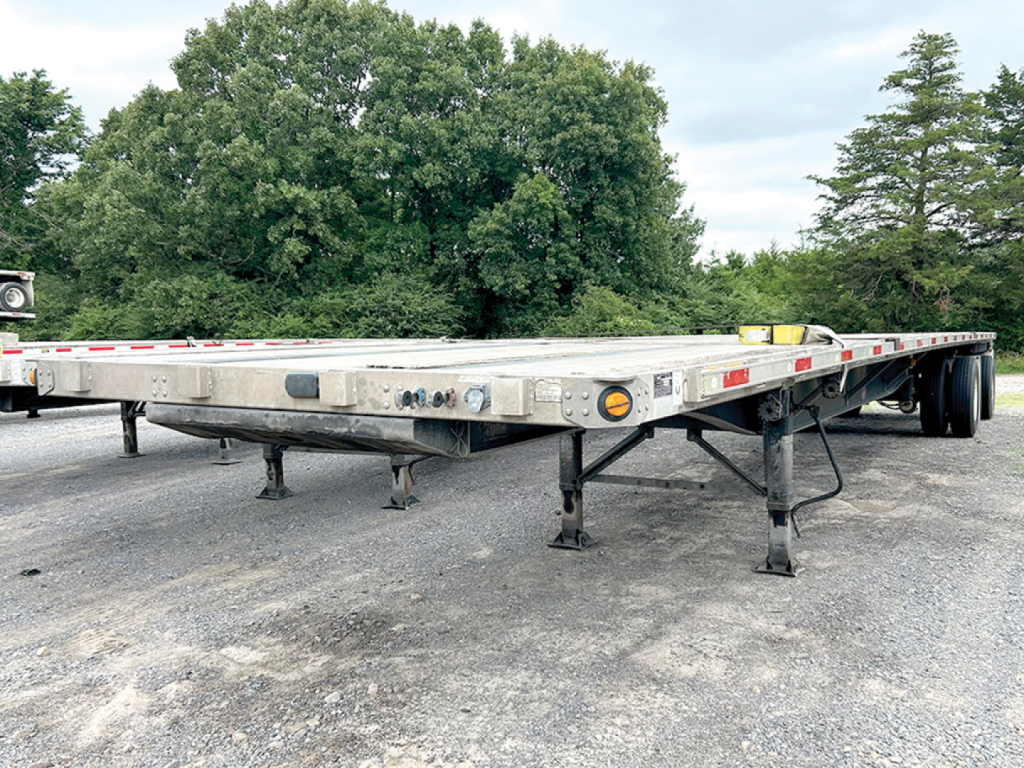
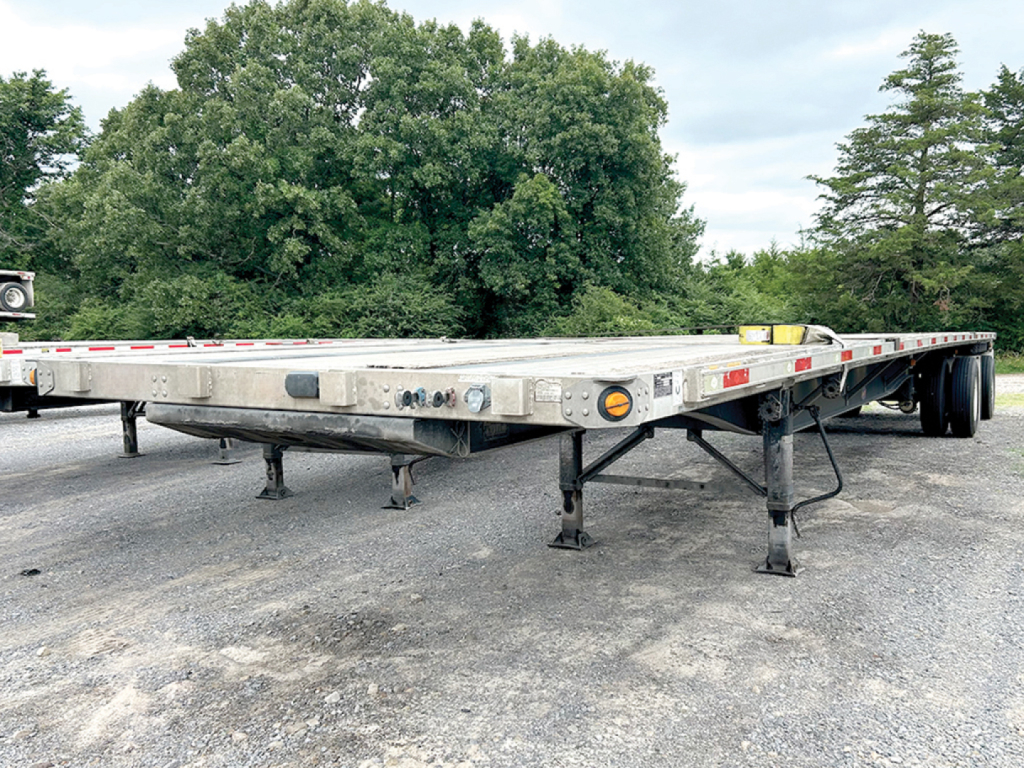
For a buyer comparing listings, the biggest practical difference is usually in how the trailer was worked and how it was maintained. A 48x102 flatbed with a coil package and winch track is set up for a broad range of freight, but deck wear, floor damage, bent crossmembers, rail condition, and suspension history matter more than the base spec sheet. On 2013 models, look closely at the aluminum floor around concentrated load areas, stake pockets and rub rails for deformation, landing gear operation, and signs of repairs near the rear frame, axle hangers, and kingpin area. Spread axle flatbeds are common because they help with bridge law compliance and load distribution, but they also deserve a close look at tire wear patterns, alignment, and bushing condition.
Texas buyers often care about regional hauling realities such as long highway miles, heavy heat exposure, and mixed-use freight that can be hard on floors, tires, and air systems. Air ride is popular on flatbed trailers in this class because it helps protect cargo and improves ride quality, especially on higher-value or irregular freight. Tire size, wheel type, brake configuration, and fifth wheel height should be checked against the tractor the trailer will run behind. A 2013 flatbed may also be referred to simply as a flat bed trailer or open-deck trailer, and the right fit depends on your freight profile more than brand alone. If you haul coils, machinery, or dense freight, concentrated load capacity and coil well setup deserve extra attention.
The best 2013 flatbed trailers are the ones with a clean structural history and the securement features your freight actually requires. Full-length winch tracks, functioning sliding winches, chain tie downs, nailer strips, and a solid floor can save time at every stop. Buyers should also evaluate ABS function, brake life, air leaks, lighting, and overall corrosion, especially on mixed-metal trailers where neglected maintenance can show up around fasteners and contact points. A well-kept 2013 flatbed still fits a wide range of commercial applications, particularly for fleets that want a dependable open-deck trailer with proven specs and manageable acquisition cost.
Frequently Asked Questions
What are the most common specs on a 2013 flatbed trailer?
Many 2013 flatbed trailers are 48 feet long and 102 inches wide, with aluminum-steel composite construction, air ride suspension, and spread axles. Common freight-handling features include aluminum flooring, nail strips, sliding winch tracks, stake pockets, rub rails, and coil package setups. Actual capacity depends on frame design, axle rating, and floor structure, so buyers should compare the data plate and inspect the trailer for any structural repairs or modifications.
Is a 2013 flatbed trailer still a good buy for commercial hauling?
A 2013 flatbed trailer can still be a productive commercial trailer if the frame, suspension, brakes, floor, and securement points are in sound condition. Age alone is less important than maintenance history and prior application. A trailer that spent its life in general freight service may present differently than one that routinely hauled steel coils, construction materials, or machinery. The best indicator of value is a clean structural inspection combined with the right spec for the freight you plan to haul.
What should I inspect first on a used 2013 flatbed trailer?
Start with the main beams, crossmembers, kingpin area, rear frame, suspension hangers, and axle alignment because those items drive both safety and long-term cost. Then inspect the deck surface, nailer strips, rub rails, stake pockets, winch track, and chain tie-down points for damage or heavy wear. Buyers should also check brakes, ABS, air lines, lights, landing gear, wheel ends, and tire condition. On composite trailers, look carefully for corrosion or wear where steel and aluminum components meet.
Why do many 2013 flatbed trailers have spread axles?
Spread axle configurations are common on flatbed trailers because they help with weight distribution and can improve bridge law flexibility for many loads. They are especially useful on open-deck freight where cargo placement changes from load to load. The tradeoff is that spread axles can increase scrub in tight turns and put more importance on suspension condition, alignment, and tire maintenance. Buyers should make sure the axle setup matches the lanes, yards, and delivery points they run most often.
What features matter most if I plan to haul steel or coils?
For steel, dense machinery, or coil freight, concentrated load capability matters as much as overall distributed capacity. A coil package, secure tie-down points, strong floor condition, and a sound frame are key. Sliding winches, chain tie-downs, stake pockets, and a straight rub rail make load securement easier and safer. Buyers hauling heavy concentrated freight should pay close attention to the condition of the deck around the coil area, the crossmembers beneath it, and any signs of previous overload stress.