
Felling Trailers For Sale
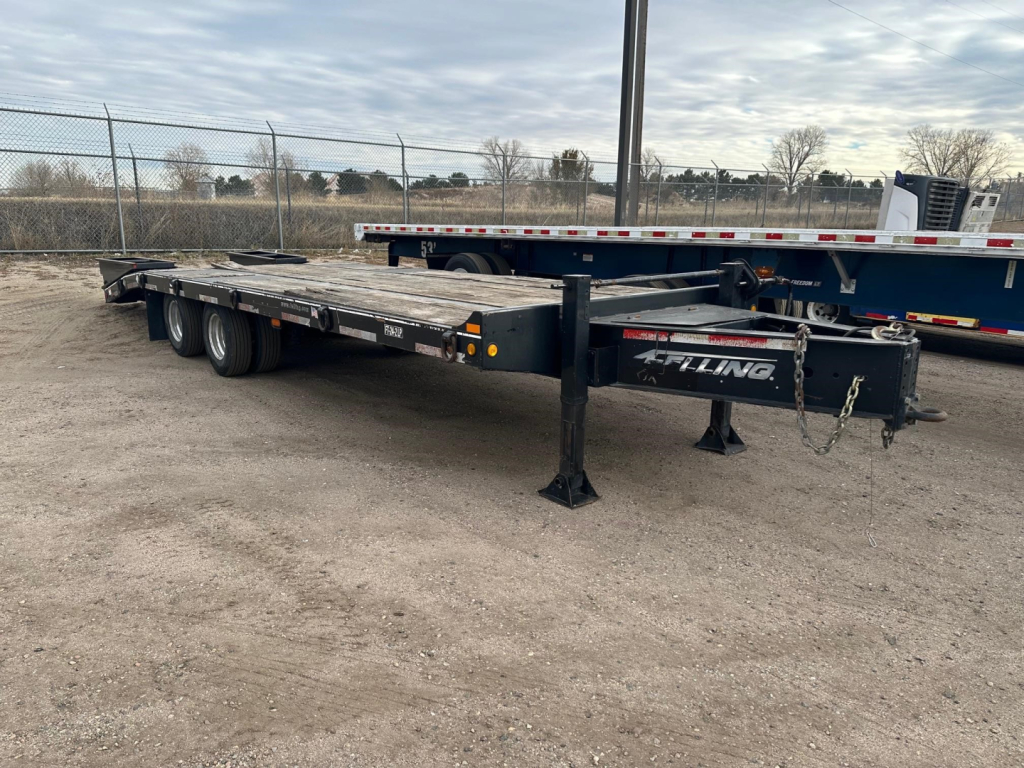
Browse Felling trailers for sale, including heavy equipment and hydraulic tail models built for durable hauling, loading efficiency, and jobsite use.
Selling a felling trailer? List your felling trailer for sale and reach thousands of commercial buyers.
Felling Trailers
One of the biggest decisions in this category is loading style. A Felling hydraulic tail trailer can speed up loading and unloading compared with ramp-equipped trailers, especially when operators are moving low-clearance machines or loading multiple times per day. Buyers should pay close attention to rated payload, deck length, overall length, axle spacing, suspension type, and deck material. Common specs in the market include tandem and tri-axle layouts, steel frames, wood-over-steel decks, air ride or spring suspension, and 102-inch wide decks. On heavier models, details like beavertail geometry, tail operation, winch setup, toolbox placement, and deck traction can have a real effect on jobsite productivity.
Used Felling trailers are often chosen by fleets that need a durable trailer without stepping into a custom build. Frame condition, crossmember integrity, hydraulic system performance, tire wear pattern, brake function, and kingpin or hitch area wear should all be inspected closely. On equipment-hauling models, look for deck damage from steel tracks, repaired tie-down points, and signs of overloading around the axles and suspension hangers. If the trailer has air ride, check ride height control, air bags, and plumbing. If it is a hydraulic tail or traveling axle design, inspect cylinders, pivot points, pins, hoses, and controls because those systems directly affect loading safety and downtime.
Felling trailers appeal to buyers who need a purpose-built trailer instead of a generic platform. The brand is commonly associated with contractor-grade construction and equipment trailers that balance payload, deck usability, and rugged build quality. Matching the trailer to the equipment mix is the key step. A fleet hauling compact loaders every day may prioritize fast loading and maneuverability, while a heavier iron application may require longer deck space, higher ton rating, closed tandem or spread axle configurations, and suspension that protects both the load and the trailer over rough regional routes.
Frequently Asked Questions about Felling Trailers
What are Felling trailers commonly used for?
Felling trailers are commonly used for hauling construction equipment, compact machinery, paving equipment, utility machines, and other commercial loads that require a durable deck and reliable loading system. Many buyers shop this brand for tag trailers, hydraulic tail trailers, tilt trailers, and other equipment-hauling designs used by contractors, municipalities, rental operations, and heavy equipment fleets.
What should I inspect on a used Felling hydraulic tail trailer?
A used Felling hydraulic tail trailer should be inspected for hydraulic cylinder condition, hose wear, leaks, pivot point play, tail alignment, deck damage, and proper operation under load. Buyers should also check brakes, tires, suspension components, frame rails, crossmembers, and tie-down points. If the trailer has air ride, inspect the air bags, valves, and lines for leaks or uneven ride height.
Are Felling trailers good for heavy equipment hauling?
Many Felling trailers are well suited for heavy equipment hauling because the brand is known for equipment-specific trailer designs with strong frames, practical deck layouts, and commercial-grade running gear. The right fit depends on the exact trailer class, axle configuration, and rated payload. Buyers should compare the trailer's GVWR, deck length, loading style, and suspension setup to the machine weights and dimensions they plan to haul.
What specs matter most when comparing Felling trailers for sale?
The most important specs usually include payload capacity, deck length, deck width, axle count, suspension type, tail or ramp design, deck material, and overall trailer condition. Buyers hauling tracked equipment should pay close attention to deck wear, crossmember strength, and securement points. Operational details like winch availability, toolbox storage, and loading angle can also make a meaningful difference in day-to-day use.