
EXA Trailers For Sale in Texas
Browse EXA trailers for sale in Texas, including drop decks, tank trailers, and dump trailers built for heavy-duty commercial hauling.
Learn more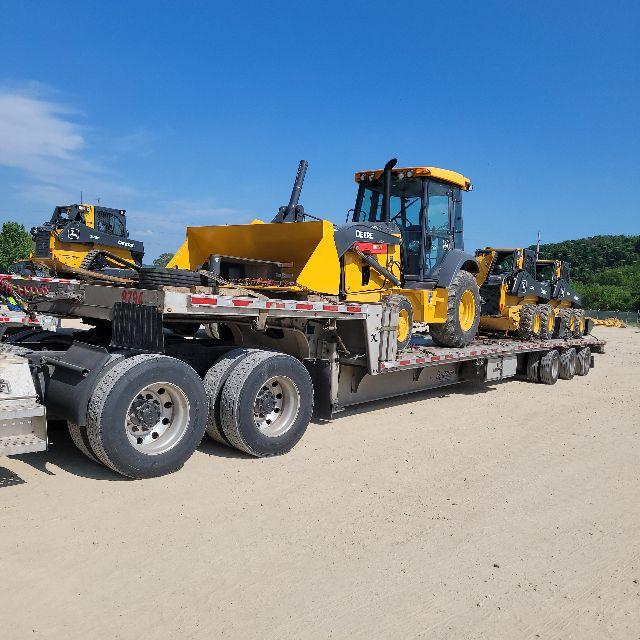
Have exa trailer to sell? List it here to reach thousands of buyers.
About EXA Trailers in Texas
On drop deck and low-profile configurations, buyers usually focus on loaded deck height, axle configuration, ramp setup, wheel size, and load securement flexibility. A 53-foot aluminum drop deck can be attractive when payload matters and corrosion resistance is a priority. Features like tire inflation systems, axle controls, load levelers, and pressure gauges can reduce downtime and make setup easier for heavy haul or specialized freight. Kingpin setting, ride height, and deck construction also matter because they affect turning clearance, bridge compliance, and compatibility with the tractor.
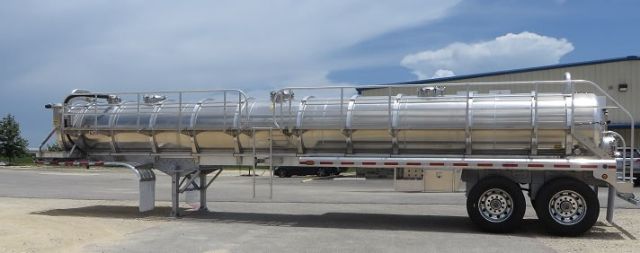
For EXA tank trailers, especially vacuum and oilfield fluid applications, the critical specs are barrel capacity, shell material, pressure rating, suspension rating, and valve layout. Aluminum construction such as 5454 alloy is common when operators want lower tare weight and strong corrosion resistance. Buyers should look closely at design pressure, relief systems, internal baffles, manway count, hose tray setup, sight glass arrangement, and rear work access. In oilfield service, details like cut-and-chip tires, full walkways with handrails, rear work lights, and a practical toolbox layout can make a noticeable difference in day-to-day use and safety.
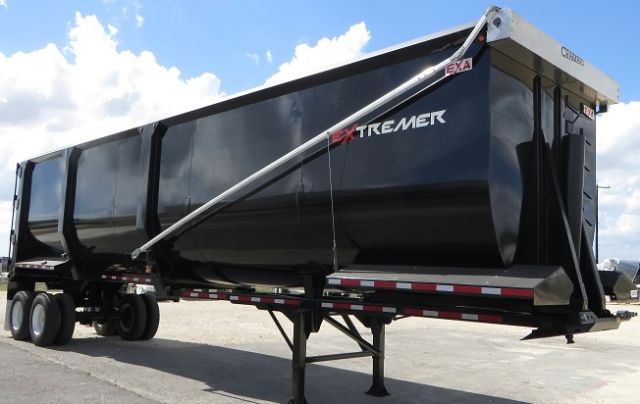
EXA dump and scrap trailers are typically evaluated on body material, cubic yard capacity, hoist design, suspension, and gate style. Frameless end dumps built with abrasion-resistant steel such as Hardox are designed for punishing debris, scrap, and demolition material, where body life and dump stability are key concerns. Buyers should verify wall thickness, dump angle, whether the trailer keeps all tires grounded in full dump position, brake size, axle ratings, and whether the gate and tarp configuration fit the material being hauled. For Texas operations, it also pays to consider corrosion exposure, local bridge and axle requirements, serviceability of parts such as brakes and suspension components, and how the trailer's empty weight affects legal payload.
Frequently Asked Questions
What types of EXA trailers are most common on the market?
EXA trailers are commonly found in specialty commercial applications such as drop deck trailers, vacuum tank trailers, and frameless end dump trailers. Each serves a different segment of the market. Drop decks are used for equipment and tall freight, vacuum tanks are built for oilfield fluids and waste handling, and end dumps are used for scrap, aggregate, demolition debris, and similar bulk materials. The right choice depends less on brand alone and more on the trailer's structure, capacity, and intended commodity.
Are EXA aluminum trailers better than steel trailers?
Neither material is universally better. Aluminum trailers usually offer lower tare weight and better corrosion resistance, which can improve payload and reduce long-term rust issues. Steel trailers generally provide high durability in severe impact and abrasion applications, especially in scrap or demolition service. For example, an aluminum drop deck or vacuum tank may make sense when payload and corrosion resistance are priorities, while a Hardox steel dump body is often the better fit for abrasive debris.
What should I check first on an EXA vacuum tank trailer?
Start with capacity, pressure rating, shell material, axle ratings, and the valve and relief setup. After that, review the condition of the barrel, weld quality, internal liner if equipped, manways, suspension, brakes, and running gear. Fluid handling trailers also need careful inspection of shutoff components, vacuum connections, sight glasses, and walkway safety equipment. A buyer should also confirm the trailer matches the intended commodity and any jobsite or regulatory requirements tied to oilfield service.
What matters most when buying an EXA drop deck trailer?
Loaded deck height, overall length, axle spacing, ramp configuration, and structural weight are usually the top considerations. Buyers hauling machinery or overheight freight should also pay attention to deck construction, wheel size, suspension type, kingpin setting, and any added systems such as tire inflation or axle controls. The goal is to balance legal height, payload, durability, and ease of loading. A lower trailer is not automatically better if it compromises ground clearance or maintenance access for the way the trailer will be used.
How do I choose between an EXA frameless end dump and another dump trailer style?
A frameless end dump is often chosen for higher payload potential and simpler body design, especially in aggregate, scrap, and demolition work. It can be a strong fit when the tractor and jobsite conditions support stable dumping. Buyers should compare cubic yard capacity, body steel grade, hoist design, suspension, and dump stability against frame-type alternatives. If the operation regularly deals with uneven ground, sticky material, or rollover risk, hoist geometry, center of gravity, and tire contact in the raised position become especially important.