
EXA Trailers For Sale
Shop EXA trailers including drop decks, dump trailers, and tank trailers built for heavy haul, scrap, demolition, and oilfield work.
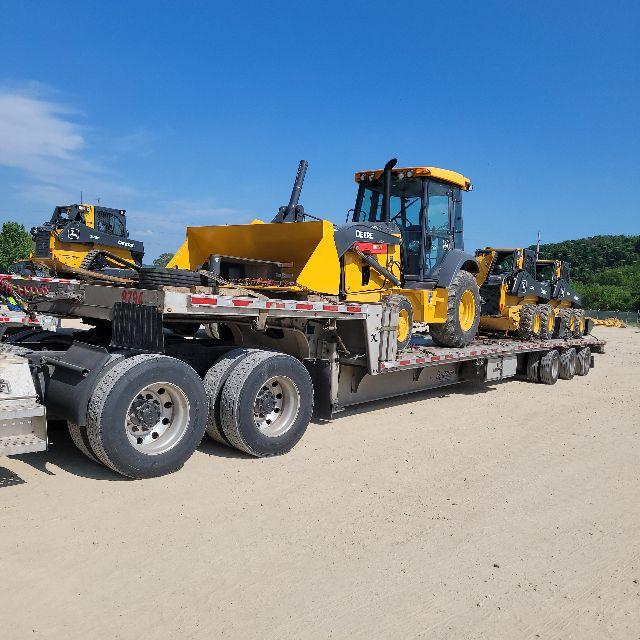
Selling a exa trailer? List your exa trailer for sale and reach thousands of commercial buyers.
EXA Trailers
On the drop deck side, EXA low-profile designs are built for freight that needs deck height and load flexibility more than a standard flatbed can offer. Common features in this segment include aluminum construction to reduce tare weight, 53-foot overall length, 17.5-inch wheel packages for lower loaded height, axle control systems, tire inflation systems, and load leveling features. Buyers hauling machinery, steel, equipment, or taller legal loads should pay close attention to loaded deck height, ramp setup, concentrated load rating, and suspension behavior under uneven weight distribution. A lightweight aluminum trailer can increase payload, but the tradeoff should always be measured against the type of freight, point loading, and the roads the trailer sees every week.
EXA dump trailers are often found in scrap and demolition configurations, including frameless end dumps with high-volume bodies and abrasion-resistant steel such as Hardox. In this class, capacity and material specs matter more than appearance. Look at cubic yard rating, side wall height, body thickness, gate design, dump angle, hoist style, and suspension type. A trailer built for scrap, C&D debris, or other harsh commodities needs strong internal bracing, durable floor and wall material, dependable rear gate hardware, and a suspension that stays stable through repeated dump cycles. Axle ratings in the 30,000-pound range, heavy brake packages, oscillating trunnion or single-point suspensions, and quality wheel-end components are all signs of a trailer intended for hard vocational use.
EXA tank trailers in the vacuum and oilfield segment are geared toward fluid handling, not general tanker service. Aluminum vacuum tanks in the 150-barrel class typically focus on lower empty weight, corrosion resistance, and practical field serviceability. Buyers should verify design pressure, shell and bulkhead thickness, baffling, valve layout, relief systems, outlet configuration, kingpin setting, and hose or toolbox provisions. Suspension choice, axle spread, brake system, and frame construction all affect how the trailer performs on lease roads and under shifting liquid loads. For any EXA trailer, the best buying decision comes from matching the trailer's build to the commodity, route conditions, loading method, and maintenance environment rather than shopping on length or price alone.
Frequently Asked Questions about EXA Trailers
What types of trailers does EXA commonly build?
EXA is commonly associated with vocational and specialized trailer categories such as drop deck trailers, frameless end dump trailers, and vacuum tank trailers. These trailers are typically designed for heavy-duty work in construction, scrap, demolition, heavy haul, and oilfield service. The exact build can vary widely by application, so buyers should compare specs within the specific trailer category rather than assuming one EXA trailer is similar to another.
What should I look for in an EXA drop deck trailer?
Focus on deck height, overall trailer weight, axle configuration, wheel size, and structural design. Many low-profile drop decks use 17.5-inch wheels and aluminum construction to maximize legal load height and payload. Tire inflation systems, axle control, ramp mounts, and load leveling features can also matter if the trailer handles machinery or unevenly distributed freight. The important question is how the trailer's deck design and weight rating match the freight you haul every day.
Are EXA dump trailers suitable for scrap and demolition work?
Many EXA end dump configurations are built specifically for scrap, demolition debris, and other abrasive materials. Buyers should look for Hardox or similar wear-resistant steel, strong top rails, reinforced bracing, heavy-duty hoists, and stable suspension designs. Gate style, dump angle, axle rating, and brake package are also critical because scrap and demolition service puts high stress on the body, rear structure, and running gear during loading and unloading.
What matters most when buying an EXA vacuum tank trailer?
The key considerations are tank capacity, design pressure, tank material, internal baffling, valve and outlet layout, and the type of fluids being hauled. Aluminum vacuum tanks are often chosen for lower tare weight and corrosion resistance, while chassis strength, suspension, axle spread, and brake system affect field durability and road performance. Buyers should also confirm relief devices, shutoff arrangement, walkway and ladder access, and whether the trailer is set up for the pumps, hoses, and operating practices used in their oilfield or fluid service work.
How do I compare EXA trailers against other vocational trailer brands?
Start with the work cycle, not the badge. Compare empty weight, body or tank material, structural thickness, suspension type, axle and brake ratings, kingpin setting, wheel-end components, and serviceability. For dumps, compare hoist design and body wear resistance. For drop decks, compare loaded deck height and concentrated load capability. For tank trailers, compare pressure rating, shell construction, and valve package. A trailer that is properly spec'd for your commodity and route will usually outperform a cheaper trailer with mismatched components.