
New 2026 Eager Beaver Trailers For Sale in Pennsylvania
Shop new 2026 Eager Beaver trailers for sale, including lowboy and tag equipment trailers built for hauling construction and heavy equipment.
Learn more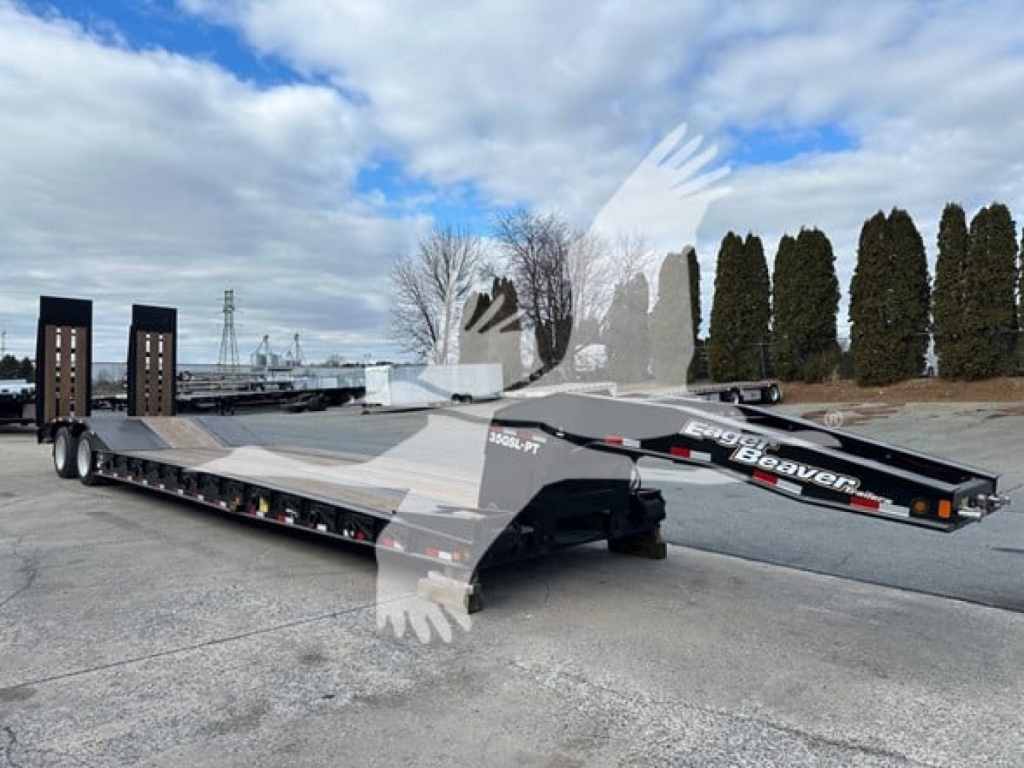
Showing 1 to 12 of 13 results
Have new 2026 eager beaver trailer to sell? List it here to reach thousands of buyers.
About New 2026 Eager Beaver Trailers in Pennsylvania
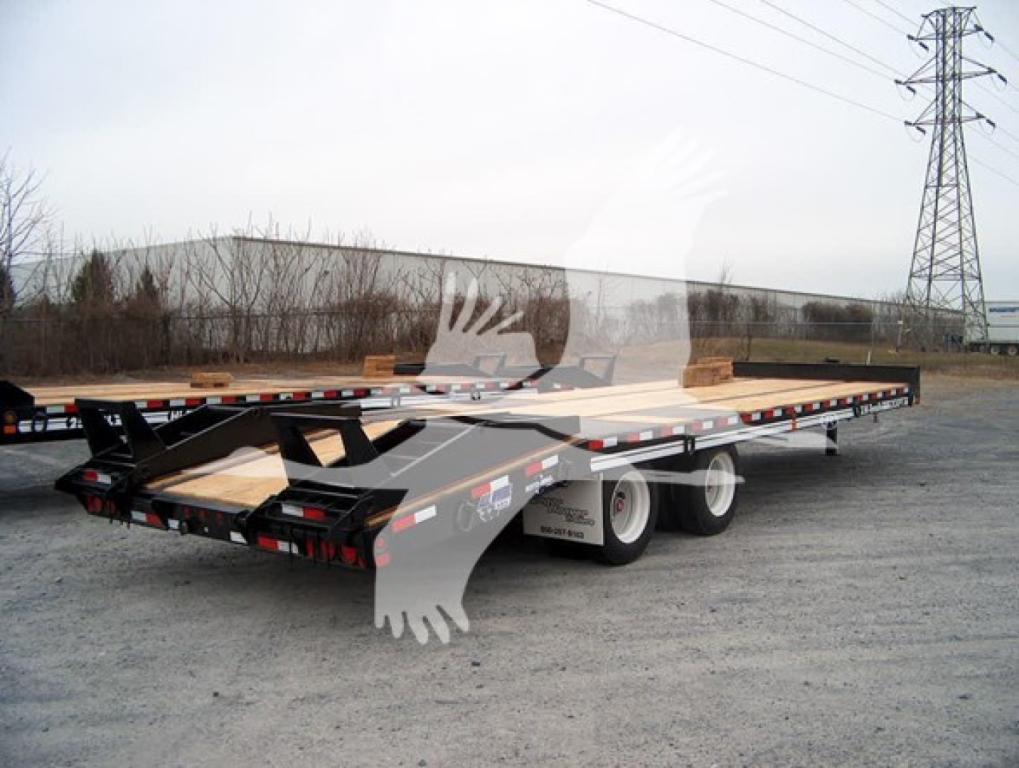
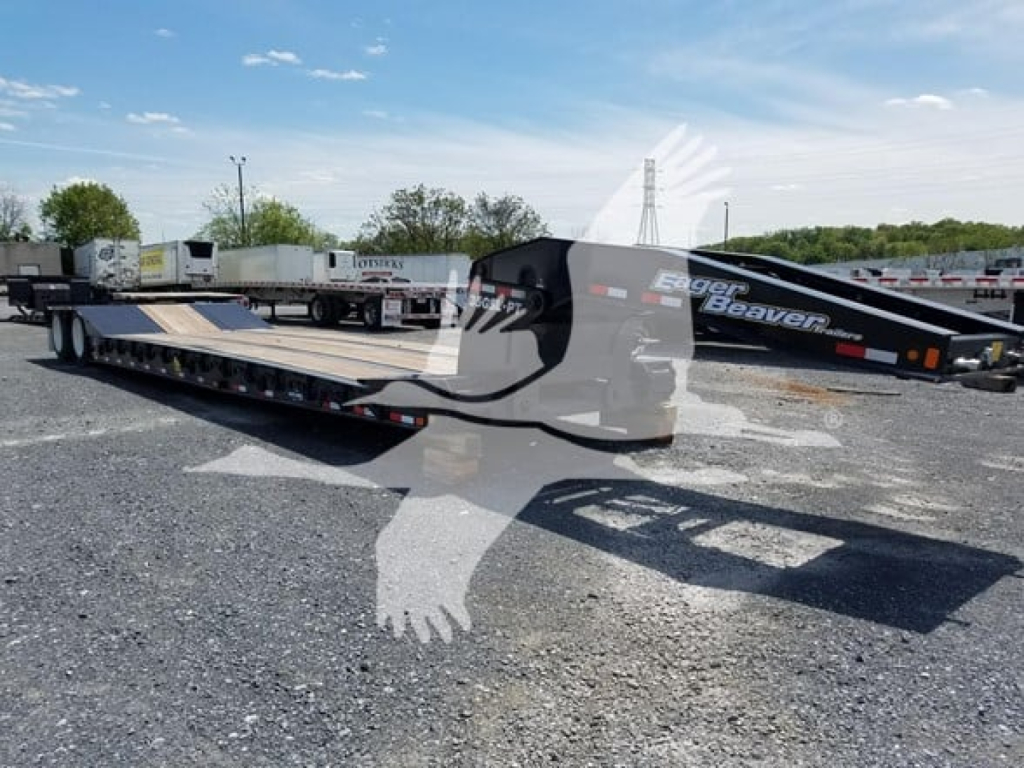
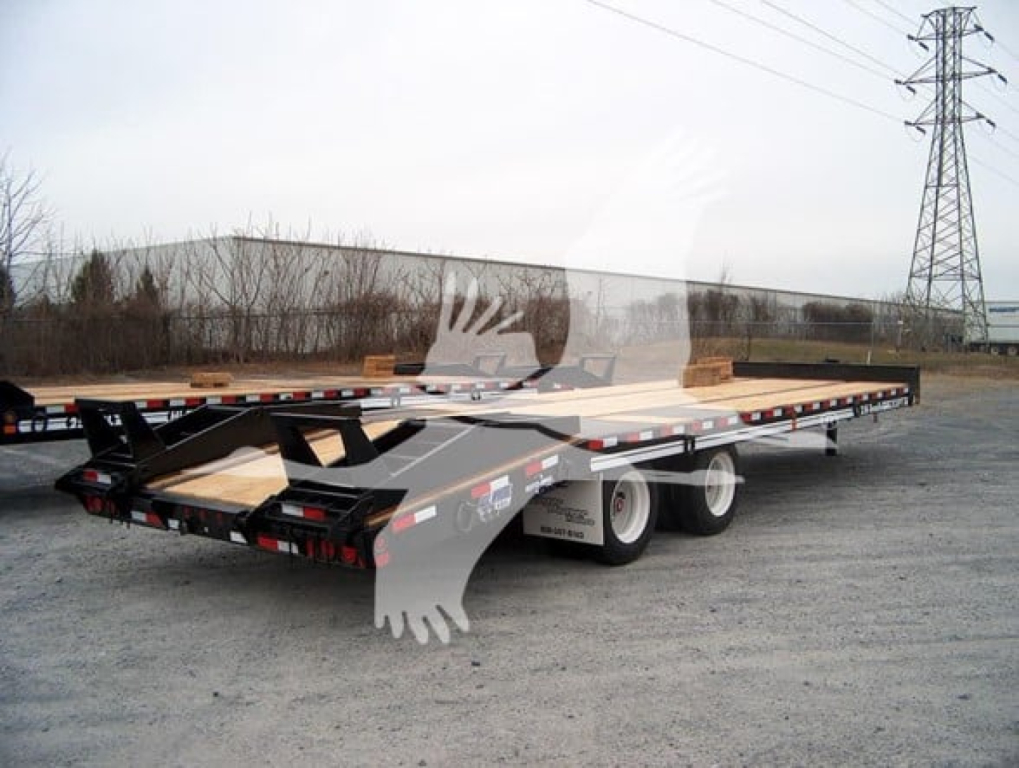
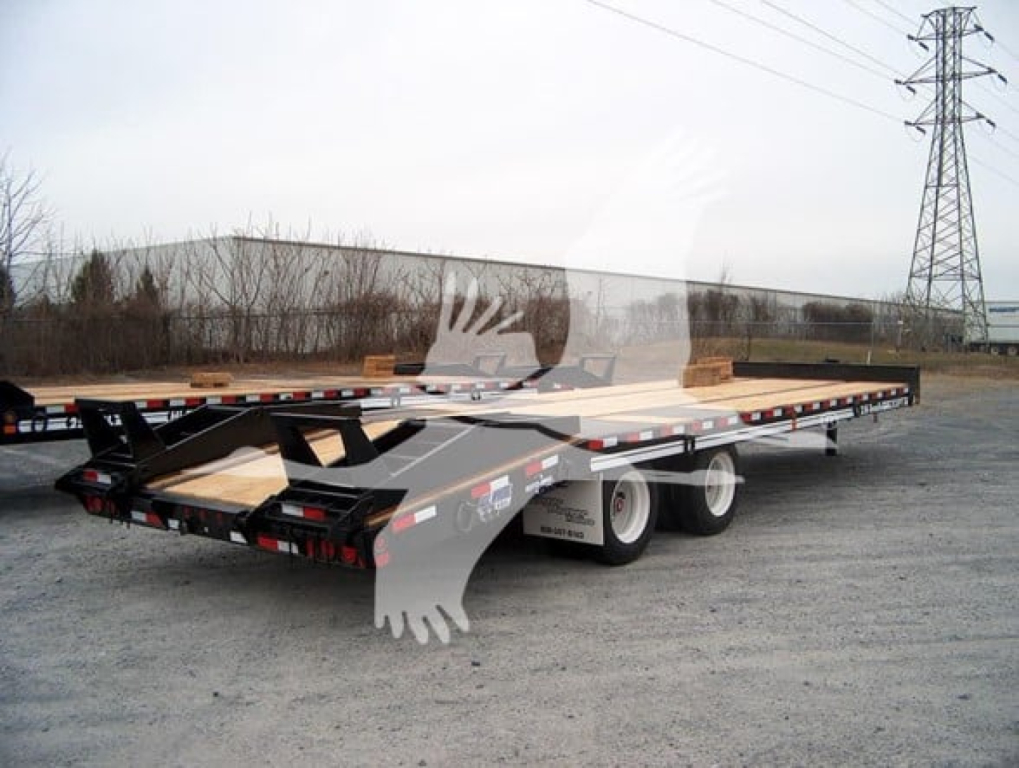
A buyer comparing new Eager Beaver trailers should start with trailer style and loading method. Hydraulic detachable lowboys are the go-to choice for taller machines and heavier payloads because the detachable neck and low loaded deck height improve loading and keep overall height manageable. Common configurations include 35 ton and 50 ton classes, often with 24-foot main decks, 102-inch width, air ride suspension, 15-inch kingpin settings, and 24-inch loaded deck heights. Features such as non-ground bearing hydraulic goosenecks, 24-inch outriggers, Ridewell or Cush suspensions, dump valves, raise-and-lower controls, Apitong flooring, mesh centers, and ROTO-style D-rings are all worth close attention because they directly affect loading flexibility, deck service life, and securement options.
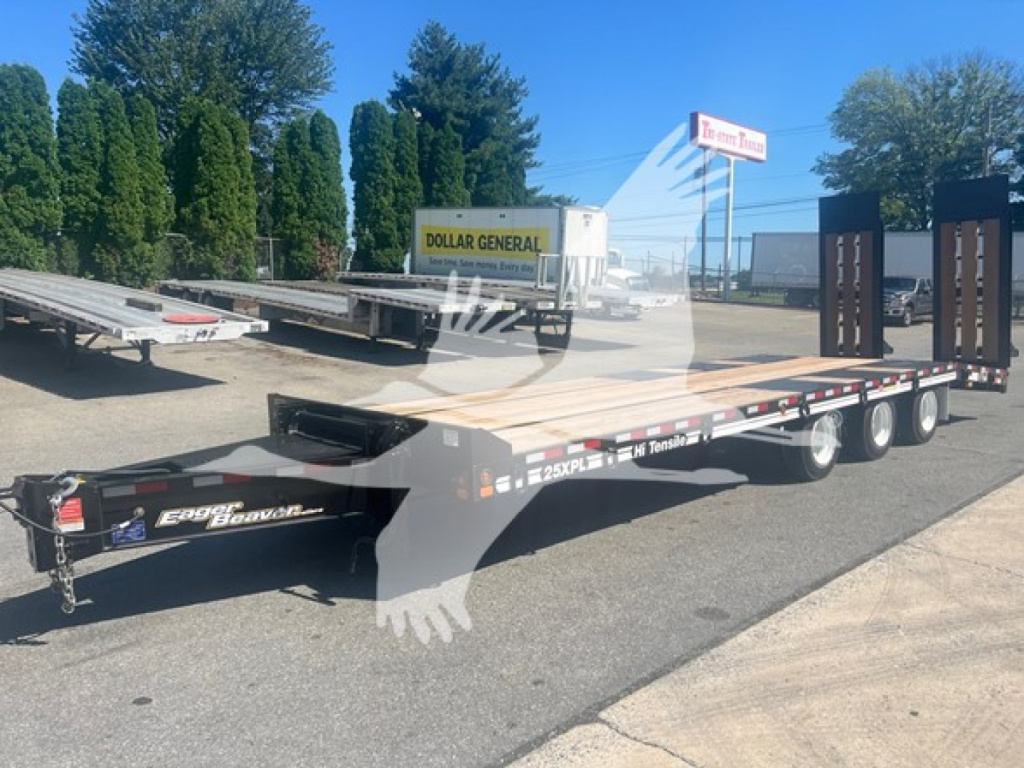
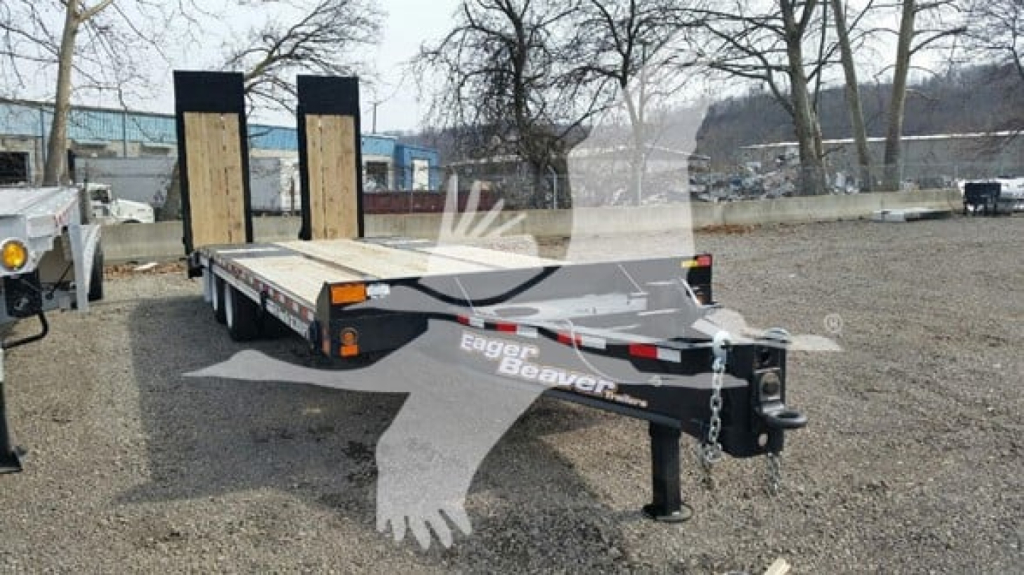
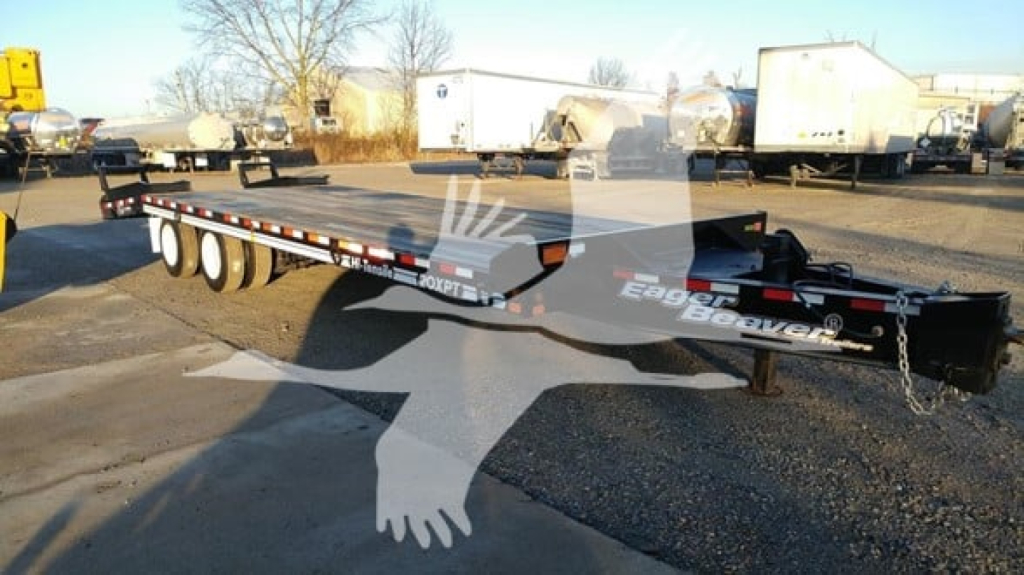
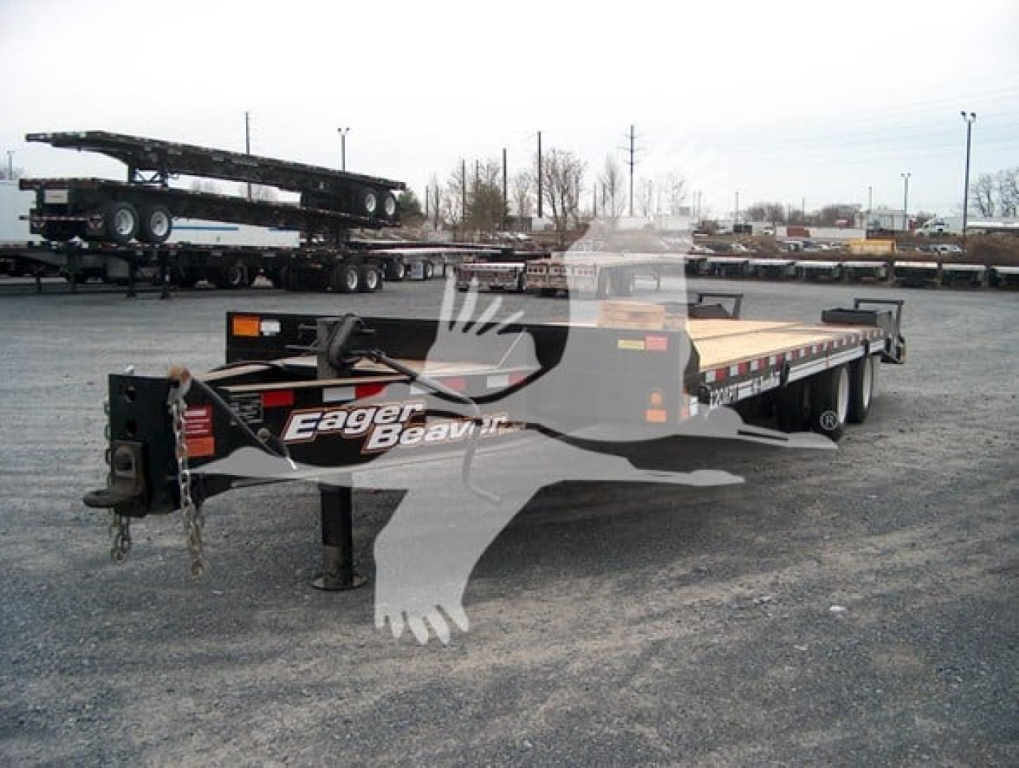
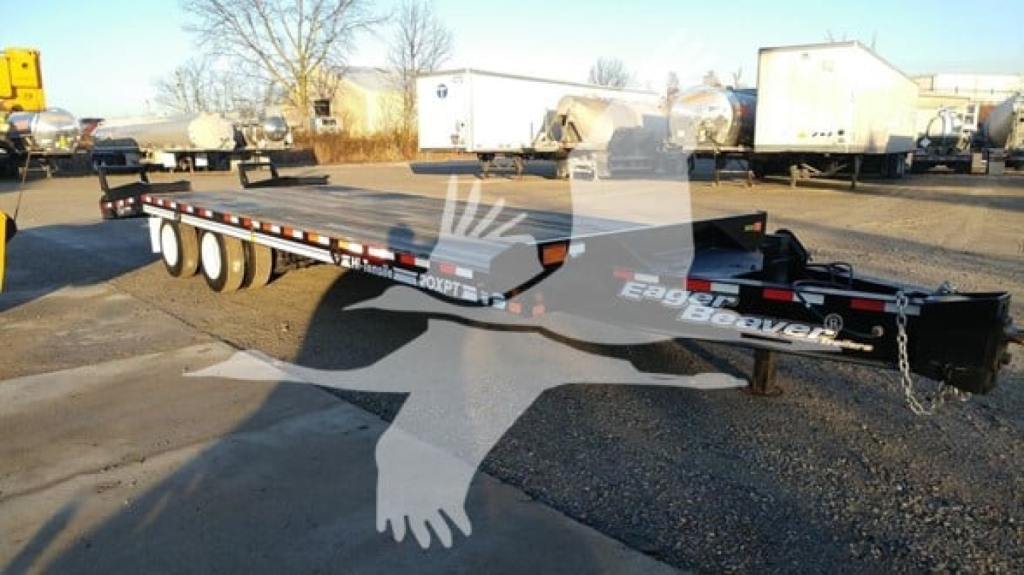
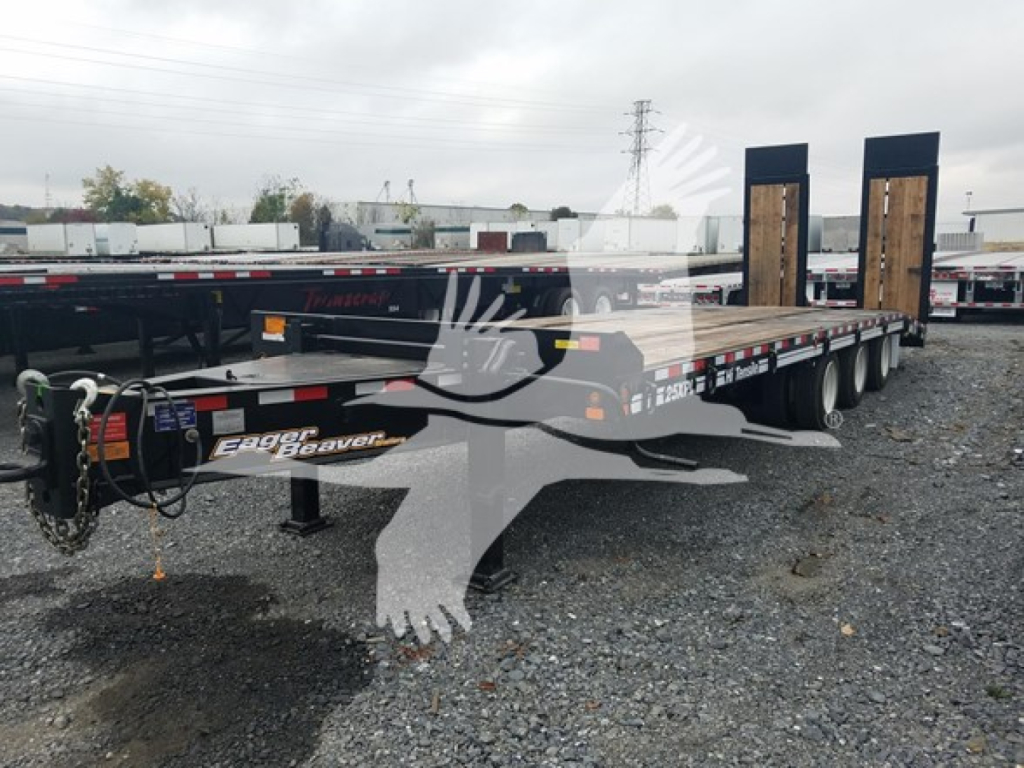
For contractors moving skid steers, rollers, pavers, or mid-size iron behind a tandem or tri-axle truck, Eager Beaver tag trailers and pintle equipment trailers are a practical alternative to a detachable lowboy. These trailers often use spring ride suspensions, adjustable pintle heights, beavertails, and wood-filled ramps to simplify loading in the field. Capacity, ramp rating, deck length, beavertail angle, tire size, ABS configuration, and brake setup should all be matched to the equipment being hauled and the truck doing the pulling. If the work involves frequent asphalt and paving moves, a paver-configured trailer with the right rear deck and slope setup can save time on every load cycle.
Pennsylvania buyers should also pay attention to axle count, bridge considerations, loaded deck height, and any add-on components such as flip axles when comparing new 2026 models. A lower deck can be the difference between hauling legally and chasing permit issues on taller machines. Outrigger spacing, crossmember centers, side rail design, and concentrated load capacity matter if the trailer will carry steel-tracked equipment or loads with high point loading. New Eager Beaver trailers are typically spec'd for hard daily use, so the best choice usually comes down to matching ton rating, neck style, suspension, and deck layout to the exact machines on the schedule.
Frequently Asked Questions
What is the difference between an Eager Beaver lowboy and an Eager Beaver tag trailer?
An Eager Beaver lowboy uses a very low deck and is often equipped with a hydraulic detachable gooseneck, making it better suited for heavier and taller machines that need to stay within legal height limits. A tag trailer, also called an equipment trailer or pintle trailer, typically has a higher deck and loads from the rear using ramps and a beavertail. Lowboys are usually the better fit for excavators, dozers, and larger paving equipment, while tag trailers are commonly used for skid steers, rollers, and mid-size construction equipment.
What capacity should I choose in a new Eager Beaver trailer?
Capacity should be based on the heaviest machine you plan to haul, plus attachments, fuel, and any jobsite accessories that stay on the trailer during transport. A 20 ton equipment trailer may cover many compact and mid-size machines, while 35 ton and 50 ton lowboys are common for heavier iron and more demanding jobsite moves. It is important to look beyond the advertised ton rating and review axle configuration, deck length, concentrated load design, and whether the trailer is intended for legal hauling or permit loads.
Why does loaded deck height matter on a lowboy trailer?
Loaded deck height directly affects overall transport height, which is critical when moving excavators, pavers, and other tall equipment. A lower deck gives more room under bridges and overhead obstructions and can reduce the need for permits or alternate routing. On a heavy-haul trailer, even a small change in loaded deck height can make a major difference in day-to-day usability, especially in states and regions with tighter route constraints.
Are hydraulic detachable goosenecks worth it on a new Eager Beaver trailer?
For many heavy-equipment operations, a hydraulic detachable gooseneck is worth the added cost because it speeds up loading, improves safety, and makes it easier to load machines that are difficult to back onto ramps. This setup is especially useful for tracked equipment, pavers, and other machines with limited ground clearance or long wheelbases. It also helps when frequent loading and unloading is part of the work cycle, since the trailer can be configured for faster turnarounds than a fixed-neck or simple ramp trailer.
What specs should I focus on when comparing new 2026 Eager Beaver trailers for sale?
The key specs are ton rating, deck length, loaded deck height, axle count, suspension type, neck design, ramp or beavertail configuration, and floor material. Buyers should also review kingpin setting, axle spacing, tire size, securement points, outrigger layout, and crossmember spacing, because these details affect legal compliance, load balance, durability, and ease of operation. The right trailer is the one that matches the dimensions and weight distribution of the equipment you haul most often, not just the highest capacity on paper.