
New 2027 Dura Haul Trailers For Sale
Shop new 2027 Dura Haul trailers including drop deck and dump models. Compare specs, axle setups, deck lengths, and hauling applications.
Learn more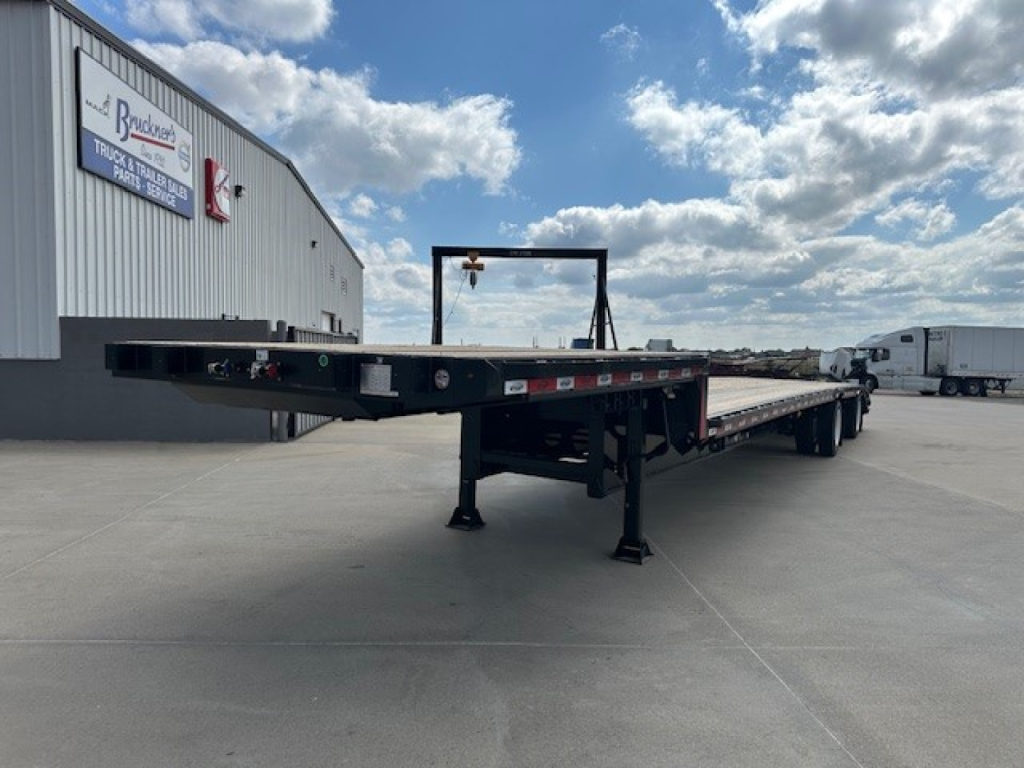
Showing 13 to 22 of 22 results
Have new 2027 dura haul trailer to sell? List it here to reach thousands of buyers.
About New 2027 Dura Haul Trailers
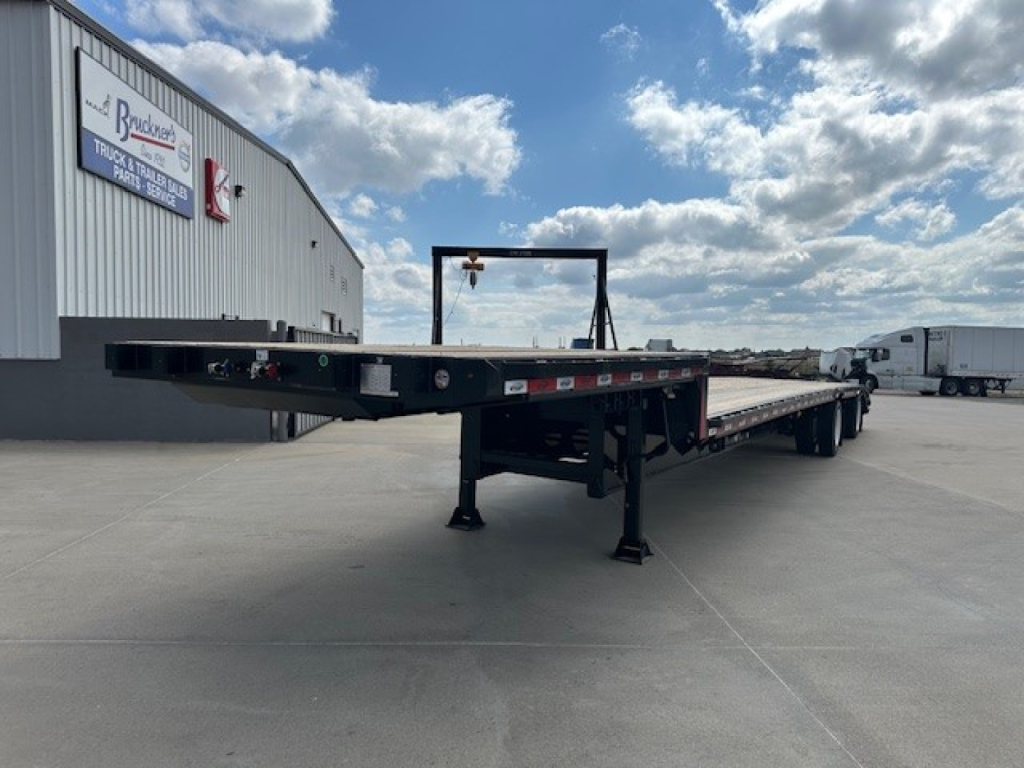
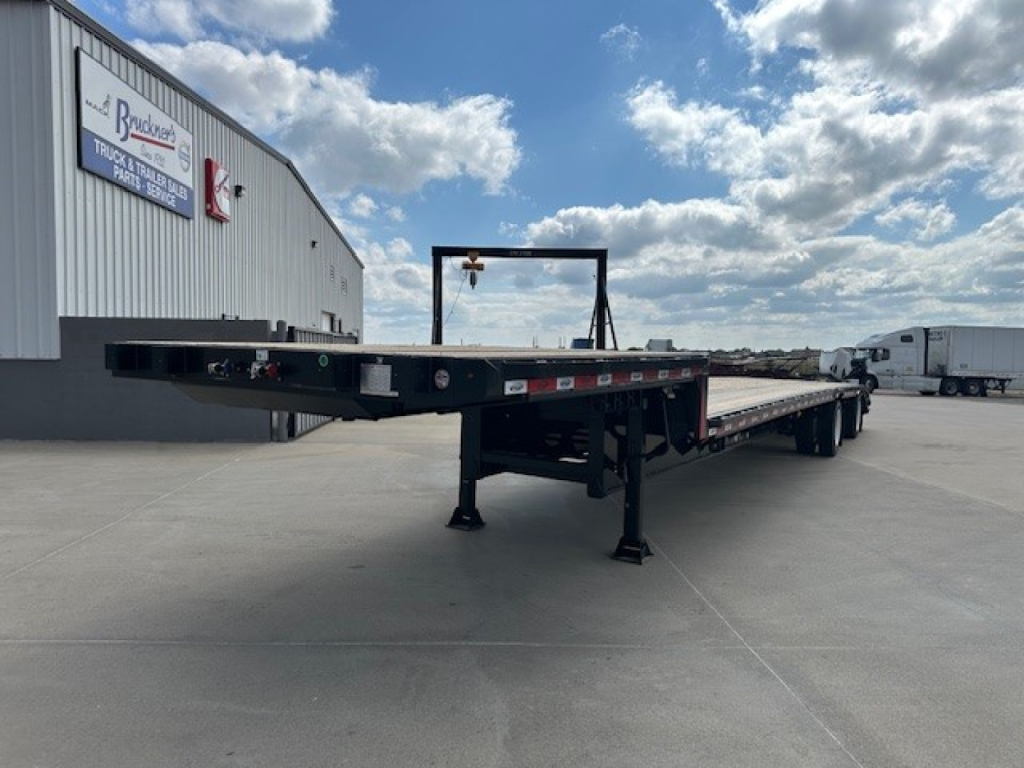
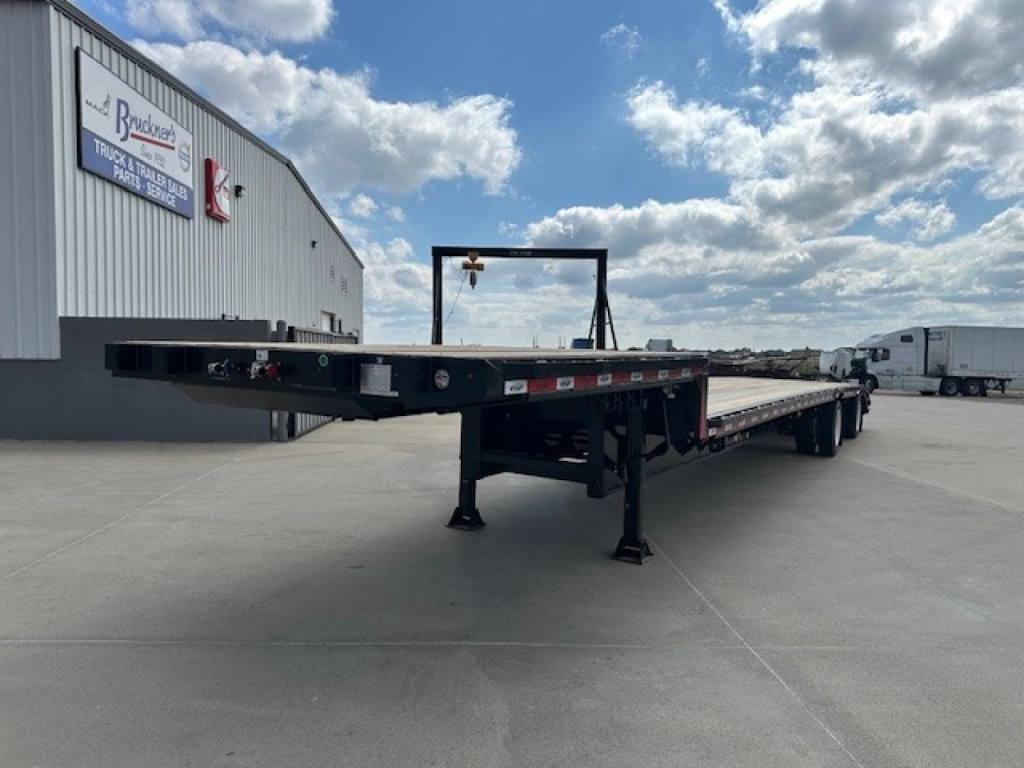
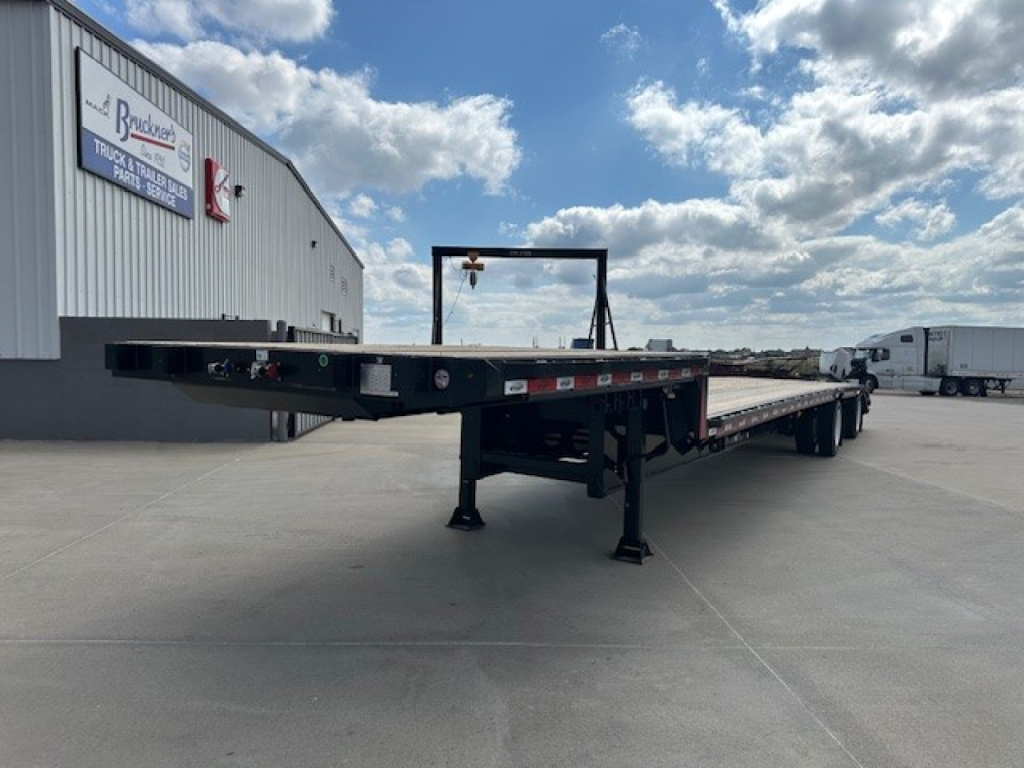
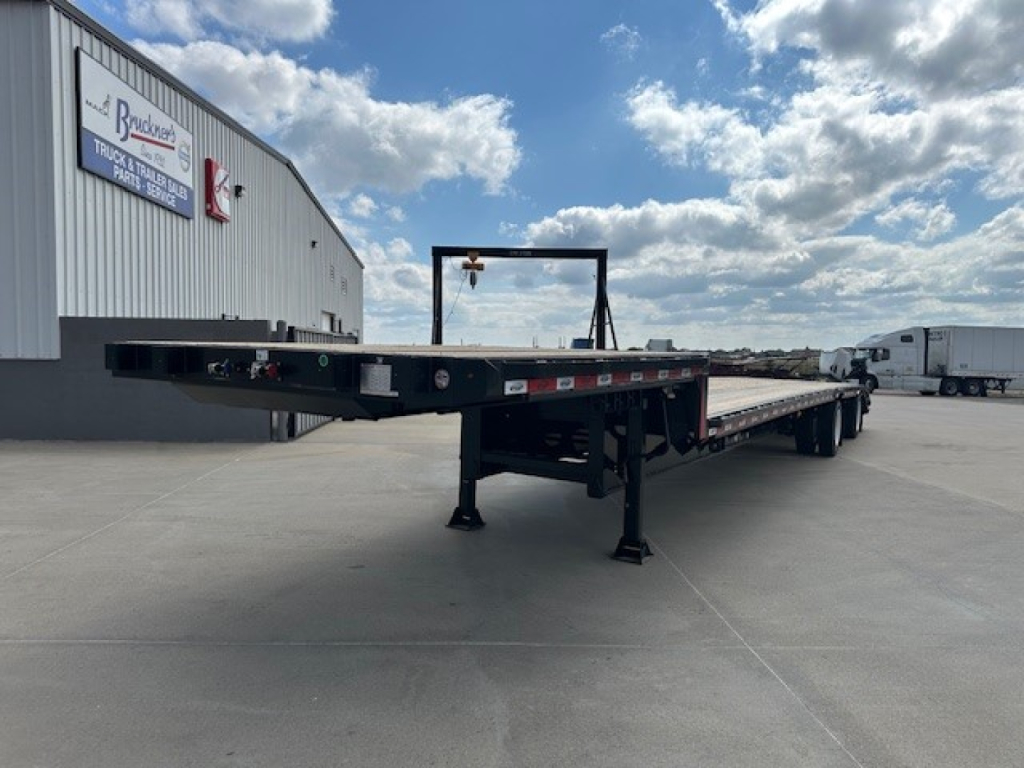
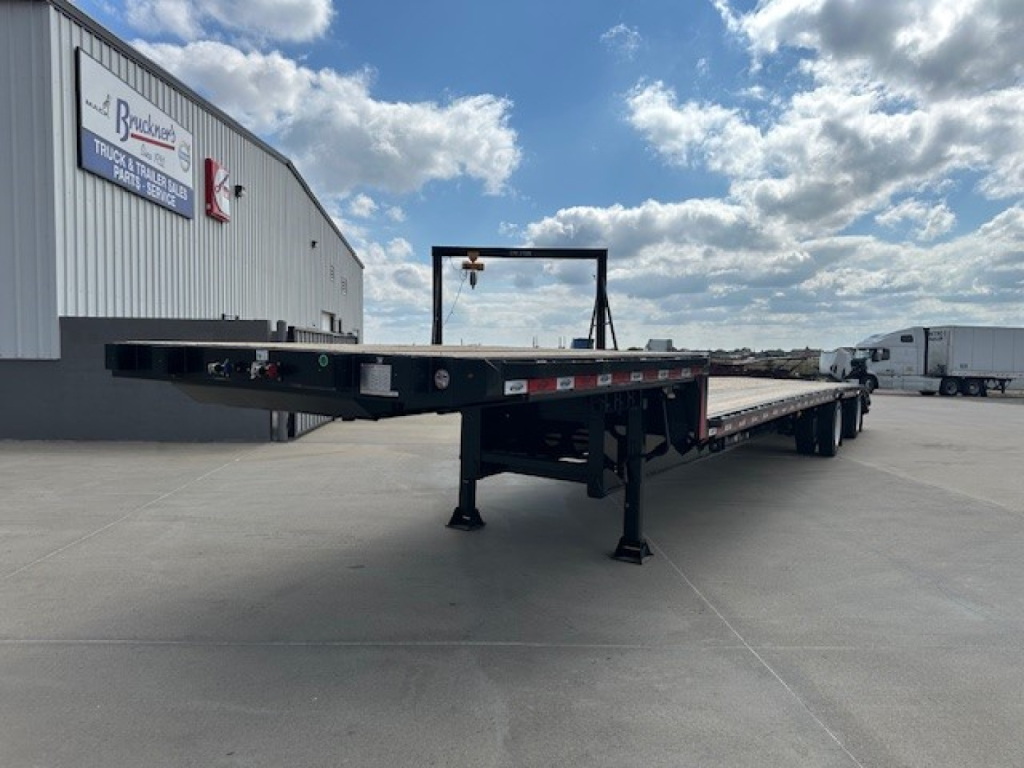
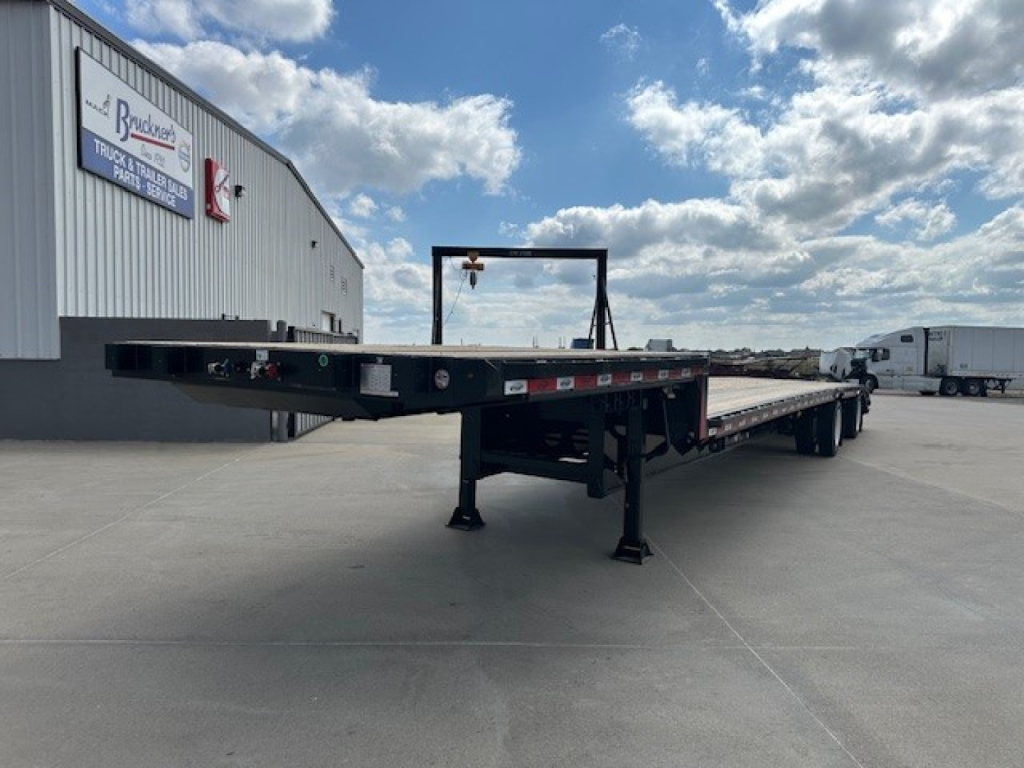
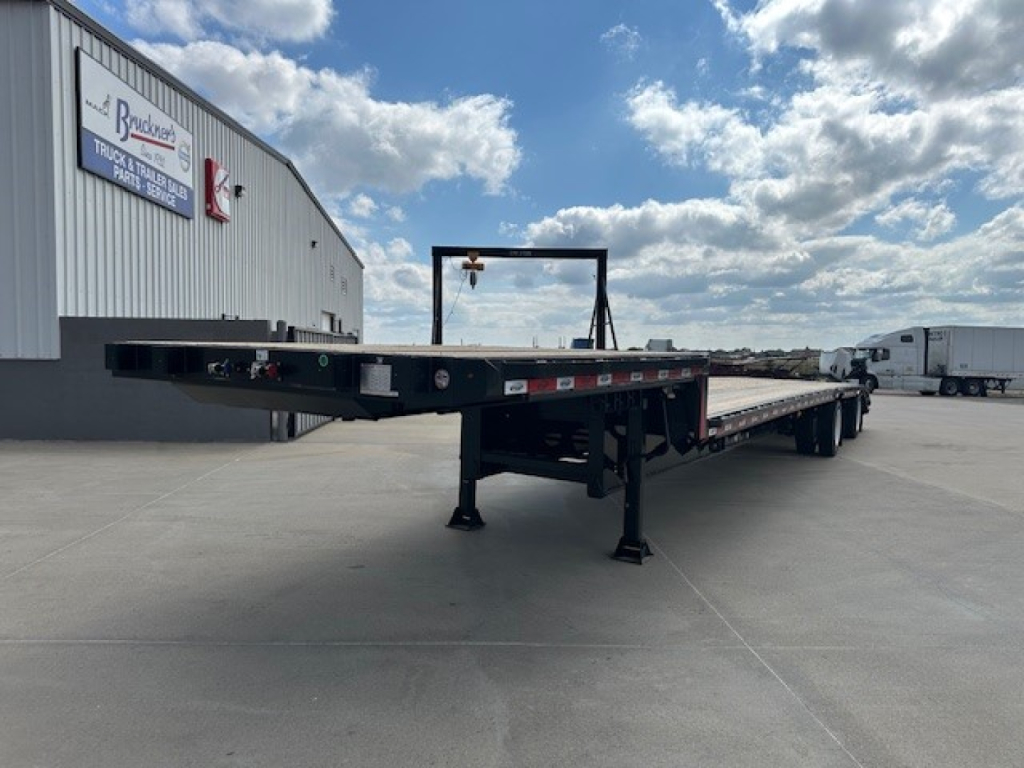
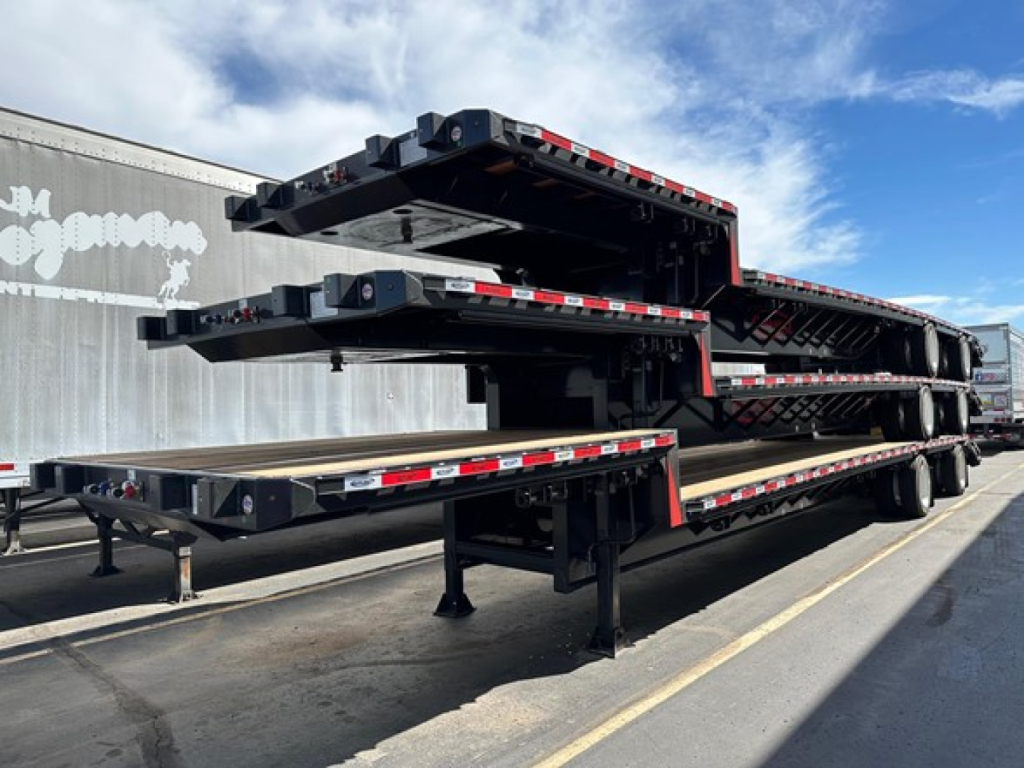
On Dura Haul drop deck trailers, dimensions and deck configuration are the specs that drive buying decisions. Common setups include 48-foot and 53-foot lengths, 102-inch width, upper decks around 10 feet 5 inches to 10 feet 6 inches, and lower decks in the high-30-foot to low-40-foot range. Buyers hauling taller equipment often look closely at loaded deck height, drop depth, kingpin setting, and axle spread because those numbers affect bridge compliance, maneuverability, and legal height. Features such as apitong decking, 4-inch crossmembers on 12-inch centers, stake pockets, pipe spools, and sliding winches point to a trailer meant for regular securement work. Beaver tail configurations with flip ramps are especially useful for self-propelled equipment, reducing load angle and making it easier to handle machines with low ground clearance.
For dump applications, Dura Haul bottom dump trailers are generally aimed at bulk material work where fast discharge and controlled spread are critical. A lightweight bottom dump can be a strong fit for paving support, aggregate hauling, and agricultural or site-development operations. Spec details that matter here include hopper design, gate controls, tarp system, windrow control, push block, suspension type, and tire size. Features like electric flip tarps, gate limiters, Foreman-style controls, and windrow deflectors are not cosmetic options. They directly affect cycle time, material placement, and operator control on the jobsite. Closed tandem and air ride setups are also worth evaluating based on local road conditions, desired ride quality, and maintenance preferences.
When comparing new 2027 Dura Haul trailers, focus less on brand-new paint and more on how the trailer is spec'd for your freight, route, and loading method. On a drop deck, that means deck length, ramp or beaver tail design, crossmember spacing, securement layout, and axle arrangement. On a dump, it means discharge control, body capacity, tarp operation, and how the suspension matches your haul roads. Tire sizes such as 255/70R22.5 or 11R24.5, fixed spread versus closed tandem layouts, and details like dump valves or liquid-filled scales all have real operating impact. The right Dura Haul trailer is the one that matches your commodity, loading equipment, bridge laws, and maintenance program without forcing compromises every day.
Frequently Asked Questions
What are the most common applications for new Dura Haul trailers?
Dura Haul trailers are commonly used in construction, equipment transport, aggregate hauling, paving support, crane support, and general commercial hauling. Their drop deck models are often chosen for machinery, building materials, and taller freight that needs lower deck height, while bottom dump models are better suited for sand, gravel, road base, and other bulk materials that need fast, controlled unloading.
What should I look at first on a Dura Haul drop deck trailer?
Start with the deck dimensions and axle layout. Upper deck length, lower deck length, deck height, kingpin setting, and whether the trailer has a fixed spread or closed tandem will determine how the trailer handles your freight and how it fits bridge and state weight requirements. After that, review crossmember spacing, decking material, winch track setup, stake pockets, pipe spools, and whether a beaver tail with ramps is necessary for your loading method.
Is a steel Dura Haul trailer a good choice compared with a lighter design?
A steel trailer is often the right choice when durability, repairability, and resistance to jobsite abuse are higher priorities than maximizing payload. Steel drop decks are popular in construction and equipment hauling because they hold up well under concentrated loads and repeated loading cycles. The tradeoff is tare weight, so buyers hauling weight-sensitive freight should compare payload goals against the durability benefits of a steel build.
What features matter most on a Dura Haul bottom dump trailer?
The key features are hopper configuration, gate control system, tarp setup, suspension, and any options that improve material placement. Gate limiters, electric flip tarps, windrow deflectors, and reliable controls help the operator manage flow rate and spread pattern more accurately. Tire size, push block, fenders, and tandem configuration also matter because they affect durability, compatibility with your fleet, and how the trailer performs on mixed highway and jobsite routes.
How do I choose between a fixed spread and a closed tandem trailer setup?
A fixed spread axle setup can improve weight distribution and may help with bridge compliance in certain operations, but it can also change turning characteristics and tire scrub. A closed tandem is often simpler in tighter areas and may better match fleets that prioritize maneuverability and a more conventional trailer layout. The best choice depends on the states you run, your commodity weight, and how often you operate in confined loading or delivery sites.