
2026 Dura Haul Trailers For Sale
Shop 2026 Dura Haul trailers including drop deck, expandable, and dump models with specs for hauling equipment, aggregates, and freight.
Selling a 2026 dura haul trailer? List your 2026 dura haul trailer for sale and reach thousands of commercial buyers.
2026 Dura Haul Trailers
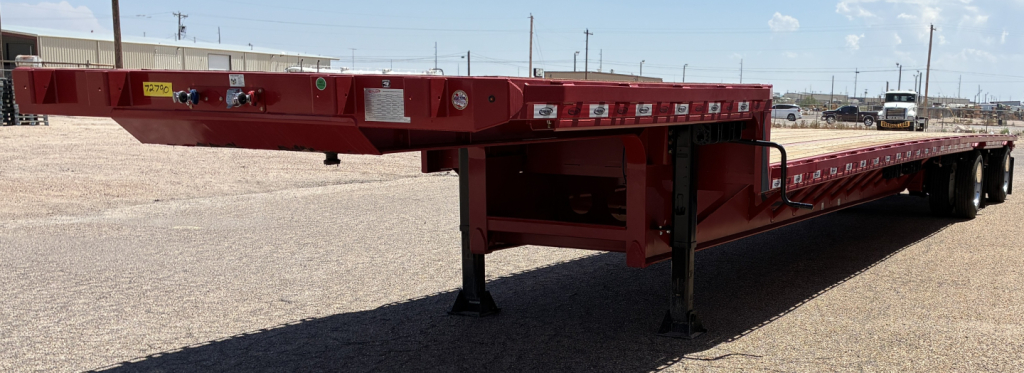
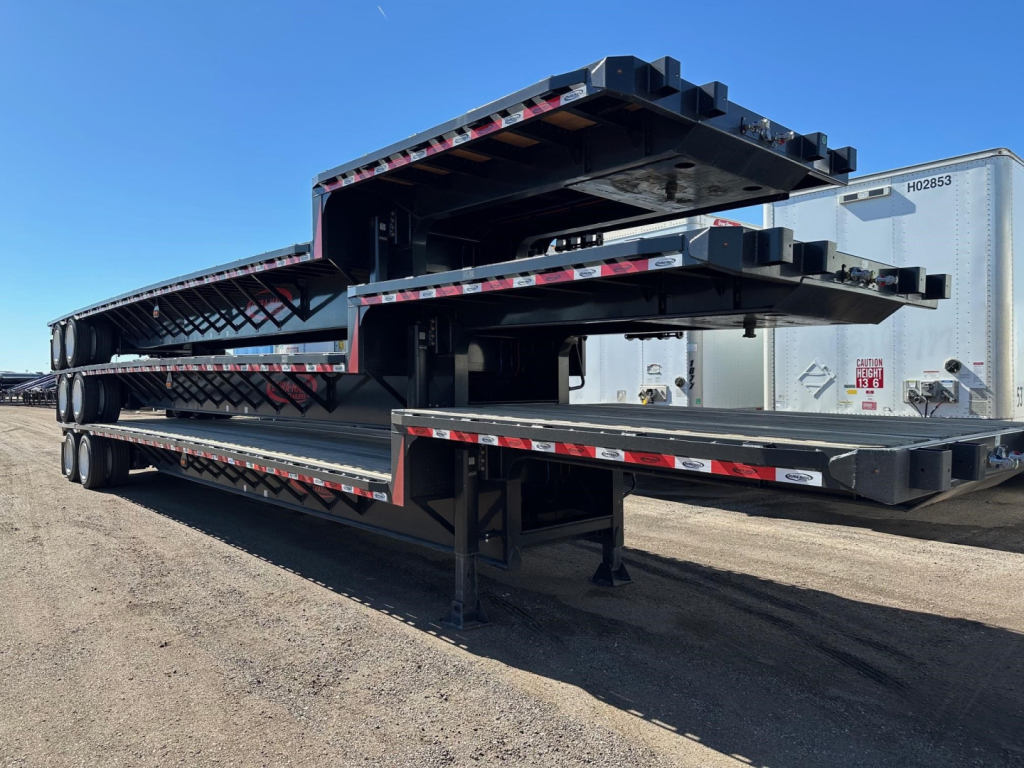
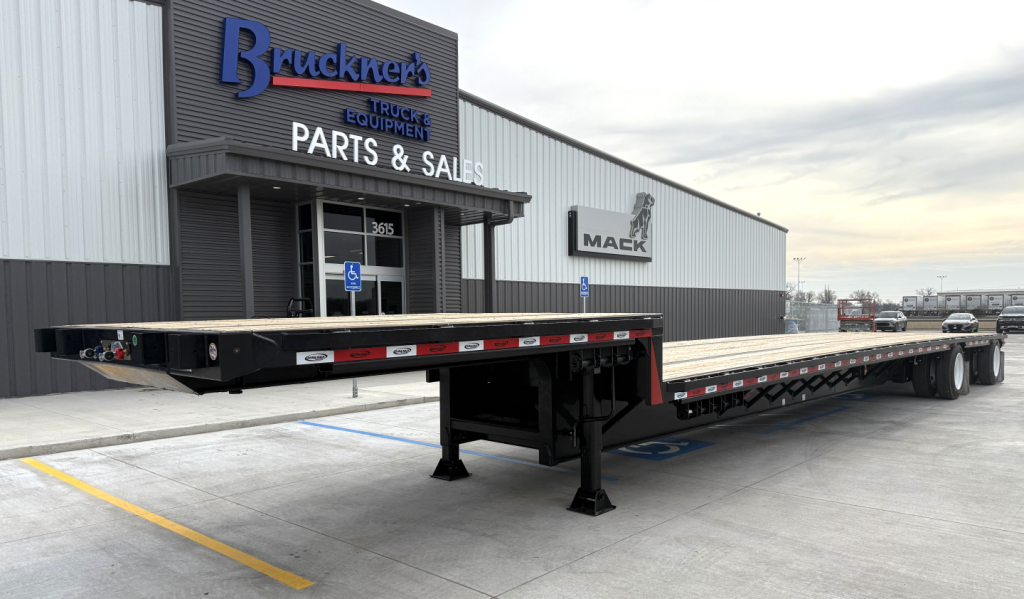
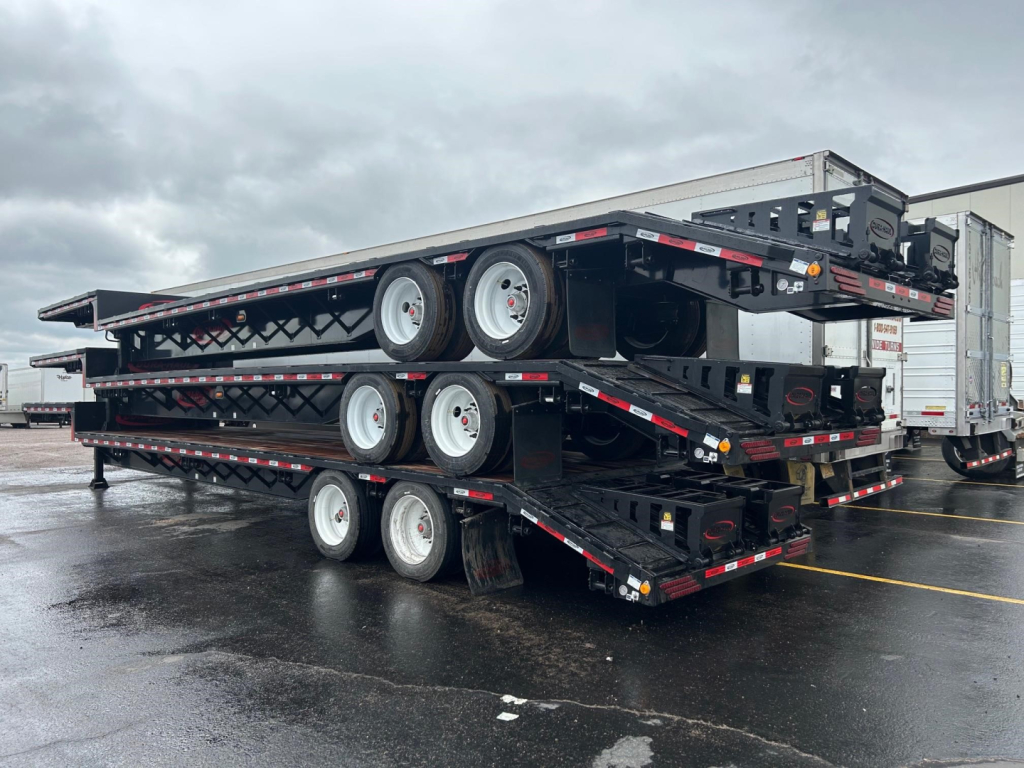
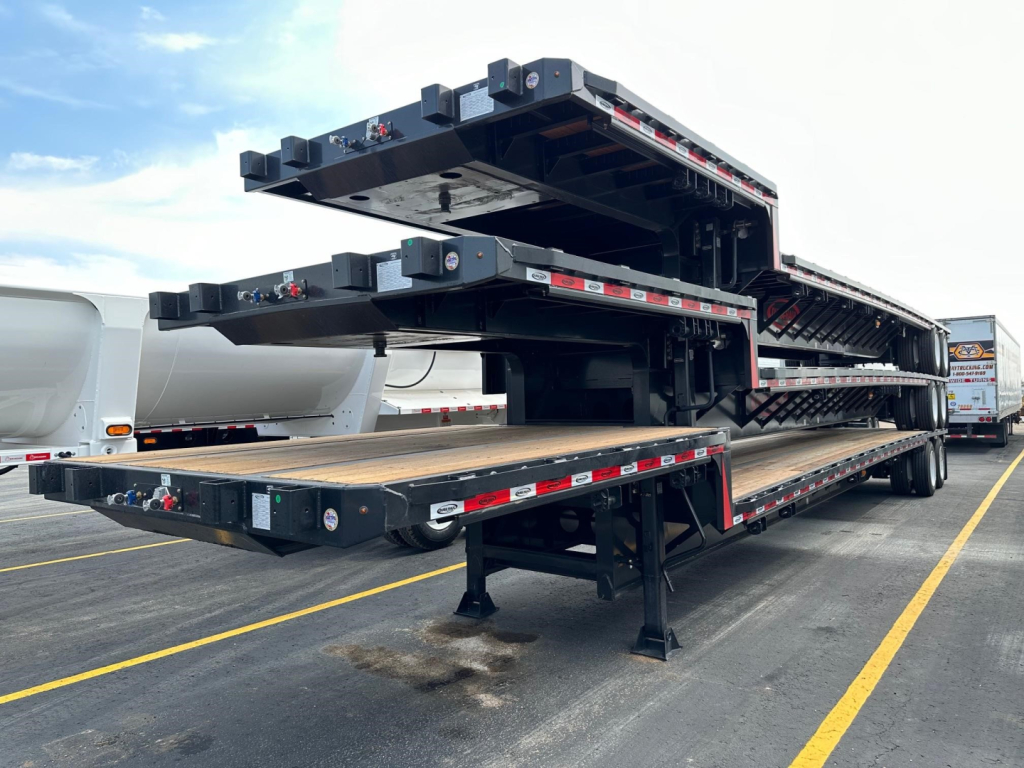
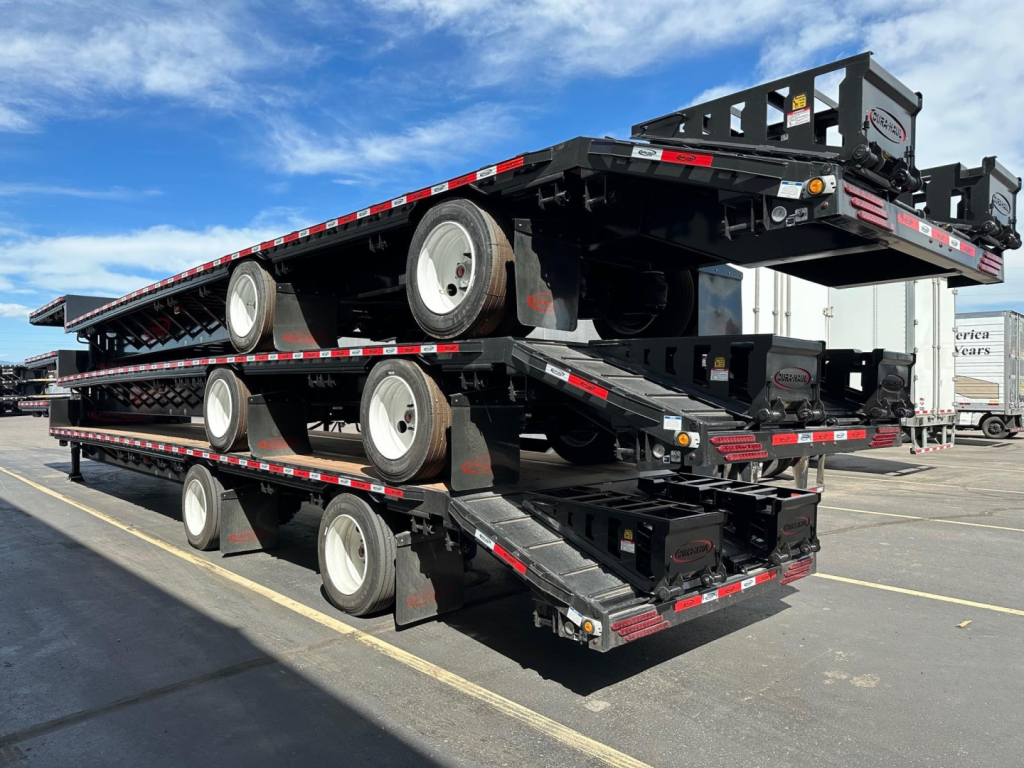
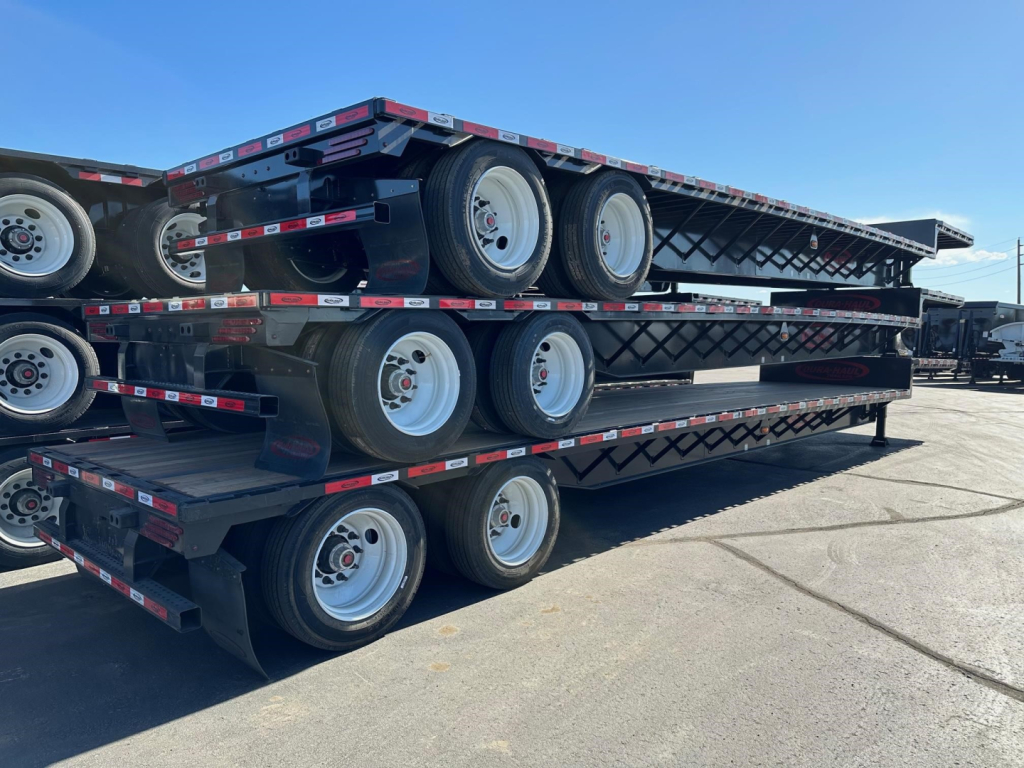
On Dura Haul drop deck trailers, common specs include 53-foot overall length, 102-inch width, a 10-foot-plus upper deck, and a lower deck in the low-40-foot range. Spread axle layouts, 24-inch kingpin settings, 255/70R22.5 rubber, steel wheels, and Jost heavy-duty landing gear are all features buyers will regularly see. Apitong decking is a major plus for operators loading steel, machinery, and concentrated freight because it holds up well under repeated forklift traffic and chained loads. Sliding winches, stake pockets, pipe spools, and nail strips matter if the trailer will spend time in open-deck freight service where securement flexibility affects turnaround time and load versatility.
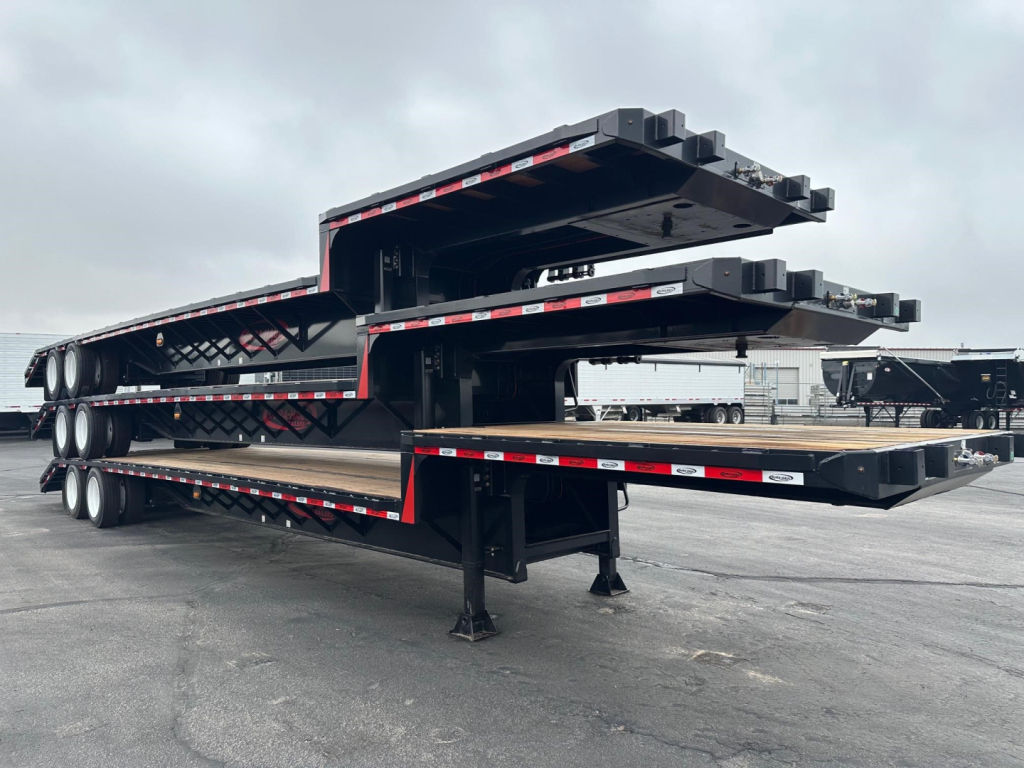
If the work includes skid steers, compact iron, paving equipment, or machines that roll on and off, a Dura Haul beavertail or ramp-equipped drop deck deserves a closer look. Buyers should compare lower deck length, beavertail length, ramp style, crossmember spacing, and axle spread because those details directly affect loading angle, deck strength, and bridge compliance. Fixed spread air ride setups are common and can help with ride quality and axle loading, while dump valves and liquid-filled gauges add convenience during loading and unloading. For expandable trailers, deck length and frame design become especially important when the trailer will alternate between legal loads and longer commodity or equipment moves.
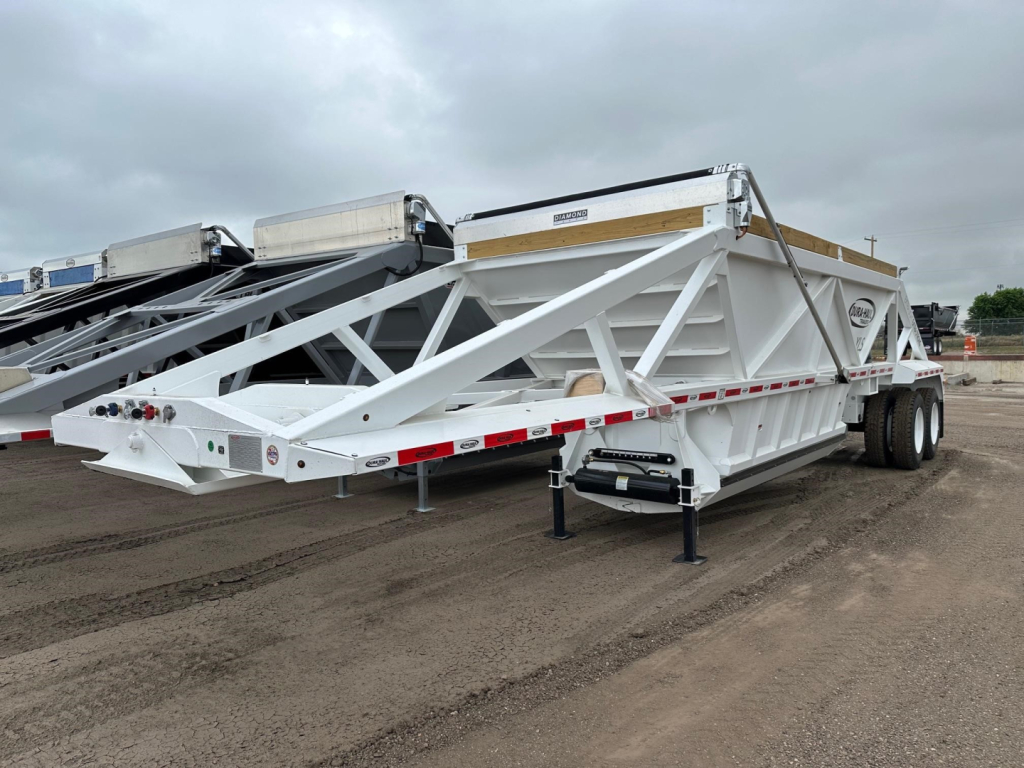
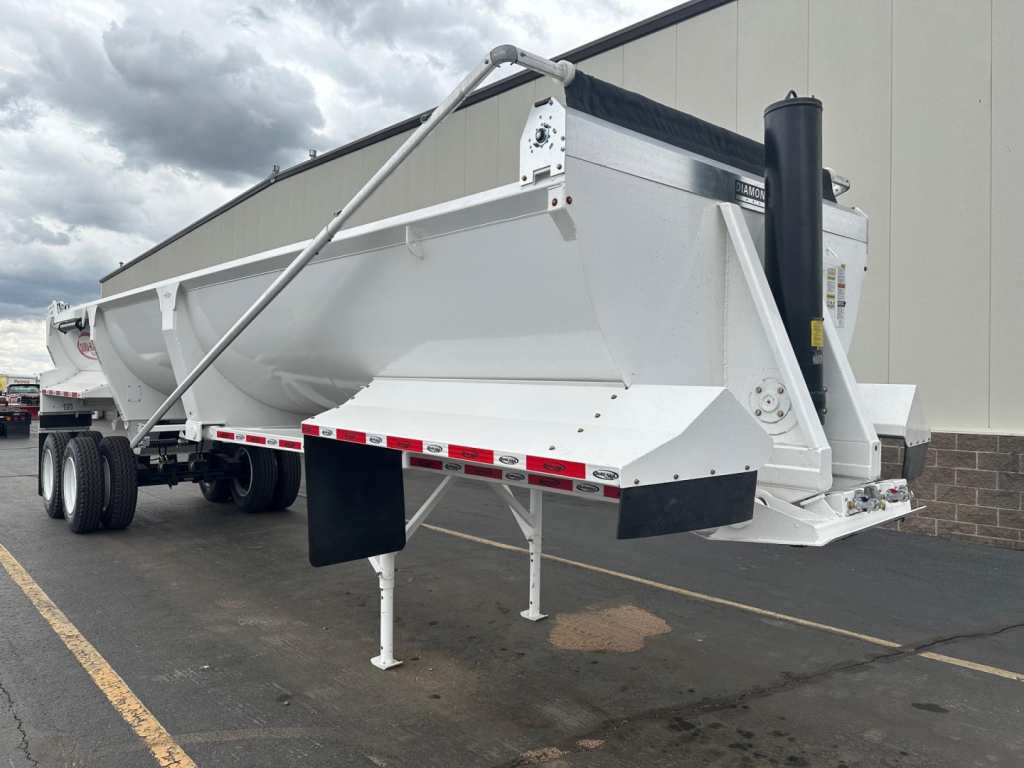
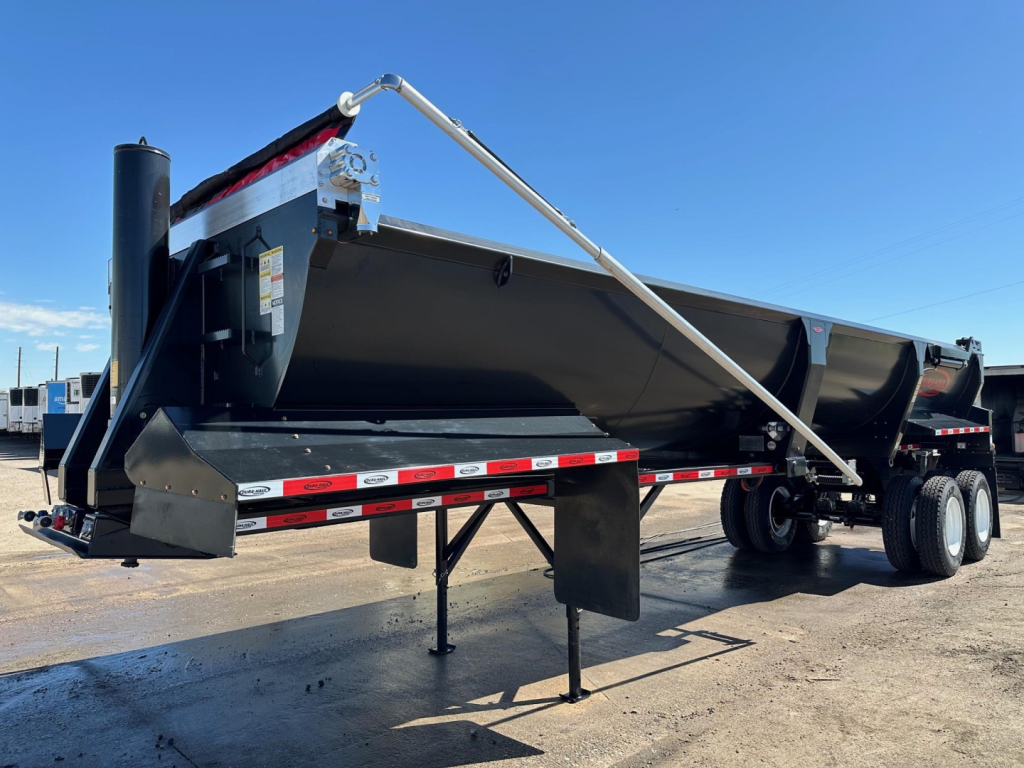
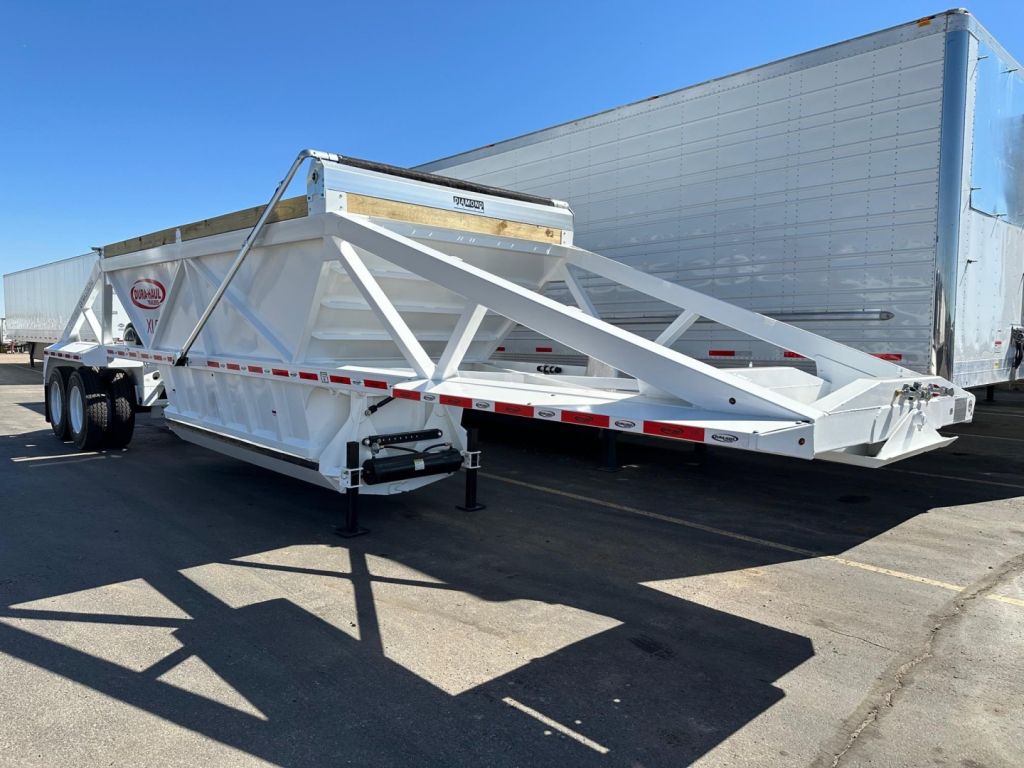
Dura Haul bottom dump trailers are aimed at bulk material work where quick, controlled discharge is the priority. Typical configurations include 40-foot tandem axle designs, air ride suspension, steel wheels, electric flip tarps, gate limiters, and controls suited for precise spreading. Features like windrow deflectors, bang boards, push blocks, and hopper gate control can make a real difference for contractors handling asphalt support, dirt, sand, gravel, or base material. When comparing 2026 Dura Haul trailers across categories, focus on suspension type, axle arrangement, deck or body construction, securement hardware, and the exact dimensions that match your lanes, load profile, and state bridge requirements.
Frequently Asked Questions about 2026 Dura Haul Trailers
What types of 2026 Dura Haul trailers are most common?
The most common 2026 Dura Haul trailers in this class are drop deck trailers, drop deck expandables, beavertail drop decks with ramps, and bottom dump trailers. Drop decks are used for machinery, building materials, and taller freight that needs lower deck height than a flatbed. Expandables add flexibility for longer loads. Bottom dumps are designed for bulk materials such as sand, gravel, and road base where controlled discharge is required.
What should I look for on a Dura Haul drop deck trailer?
Key buying points on a Dura Haul drop deck include overall length, upper and lower deck dimensions, axle configuration, suspension type, kingpin setting, crossmember spacing, and deck material. Buyers should also check for practical freight features such as sliding winches, stake pockets, pipe spools, nail strips, and ramp or beavertail equipment if machinery loading is part of the job. These details determine load flexibility, securement options, loading angle, and long-term durability.
Is air ride important on Dura Haul trailers?
Air ride is a valuable feature on many Dura Haul trailers because it improves ride quality, helps protect sensitive cargo and equipment, and can make loading procedures easier when paired with a dump valve. On drop deck and open-deck trailers, air ride can reduce harshness on concentrated loads and improve driver confidence over rough pavement. On bottom dump trailers, it can also support better overall handling and stability depending on road and site conditions.
Why is Apitong flooring a common feature on Dura Haul drop decks?
Apitong is widely used on heavy-duty open-deck trailers because it handles repeated loading, chain securement, and forklift traffic better than many softer wood options. On a Dura Haul drop deck, Apitong flooring is especially useful for machinery, steel, and general freight applications where deck wear can become expensive over time. Buyers who expect frequent loading cycles or point-loading from equipment will usually see Apitong as a practical advantage.
How do I choose between a Dura Haul drop deck and a Dura Haul bottom dump?
The choice comes down to cargo type and unloading method. A Dura Haul drop deck is built for freight and equipment that is loaded onto the deck and secured with chains or straps. A Dura Haul bottom dump is built for loose material that needs to be discharged through hopper gates while moving or staged. If the work involves construction aggregates, paving support, or road material spreading, a bottom dump is the better fit. If the work involves machines, palletized freight, or over-dimensional cargo, a drop deck is the correct category.