
Dump Trailers For Sale in Oklahoma
Shop dump trailers for sale in Oklahoma. Compare steel and aluminum dump trailers by length, cubic yard capacity, suspension, gate style, and spec.
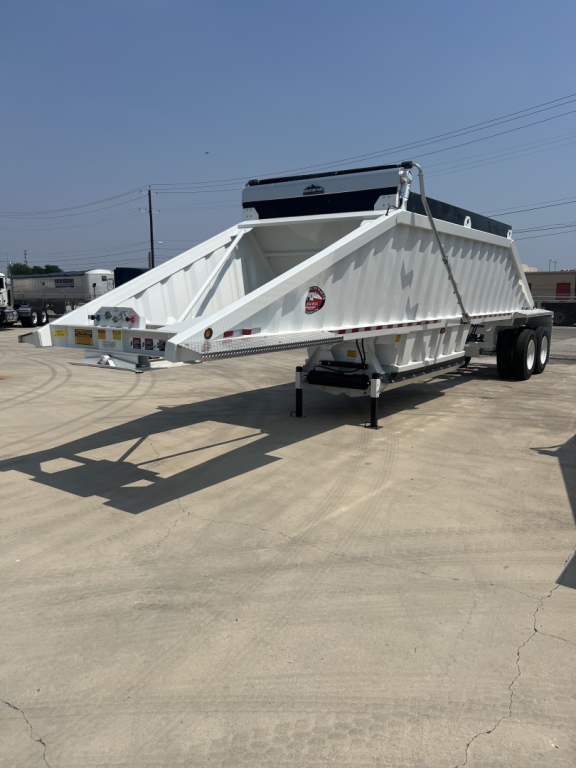
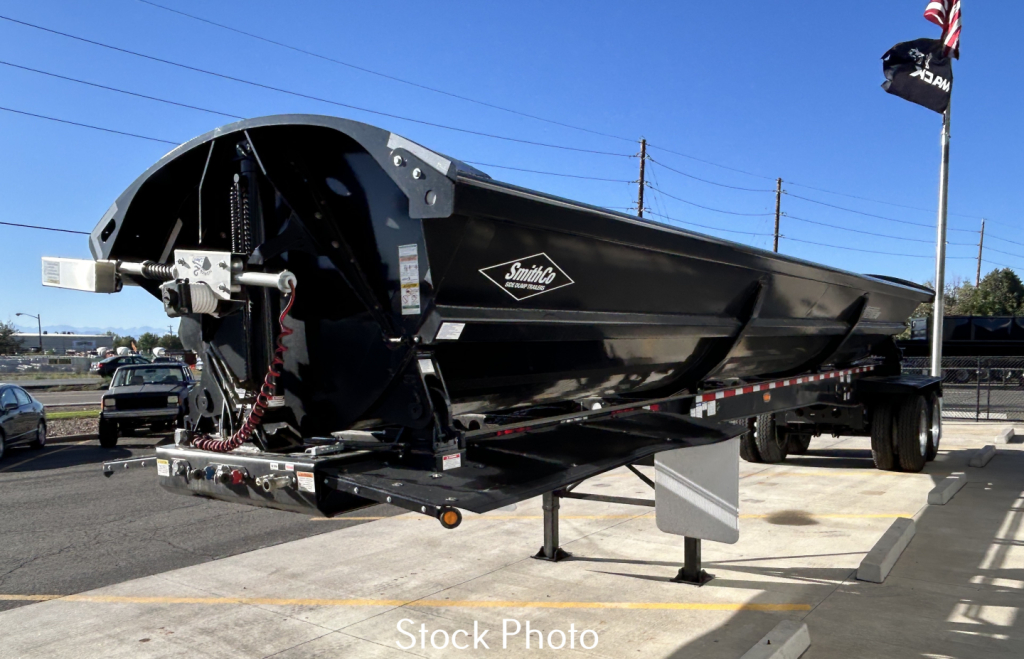
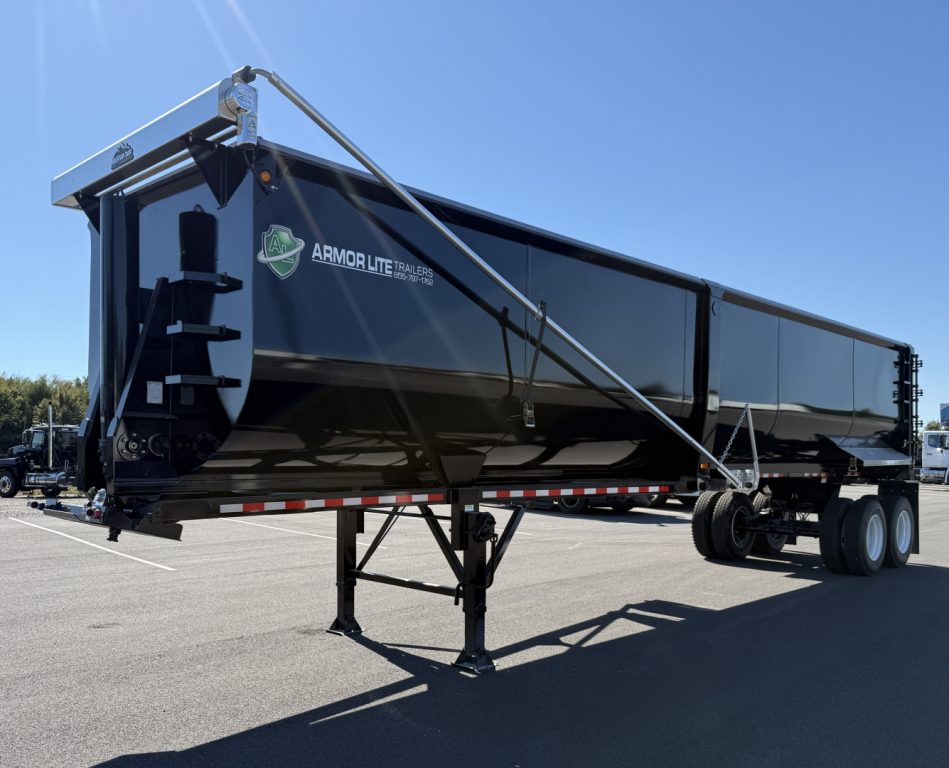
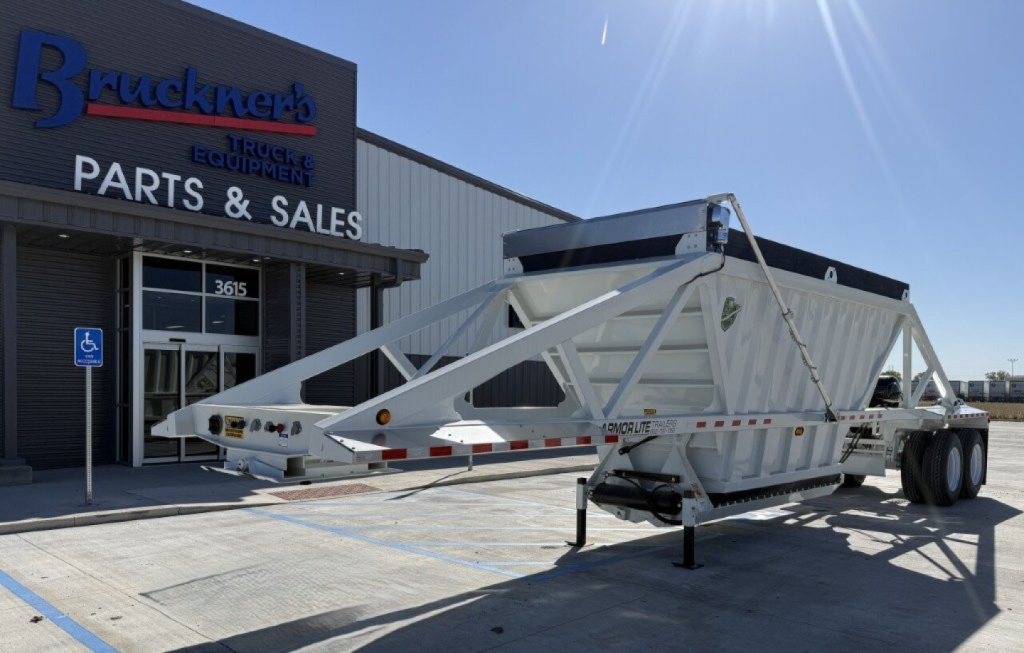
Selling a dump trailer? List your dump trailer for sale and reach thousands of commercial buyers.
Dump Trailers in Oklahoma
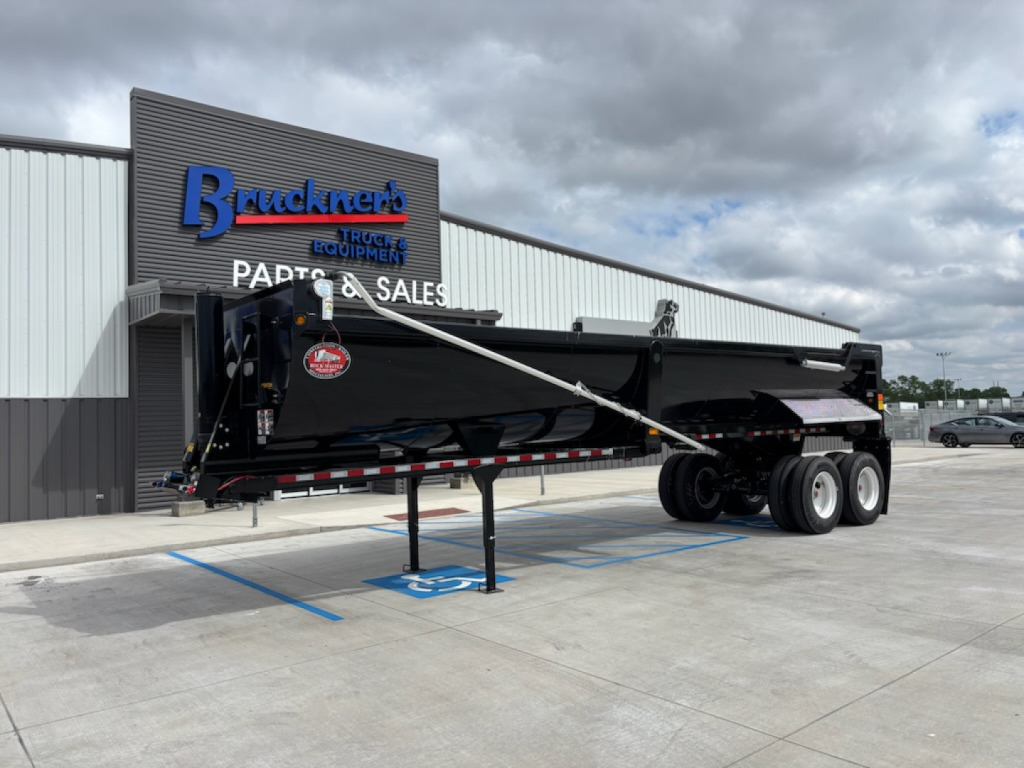
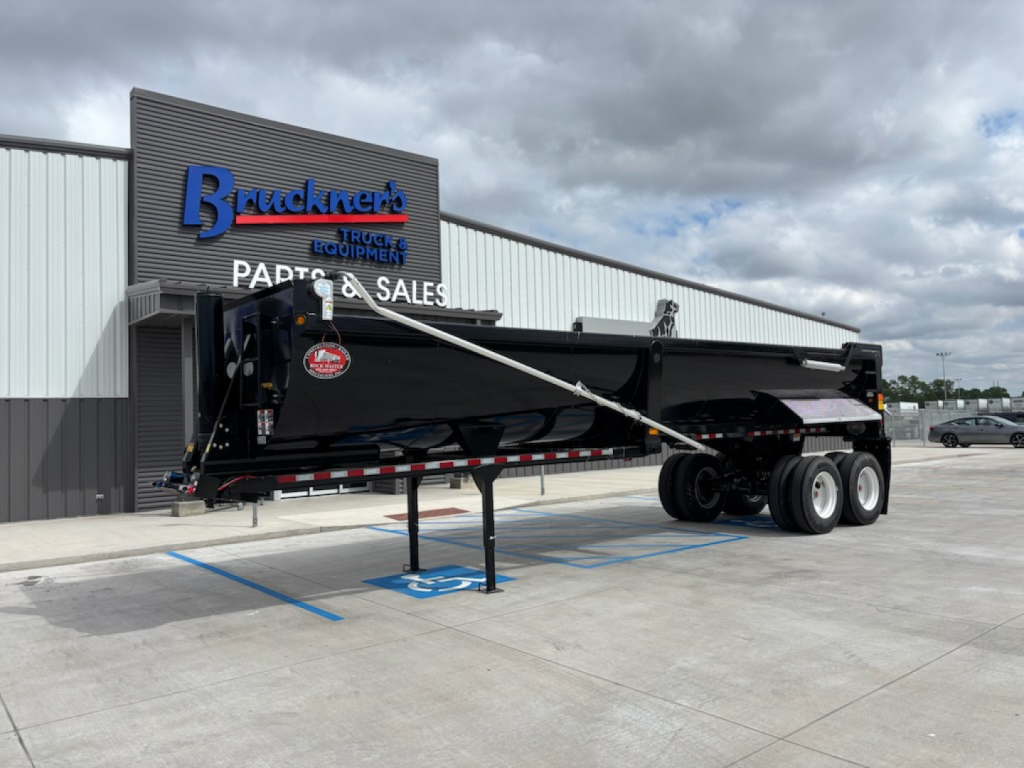
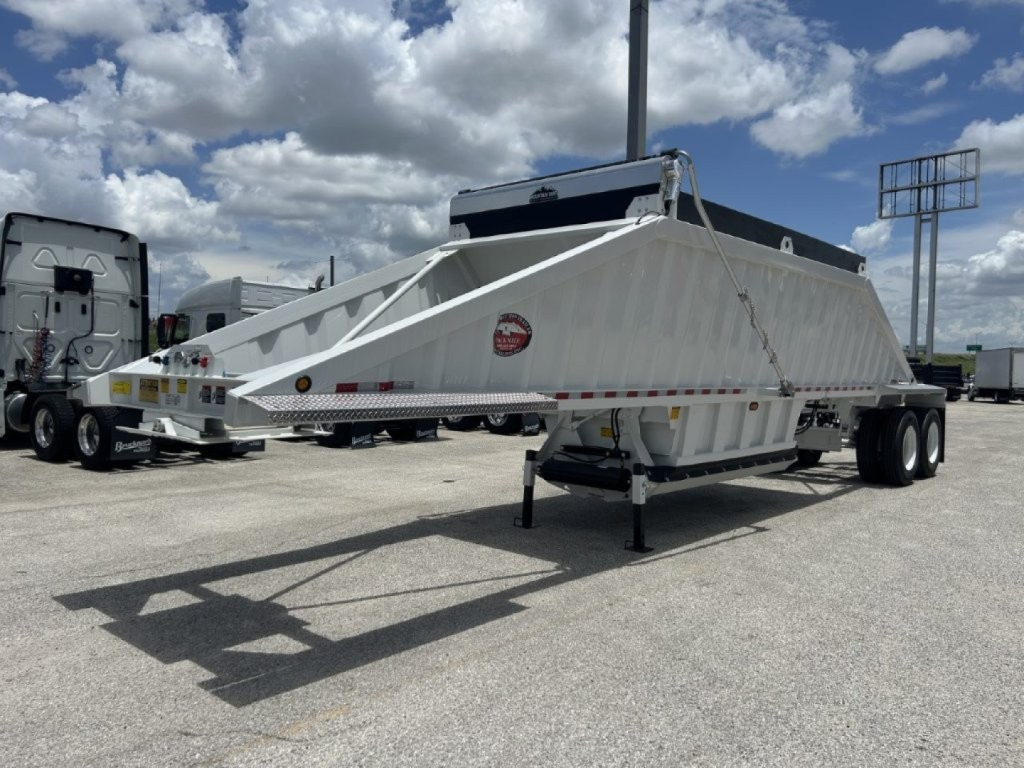
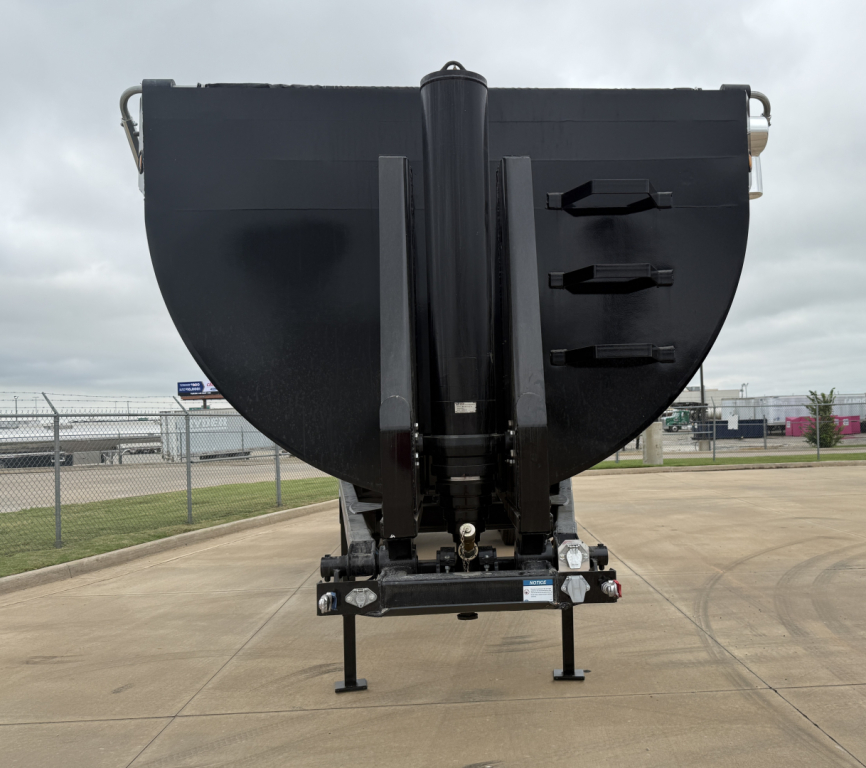
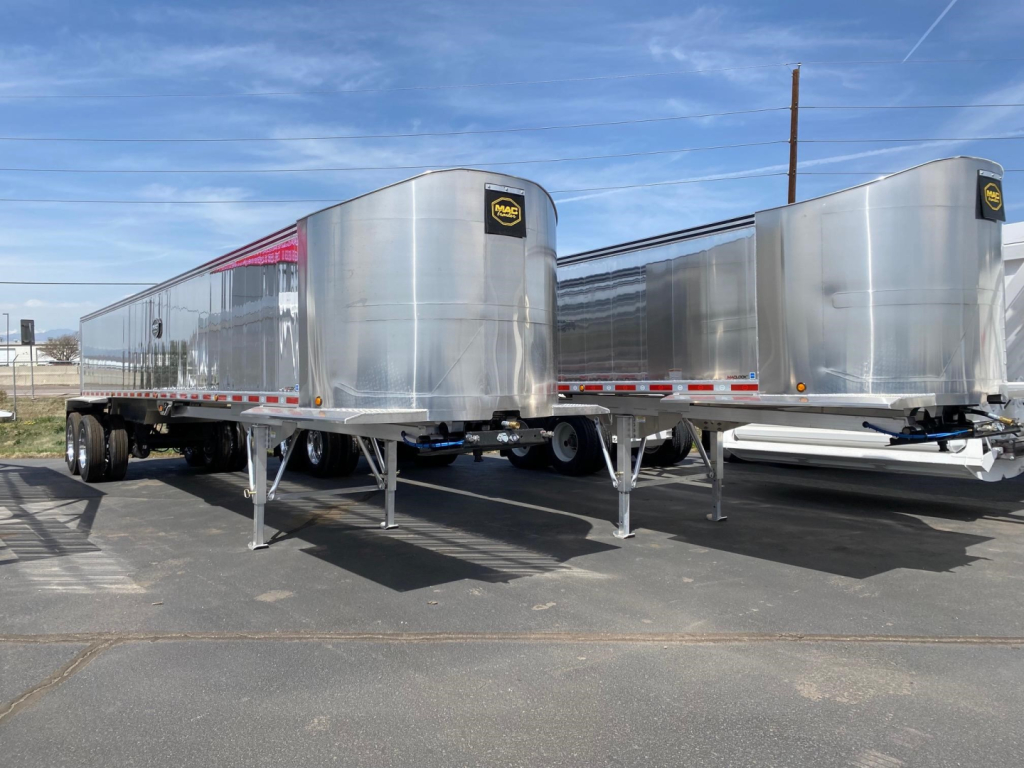
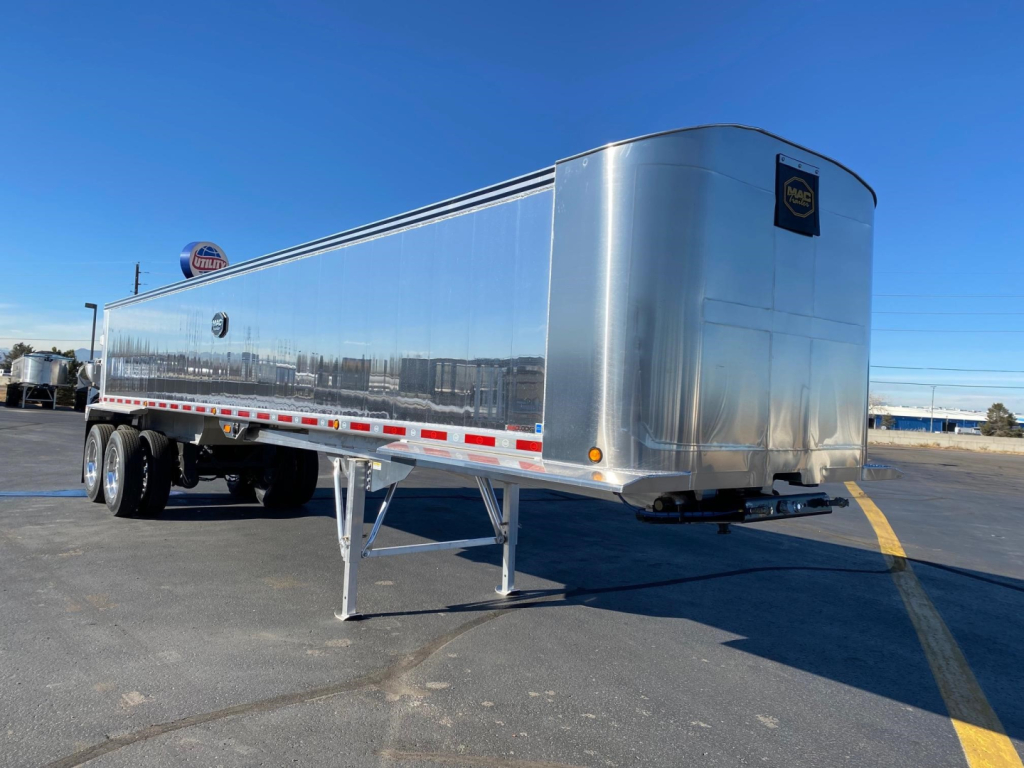
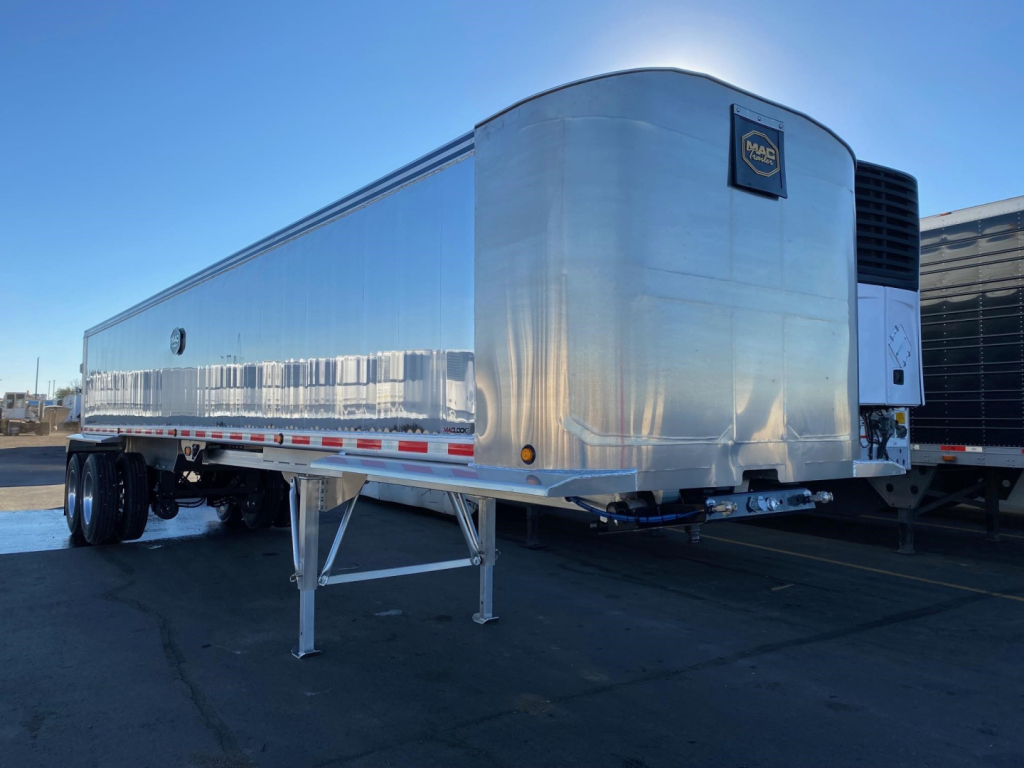
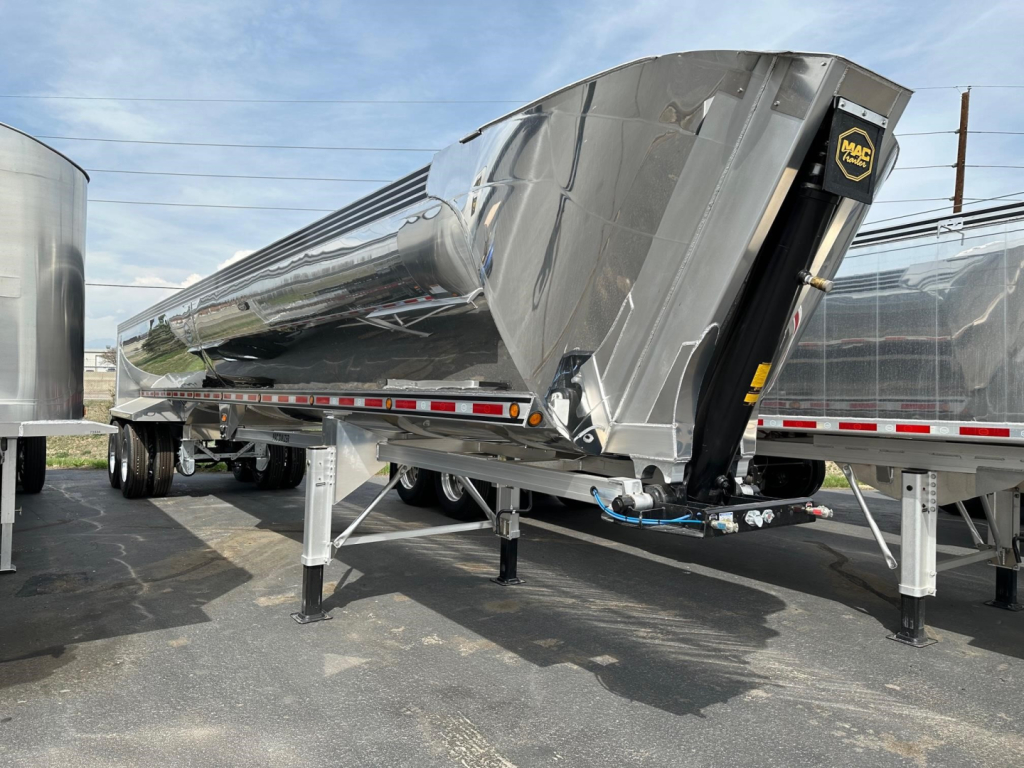
The first decisions usually come down to body style, length, and cubic yard capacity. Common dump trailer lengths in this class run from the low 30-foot range up to 40 feet, with tandem axle setups being standard. Frameless designs are popular for weight savings and high-volume applications, while heavier-duty frame-type or reinforced steel tubs are often chosen for rock, chunk asphalt, riprap, and demolition work. Buyers should look closely at tub shape, side height, slope sheets, top rail design, and floor thickness, because those details affect cleanout, load release, and long-term durability. A 23 to 37 cubic yard range is common depending on body construction and intended commodity.
Suspension, gate configuration, and tarp equipment have a direct impact on day-to-day usability. Air ride suspension is common on road-focused aluminum dump trailers because it helps protect the trailer and cargo on highway miles, while spring ride and single-point suspensions remain common on steel dumps built for punishing service. Gate style matters too. Top-hinge gates are versatile for general aggregate work, high-lift gates improve discharge clearance, and air-operated gate systems speed up cycles when the trailer is loaded and unloaded repeatedly through the day. Electric flip tarps, ladders, fenders, lift axles, liner packages, and quick-release air components are all specs worth comparing because they affect safety, legal compliance, and turnaround time.
A buyer comparing dump trailers for sale in Oklahoma should also pay attention to axle spread, tire size, wheel material, and hoist compatibility with the tractor. 11R24.5 tires, tandem axle layouts, drum brakes, and both steel and aluminum wheel options are common in this segment. Closed tandem air ride with a lift axle can help balance payload flexibility and maneuverability, especially where bridge laws and variable material weights come into play. If the work includes sticky clay, wet sand, milled asphalt, or demolition debris, a liner, self-shedding top rail, and a well-designed tub can save time on every unload. The best dump trailer is the one whose body material, gate setup, suspension, and capacity match the actual commodity and route, not just the advertised cubic yard number.
Frequently Asked Questions about Dump Trailers in Oklahoma
What is the difference between an aluminum dump trailer and a steel dump trailer?
Aluminum dump trailers are generally chosen for lower empty weight and higher potential payload, which makes them attractive for longer hauls and bulk materials such as sand, grain, and lighter aggregate. Steel dump trailers are typically preferred for severe-duty applications because they stand up better to impact, sharp material, and repeated abrasion from rock, demolition debris, and chunk asphalt. The right choice depends on commodity, route length, and how much abuse the body will see on a daily basis.
What size dump trailer is most common for aggregate and construction hauling?
Tandem axle dump trailers in the roughly 34-foot to 40-foot range are common for aggregate and construction work, with capacities often falling between the low 20s and upper 30s in cubic yards depending on material density and body design. Capacity should never be judged by cubic yards alone, because legal payload is limited by axle configuration, trailer weight, and the density of the material being hauled. Heavy commodities such as rock will reach legal weight before the body is full, while lighter materials may cube out first.
Which suspension is better on a dump trailer, air ride or spring ride?
Air ride suspension is often preferred for highway service, lighter trailer weight goals, and better protection of the trailer structure over long distances. Spring ride is simpler and remains common on steel dump trailers used in rugged jobsite conditions where durability and lower complexity matter. Single-point suspension is also seen on heavy-duty dump applications because it handles abusive environments well. The best suspension depends on how much road travel the trailer sees versus how much off-road or uneven-surface work it performs.
What gate style should I look for on a dump trailer?
Top-hinge gates are a strong all-around choice because they work well for common aggregate hauling and allow straightforward unloading. High-lift gates provide more discharge clearance and can be a better fit when larger material or specific paving and construction applications require extra opening height. Air-operated gate systems are useful for operators who need faster, more controlled unloading cycles. Gate choice should match the material flow characteristics and the pace of the operation.
What options matter most when comparing dump trailers for sale in Oklahoma?
The most important options are usually body material, liner, suspension type, gate style, cubic yard capacity, tire size, axle configuration, tarp system, and whether the trailer includes features such as a lift axle, ladder, fenders, and quick air components. Oklahoma buyers should also think about the mix of highway miles, county roads, and jobsite terrain the trailer will see. A trailer spec that works well for sand and aggregate on paved routes may not be the best fit for demolition debris, heavy rock, or repeated off-road loading and unloading.