
New Dump Trailers For Sale in Kansas
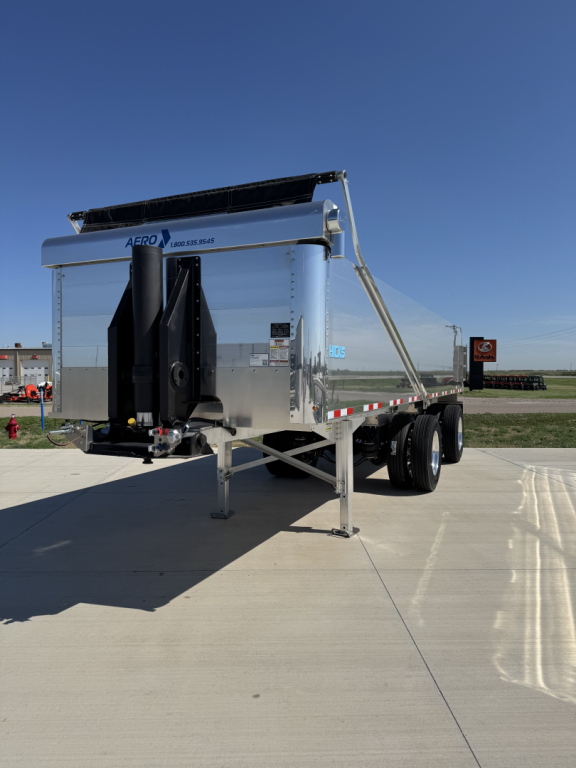
New dump trailers for sale in Kansas, including end dumps built for aggregate, demolition, grain, and heavy material hauling.
Learn more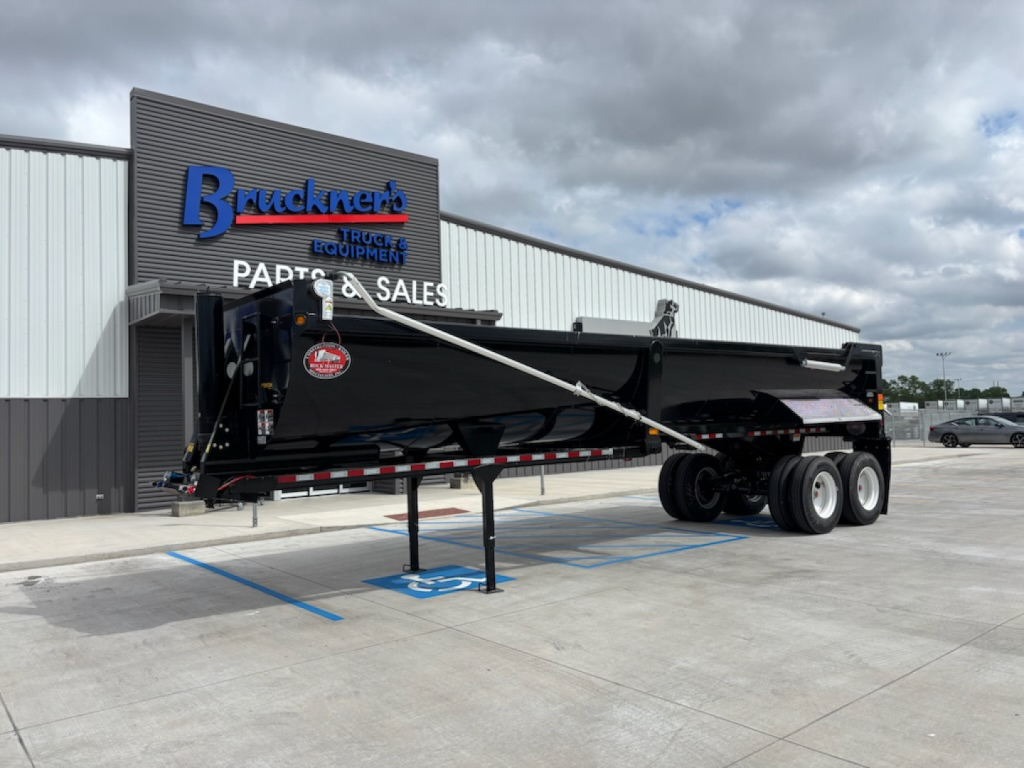
Showing 13 to 14 of 14 results
Have new dump trailer to sell? List it here to reach thousands of buyers.
About New Dump Trailers in Kansas
Length, side height, and cubic yard capacity matter just as much as tare weight. Buyers typically compare 28-foot to 40-foot configurations, with shorter heavy-spec tubs favored for dense material and longer bodies used when volume is needed. Common specs include Hardox or other abrasion-resistant steel tubs, 1/4-inch body sections, self-shedding top rails, high-lift or barn-style gates, and electric flip tarps. Suspension choice also deserves attention. Spring ride remains a straightforward option for many operators, while air ride or single-point suspensions can improve load equalization, reduce shock transfer, and help protect the trailer over rough approaches and uneven jobsite surfaces.
Hoist geometry, gate control, and rear structure are important because they affect unloading safety and turnaround time. End dump trailers need a stable lift under a raised center of gravity, so buyers should look closely at frame design, hoist capacity, crossmember layout, and how the trailer handles uneven dumpsites. Gate configuration should match the material. High-lift gates and controlled spread functions are useful for road base, asphalt millings, and metered discharge. Tarp systems, manual or electric, are not just convenience items. In many operations they are part of compliance, load retention, and weather protection. Tire spec, wheel type, liner options, fenders, and wiring layout also add up over time in maintenance cost and uptime.
For Kansas operators, a new dump trailer should be sized for the routes, axle laws, and commodity mix it will actually see, not just the highest advertised capacity. Check kingpin setting, axle spacing, suspension rating, and empty weight against the tractor and legal payload target. If the work includes quarry roads, demolition debris, or chunk material, chip-resistant tires, reinforced body construction, and a tougher rear gate setup can pay for themselves quickly. If the trailer will spend more time on grain, sand, or other free-flowing products, lighter tare weight and a clean-discharging tub may be the better long-term spec. The best new dump trailers are the ones whose body, hoist, gate, and suspension were chosen around the freight, not added as afterthoughts.
Frequently Asked Questions
What is the difference between a heavy-duty dump trailer and a lightweight dump trailer?
A heavy-duty dump trailer usually has thicker body material, more reinforcement in the frame and tub, and components selected for abrasive or high-impact loads such as rock, demolition debris, or asphalt chunks. A lightweight dump trailer gives up some structural mass to increase legal payload on less destructive commodities like sand, grain, or other free-flowing material. The right choice depends on commodity density, how rough the loading and dumping conditions are, and how much importance you place on tare weight versus long-term body life.
What body length is best for a new dump trailer?
The best body length depends on material density and how the trailer will be dispatched. Shorter tubs are often preferred for heavier commodities because they help keep weight distribution manageable and reduce the temptation to overload. Longer dump trailers can carry more cubic volume and are common when hauling lower-density material. Buyers should compare cubic yard capacity, overall length, axle placement, and local bridge and axle requirements before choosing between a shorter heavy-spec trailer and a longer volume-oriented model.
Are steel dump trailers better than aluminum dump trailers?
Steel dump trailers are generally better for severe-service applications because they resist abrasion and impact from rock, scrap, broken concrete, and other harsh commodities. Aluminum dump trailers reduce empty weight and can improve payload on less abrasive freight, but they are usually chosen with a clearer focus on weight savings rather than maximum abuse tolerance. Many fleets compare expected body life, repair cost, payload opportunity, and the actual commodity mix before deciding which construction is the better fit.
What suspension should I look for on a dump trailer?
Suspension choice affects ride quality, load stability, maintenance, and how the trailer handles rough jobsites. Spring ride is common because it is simple and proven. Air ride can improve ride quality and reduce vibration transfer, which may help trailer longevity and cargo control. Single-point suspension designs are also popular in some dump applications because they can simplify equalization and offer a durable setup for severe service. The best suspension depends on road conditions, maintenance preferences, and how often the trailer dumps on uneven ground.
What options matter most on a new dump trailer?
The most important options are usually the ones that directly affect unloading control, body life, and compliance. Buyers often prioritize abrasion-resistant steel, gate style, tarp system, hoist capacity, tire specification, wheel choice, and fender design. Details like self-shedding top rails, electric tarp operation, controlled gate functions, and chip-resistant tires can make a meaningful difference in uptime and ease of use. Optional features should support the commodity and operating environment rather than simply adding cost to the trailer.