
Wabash Dry Van Trailers For Sale in Texas
Compare Wabash dry van trailers for sale in Texas by DuraPlate condition, floor rating, suspension, and heat-related wear before choosing a freight trailer.

Selling a wabash dry van trailer? List your wabash dry van trailer for sale and reach thousands of commercial buyers.
Wabash Dry Van Trailers in Texas
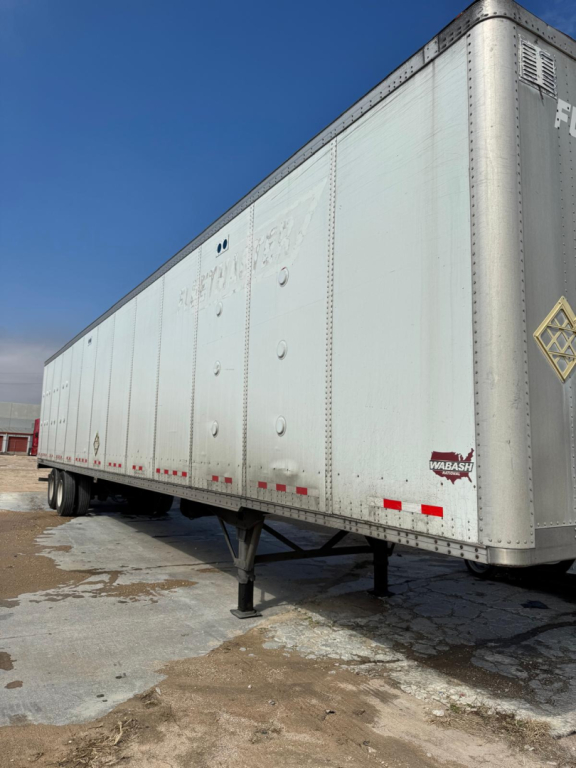
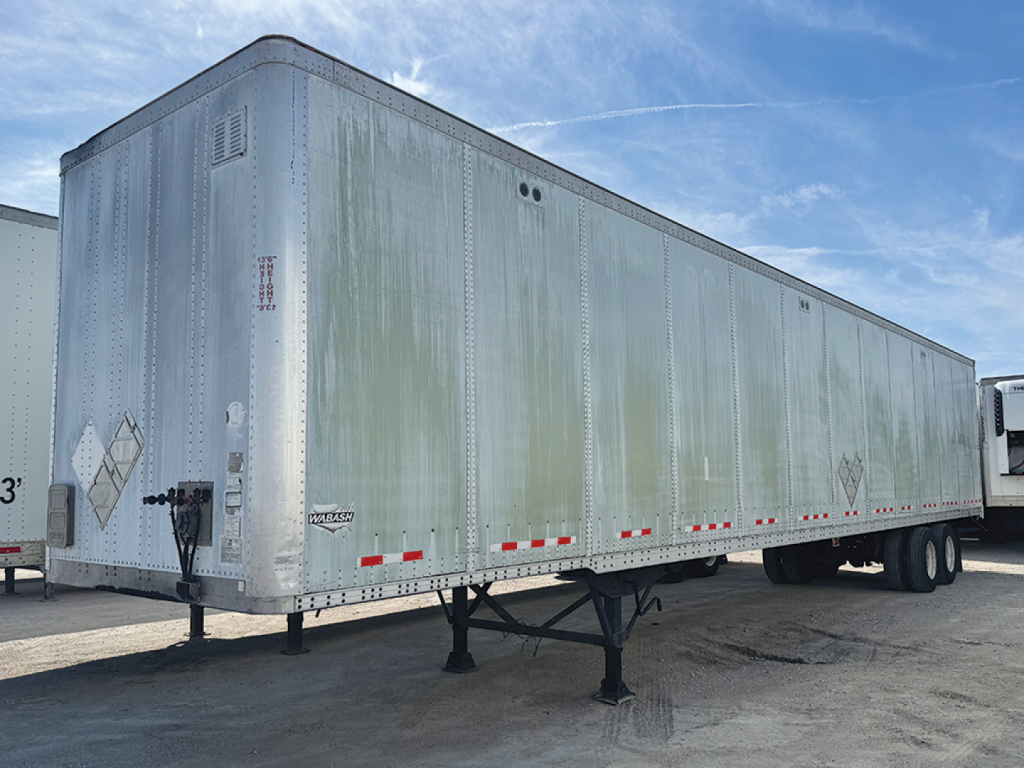
On used Wabash vans, inspect roof seams, front corners, door seals, wood flooring, crossmembers, and the upper coupler around the kingpin. Older sheet-and-post bodies also need checks for loose rivets and damaged interior liners. Age matters less than documented repairs and structural condition, but older trailers warrant closer checks of wiring, brake chambers, suspension bushings, and landing gear. Evaluate brake adjustment, drum or rotor wear, and wheel-end leakage on every model year. Texas heat accelerates tire and rubber deterioration; Gulf Coast humidity and salt exposure make corrosion checks especially important. Confirm that sliding tandem pins engage fully and that the rails are straight.
For a new trailer, specify loaded-forklift floor capacity, logistics track placement, scuff protection, and door style before comparing equipment packages. Obtain written warranty terms for the body, floor, and running gear, and account for the 12% federal excise tax on qualifying new heavy trailers. Match tandem placement and axle spacing to the loaded weight and intended Texas routes.
Frequently Asked Questions about Wabash Dry Van Trailers in Texas
Should I choose air ride or spring suspension on a Wabash dry van?
Air ride is the better choice for vibration-sensitive freight, while spring suspension is a practical choice for less sensitive dry cargo. On a Wabash dry van, check air springs, leveling valves, and shock absorbers before choosing air ride. Inspect spring hangers, equalizers, and bushings on mechanical suspension. Neither suspension increases the trailer's certified axle ratings.
How many pallets fit in a 53-foot Wabash dry van?
A typical 53-foot Wabash dry van can carry 26 standard 48-by-40-inch pallets in one layer, arranged two across and 13 rows long. That count assumes sufficient usable interior dimensions, square loads, and no freight overhang. Door openings, wall liners, and cargo securement can reduce usable space. Dense palletized freight can reach legal axle weights before filling the trailer.
What weight limits apply to a Wabash dry van on Texas Interstate highways?
A standard five-axle tractor-trailer on Texas Interstate highways is generally limited to 80,000 pounds gross, with 20,000 pounds on a single axle and 34,000 pounds on a tandem. Federal Bridge Formula spacing requirements also apply. A Wabash trailer's GVWR is not permission to exceed road limits, and moving the slider changes axle distribution rather than increasing the combination's legal gross weight.
How do I check a used Wabash dry van for flood damage in Texas?
Silt inside wiring connectors, sediment above the suspension, and waterlines behind interior liners are strong flood-warning signs on a used Wabash dry van. Inspect ABS components, wheel ends, and floor undersides even when the cargo area looks clean. Texas title history alone cannot establish that a trailer avoided flood exposure; request repair records and investigate unexplained bearing, wiring, or flooring replacements.