
Used Utility Dry Van Trailers For Sale in Colorado
Used Utility dry van trailers for sale in Colorado: compare 4000D-X construction, floor condition, brake wear, and axle setup for mountain freight.
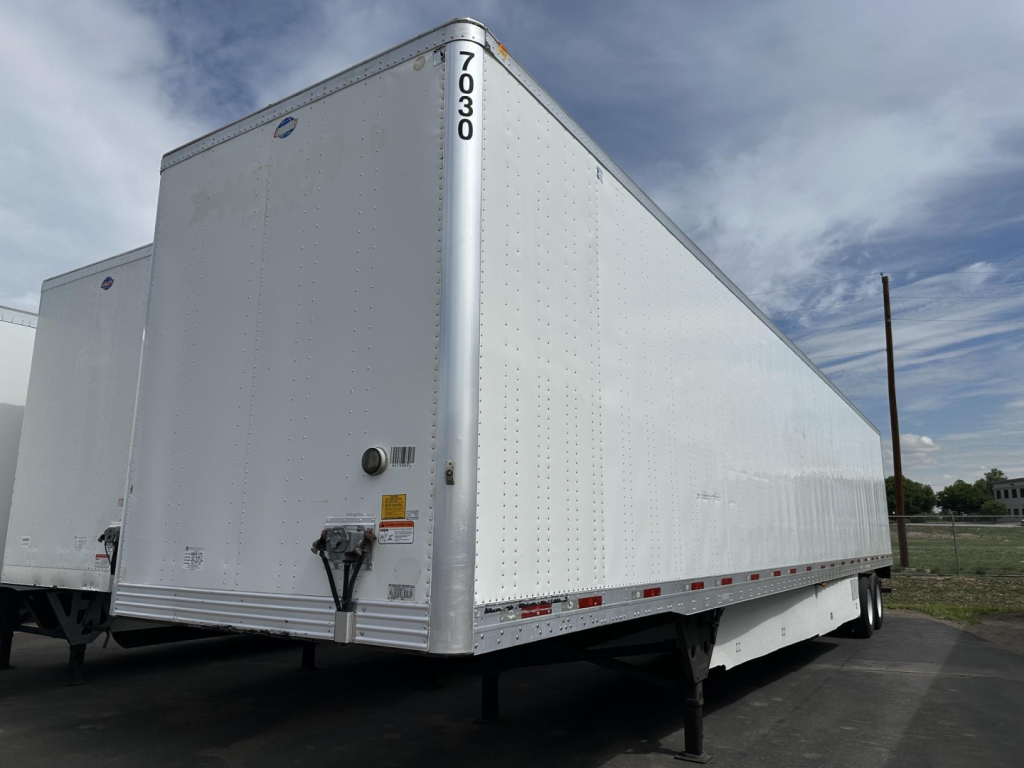
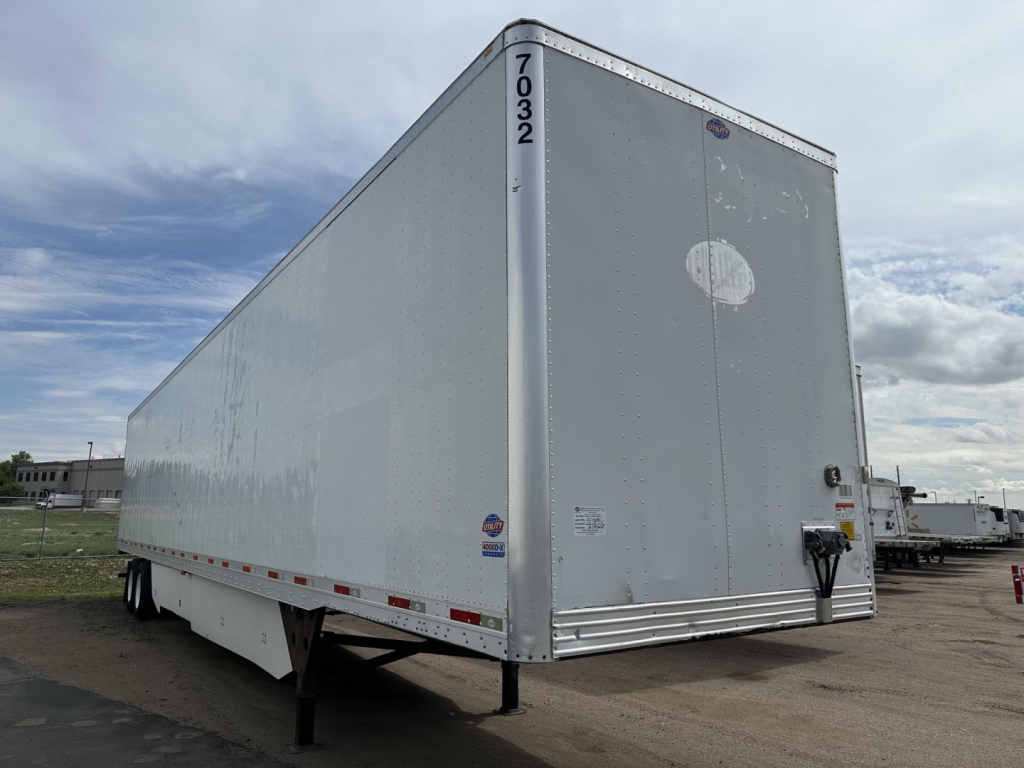
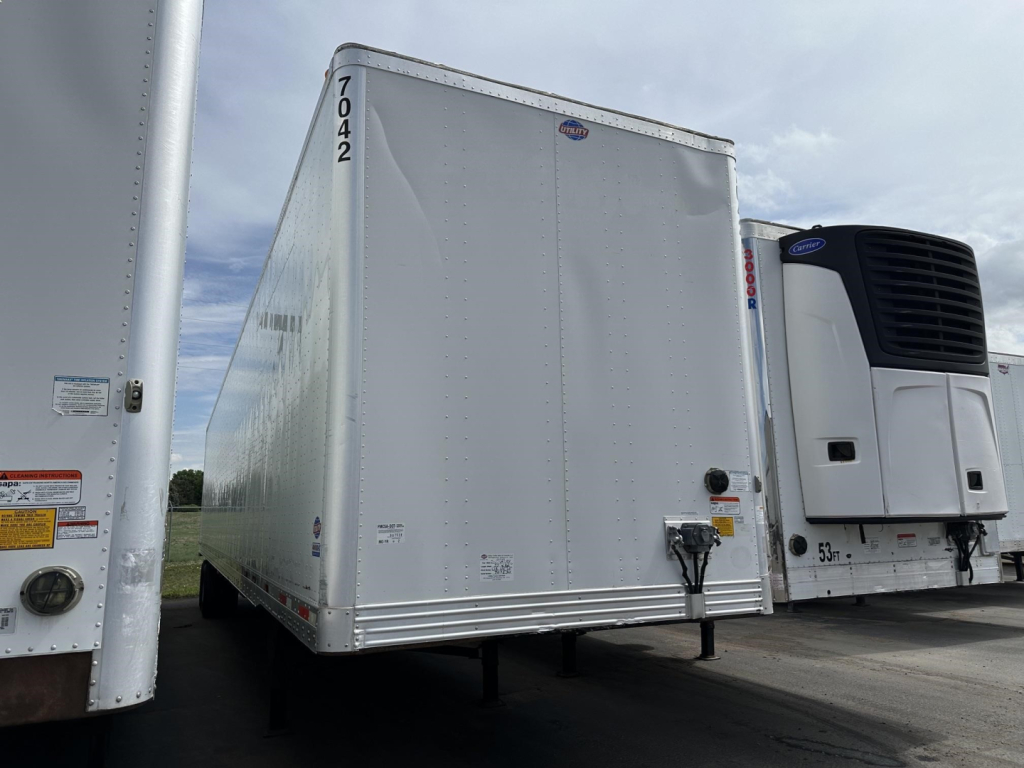
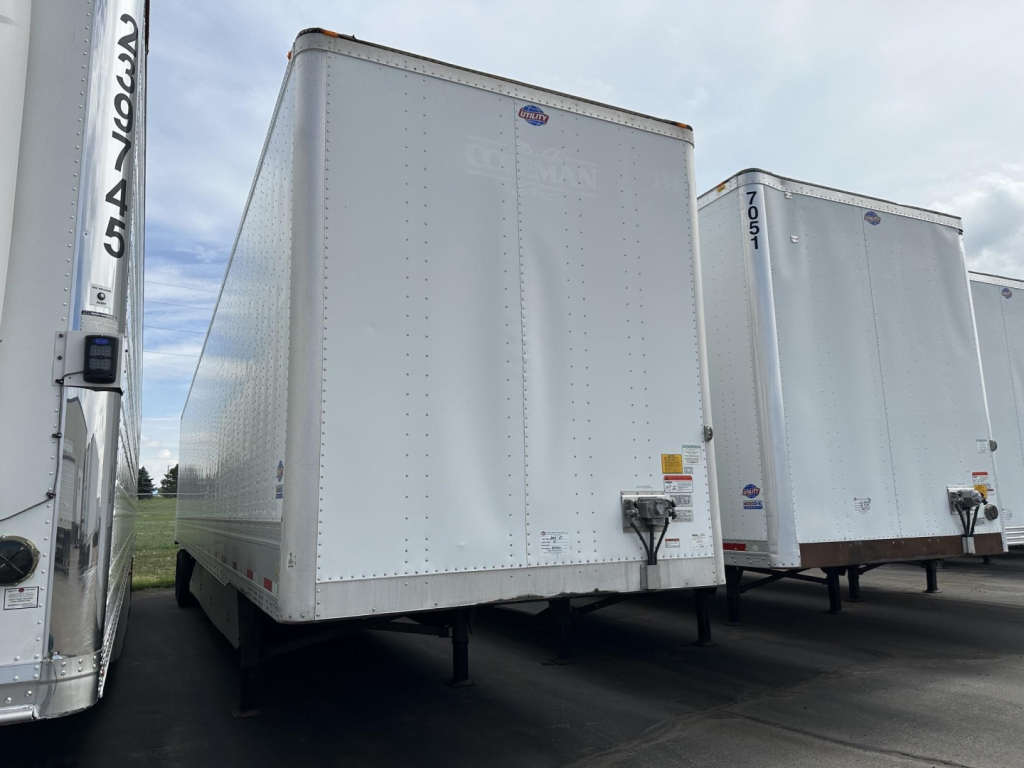
Selling a used utility dry van trailer? List your used utility dry van trailer for sale and reach thousands of commercial buyers.
Used Utility Dry Van Trailers in Colorado
Utility's 4000D-X family provides a useful reference for comparing composite interior lining, cargo-control arrangements, and dock-area protection. Inspect liner damage, exposed fasteners, logistics posts, lower wearbands, and the rear threshold rather than judging a trailer by its exterior panels alone. Swing doors generally preserve a larger loading opening than comparable roll-up arrangements, but require room to open before docking. Verify the actual door configuration and clear opening instead of assuming every Utility dry van has identical loading dimensions.
Floor condition deserves a loaded-service inspection, not just a walk through an empty box. Look for soft spots, split boards, oil saturation, loose fasteners, and repairs that leave uneven forklift travel surfaces. Inspect the underside for damaged crossmembers and separation around previous patches. Roof seams, front corners, door seals, and upper rails should show no evidence of recurring water entry. Across model years, maintenance records and structural condition are more useful than age alone; request annual inspection reports and documentation of floor, roof, brake, and suspension repairs.
Colorado mountain descents make balanced trailer braking especially important. Measure friction material and drum or rotor condition, check chamber mounting and air leaks, and confirm that the ABS warning lamp completes its proper startup sequence. Test the air suspension, ride-height control, and tandem slider, including full engagement of every locking pin. Road treatments and winter moisture can attack steel crossmembers, landing gear, suspension brackets, and wiring connections even when exterior panels look clean. Uneven tire wear can reveal alignment problems, worn suspension parts, or a trailer that has repeatedly operated at incorrect ride height.
Legal payload comes from the complete tractor-trailer combination, not the box dimensions or an advertised trailer capacity alone. Compare empty weight, axle ratings, tire ratings, tandem position, and route-specific weight limits before assigning dense freight. Side skirts and automatic tire inflation systems can be useful equipment, but damaged skirts, leaking plumbing, or neglected wheel ends add repair work. A sound used Utility should fit the cargo, dock routine, and Colorado route without requiring structural repairs or a suspension configuration that compromises legal loading.
Frequently Asked Questions about Used Utility Dry Van Trailers in Colorado
How many pallets fit in a 53-foot Utility dry van?
A 53-foot Utility dry van commonly accommodates 26 standard 48-by-40-inch pallets in a conventional two-across arrangement. Actual capacity depends on usable interior length and width, pallet orientation, cargo overhang, and securement space. Count the loaded pallet dimensions rather than the bare pallet footprint. Heavy palletized freight may reach legal axle or gross weight limits before filling every floor position.
Can a Utility dry van protect freight from freezing during a Colorado winter?
A standard Utility dry van does not provide reliable freeze protection during a Colorado winter. An enclosed body blocks precipitation, but an uninsulated, unheated trailer can approach outside temperatures during transit or overnight parking. Water-based products, beverages, and other freeze-sensitive freight may require a refrigerated trailer with heating capability or another validated temperature-control arrangement. Cargo blankets alone do not establish a controlled shipping temperature.
What weight limits should I use when loading a dry van in Colorado?
Standard Interstate limits are 80,000 pounds gross combination weight, 20,000 pounds on a single axle, and 34,000 pounds on a tandem, subject to bridge-formula requirements and applicable exceptions. A used Utility dry van must also stay within its axle and tire ratings. Colorado route restrictions, posted bridges, tractor configuration, and axle spacing can further limit loading. Scale the loaded combination rather than calculating legality from cargo weight alone.
How do I know whether a used Utility trailer floor can handle my forklift?
The documented floor rating must cover the loaded forklift's axle loading and operating conditions, not merely the freight's total weight. Ask for the original Utility floor specification and records of replacement boards or crossmember repairs. Forklift tire type, contact area, and front-axle loading affect concentrated floor stress. A trailer that carries distributed pallet weight successfully may still be unsuitable for a heavy forklift entering through the rear doors.
How should I inspect automatic tire inflation on a used Utility dry van?
An automatic tire inflation system needs a pressure-setting check, leak test, and inspection of its wheel-end hoses and connections. Confirm the system's specified pressure matches the tires and intended loading, then verify individual tire pressures with an accurate gauge. Inspect warning-light operation and look for damaged hoses or leaking rotary connections. Automatic inflation can maintain pressure, but it cannot correct damaged tires, poor alignment, or a failing wheel end.