
2020 Utility Dry Van Trailers For Sale
Compare 2020 Utility dry van trailers for sale by 4000D-X wall condition, floor capacity, tandem setup and inspection records for freight duty.
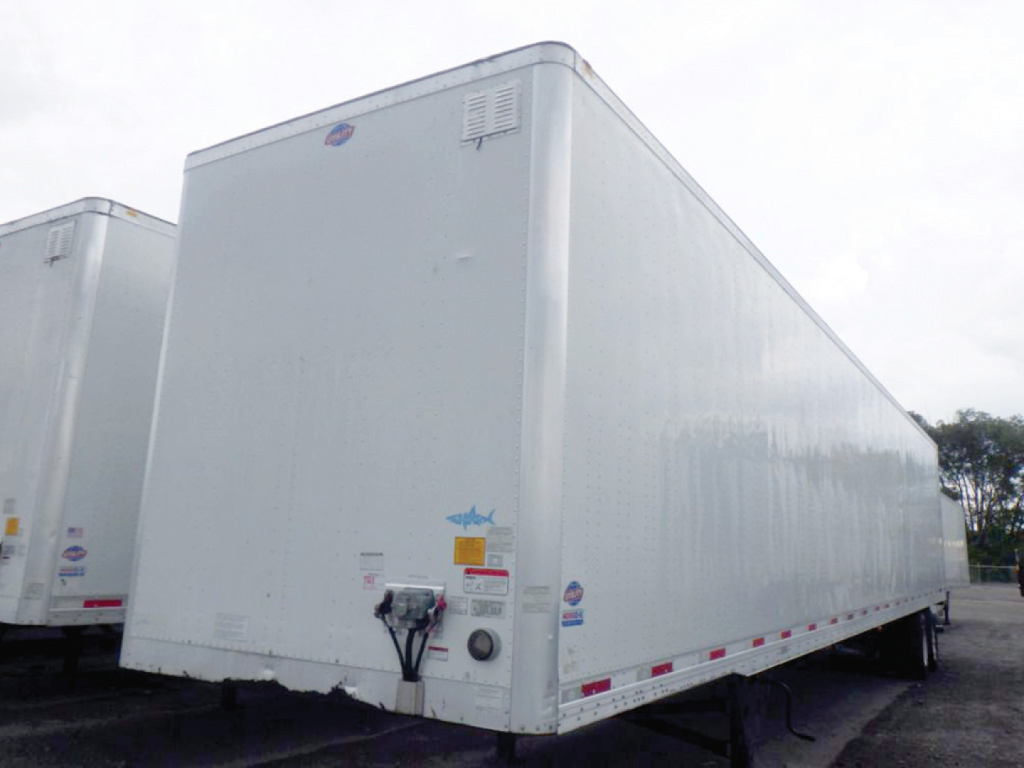
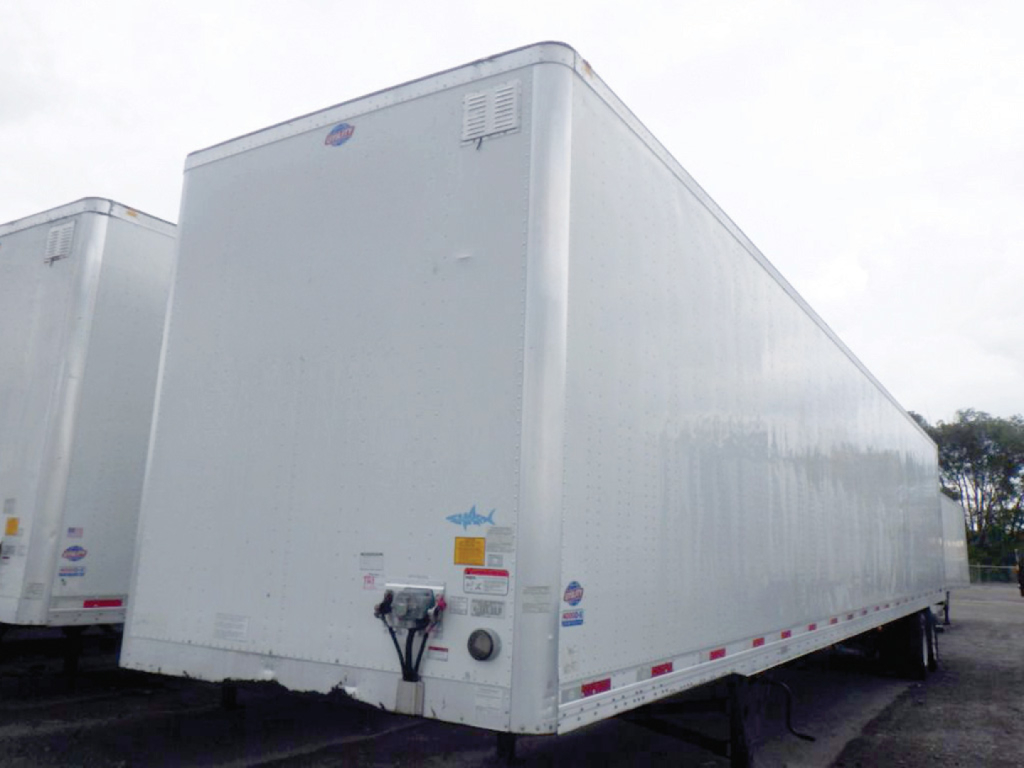

Selling a 2020 utility dry van trailer? List your 2020 utility dry van trailer for sale and reach thousands of commercial buyers.
2020 Utility Dry Van Trailers
Used 2020 models need careful inspection of floor boards, crossmembers, wall-panel joints, roof seams and the rear threshold. Repeated forklift traffic can damage flooring and supporting structure even when the exterior looks straight. Check tandem slider operation, locking pins, suspension bushings, air springs, brake components and wheel ends. Review inspection reports and repair invoices for recurring leaks, collision repairs and uneven tire wear. In the northern United States and Canada, road salt makes corrosion checks around the suspension subframe, landing gear mounts and electrical connections especially valuable.
Treat an unused 2020 trailer as an already-built specification, not a current-year factory order; confirm warranty eligibility, tire age and storage condition. A qualifying first retail sale of a new heavy trailer in the United States is subject to 12% federal excise tax. For either condition, verify axle ratings, empty weight and loading requirements before calculating usable payload. State bridge formulas, kingpin-to-rear-axle limits and Canadian provincial weight rules can restrict loading or tandem position, so a standard-size box is not automatically suitable for every route.
Frequently Asked Questions about 2020 Utility Dry Van Trailers
How do I know whether a 2020 Utility 4000D-X floor can handle my forklift?
The trailer's documented floor rating and the loaded forklift's front-axle load are the starting points, not cargo weight alone. For a 2020 Utility 4000D-X, obtain the original floor specification and compare its test conditions with your forklift's wheel spacing, tire contact area and loaded axle weight. Inspect floor boards, crossmembers and prior repairs because damage can compromise an otherwise adequate original specification.
Does a 2020 Utility dry van need its own annual DOT inspection?
A 2020 Utility dry van operated under US federal motor carrier rules needs its own periodic inspection at least every 12 months. The tractor's inspection does not cover the semitrailer, and an inspection decal does not replace a current condition assessment. Canadian inspection intervals and documentation requirements are provincial, so confirm the applicable rules rather than assuming a US inspection satisfies them.
Can a 53-foot 2020 Utility dry van run in every state and province?
A 53-foot Utility dry van must meet route-specific dimensional and axle-weight rules, not just overall length limits. California generally limits semitrailers over 48 feet with two or more axles to 40 feet from the kingpin to the center of the rearmost axle. Canadian provinces have their own dimensional and axle-group requirements. Verify the planned route before choosing a tandem position and loading pattern.
Should I reject a used 2020 Utility dry van with an ABS warning light?
An ABS warning requires diagnosis before accepting a used 2020 Utility dry van, but the warning alone does not establish the repair scope. Verify the lamp's startup self-test, retrieve fault codes with compatible equipment, and inspect wheel-speed sensors, wiring and power supply. Trailer ABS electronics are separate from the tractor's engine ECM, so tractor maintenance records cannot establish the trailer's brake-system condition.