
Used Dry Van Trailers For Sale in South Dakota
Used dry van trailers for sale in South Dakota: compare door clearance, floor strength, corrosion, and axle setup for interstate and rural hauling.
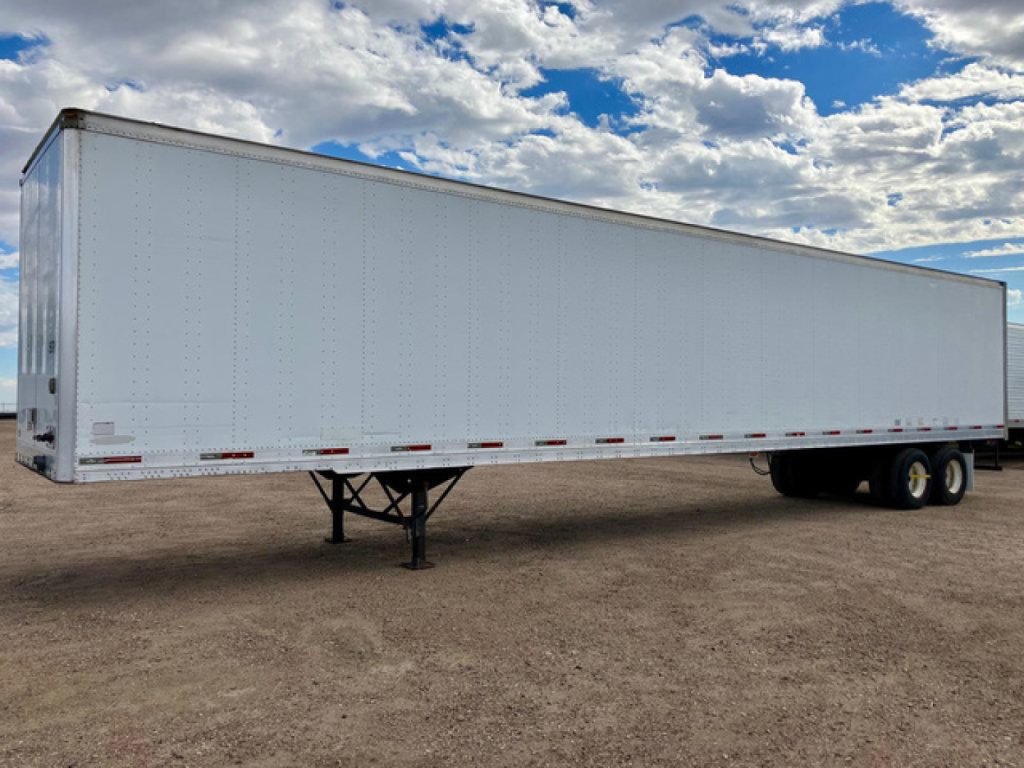

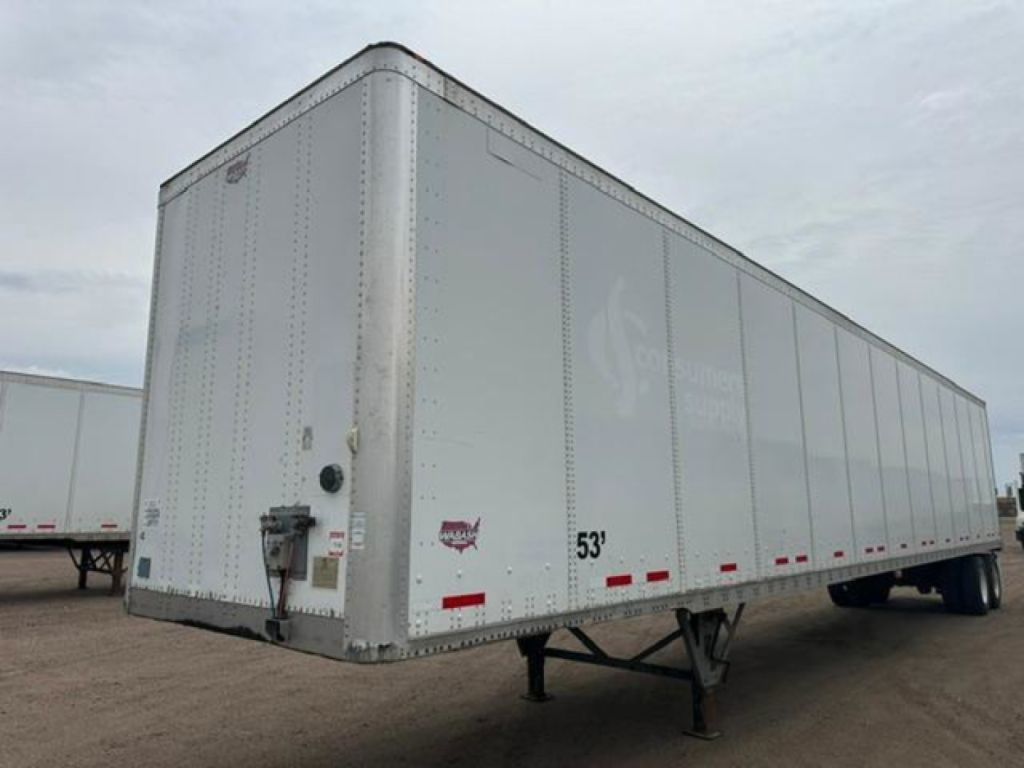
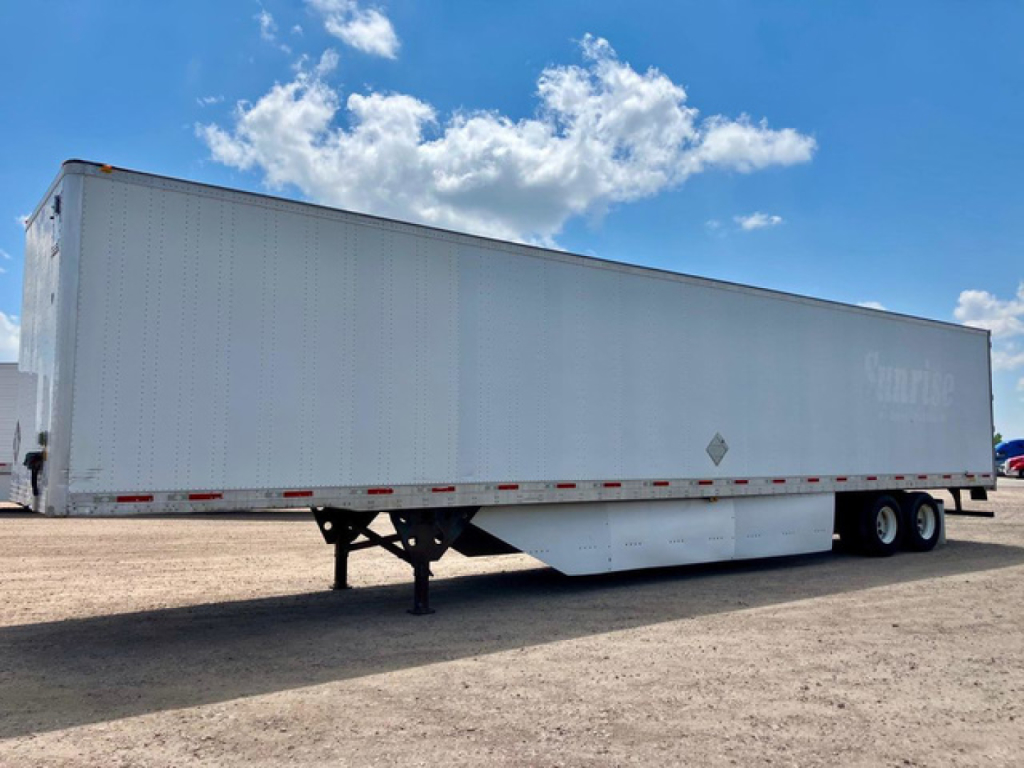
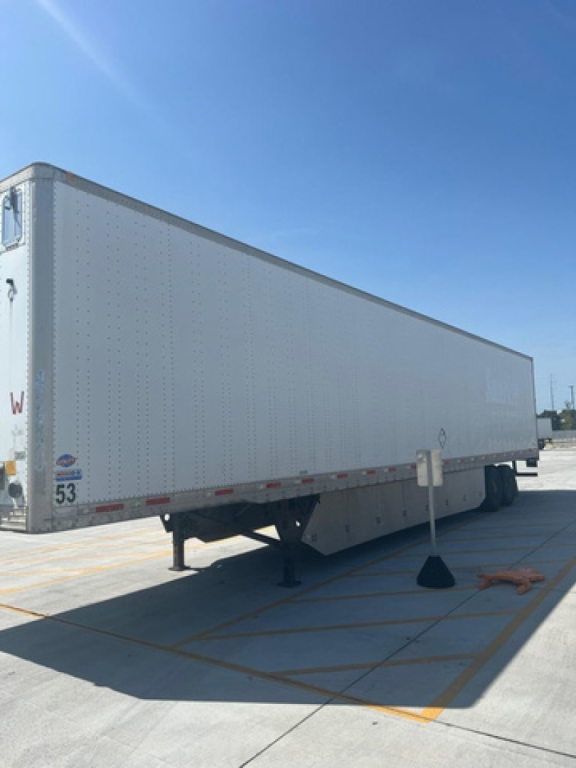
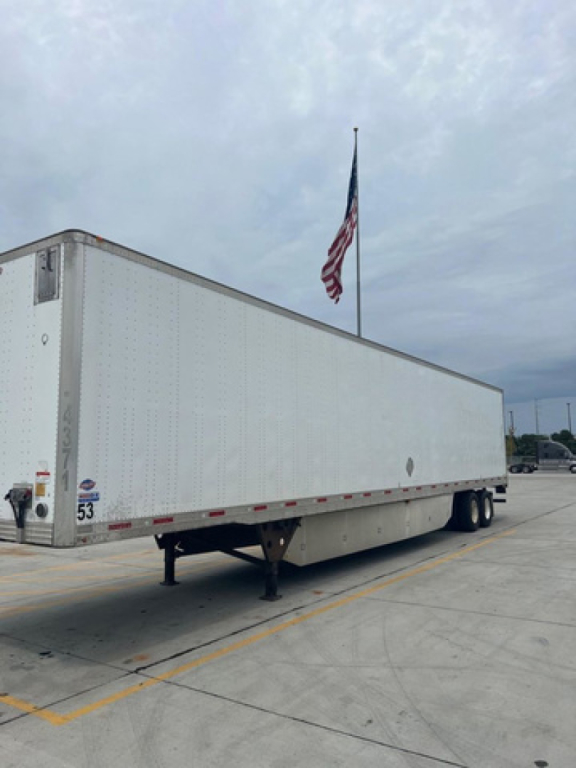
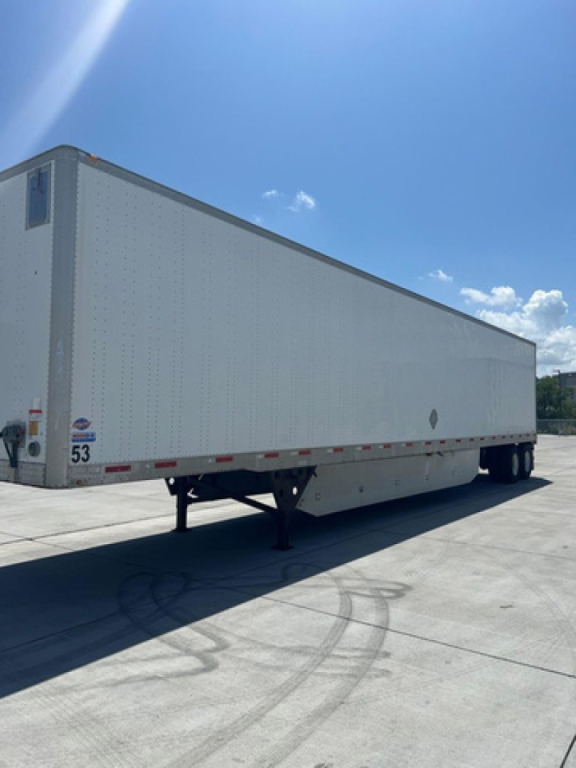
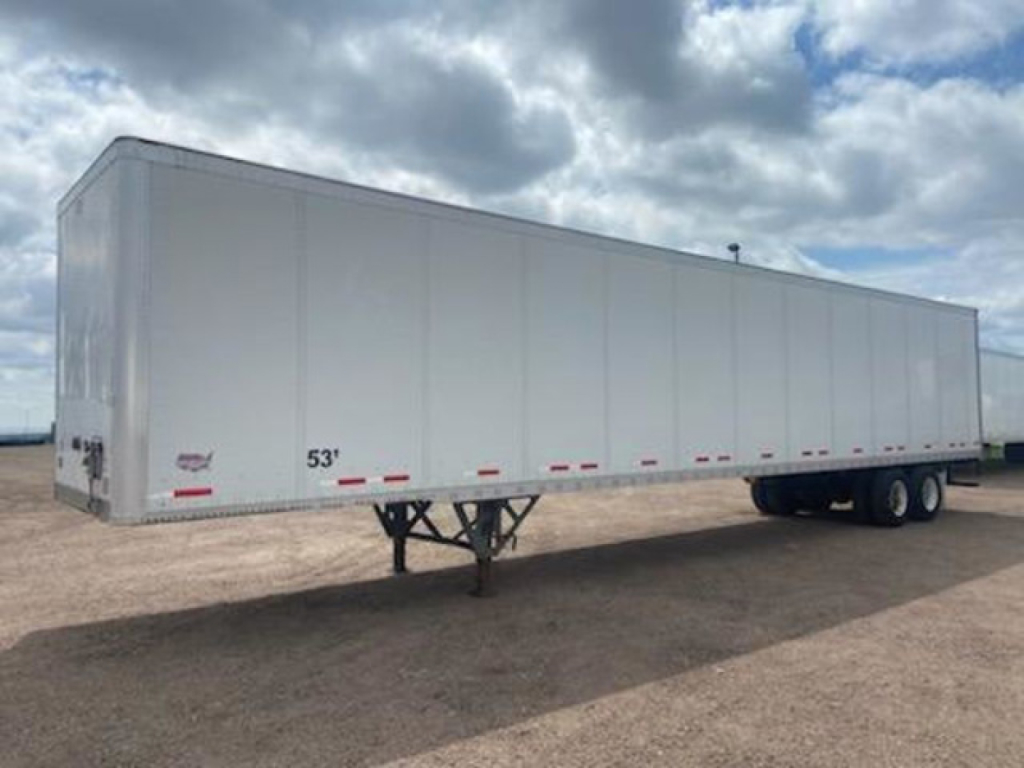
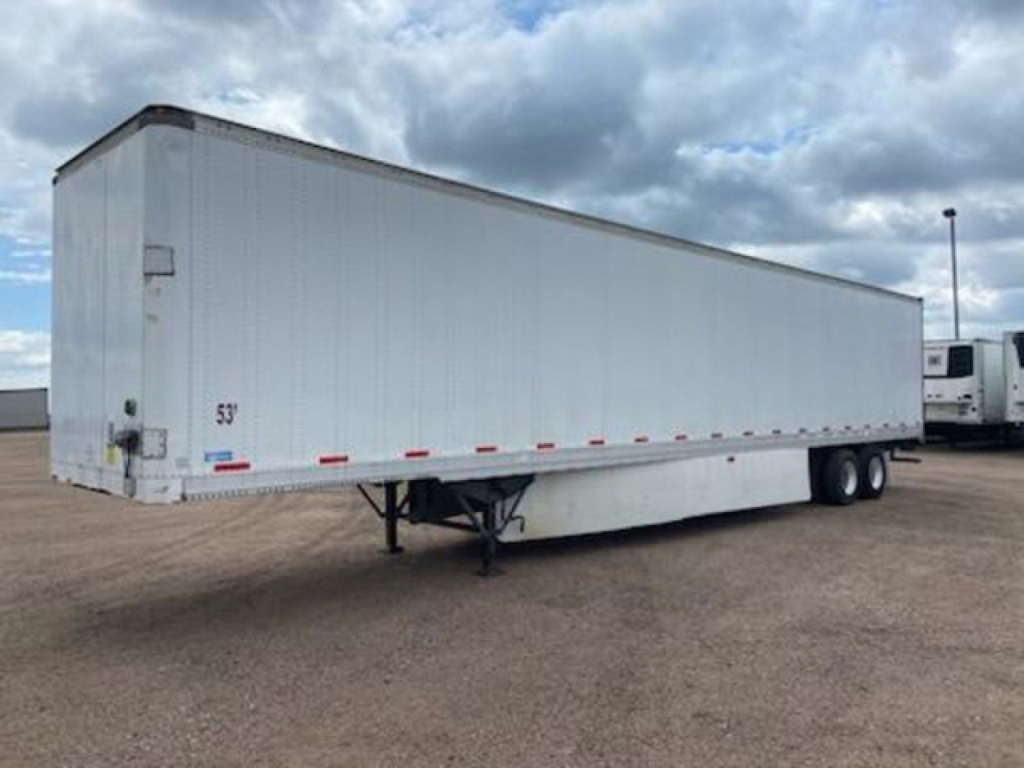
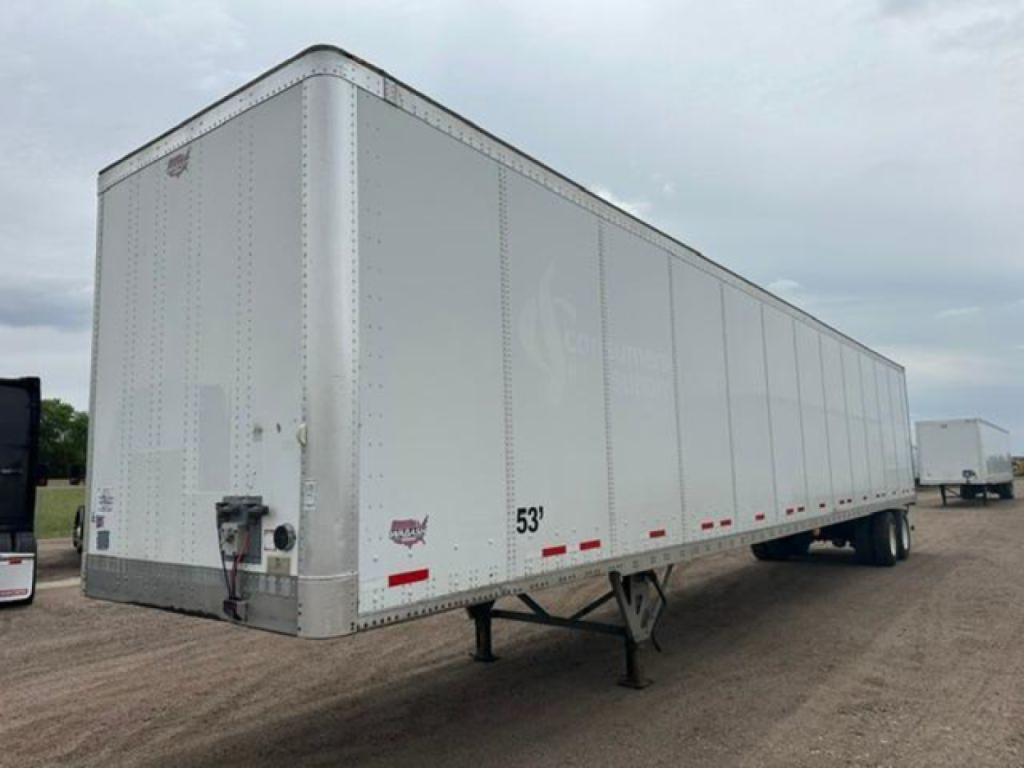
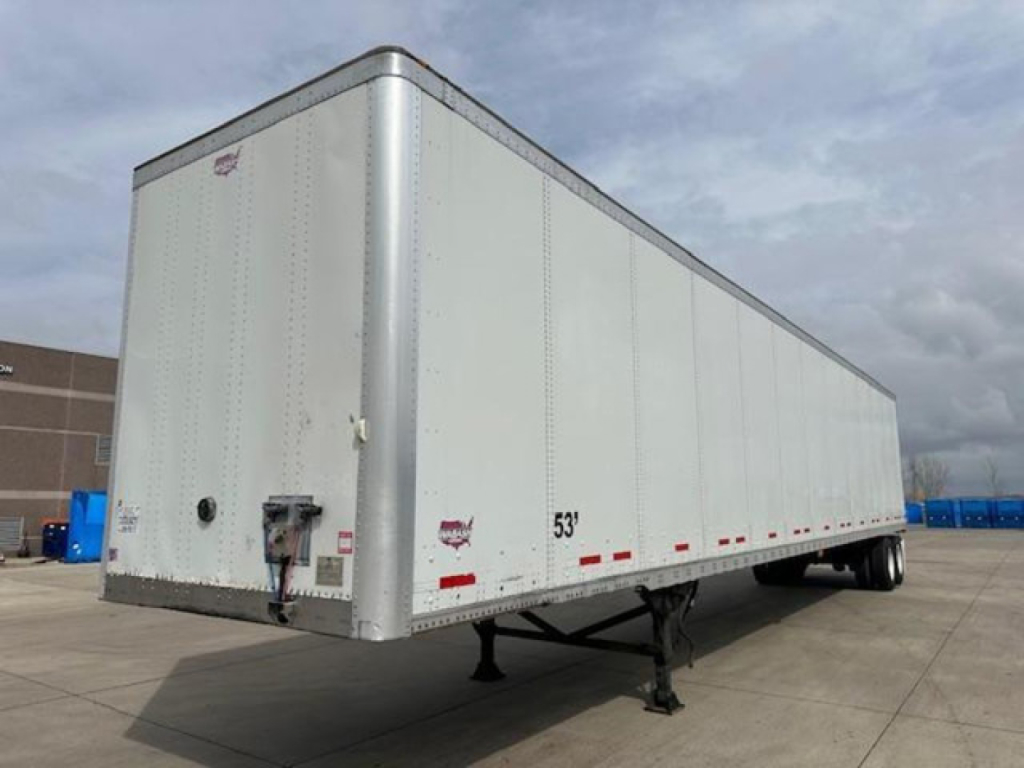
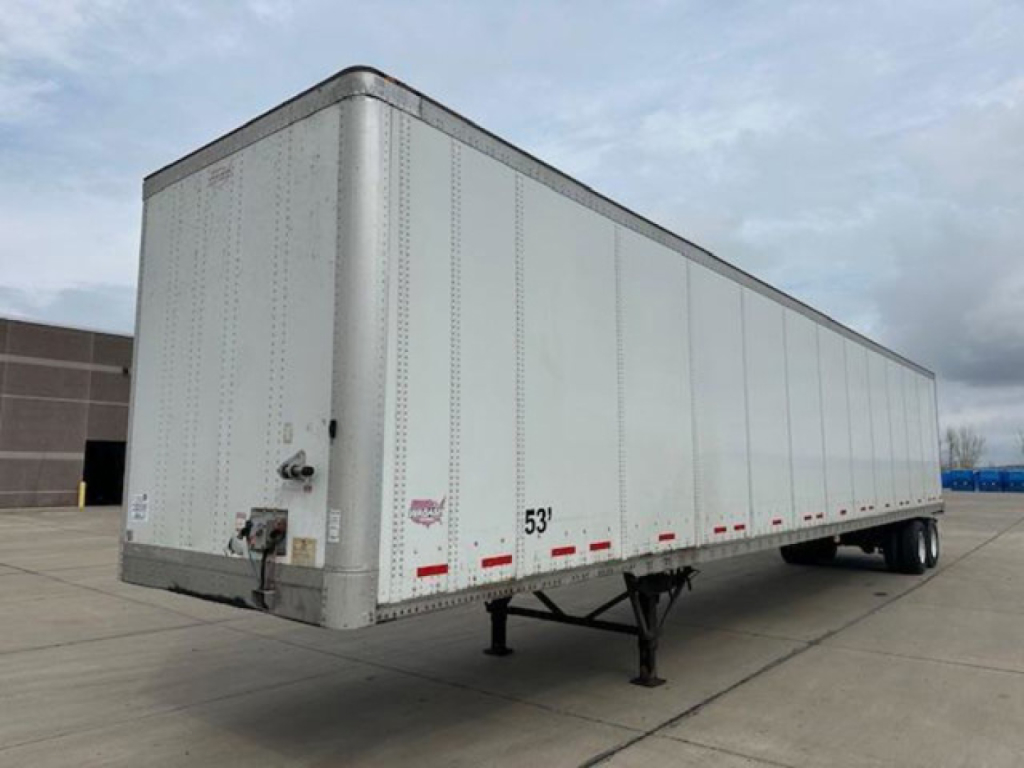

Selling a used dry van trailer? List your used dry van trailer for sale and reach thousands of commercial buyers.
Used Dry Van Trailers in South Dakota
Choose trailer length, door configuration, and floor capacity around the actual loading operation. A 53-foot box trailer suits high-cube highway freight, while shorter trailers can fit constrained delivery yards more comfortably. Swing doors generally provide greater clear opening height than roll-up doors, but roll-up doors suit frequent dock stops without requiring space to swing door panels. Measure the actual rear opening rather than relying on exterior dimensions. Confirm the floor's forklift rating against the loaded lift truck's front axle load, and account for trailer tare weight when calculating payload.
Utility's 4000D-X, Wabash DuraPlate designs, and Stoughton vans are established options worth comparing by construction rather than badge alone. Interior width, wall thickness, scuff protection, and cargo restraint provisions determine how a trailer handles repeated pallet loading. Inspect metal or plastic liners for damage that conceals compromised wall structure. Aluminum roofs need sound seams and attachments; translucent roofs also need inspection for cracking, deteriorated patches, and damage around roof bows.
Across model years, maintenance records and accumulated loading damage matter more than fresh paint. Look underneath for corrosion at crossmembers, suspension hangers, landing gear mounts, and the rear sill, especially on trailers with winter highway service. Probe suspicious floor areas for softness and examine the underside for split boards, failed fasteners, and previous repairs. Check the kingpin and upper coupler plate, door alignment, seals, brake components, wheel ends, and tire wear. Verify ABS operation on equipped trailers, and match inspection and repair records to the trailer identification. Older equipment deserves particular attention to air lines, electrical connections, and structural repairs.
Air ride can help protect freight on rough approaches, but leaking bags, worn bushings, and faulty height-control valves create continuing maintenance demands. Spring suspension eliminates air-suspension components but still requires inspection of springs, equalizers, and mounting hardware. Operate the tandem slider and confirm every locking pin engages before planning load distribution. South Dakota spring load restrictions on affected state and local roads can constrain rural access even when an interstate route is legal. Match axle ratings, axle spacing, loaded weight, and the complete delivery route before committing a trailer to agricultural or distribution work.
Frequently Asked Questions about Used Dry Van Trailers in South Dakota
Can I haul loose grain in a used dry van trailer in South Dakota?
A standard dry van should carry grain in bags, totes, or other secured packaging rather than as loose bulk grain. Ordinary van walls, doors, and floors are not designed as a grain hopper's containment and unloading system. Purpose-engineered bulk systems require separate evaluation. For packaged grain or seed, verify payload, concentrated floor loading, cargo securement, and cleanliness before assigning the trailer to agricultural freight.
Can a dry van combination haul more than 80,000 pounds in South Dakota?
80,000 pounds is the standard federal Interstate gross combination limit, but South Dakota has grandfathered weight allowances that require configuration-specific verification. A dry van's GVWR does not establish the combination's legal highway weight. Axle spacing, individual axle loads, tire ratings, bridge requirements, and the route all matter. Confirm the proposed tractor-trailer configuration with South Dakota's published weight rules, including any seasonal or posted restrictions affecting the delivery road.
What is the minimum legal tire tread depth on a used dry van trailer?
Dry van trailer tires used in federally regulated commercial service must have at least 2/32 inch of tread in a major tread groove. Measurements exclude tie bars, humps, and fillets. That legal minimum is not a good winter purchasing target for South Dakota operations. Inspect casing condition, age, inflation, and uneven wear as well; exposed cords, separation, or other disqualifying damage can make a tire unacceptable despite adequate tread depth.
Can I use a used dry van trailer for storage through a South Dakota winter?
A used dry van can serve as unheated storage if local rules allow the placement and the trailer remains structurally sound and weather-tight. Support the landing gear on a firm, stable surface and secure the parked trailer against movement. Standard van construction does not prevent freezing or condensation. Evaluate roof condition and snow accumulation, keep door seals serviceable, and confirm zoning, fire access, and any permit requirements with the local authority.