
Used Dry Van Trailers For Sale in Ontario
Used dry van trailers for sale in Ontario: compare floor strength, salt corrosion, axle layouts and SPIF requirements before choosing a freight trailer.
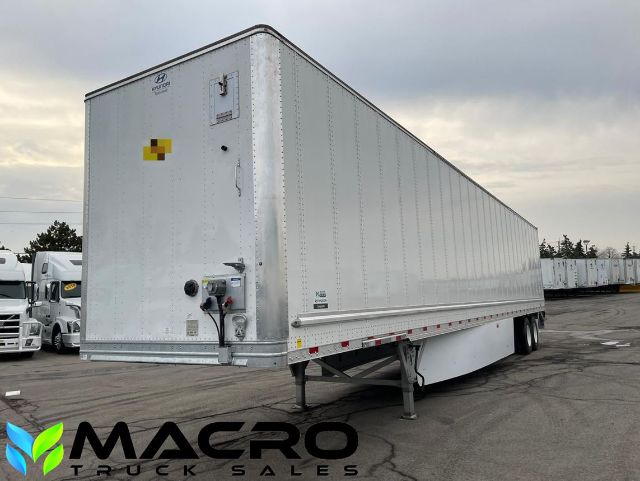
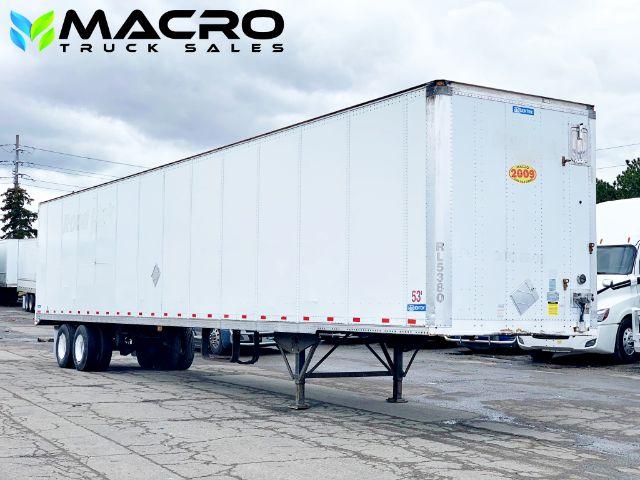
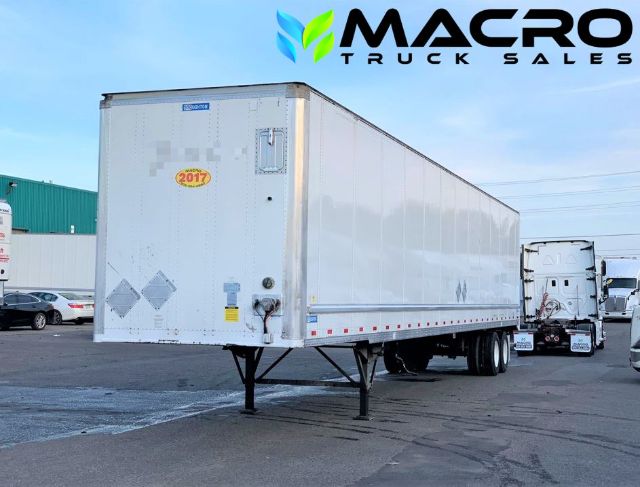
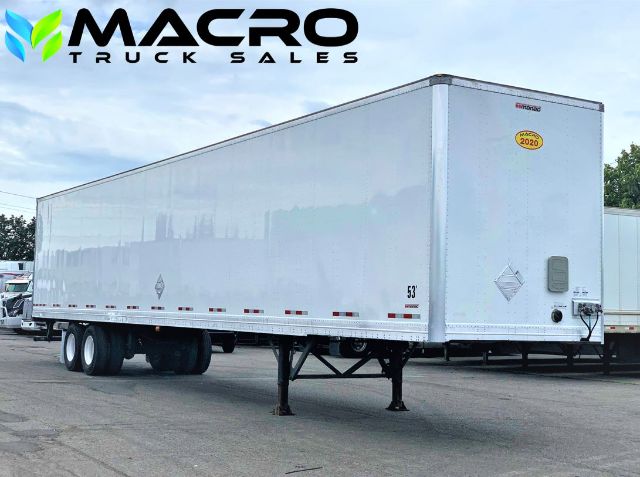
Selling a used dry van trailer? List your used dry van trailer for sale and reach thousands of commercial buyers.
Used Dry Van Trailers in Ontario
Most highway dry vans use a 53-foot body, but usable cube and payload vary with wall construction, floor design and tare weight. Sheet-and-post and plate-wall designs differ in interior width, repair methods and attachment options for cargo restraint. Across makes such as Manac, Hyundai, Stoughton, Wabash, Great Dane and Utility, verify the actual build specification rather than assuming brand or model year determines capacity.
Road salt can damage suspension hangers, crossmembers, landing gear, brake chambers and the steel structure around the upper coupler. Inspect these areas from underneath, including concealed corrosion beneath coatings or repair plates. Walk the floor for soft spots and broken boards, look for daylight or water staining at roof seams, and inspect door seals and locking gear. Check floor ratings against loaded forklift axle loads, and match logistics tracks, scuff liners and roof clearance to loading practices. Check kingpin wear, slider operation, air leaks, brake condition, tire age and uneven wear. Maintenance records, ABS fault history and documented structural repairs matter more than fresh paint.
Ontario's Safe, Productive, Infrastructure-Friendly (SPIF) rules make axle spacing, suspension configuration and load distribution central to legal carrying capacity. A trailer's GVWR does not establish its legal payload on every Ontario route; tractor configuration, registered weight and road or bridge restrictions also matter. Older and newer used trailers need the same structural scrutiny, with added attention to prior floor replacements and suspension rebuilds on higher-use equipment. Verify that replacement axles, tires and repaired components retain the required ratings.
Frequently Asked Questions about Used Dry Van Trailers in Ontario
Does a used dry van trailer need an annual safety inspection in Ontario?
Most commercial dry van trailers operating in Ontario need an annual safety inspection and a valid yellow inspection sticker. Use an authorized commercial vehicle inspection centre, and verify that the inspection report identifies the correct trailer. An annual inspection does not replace required daily inspections or establish the trailer's permissible loaded weight.
Should I choose swing doors or a roll-up door for a dry van trailer?
Swing doors usually provide the better opening for full-height pallet loads, while roll-up doors suit frequent deliveries at tight sites. On a used dry van trailer, compare the actual clear door opening with pallet height and dock equipment. Inspect roll-up tracks, springs and header intrusion, or swing-door hinges, locking rods and available opening clearance.
How do I know whether a used dry van floor can handle my forklift?
The floor's rated forklift axle load, not the trailer's overall payload rating, determines whether a used dry van can handle your loading equipment. Obtain the floor specification and compare it with the forklift's loaded axle weight and tire contact area. Check repaired sections separately, because replacement boards alone do not restore damaged crossmembers or original structural capacity.
Will an Ontario-spec tridem dry van carry more legal weight in the United States?
A tridem dry van does not automatically gain legal payload on U.S. Interstate highways; ordinary non-permitted combinations are generally limited to 80,000 pounds gross. State rules, axle spacing, bridge-formula limits and permits can change the outcome. Verify both the Ontario SPIF configuration and the rules for every U.S. jurisdiction on the route before choosing an extra axle solely for payload.
Is automatic tire inflation worth having on a used dry van trailer?
Automatic tire inflation can reduce underinflation-related tire wear on a used dry van, but the system must hold pressure and match the tire specification. Inspect hub seals, hoses, rotary unions and the control setting, then test operation with the trailer supplied with air. An inflation system does not correct alignment problems, overloaded axles or damaged tires, so budget for those repairs separately.