
Used Dry Van Trailers For Sale in North Carolina
Used dry van trailers for sale in North Carolina: compare floor ratings, water damage, tandem condition, and route limits before choosing a trailer.
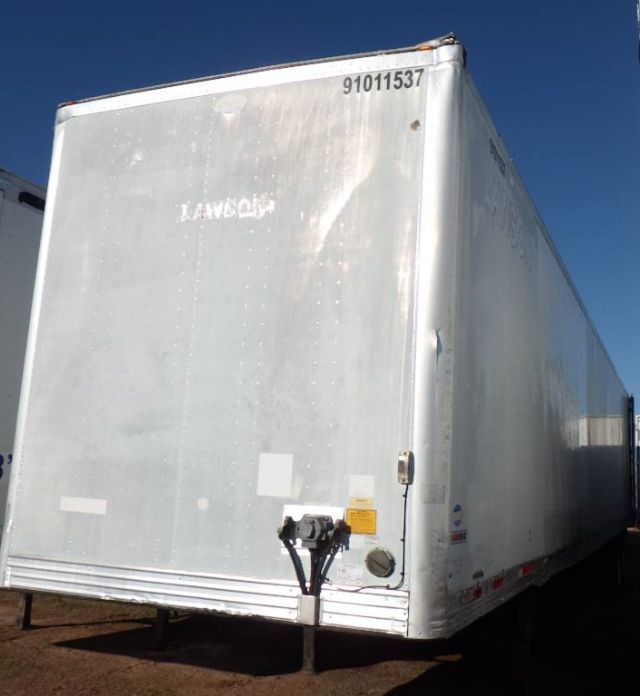
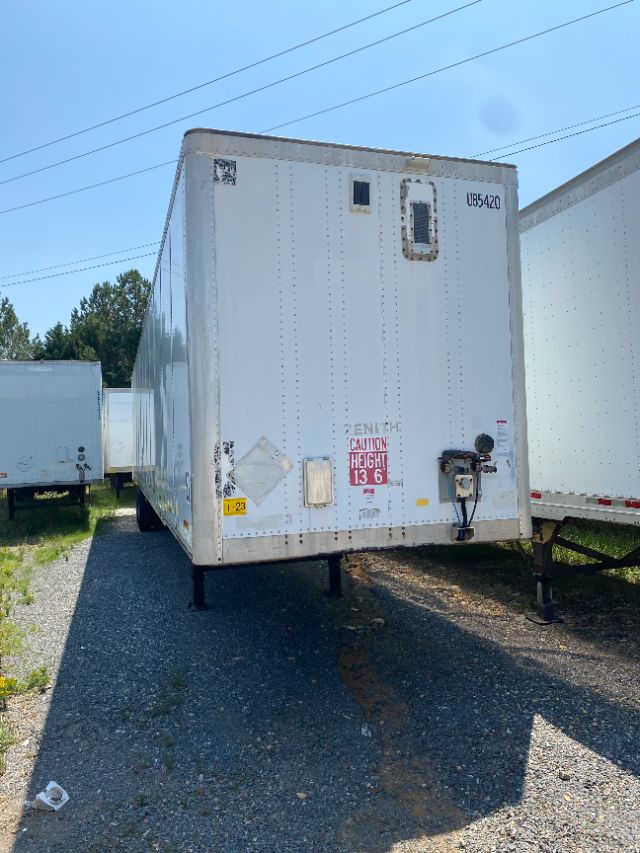
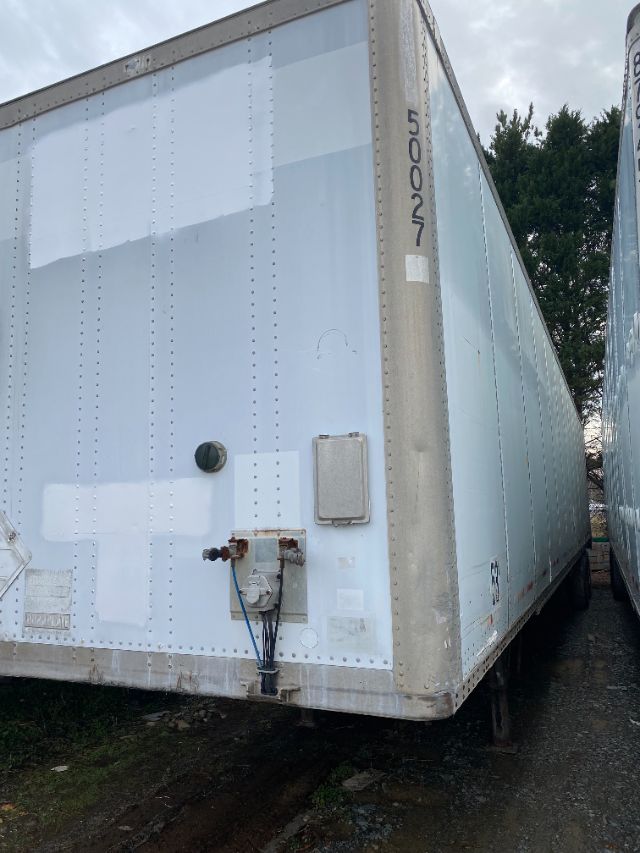
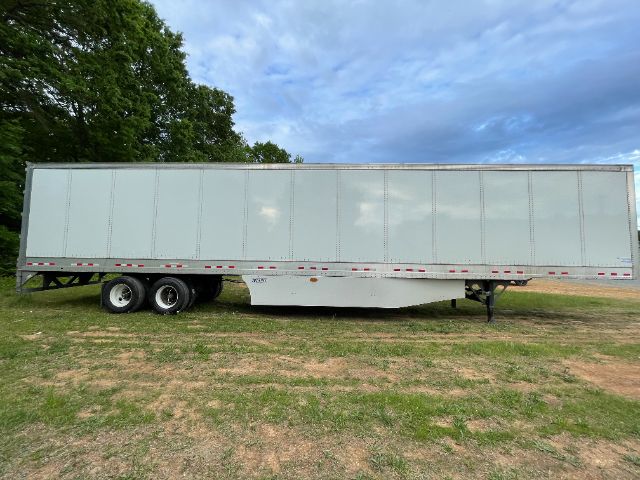
Selling a used dry van trailer? List your used dry van trailer for sale and reach thousands of commercial buyers.
Used Dry Van Trailers in North Carolina
Composite-panel and sheet-and-post vans differ in tare weight, interior width, and repair procedures, so compare actual specifications rather than judging by exterior appearance. Wabash DuraPlate is one familiar composite design; other manufacturers offer different wall systems. Verify the floor's forklift axle-load rating against the loading equipment, especially with heavy palletized goods. Crossmember spacing, threshold reinforcement, and logistics-post condition deserve attention. Air-ride suspension can protect freight, but worn height-control valves, air springs, and shocks create maintenance work.
North Carolina humidity and coastal storm exposure make water intrusion a priority on used van trailers. Inspect roof seams, upper rails, front corners, door seals, and the underside of wood flooring for staining, softness, or delamination. Check crossmembers and suspension hangers for corrosion, including damage carried south by trailers previously operated in salted-road regions. Request maintenance records, annual inspection documentation, and structural repair history. Examine the kingpin, upper coupler, landing gear, brake chambers, ABS wiring, and tire wear before accepting seller condition descriptions. Age alone does not establish condition: a newer van can have concentrated floor damage, and an older van can carry undocumented roof or wall repairs.
Sliding-tandem position must satisfy axle loading and North Carolina route restrictions, not just dock access. Verify legal truck routes and bridge postings before sending a 53-foot van onto secondary roads, and test slider pins for full engagement. Western mountain work makes balanced brakes particularly important; coastal and rural deliveries also require checking yard surfaces, turning room, and landing-gear support.
Frequently Asked Questions about Used Dry Van Trailers in North Carolina
How do I know whether a used dry van floor can handle my forklift?
The manufacturer's forklift axle-load rating is the deciding specification, not the dry van's cargo payload rating. Determine the loaded forklift's axle loads and compare them with the documented floor rating. Crossmember spacing alone does not establish capacity. Inspect floor fasteners, board joints, threshold supports, and previous repairs because deterioration can compromise an otherwise suitable floor design.
What weight limits apply to a dry van trailer on North Carolina Interstates?
80,000 pounds gross is the standard Interstate limit for a conventional tractor and dry van combination in North Carolina. Standard limits also include 20,000 pounds on a single axle and 34,000 pounds on a tandem. Federal Bridge Formula requirements can reduce allowable weight based on axle spacing. Calculate payload after subtracting actual tractor and trailer weight, and observe lower equipment ratings or posted limits.
Does food-grade mean a used dry van can haul any food product?
No, food-grade does not mean a used dry van is refrigerated or approved for every food shipment. Shelf-stable packaged products may suit a clean, dry van, while temperature-sensitive freight requires appropriate temperature-controlled equipment. Check previous cargo, odors, pest evidence, leaks, and cleaning records. The shipper's sanitation and loading requirements determine whether the trailer is acceptable.
Is a current inspection sticker enough when buying a used dry van?
No, a current annual inspection does not establish the remaining life of a used dry van's floor, tires, brakes, or structural repairs. Trailers used in federally regulated commercial service must pass a periodic inspection at least every 12 months. Obtain the inspection report and repair records, then arrange a separate purchase inspection that includes the underside, wheel ends, air system, and cargo structure.
Does the 12% federal excise tax apply to a used dry van trailer?
An ordinary resale of a used dry van trailer generally is not subject to the 12% federal excise tax imposed on the first retail sale of qualifying heavy trailers. A substantially rebuilt trailer can require separate tax review. Confirm prior retail-sale status and the transaction's tax treatment on the purchase paperwork; state sales or use tax is a separate issue.