
Used 2014 Dry Van Trailers For Sale
Compare used 2014 dry van trailers for sale by floor condition, roof leaks, axle layout, and door clearance for linehaul or local delivery work.
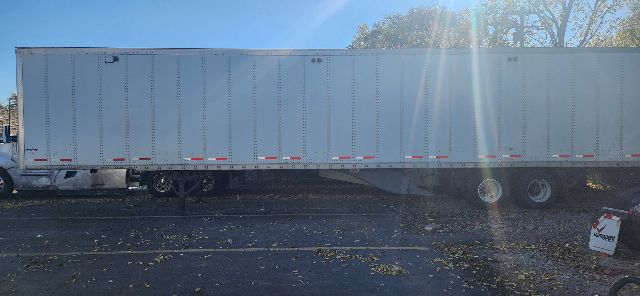
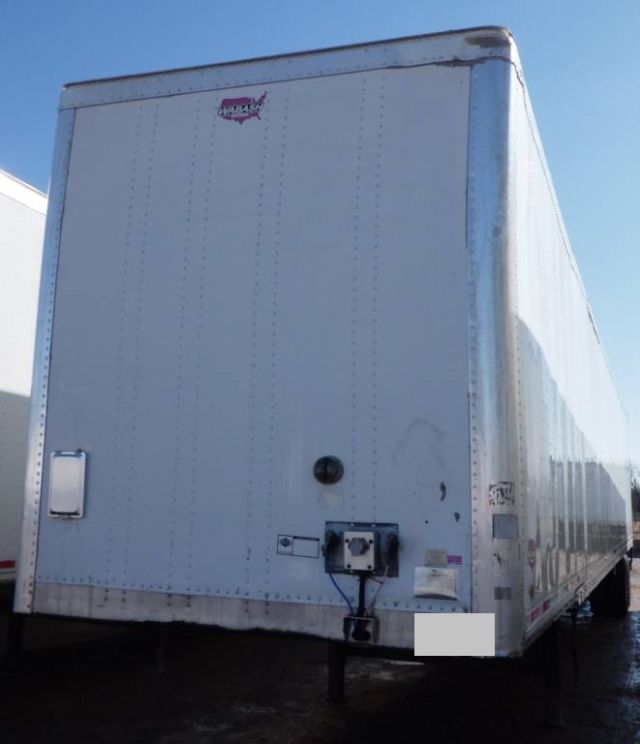
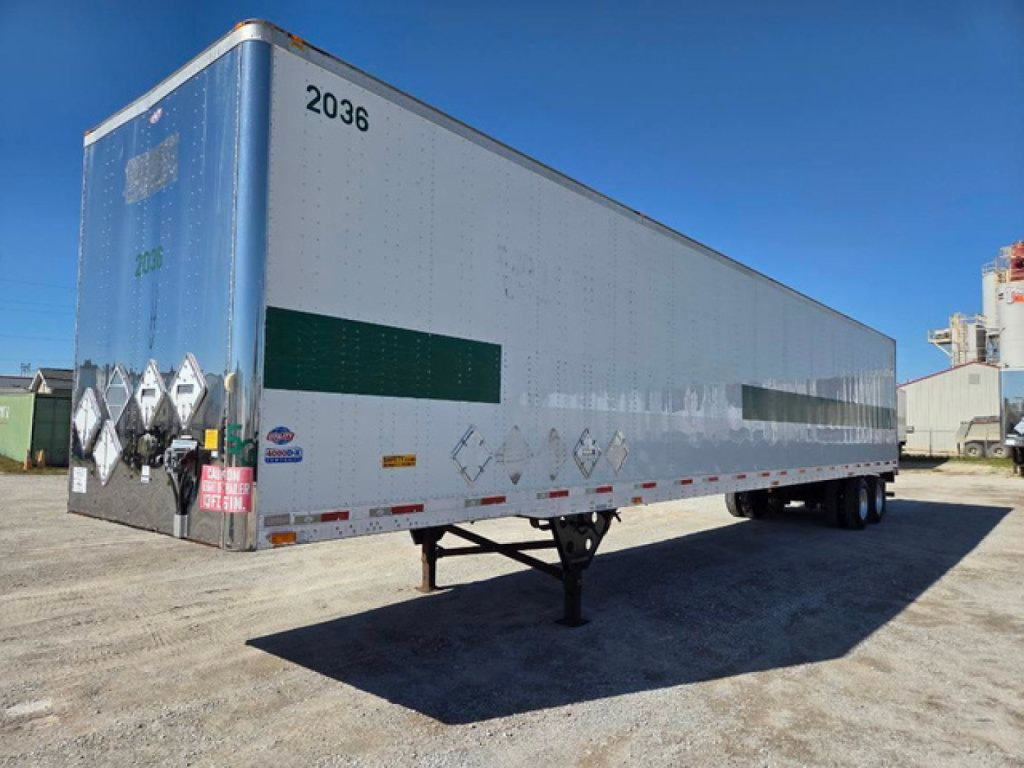
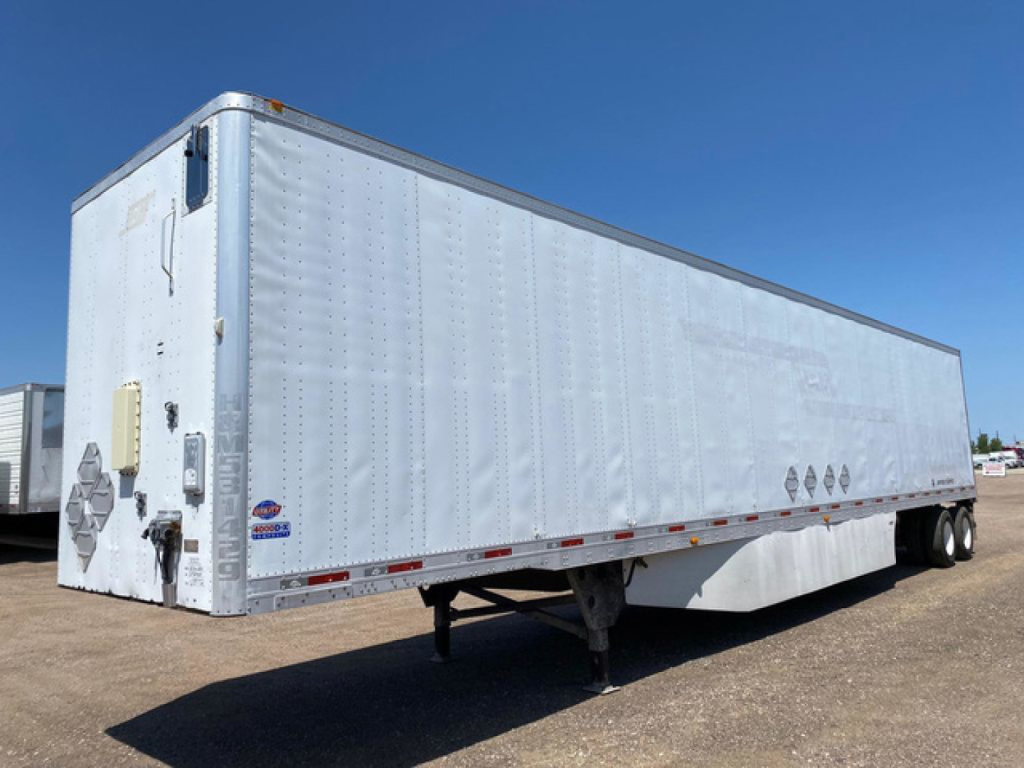
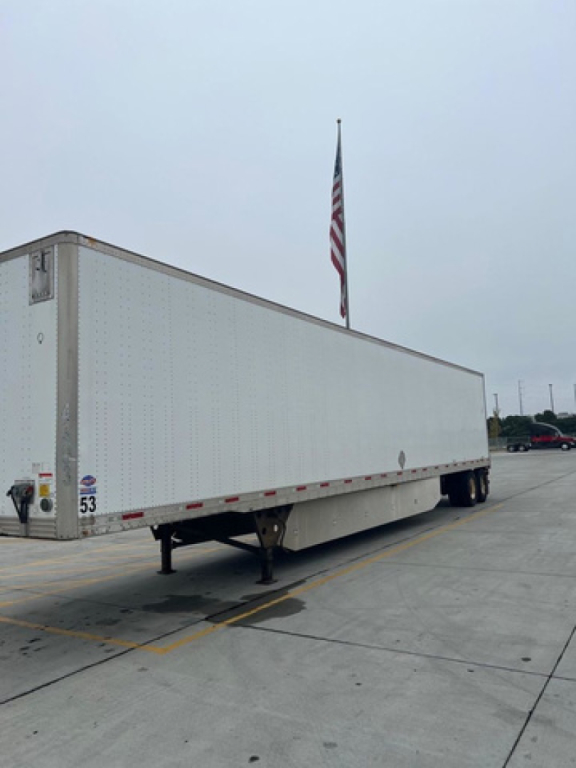
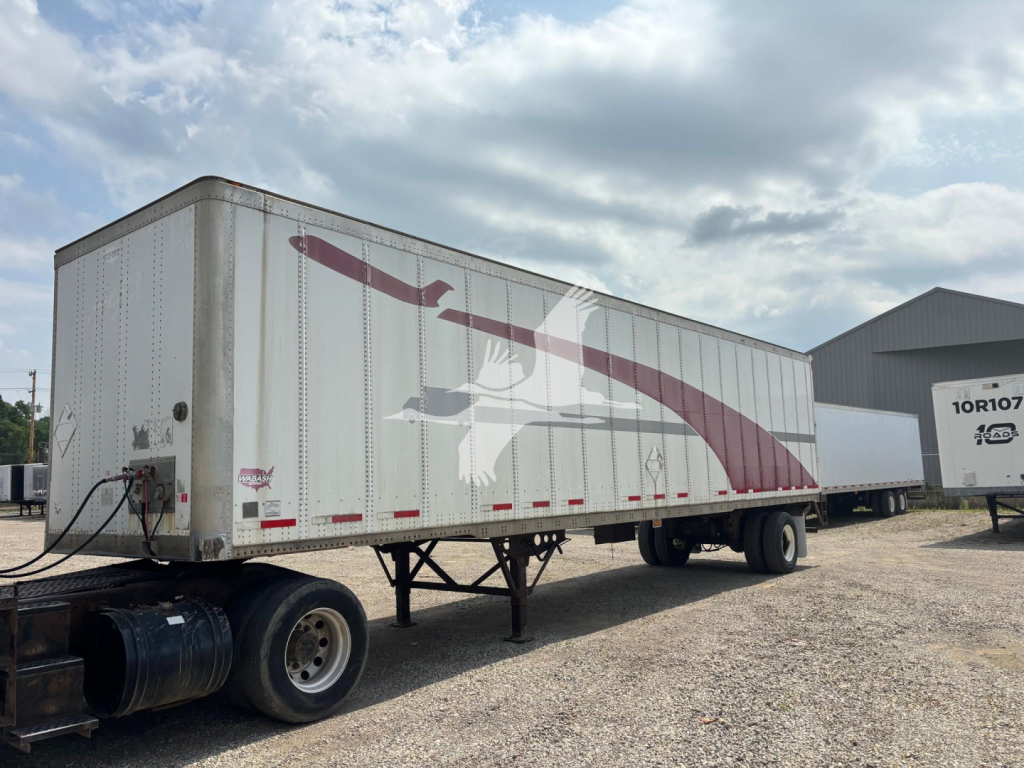
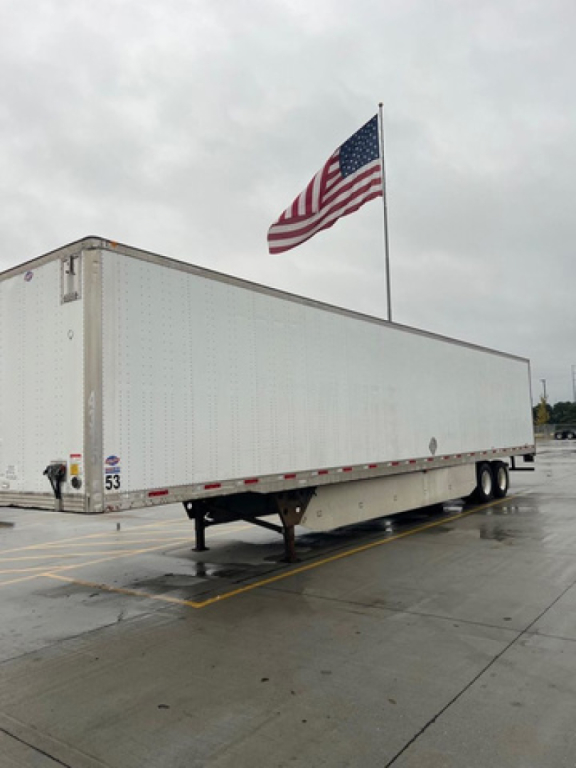
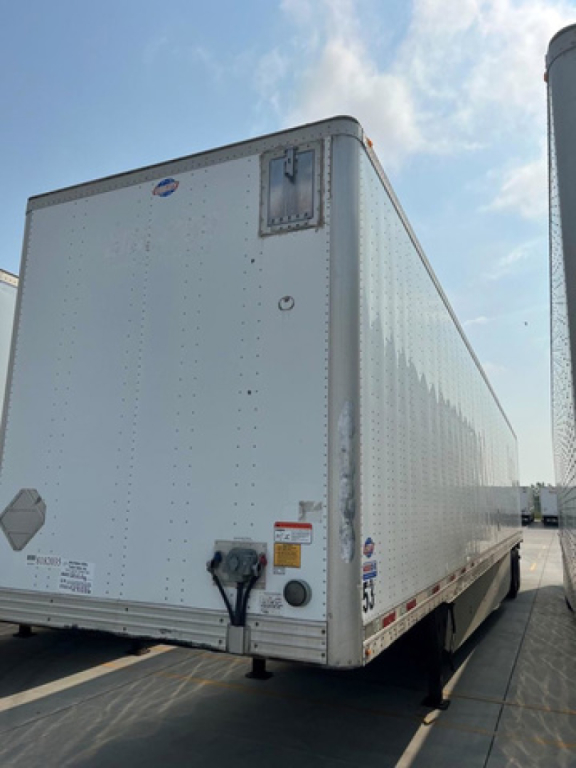
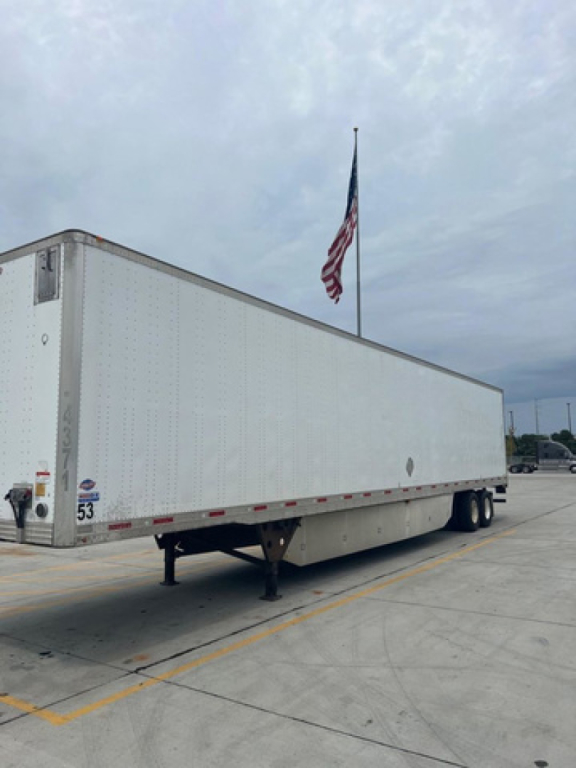
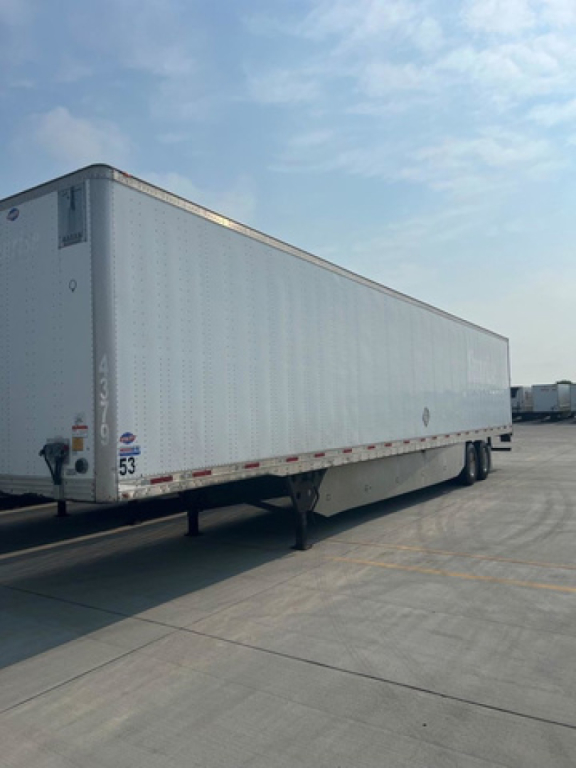
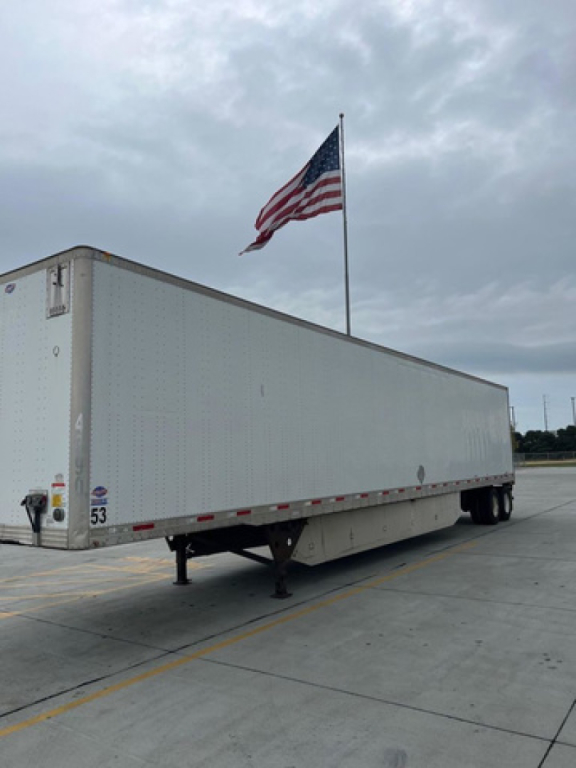
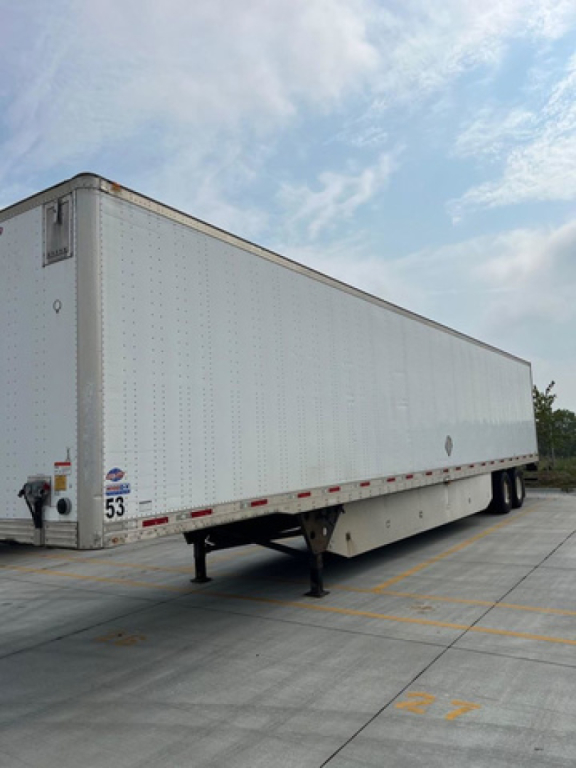
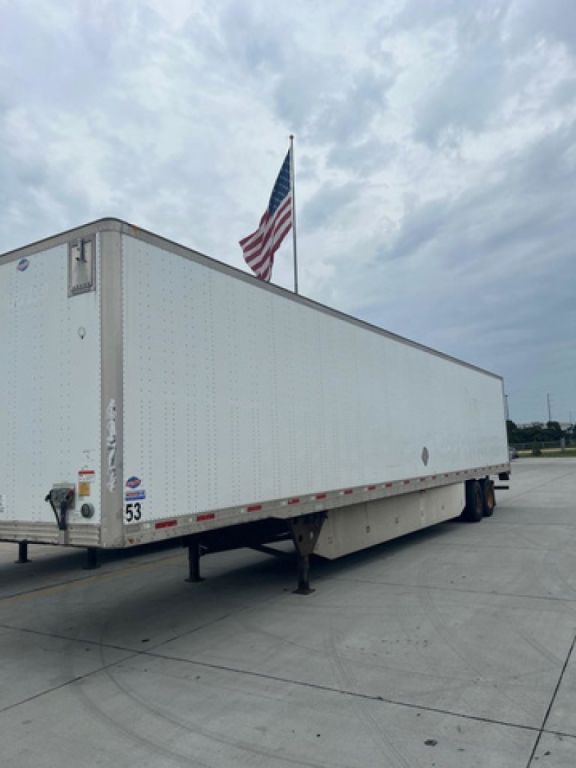
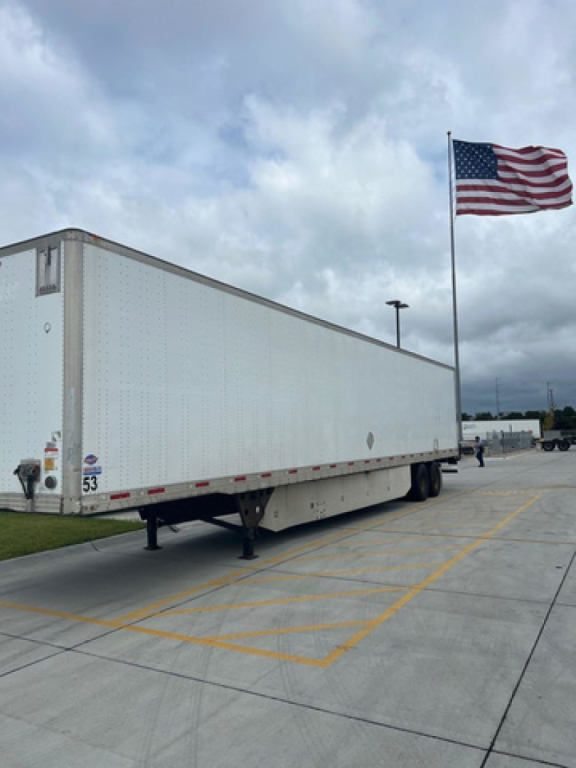
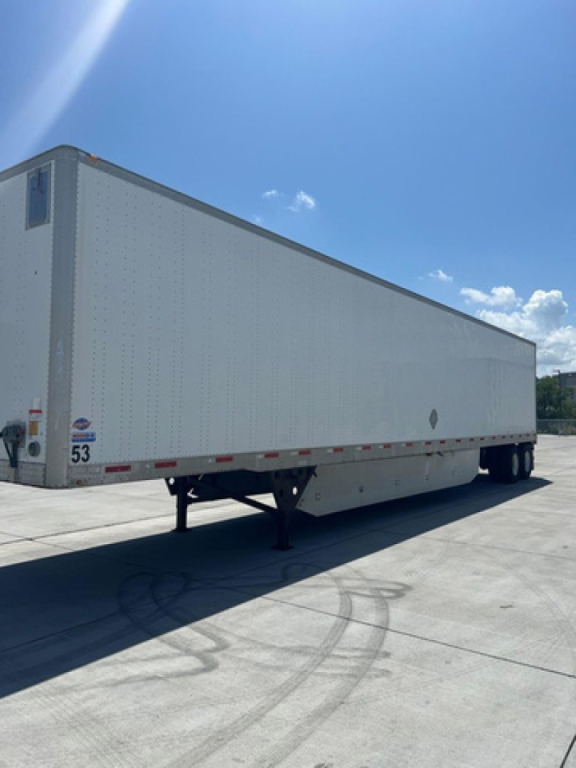
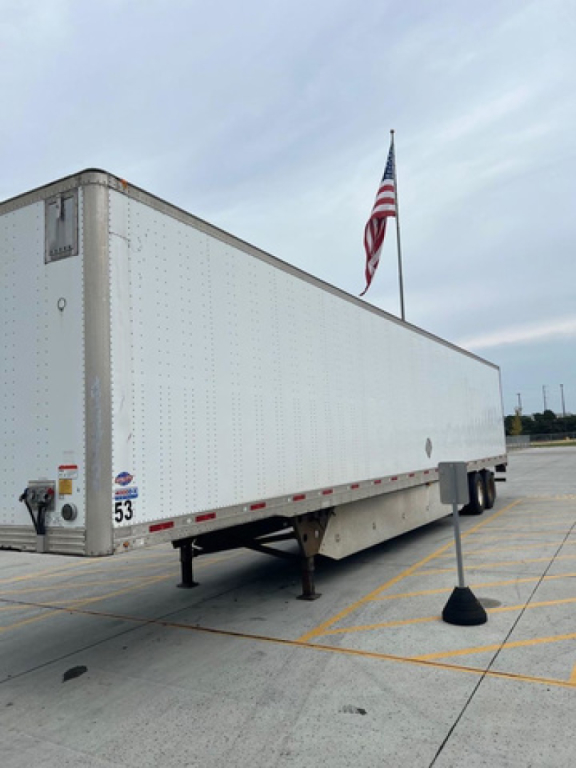
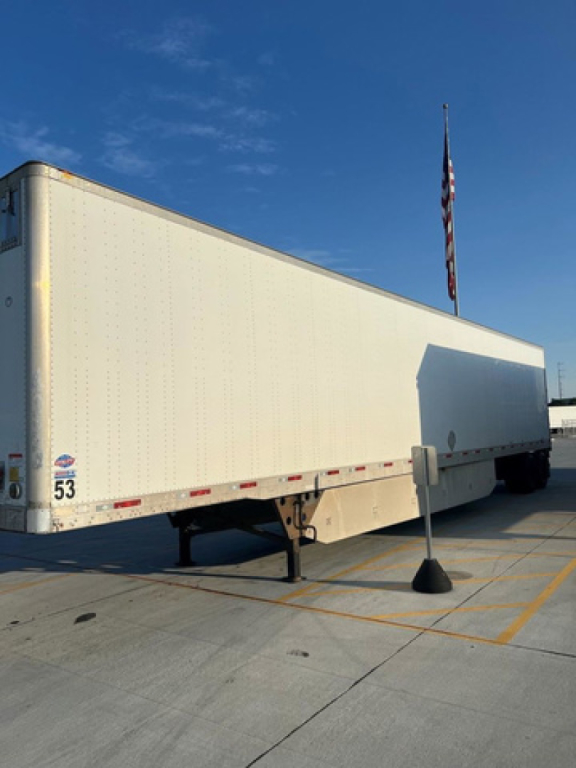
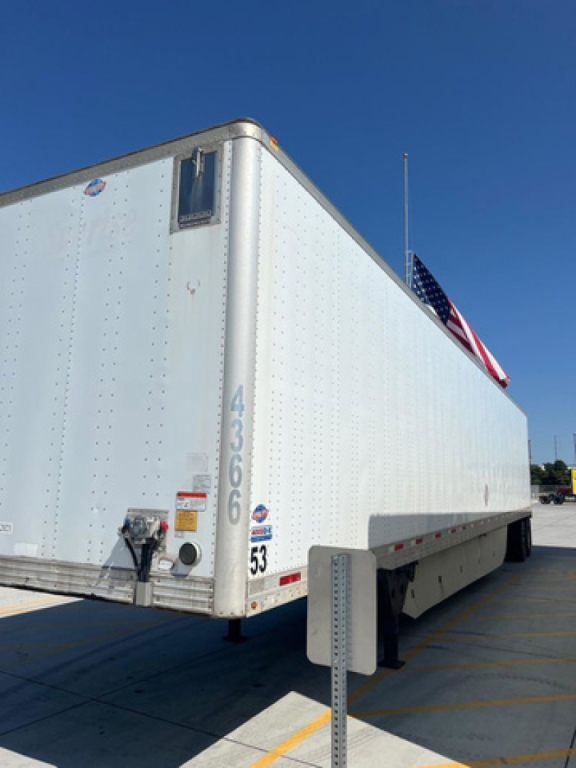
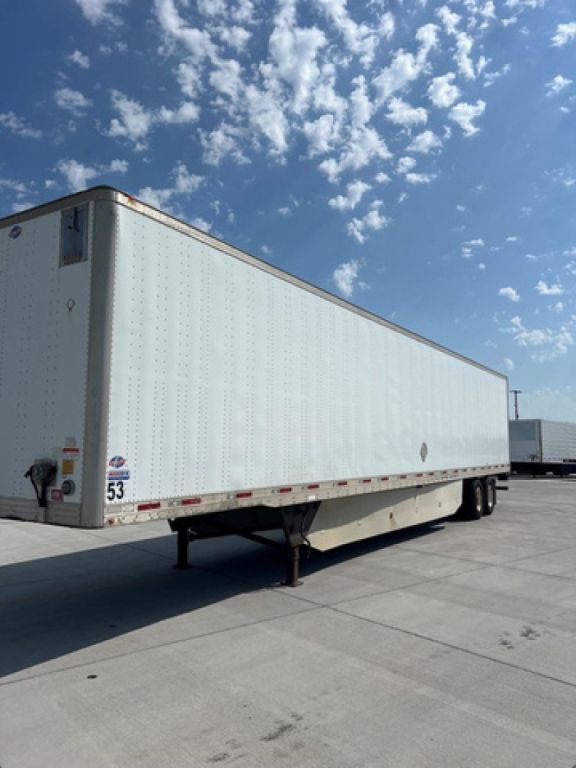
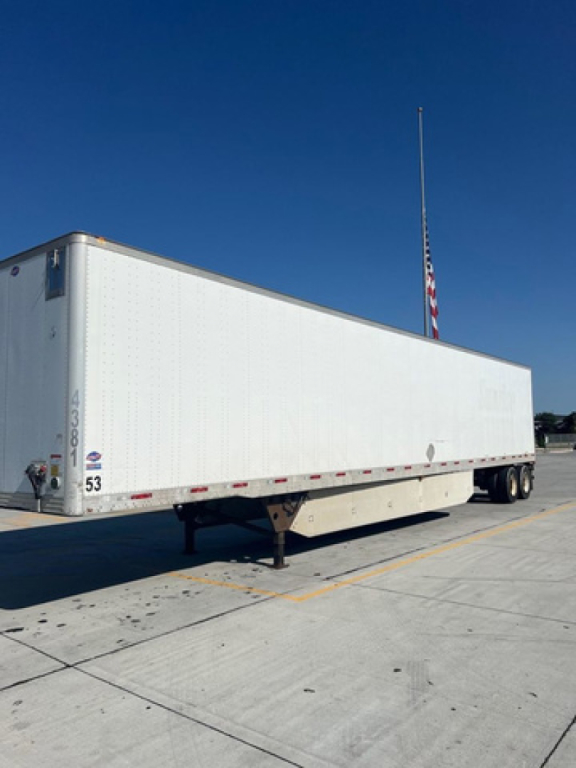
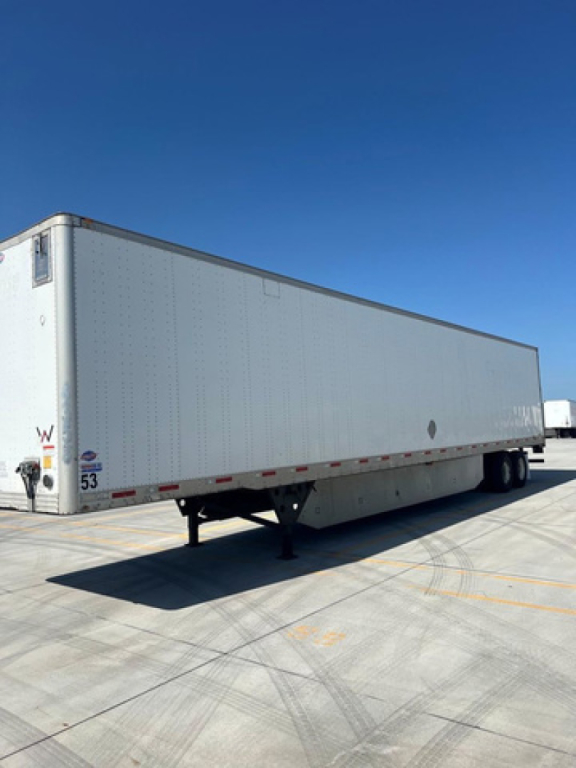
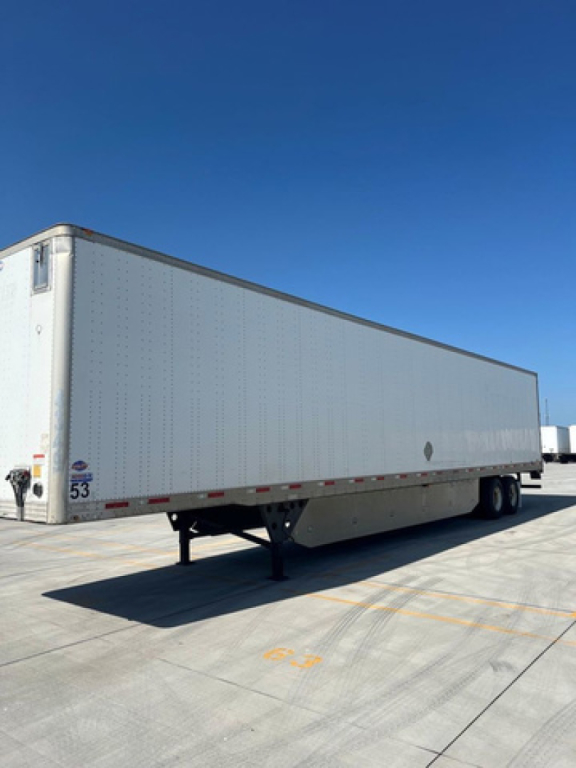
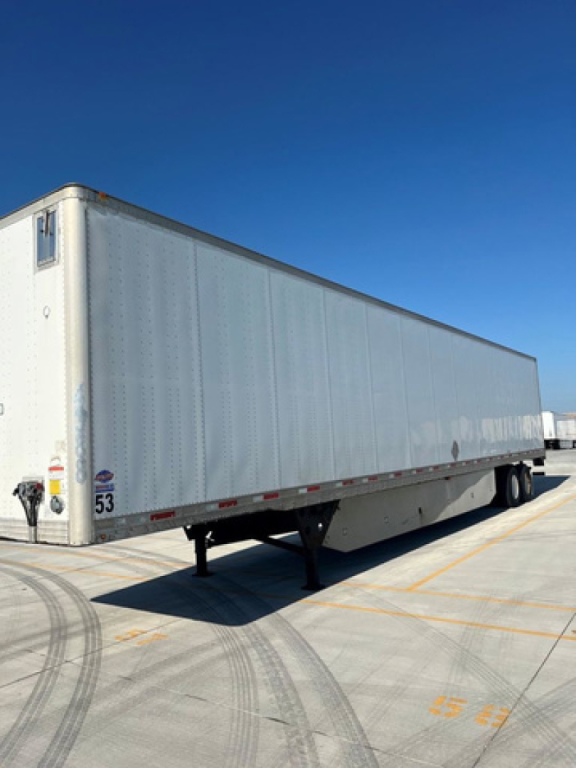
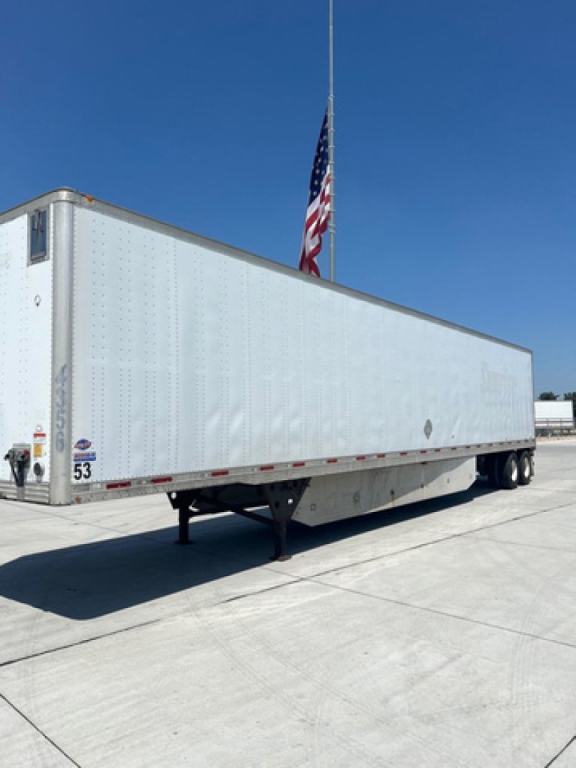
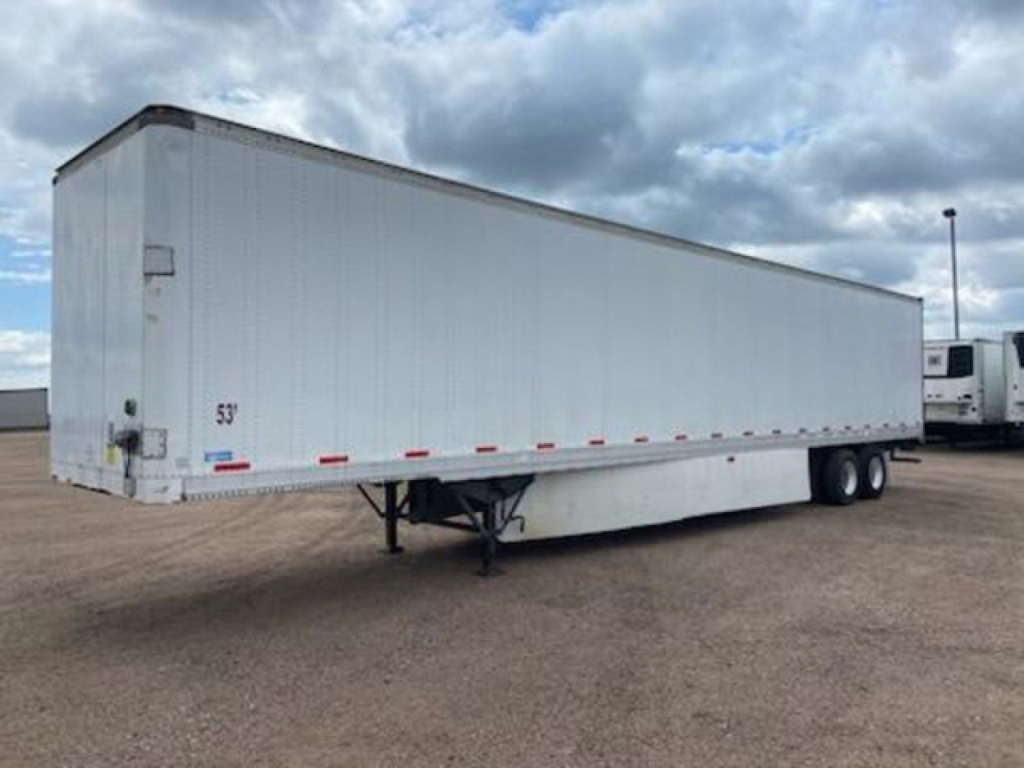
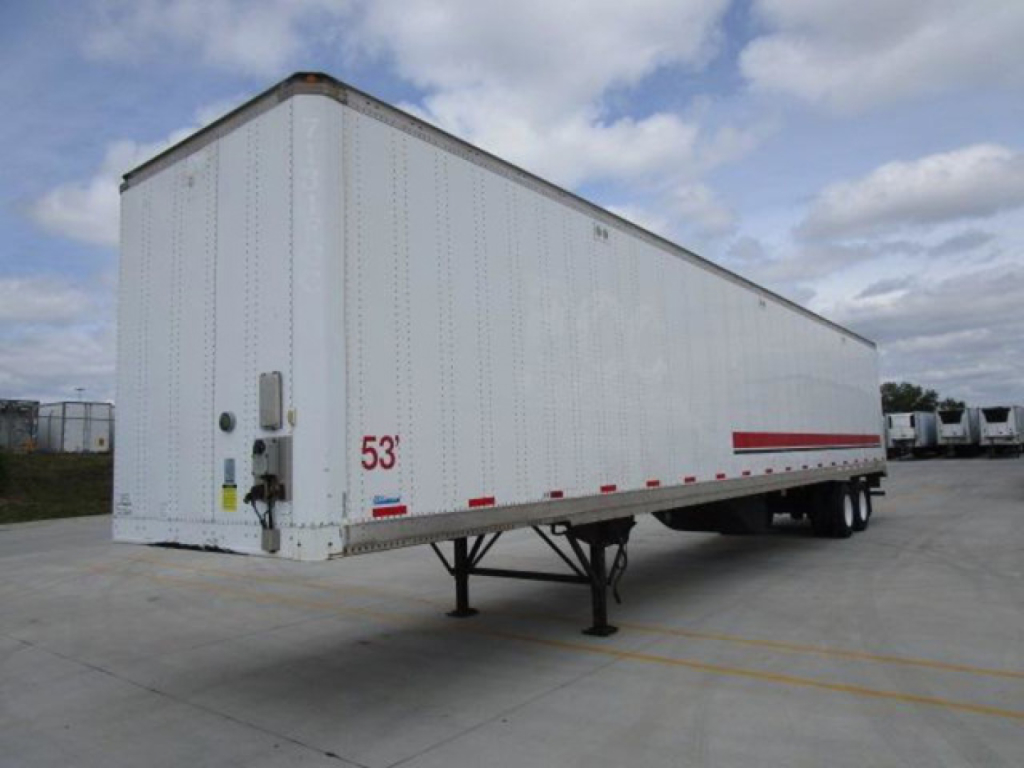
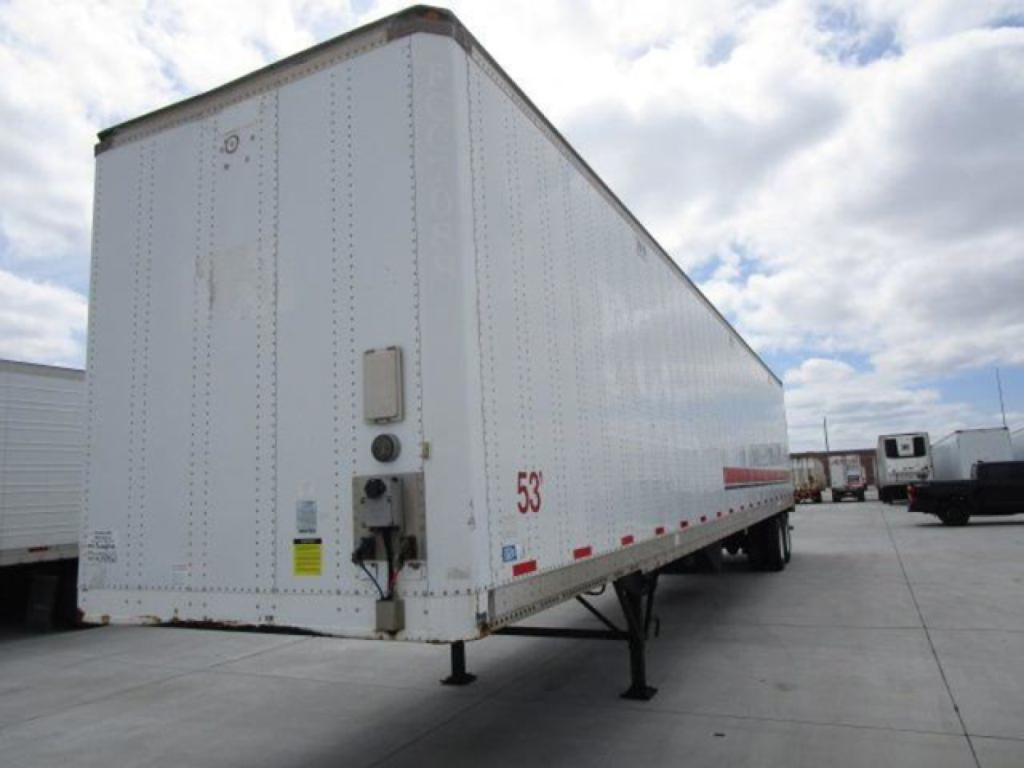
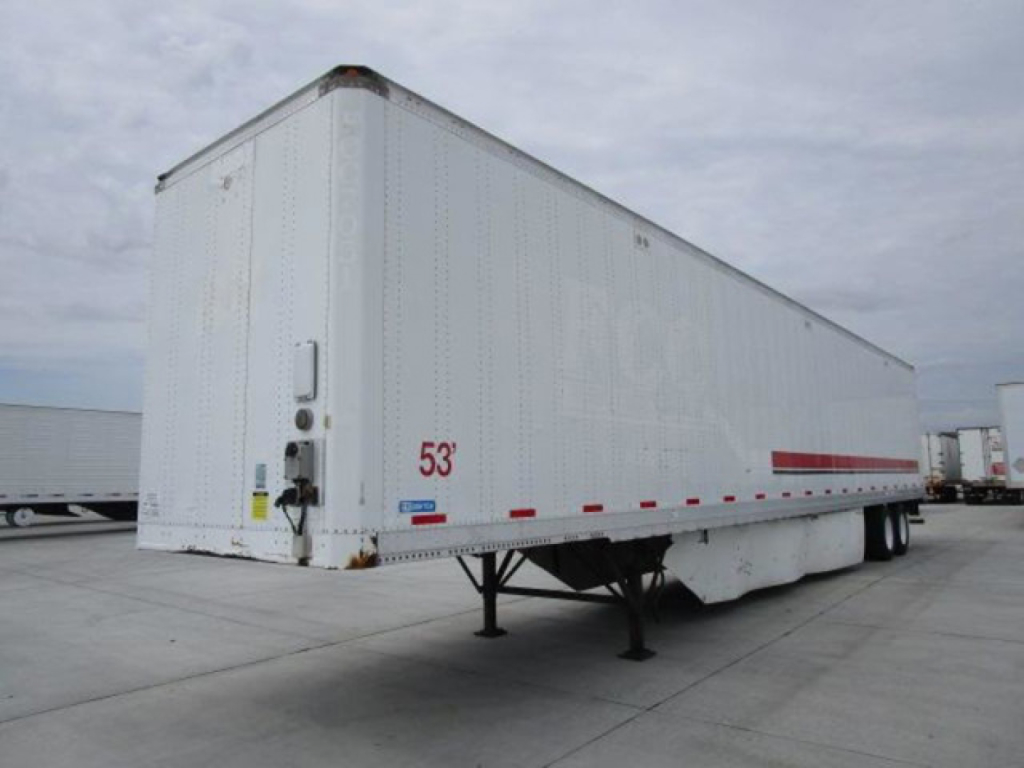
Showing 1 to 28 of 76 results
Selling a used 2014 dry van trailer? List your used 2014 dry van trailer for sale and reach thousands of commercial buyers.
Used 2014 Dry Van Trailers
Choose length and door configuration around the work. A 53-foot box trailer suits high-volume highway freight, while 28-foot pups and 40- or 48-foot vans can fit terminal operations and tighter delivery sites. Swing doors generally preserve more opening height; roll-up doors simplify frequent dock stops but require overhead clearance inside the body. Measure the actual rear opening and usable interior, not just exterior dimensions. Across makes, composite, plate, and sheet-and-post walls differ in interior width, damage resistance, and repair methods. Check logistics posts and scuff liners against your load-securement requirements.
Inspect the wood floor from above and below, concentrating on the rear threshold, patched sections, soft spots, and crossmember connections. Roof seams, translucent panels, upper rails, and door seals deserve a water-intrusion check because old leaks can damage both freight and structure. Examine the kingpin area, landing-gear mounts, suspension hangers, rear frame, and underride guard for corrosion, cracks, and questionable weld repairs. Move the sliding tandem through its travel and confirm every locking pin seats fully. Review brake and wheel-end service records, test ABS operation, and inspect tires for age, mismatched sizes, and irregular wear. Air-ride trailers also need sound bags, mounts, and height-control components.
Regional service history matters across the United States and Canada: road salt can attack steel crossmembers and brake components, while sun exposure ages sealants and roof materials. Verify axle spacing, kingpin-to-rear-axle dimensions, and loaded weights against every intended state or provincial route rather than treating GVWR as legal payload. For ownership planning, separate immediate brake, tire, roof, and floor work from longer-term structural repairs before accepting a trailer as road-ready.
Frequently Asked Questions about Used 2014 Dry Van Trailers
How much weight can a 2014 dry van trailer legally haul?
Legal cargo weight is the permitted combination weight minus the actual tractor, trailer, fuel, and equipment weight. On most US Interstate routes, the standard federal gross limit is 80,000 pounds, subject to axle and bridge-formula limits. A 2014 dry van's GVWR does not override those limits. Canadian allowances vary by province, axle configuration, spacing, and route.
How do I know if a 2014 dry van floor can handle my forklift?
The trailer's documented floor rating must cover the forklift's loaded front-axle load, not just the cargo weight. Obtain the original floor specification and account for the forklift, attachment, and load together. Repairs, deteriorated wood, and damaged crossmembers can reduce usable capacity, so an older dry van may need a structural assessment even when its original rating looks sufficient.
Can any 28-foot dry van trailer be used in doubles?
A 28-foot dry van is not automatically equipped or approved for doubles service. Verify the rear coupling, mounting structure, air and electrical connections, and manufacturer-approved configuration before pairing the trailer with a converter dolly. US doubles operation also requires the appropriate driver endorsement and an authorized route; Canadian licensing and combination rules vary by province.
What should I inspect on a liftgate-equipped 2014 dry van?
Verify the liftgate's rated capacity at the intended load position, including the pallet jack and any operator riding on the platform. On a 2014 dry van, inspect platform hinges, mounting structure, hydraulic leaks, battery condition, and charging connections. Run a controlled loaded test within the rating, and confirm the folded gate does not obstruct dock access or compromise rear protection.
Does a 2014 dry van trailer need an annual inspection?
A dry van trailer operating in US interstate commerce must pass a qualifying periodic inspection at least once every 12 months. The 2014 model year does not create an exemption. Obtain the inspection report rather than relying only on a decal, and verify that identified defects were repaired. Canadian commercial trailer inspection schedules and documentation requirements must be checked with the applicable province.