
Used 2010 Dry Van Trailers For Sale
Used 2010 dry van trailers for sale: compare floor ratings, door clearance, corrosion, and tandem condition before choosing a freight or delivery setup.
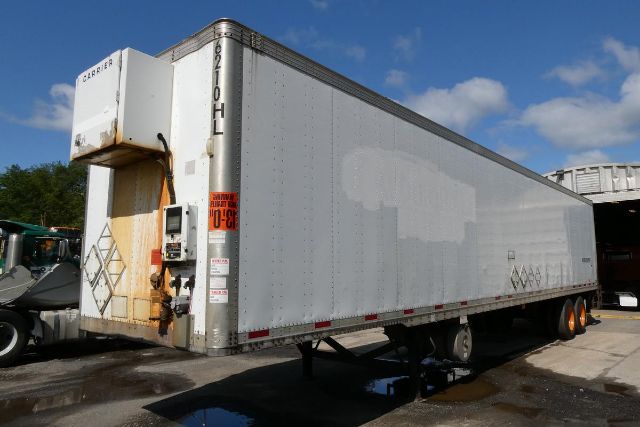
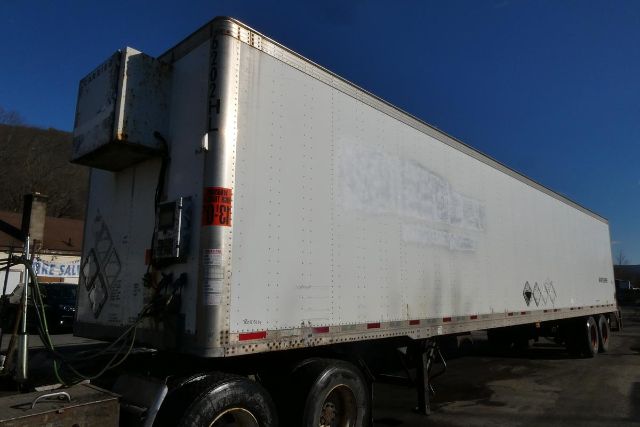

Selling a used 2010 dry van trailer? List your used 2010 dry van trailer for sale and reach thousands of commercial buyers.
Used 2010 Dry Van Trailers
A 2010 model is roughly sixteen years old, making roof leaks, floor repairs, and corrosion primary inspection targets across makes such as Vanguard, Wabash, Great Dane, and Utility. Inspect the upper coupler and kingpin area, crossmembers, landing gear mounts, rear frame, and suspension hangers for cracking or section loss. Walk the interior for soft flooring, daylight at seams, damaged scuff liners, and evidence of repeated water entry. Operate the sliding tandem and confirm every locking pin engages securely. Maintenance records should document brake, wheel-end, and suspension work; ordinary unpowered vans have no engine ECM history to verify.
Across the United States and Canada, axle weights and tandem placement must satisfy state or provincial limits and route-specific bridge or rear-axle placement rules. Salt exposure makes underside corrosion checks especially important on northern equipment, while prolonged outdoor storage can damage seals and roofing anywhere. Confirm tractor compatibility, loaded ride height, and legal payload after accounting for heaters, liftgates, and other added equipment.
Frequently Asked Questions about Used 2010 Dry Van Trailers
How much weight can a used 2010 dry van trailer legally carry?
Legal payload is limited by the lowest applicable trailer, axle, tire, or combination weight limit, not by trailer GVWR alone. For a 2010 dry van, obtain a certified empty combination weight and subtract it from the permitted loaded combination weight, then check loaded axle weights. A liftgate, heater, or reinforced floor reduces remaining payload.
Does a 2010 dry van trailer need an annual inspection?
A 2010 dry van used in U.S. interstate commercial service must pass a periodic inspection at least every 12 months under 49 CFR 396.17. Canadian inspection requirements are provincial, so confirm the applicable commercial trailer inspection schedule and accepted documentation. An inspection sticker does not replace a purchase inspection or the driver's pre-trip checks.
Should I replace the tires if they are original to a 2010 trailer?
Tires still dating from 2010 should be replaced rather than accepted because they retain tread. The last four digits of a modern DOT tire date code identify the manufacturing week and year. On a used 2010 dry van trailer, inspect every tire's date, sidewalls, bead area, and tread for cracking or separation, including any spare, and follow the tire manufacturer's age limits.
Can a heated 2010 dry van carry refrigerated freight?
A heated dry van protects suitable freight from freezing; a heater alone does not provide refrigeration or prove a trailer can maintain a specified temperature. For a used 2010 heated van, verify insulation condition, heater service records, fuel-system integrity, and temperature performance in expected winter conditions. Temperature-sensitive cargo may require documented temperature testing and continuous monitoring rather than a simple operational heater test.
Should a 2010 dry van trailer have ABS?
A 2010 air-braked dry van trailer should have ABS, since U.S. rules required ABS on newly manufactured air-braked trailers beginning March 1, 1998. Verify the trailer ABS warning lamp completes its power-up check and investigate stored faults, damaged sensor wiring, or mismatched wheel-end components. ABS does not compensate for worn brakes, poor adjustment, or tire problems.