
Used 2000 Dry Van Trailers For Sale
Compare used 2000 dry van trailers for sale by floor strength, frame corrosion, door clearance, and axle ratings before choosing an older freight trailer.
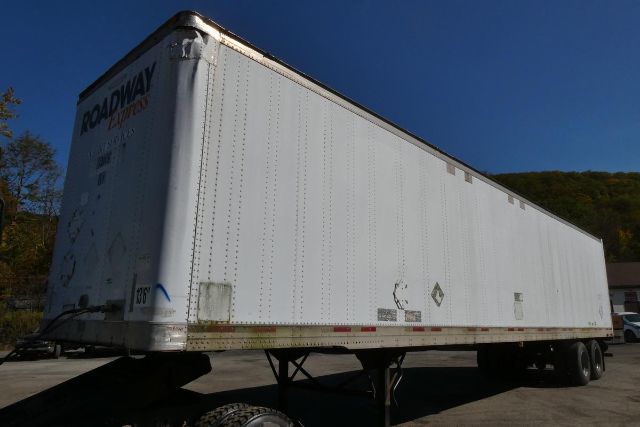
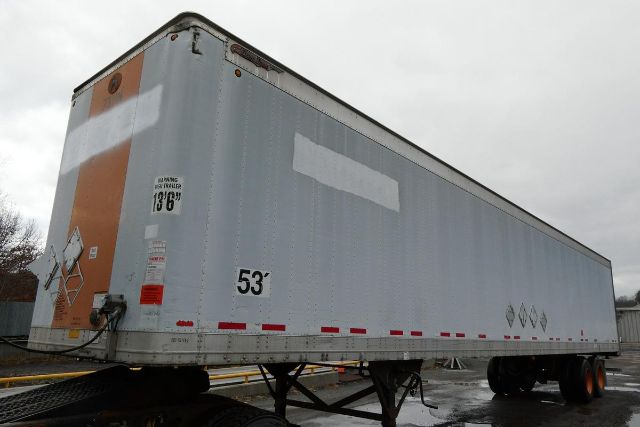
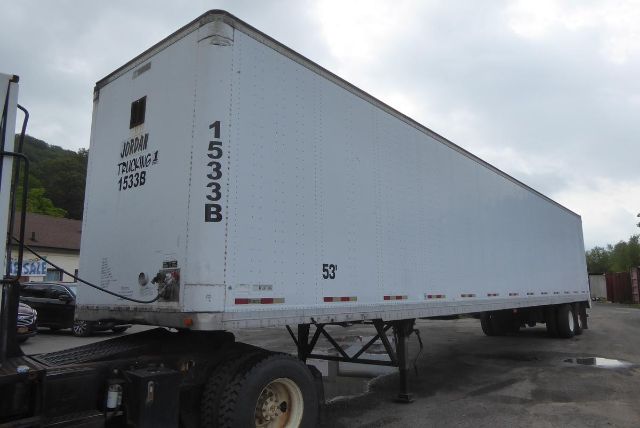
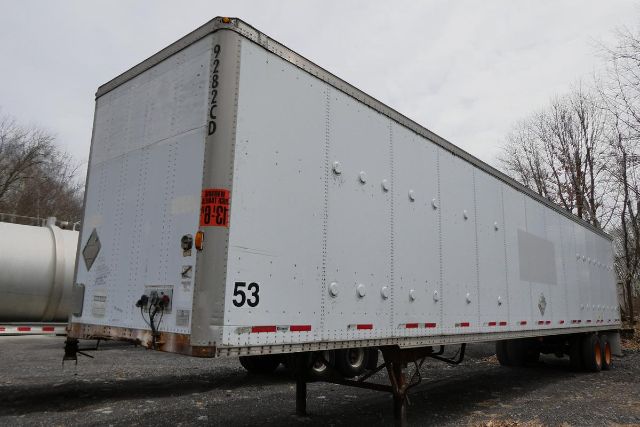
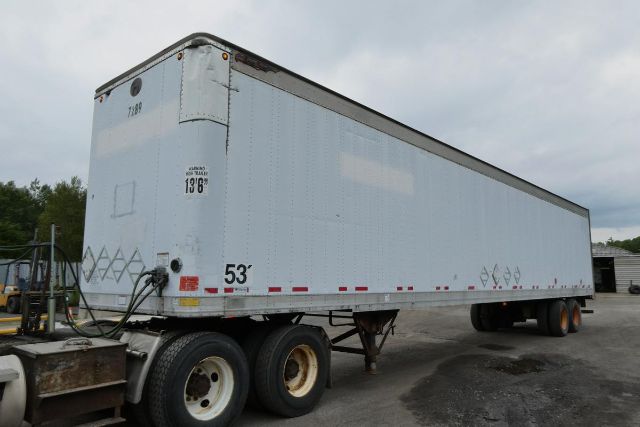
Selling a used 2000 dry van trailer? List your used 2000 dry van trailer for sale and reach thousands of commercial buyers.
Used 2000 Dry Van Trailers
Cargo clearance should drive the choice between common 48- and 53-foot lengths and 96- or 102-inch exterior widths. Measure the actual door opening and usable interior width for palletized freight, retail deliveries, or bulky dry goods. Roll-up doors suit frequent dock stops but reduce overhead clearance; swing doors generally provide a less restricted opening. Match air-ride or spring suspension to cargo sensitivity and verify that the sliding tandem locks securely in every required position.
Moisture intrusion deserves a close inspection around roof seams, translucent roof panels, door seals, and floor edges. Northern US and Canadian road salt can heavily corrode steel beneath an otherwise presentable aluminum body. Maintenance records should document brake work, wheel-end service, suspension repairs, and ABS faults. Check tire date codes, air leaks, brake adjustment, and electrical operation before road use. Trailer GVWR is not a legal payload allowance: tractor weight, axle distribution, bridge limits, and state or provincial rules determine what the combination can carry on its intended routes.
Frequently Asked Questions about Used 2000 Dry Van Trailers
How much weight can a 2000 dry van trailer legally carry?
Legal payload is the permitted combination weight minus the actual weight of the tractor and empty dry van trailer. On the US Interstate system, standard limits are generally 80,000 pounds gross, 20,000 pounds on a single axle, and 34,000 pounds on a tandem, subject to bridge requirements and exceptions. Canadian limits vary by province and configuration. Scale the combination rather than treating the trailer's GVWR as its cargo capacity.
Should a 2000 dry van trailer have ABS?
A US-market 2000 highway dry van trailer with air brakes should have ABS; the federal requirement applies to air-braked trailers manufactured on or after March 1, 1998. Verify the warning lamp sequence, wiring, wheel-speed sensors, and diagnostic faults during inspection. Working ABS does not compensate for worn foundation brakes, seized adjusters, or damaged air lines.
Can I operate a 2000 dry van trailer in California?
Many 53-foot 2000 dry van trailers need aerodynamic equipment and low-rolling-resistance tires to operate in California under CARB's Tractor-Trailer Greenhouse Gas Regulation. The rule can apply to trailers registered outside California, not just California equipment. Exemptions and operating provisions exist, so verify the trailer's configuration, intended use, and exemption documentation with CARB before assigning California freight.
Can I use a 2000 dry van trailer for stationary storage?
A 2000 dry van trailer can serve as stationary storage if the body is watertight and local zoning permits trailer storage. Use firm, level ground and properly rated supports where required, especially during forklift loading while uncoupled. Roadworthy brakes, lights, tires, and registration still matter if the storage trailer will later be moved on public roads.
How do I check replacement parts support for a 2000 dry van trailer?
Component identification is the key to checking parts support for a 2000 dry van trailer. Record the axle, suspension, hub, brake, and door manufacturers and part numbers before buying. Standard running-gear components may be easier to source than proprietary roof bows, corner posts, or door assemblies. Confirm replacement dimensions and compatibility rather than assuming the trailer manufacturer's name identifies every installed component.