
Used 1999 Dry Van Trailers For Sale
Compare used 1999 dry van trailers for sale by floor integrity, ABS condition, door clearance, and axle setup before choosing a trailer for your routes.
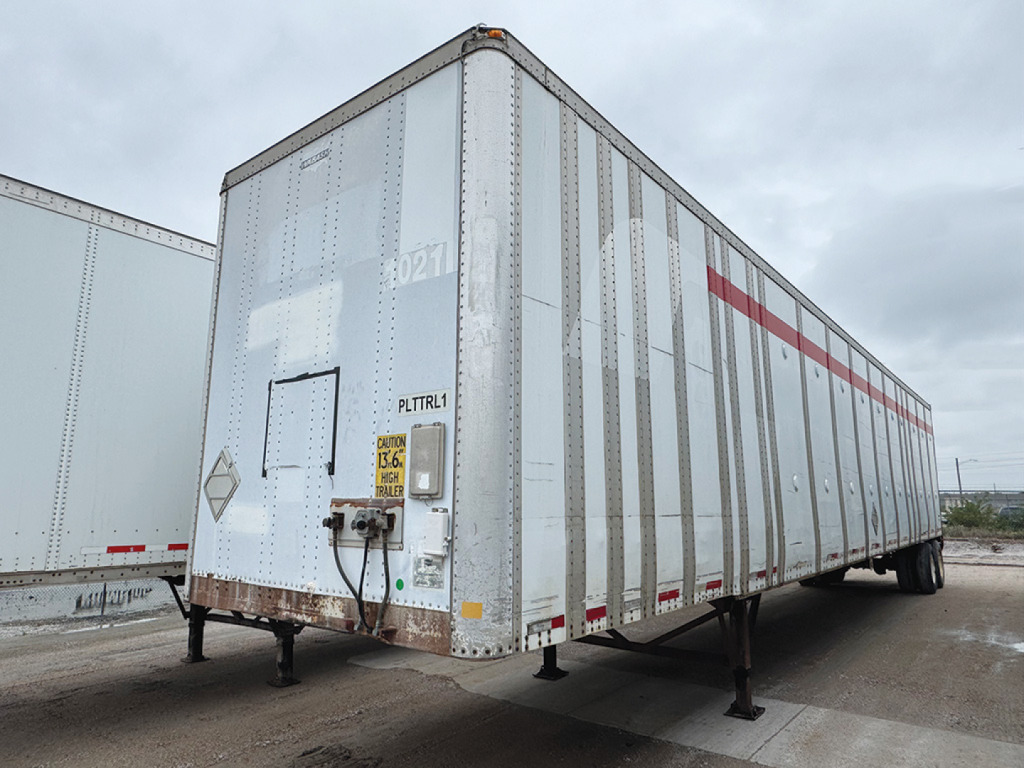
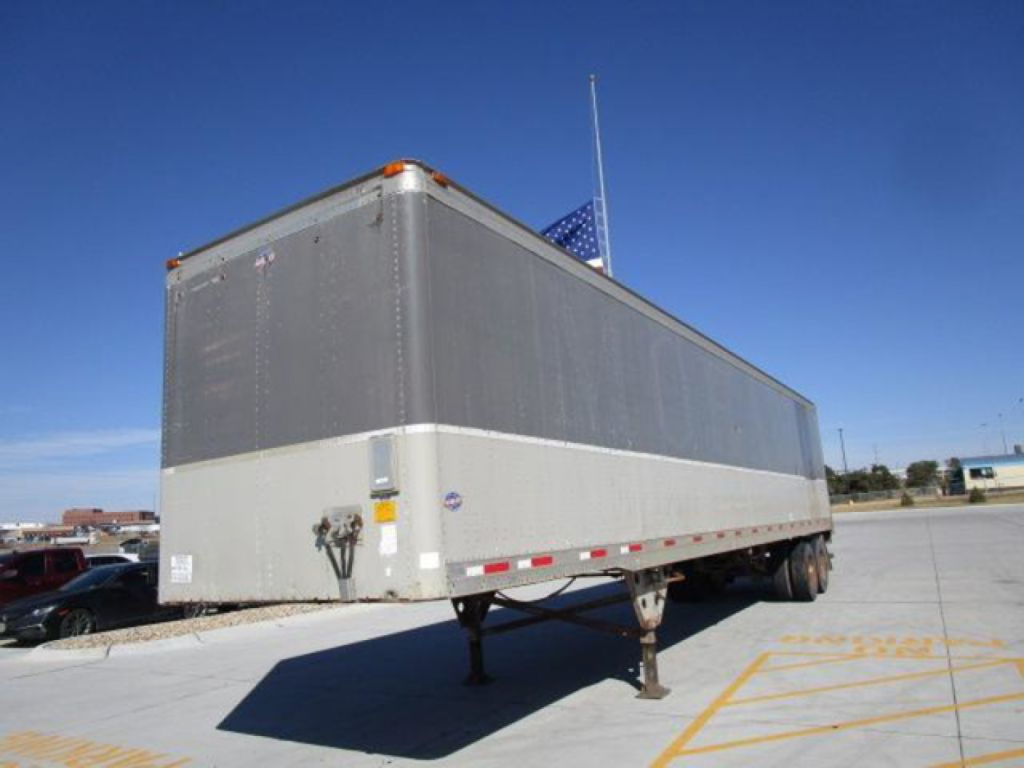
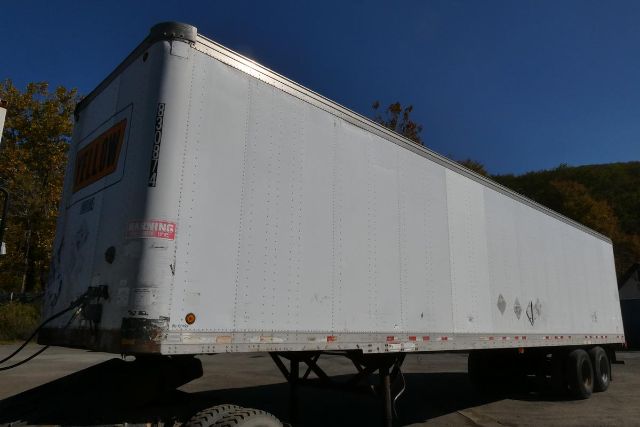
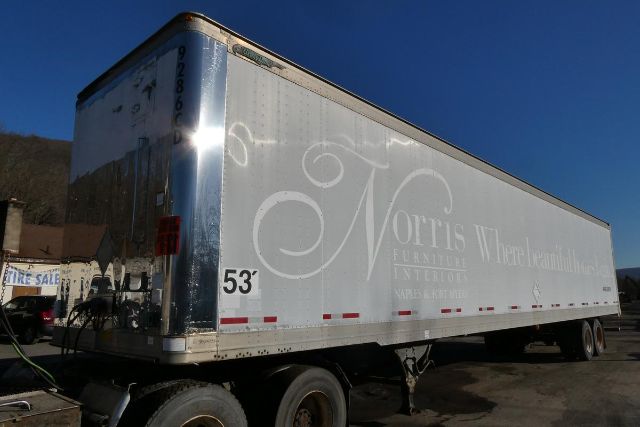
Selling a used 1999 dry van trailer? List your used 1999 dry van trailer for sale and reach thousands of commercial buyers.
Used 1999 Dry Van Trailers
Across makes such as Utility, Great Dane, Wabash, Fruehauf, and Trailmobile, judge the actual construction and repair history rather than the badge. Older sheet-and-post aluminum vans commonly have wood floors and interior liners, but roof material and wall construction vary. Inspect floor boards, fasteners, steel crossmembers, side rails, and the upper coupler plate around the kingpin. Water staining can signal roof or seam leaks, while soft flooring may hide corrosion underneath. Verify the original floor loading specification before using heavy forklifts; trailer GVWR does not establish concentrated floor capacity.
A 1999 model needs a thorough running-gear inspection even if the body looks straight. Air-braked trailers built for the U.S. market in this year were subject to the federal trailer ABS requirement, so verify that the system remains intact and functional. Test the brakes, inspect chambers and hoses, and operate the sliding tandem through its usable travel. Check spring hangers and equalizers on spring-ride suspensions, or bags, height-control valves, and bushings on air ride. Request maintenance and repair records, including hub service, brake work, collision repairs, and any ABS diagnostic history.
Salt exposure in the United States and Canada can leave an aluminum-bodied trailer with badly corroded crossmembers, landing gear, brake plumbing, and rear impact guards. Inspect roof seams and door seals for water intrusion, freeze damage, and hardened weatherstripping. Confirm state or provincial height limits, axle weights, bridge restrictions, and kingpin-to-rear-axle rules against the intended route before choosing length or tandem settings.
Frequently Asked Questions about Used 1999 Dry Van Trailers
How do I test the ABS on a used 1999 dry van trailer?
Connect a compatible ABS diagnostic tool and retrieve stored faults before judging a 1999 dry van trailer's brake electronics. Confirm the trailer receives proper power from the tractor, then check warning-lamp behavior against the ABS manufacturer's procedure. Inspect wheel-speed sensor wiring and the ECU mounting area for corrosion or repairs. A working service-brake application does not prove the ABS functions.
How much weight can a 1999 dry van trailer legally carry?
A 1999 dry van trailer's legal payload is the allowed combination weight minus the actual tractor-and-trailer tare weight. Standard U.S. Interstate limits are 80,000 pounds gross and 34,000 pounds on a tandem, subject to bridge-formula compliance and exceptions. Trailer GVWR, axle ratings, and tire capacities can impose lower limits. Canadian allowances vary by province and configuration, so verify the complete combination rather than using the trailer's rating alone.
Can I haul packaged food in a 1999 dry van trailer?
Yes, a 1999 dry van trailer can haul packaged food that requires no temperature control if the trailer meets the shipper's sanitation requirements. Inspect for pests, odors, roof leaks, and residue from previous cargo, and document cleaning where required. Food shippers may impose trailer-age or construction restrictions beyond roadworthiness, so confirm acceptance before dedicating an older plywood-lined van to that work.
What should I check before using a 1999 dry van trailer for storage?
A watertight body, sound floor, and stable support are the first checks before using a 1999 dry van trailer for stationary storage. Place the trailer on a firm, level surface with adequate support beneath the landing gear, and check local zoning and fire-access requirements. Storage use does not make worn brakes or damaged tires acceptable for subsequent highway travel; inspect roadworthiness separately before moving the trailer.