
Dry Van Trailers For Sale in Ohio
Dry van trailers for sale in Ohio: compare floor ratings, door styles, salt corrosion, and new-trailer tax considerations before choosing a configuration.
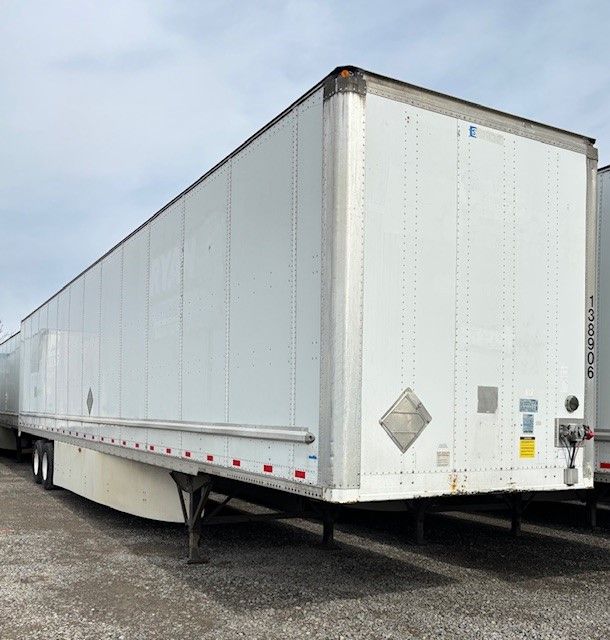
Selling a dry van trailer? List your dry van trailer for sale and reach thousands of commercial buyers.
Dry Van Trailers in Ohio
A 53-foot, 102-inch-wide van is a common choice for highway freight, but usable interior width, door opening, and dock height matter more than outside dimensions alone. Swing doors preserve rear loading clearance; roll-up doors suit frequent deliveries but reduce the opening. Shorter vans and liftgate-equipped configurations can serve locations without full-size docks, although liftgate weight reduces payload. Match the manufacturer's floor rating to the loaded forklift's front-axle load, not just cargo weight. Check crossmember spacing, threshold reinforcement, logistics-post spacing, and scuff-liner height against the freight and handling equipment.
Wabash DuraPlate, Stoughton Z-Plate, Utility 4000D-X Composite, and Vanguard MaxCube illustrate the construction choices buyers encounter across makes. Compare panel repair methods, interior snag points, wall thickness, and service support rather than treating every box as interchangeable. Air ride can suit damage-sensitive freight, while spring ride offers a simpler suspension for less-sensitive loads. Across model years, original specifications and documented repairs are better guides than age alone.
Used Ohio vans deserve an underbody inspection with particular attention to crossmembers, landing-gear mounts, suspension hangers, slider rails, and the rear-impact guard. Road salt can attack these areas even when exterior panels look clean. Operate the tandem slider and verify that every locking pin engages; examine brake chambers, air lines, ABS wiring, wheel seals, and tire date codes. Look for roof patches, stained wall liners, soft floor sections, and separated floor joints that indicate leaks or hard forklift service. Request maintenance and repair records, and investigate welded structural repairs instead of assuming fresh paint means sound steel.
New trailers let buyers specify corrosion-resistant rear frames, floor packages, cargo-restraint layouts, tire inflation systems, and dock-lock-compatible rear structures before delivery. Confirm tractor fifth-wheel height, kingpin setback, and intended route clearance against the completed trailer specification. Separate structural warranty coverage from component warranties, and check labor coverage and exclusions for improper loading. Qualifying new heavy trailers are subject to a 12% federal excise tax at the first retail sale; confirm how that tax is handled. For both new and used vans, Ohio route selection must account for axle weights, bridge limits, and posted restrictions.
Frequently Asked Questions about Dry Van Trailers in Ohio
How many pallets fit in a 53-foot dry van trailer?
A typical 53-foot dry van accommodates 26 standard 48-by-40-inch pallets loaded straight, with two pallets across and 13 rows lengthwise. That count assumes the freight stays within each pallet's footprint and the trailer has adequate usable dimensions. Overhanging cartons, cargo-restraint equipment, bulkheads, and required loading clearances can reduce capacity. Verify the load plan against actual interior measurements.
What is the legal weight limit for a dry van trailer in Ohio?
A standard five-axle tractor and dry van combination is generally limited to 80,000 pounds gross on Ohio Interstates without an overweight permit. Federal Interstate limits also cap a single axle at 20,000 pounds and a tandem at 34,000 pounds, subject to the bridge formula. Trailer GVWR does not establish legal payload; subtract actual tractor-trailer tare weight and honor equipment ratings, bridge limits, and posted-route restrictions.
Do I need a Class A CDL to pull a dry van trailer in Ohio?
Ohio generally requires a Class A CDL for a tractor and dry van combination rated or weighing at least 26,001 pounds when the trailer is rated or weighs more than 10,000 pounds. A typical highway tractor pulling a full-size dry van meets those thresholds. Drivers must also avoid license restrictions that prohibit operating the combination's air brakes or transmission, and qualifying hazardous cargo requires the appropriate endorsement.
Will a dry van trailer keep freight from freezing during an Ohio winter?
A standard dry van trailer does not provide reliable freeze protection because it has no active temperature-control system. Cargo temperature can fall during highway travel, overnight parking, or extended dock delays in Ohio's winter weather. Freight requiring a guaranteed minimum temperature needs equipment and procedures that meet the shipper's specification, often an insulated refrigerated trailer capable of heating as well as cooling.
What inspection paperwork should I request for a used dry van trailer?
A dry van trailer used in interstate commercial service must pass a periodic inspection at least once every 12 months under 49 CFR 396.17. Request the inspection report or qualifying documentation, verify that it identifies the trailer, and review records showing correction of noted defects. A current inspection establishes compliance at the inspection date, not remaining component life or the condition of hidden floor and structural damage.