
Dry Van Trailers For Sale in Nevada
Compare dry van trailers for sale in Nevada by door clearance, floor rating, suspension, and heat-related wear for I-15 and I-80 freight routes.
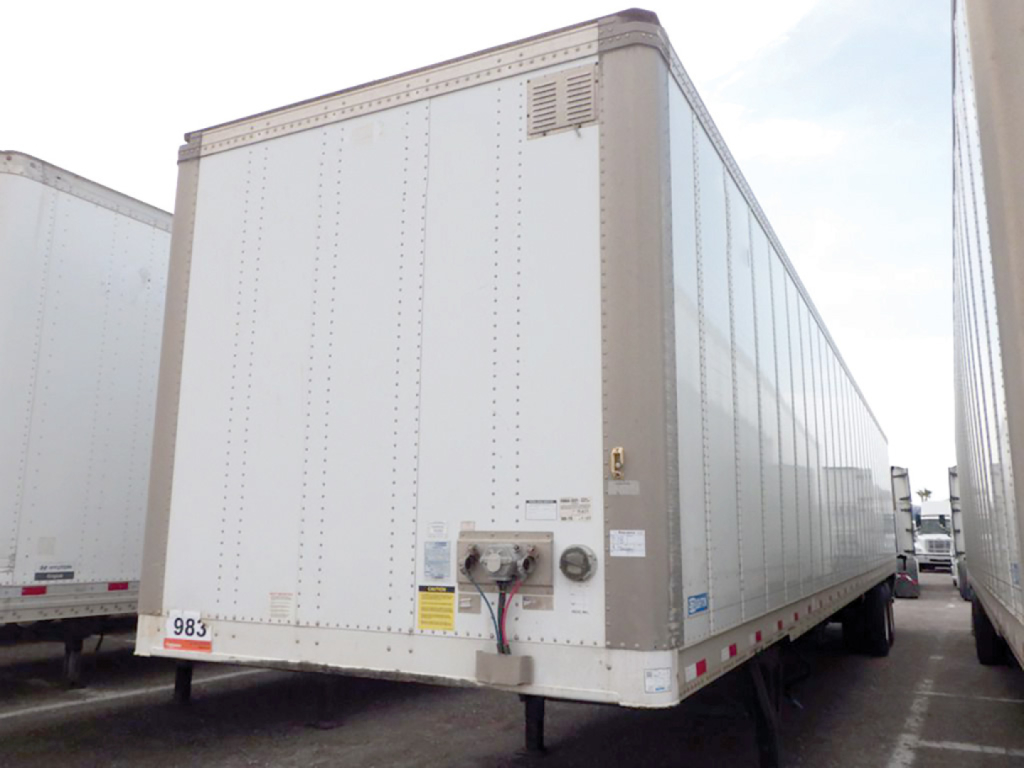
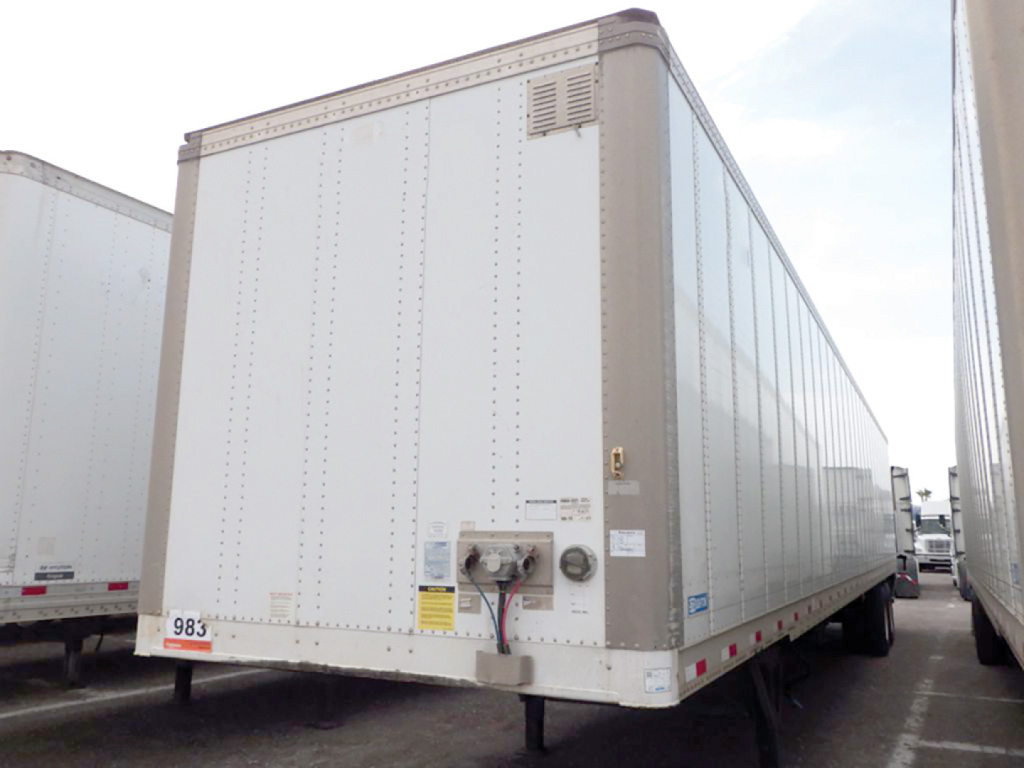
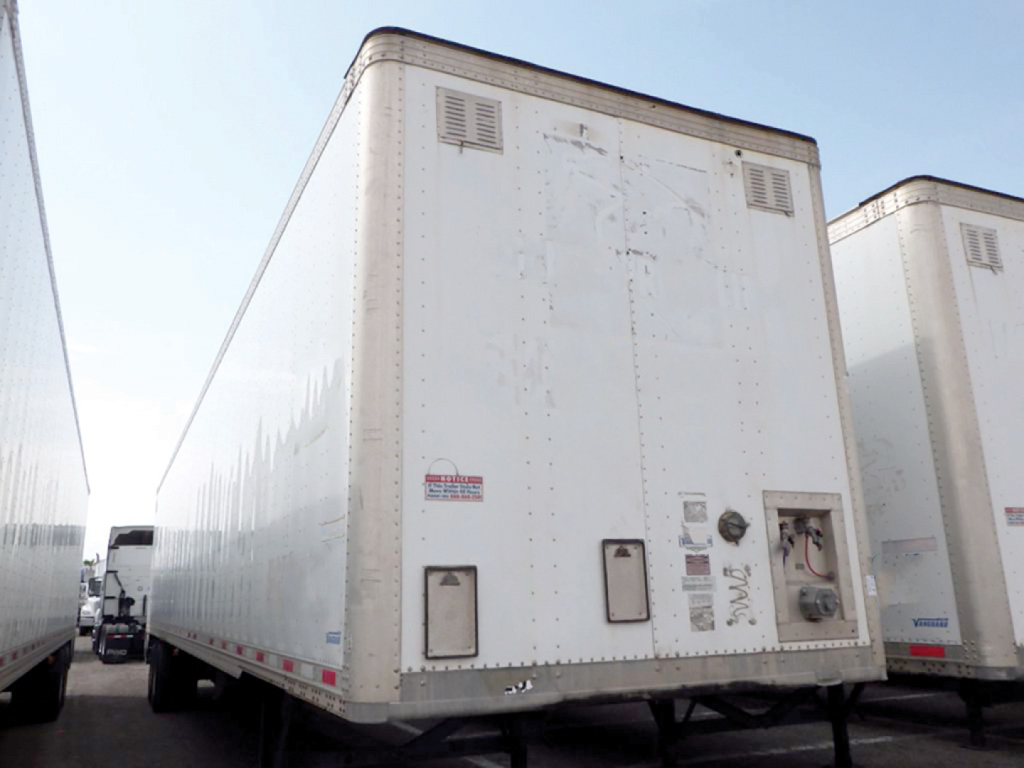
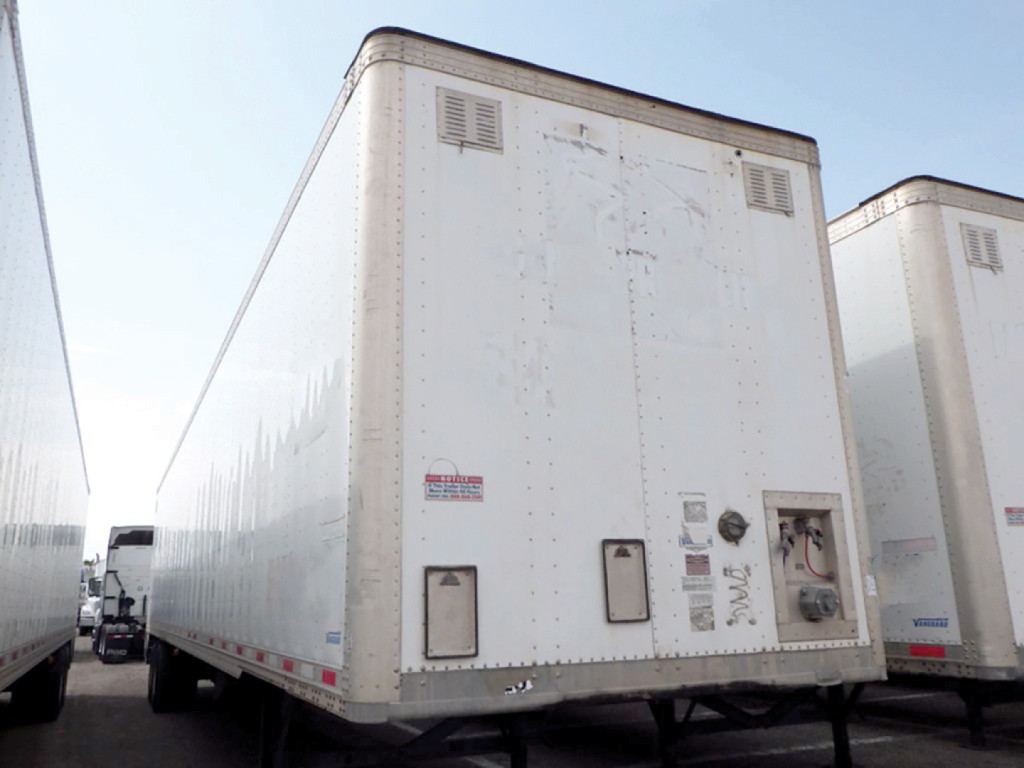
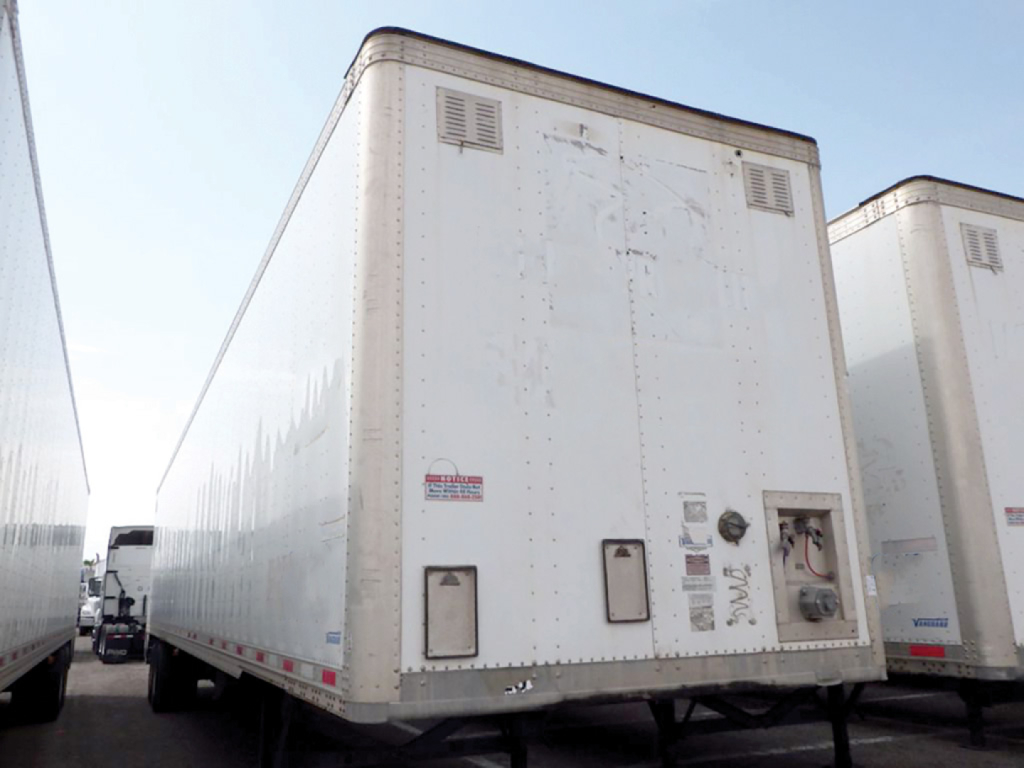
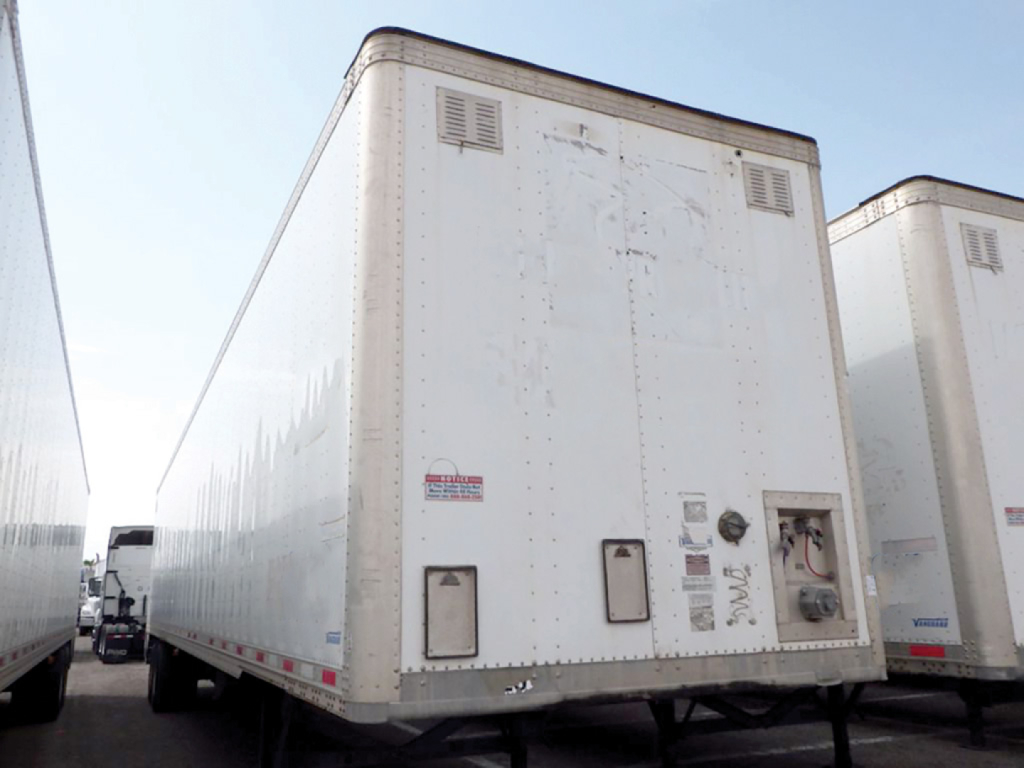
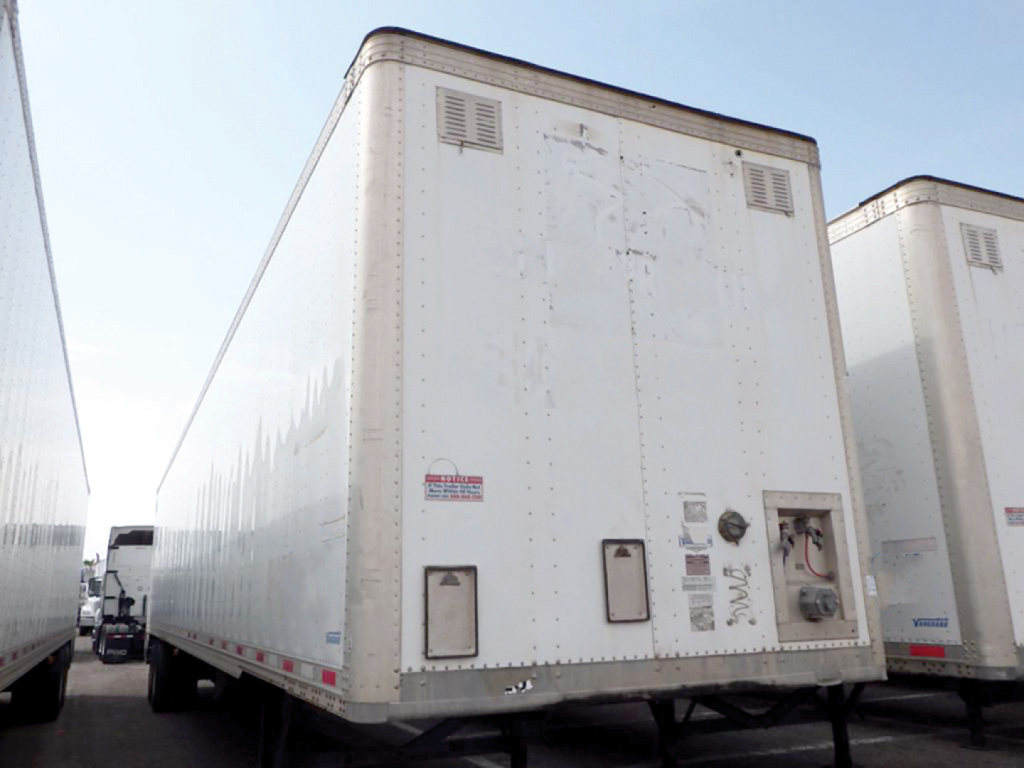
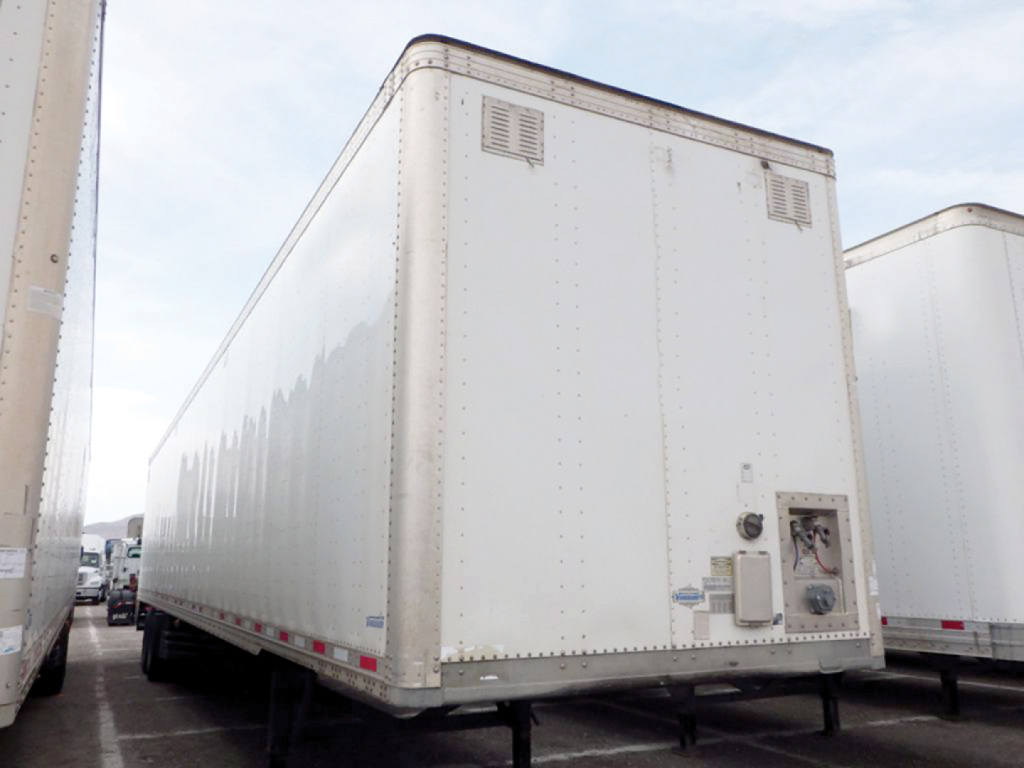

Selling a dry van trailer? List your dry van trailer for sale and reach thousands of commercial buyers.
Dry Van Trailers in Nevada
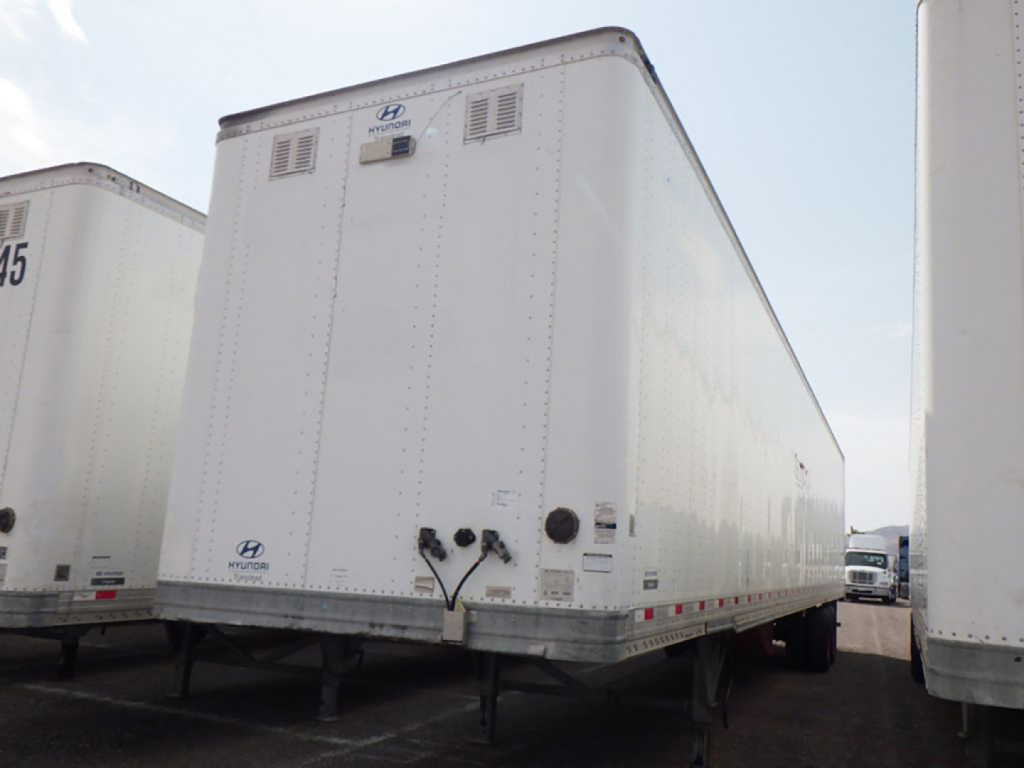
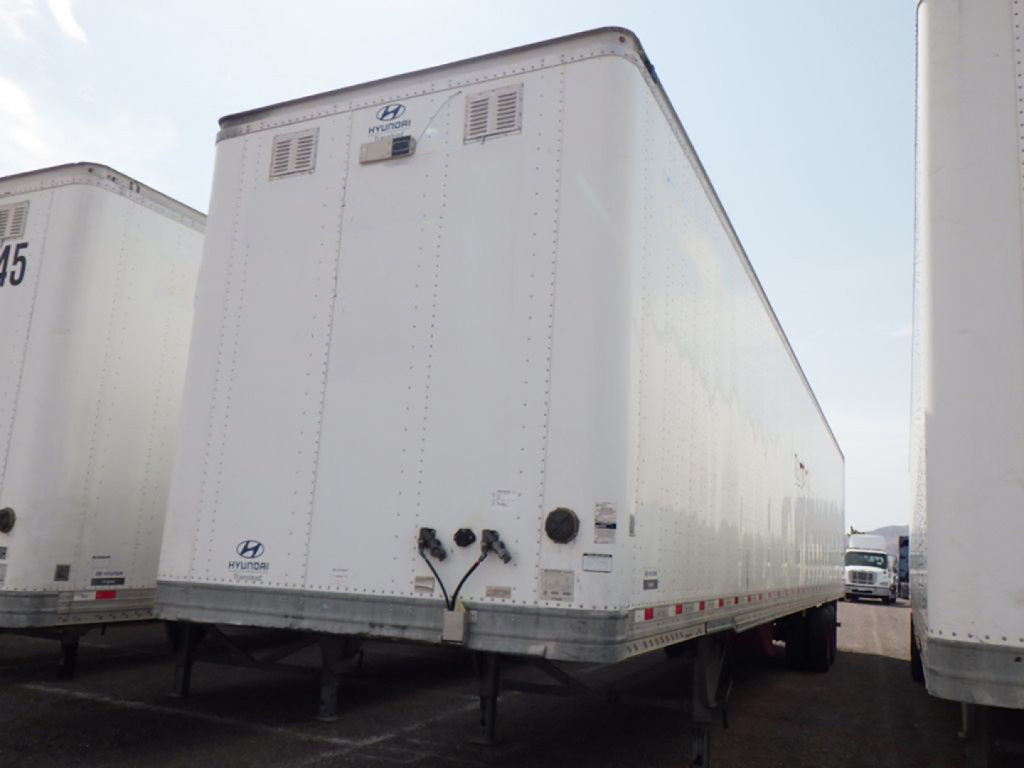
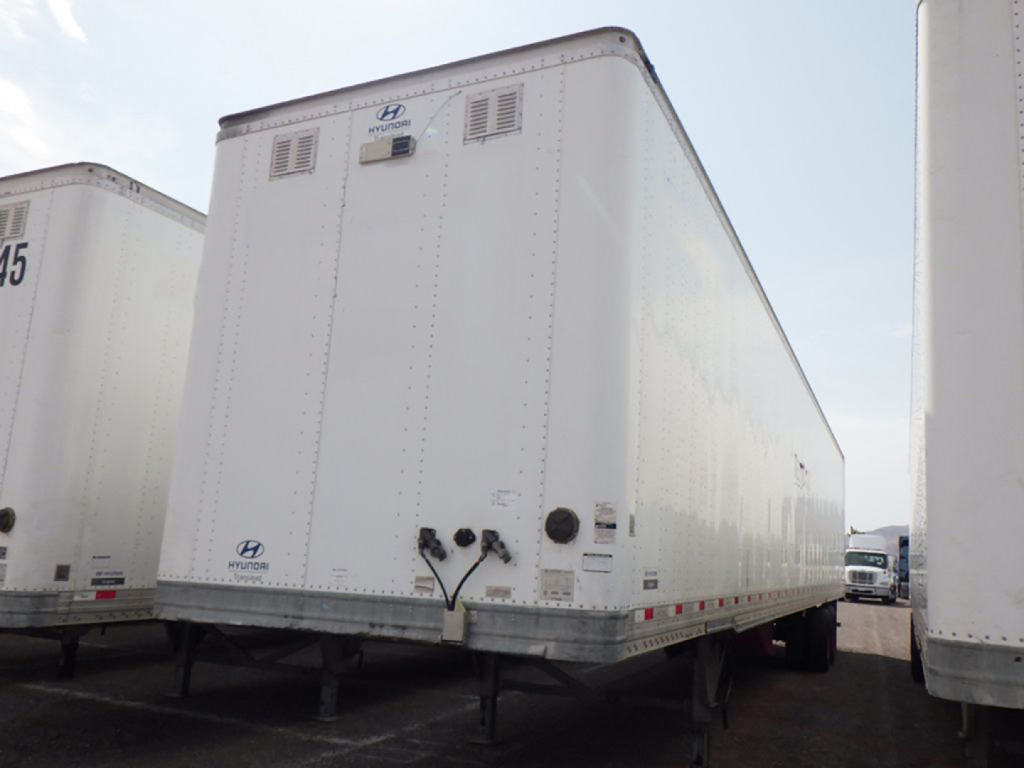
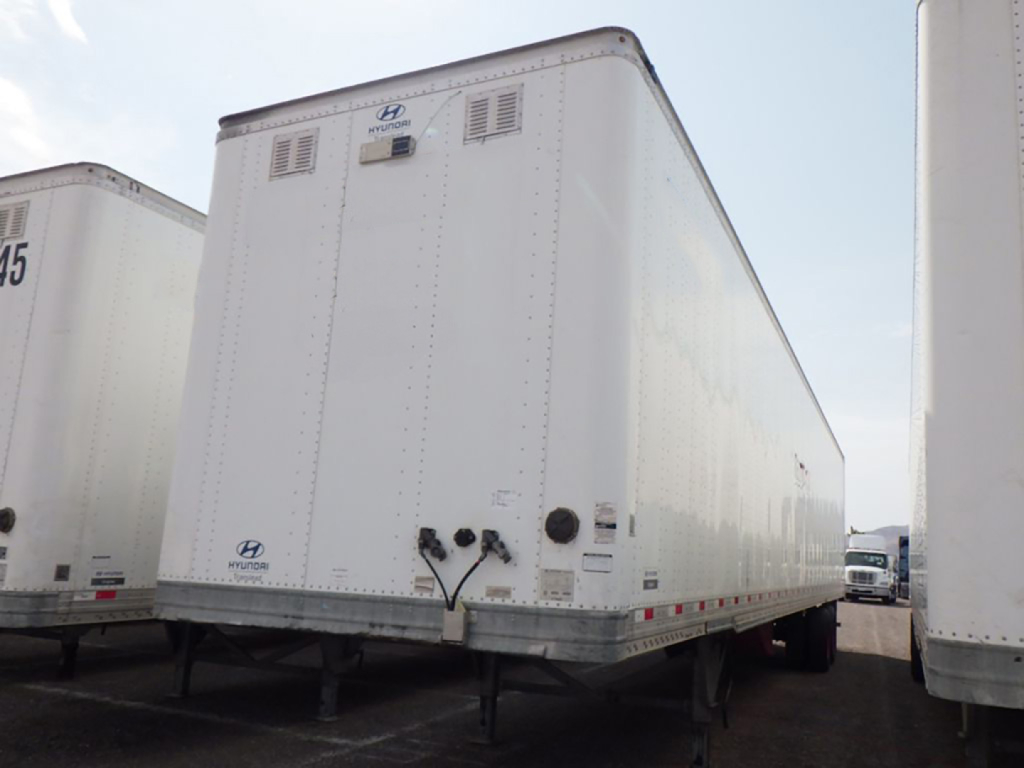
On used vans, inspect roof seams, floorboards, crossmembers, landing gear, slider pins, and brake chambers; Nevada registration does not establish where a trailer previously operated. Northern routes expose steel components to winter deicing chemicals. Review maintenance records and compare structural repairs with the original manufacturer's specifications, especially on older model years. For new trailers, specify forklift floor capacity, suspension, cargo restraints, and tire inflation equipment before ordering. Confirm structural and component warranty terms and account for the 12% federal excise tax on qualifying new heavy trailers.
Frequently Asked Questions about Dry Van Trailers in Nevada
Should I choose air ride or spring suspension for a dry van trailer in Nevada?
Air ride is usually the better choice for damage-sensitive freight and customers that specify air-ride equipment. Spring suspension can suit durable cargo and straightforward local delivery work. On a used dry van trailer, check air springs, height-control valves, and air lines on air ride, or spring leaves, hangers, and bushings on mechanical suspension. Suspension choice does not replace proper cargo securement.
How do I know whether a dry van floor can handle my forklift?
The dry van floor's rated forklift axle load, not the trailer's GVWR, determines whether a loaded forklift can safely enter. Obtain the manufacturer's floor rating and compare it with the forklift's loaded axle weight and tire contact configuration. Inspect crossmembers, floor fasteners, and the rear threshold because damaged supports can compromise a floor that originally met the required rating.
What weight limits apply to a dry van combination on Nevada interstates?
Standard Interstate limits are 80,000 pounds gross combination weight, 20,000 pounds on a single axle, and 34,000 pounds on a qualifying tandem, subject to the federal bridge formula. A dry van trailer's axle ratings, tire ratings, and the tractor's capacity can impose lower limits. Scale the loaded combination after adjusting the sliding tandem, and verify restrictions for connecting roads and any permitted operation.
Can I run a 53-foot dry van from Nevada into California?
A tandem-axle 53-foot dry van must meet California's 40-foot maximum kingpin-to-rearmost-axle distance for standard operation on routes allowing that trailer length. Moving the slider forward changes axle loading, so confirm both dimensions and scale weights. California access restrictions can differ beyond designated truck routes; verify the complete delivery route rather than assuming an Interstate-legal combination can reach every customer.
Is automatic tire inflation useful on dry vans running Nevada highway routes?
Automatic tire inflation helps maintain dry van tire pressure during long Nevada highway runs, reducing exposure to underinflation-related wear and heat buildup. The system cannot correct aged casings, damaged sidewalls, or overloaded axles. On used trailers, test system operation and inspect wheel-end hoses and connections for leaks; verify the pressure setting against the tire manufacturer's load and inflation guidance.