
2023 Dry Van Trailers For Sale in Pennsylvania
Compare 2023 dry van trailers for sale in Pennsylvania by door clearance, floor rating, salt corrosion, and new-versus-used warranty coverage.
No exact matches found for your search
Showing 2023 Dry Van Trailers instead.
Selling a 2023 dry van trailer? List your 2023 dry van trailer for sale and reach thousands of commercial buyers.
2023 Dry Van Trailers in Pennsylvania
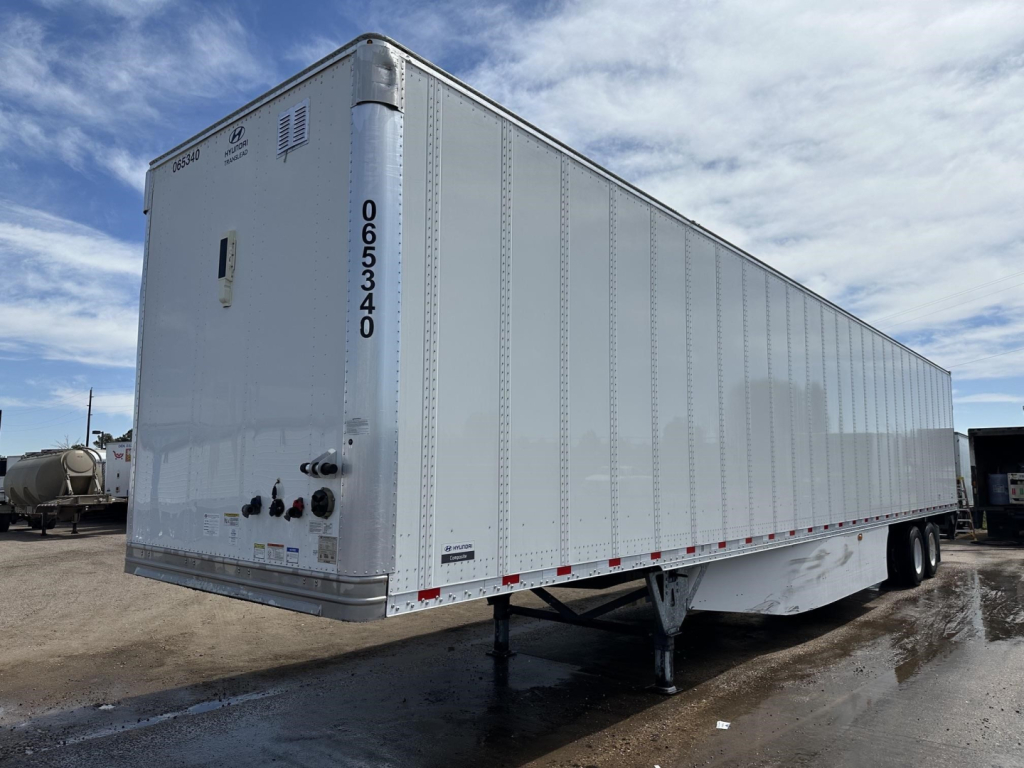
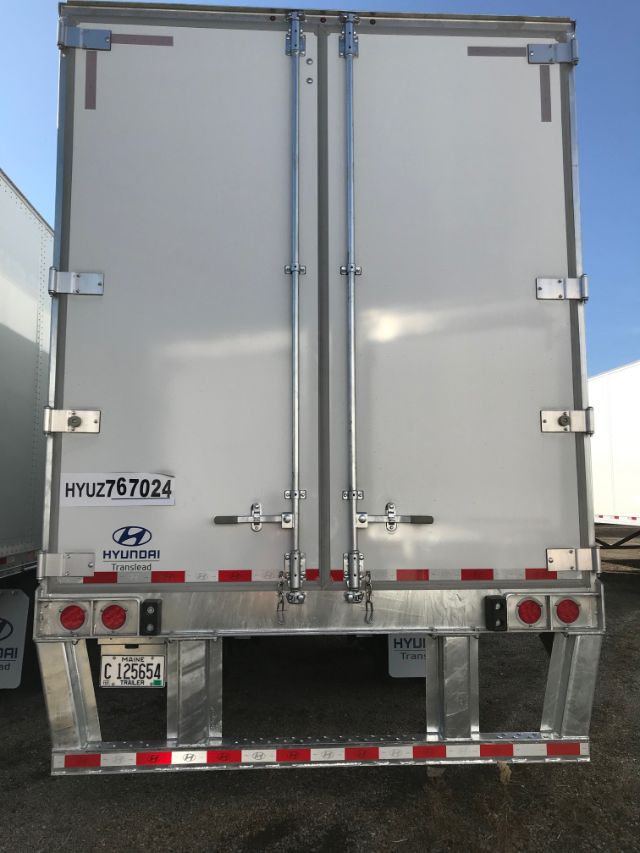
Door configuration and floor capacity separate highway freight specs from delivery specs. A common highway layout is 53 feet long, 102 inches wide, and 13 feet 6 inches high, but shorter and lower vans may suit restricted docks or routes. Swing doors typically preserve more rear opening height; roll-up doors simplify repeated deliveries but reduce usable clearance at the header. Compare composite plate and sheet-and-post bodies across manufacturers for inside width, wall repair methods, and cargo securement. Match the floor's published forklift front-axle rating to the loaded forklift, not just the cargo weight.
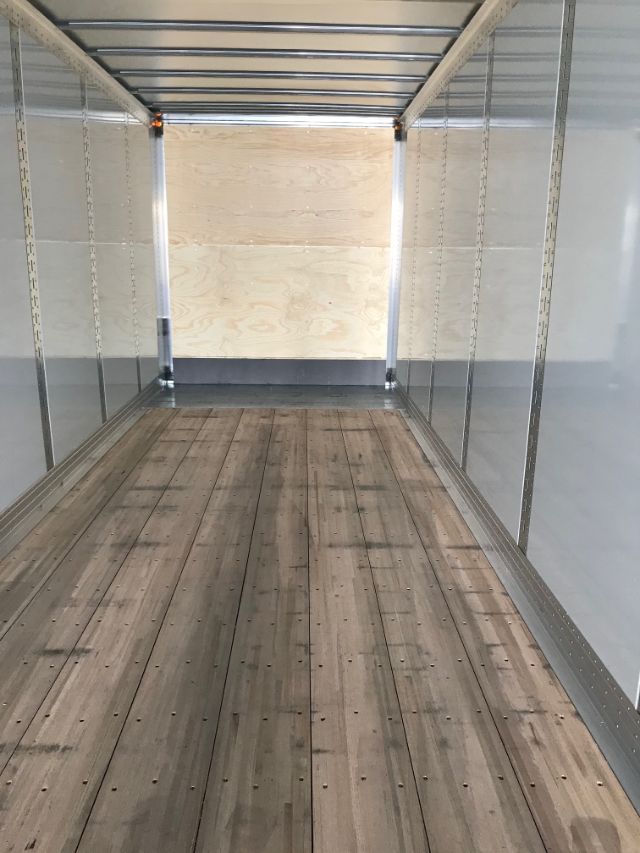
Several winters of Pennsylvania road salt can affect a used 2023 trailer even when its sidewalls look clean. Inspect crossmembers, suspension hangers, slider rails, brake chambers, air lines, and rear impact guard attachments for corrosion or damage. Galvanized components still need inspection at welds, damaged surfaces, and joints that trap moisture. Check wood flooring underneath for soft areas and separation, then inspect the threshold and rear frame for forklift and dock damage. Maintenance records, annual inspection reports, brake measurements, and ABS fault history provide better evidence of condition than model year alone.
An unused 2023 trailer needs a storage inspection, not an assumption that every component remains fresh. Check tire date codes, weather cracking, seals, brake operation, and landing gear, and establish when each warranty begins and whether coverage transfers. Specify required logistics tracks, scuff liners, suspension, and tire inflation equipment against the trailer's actual build sheet; a completed older-model trailer may need retrofits rather than factory options. A qualifying new heavy trailer is subject to 12% federal excise tax at its first taxable retail sale.
Pennsylvania route planning should include approved access for 53-foot semitrailers, posted bridge limits, and actual overhead clearance rather than relying only on highway dimensions. Sliding tandems help distribute load between tractor and trailer axles, but axle ratings and legal weight limits still control usable payload. Before committing to a configuration, verify that the slider travels freely, every locking pin engages, and the tractor's fifth-wheel height produces suitable trailer attitude and dock height.
Frequently Asked Questions about 2023 Dry Van Trailers in Pennsylvania
Can I pull a 53-foot dry van trailer on any road in Pennsylvania?
A 53-foot dry van trailer cannot be assumed legal on every Pennsylvania road; designated routes and applicable access rules govern longer semitrailers. Verify the route to each shipper and receiver, including municipal restrictions, posted bridges, and delivery entrances. Pennsylvania's standard vehicle height limit is 13 feet 6 inches, but a legal-height trailer can still encounter a lower posted clearance. Use truck routing information rather than passenger-car directions.
How much payload can a 2023 dry van trailer carry?
Legal payload is the permitted combination weight minus the actual weight of the tractor, trailer, fuel, driver, and equipment. For ordinary Interstate operation in Pennsylvania, the usual federal limits are 80,000 pounds gross and 34,000 pounds on a tandem axle group, subject to bridge-formula requirements. A 2023 dry van trailer's GVWR does not override those limits. Weigh the combination and check individual axle groups with the intended freight loaded.
How do I check the ABS on a used 2023 dry van trailer?
A used 2023 dry van trailer needs an ABS lamp self-check and a diagnostic scan, not merely a seller's statement that the brakes work. Supply proper electrical power, confirm the warning lamp follows the manufacturer's startup sequence, and retrieve active and stored faults. Inspect wheel-speed sensor wiring and connectors for salt damage. An ABS scan does not replace checking brake adjustment, friction material, drums or rotors, and air leaks.
Can a dry van trailer haul food products?
A clean, dry van trailer can haul shelf-stable food that does not require controlled temperatures. The shipper's sanitation requirements and applicable FDA sanitary transportation rules determine preparation, inspection, and recordkeeping for covered loads. Check previous cargo history, odors, pest evidence, roof leaks, and floor contamination before accepting food freight. A standard box trailer is not a substitute for a refrigerated trailer when the product requires temperature control.
Is automatic tire inflation worthwhile on a Pennsylvania dry van trailer?
Automatic tire inflation can reduce underinflation-related tire wear on dry van trailers that spend long periods between manual pressure checks. Compare the system's operation, warning indicator, service requirements, and compatibility with the trailer's wheel-end equipment. Tire pressure monitoring reports pressure but does not necessarily add air. Neither system replaces tread inspections, valve checks, or checking for mismatched dual tires and damaged sidewalls.