
2010 Dry Van Trailers For Sale
Compare 2010 dry van trailers for sale by floor strength, corrosion, door clearance, and liftgate condition for US and Canadian freight operations.
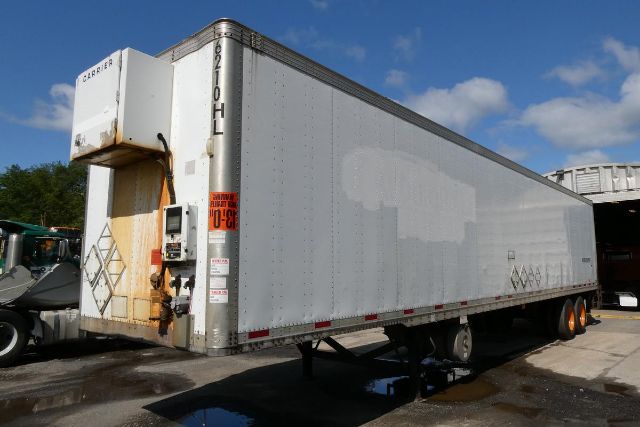
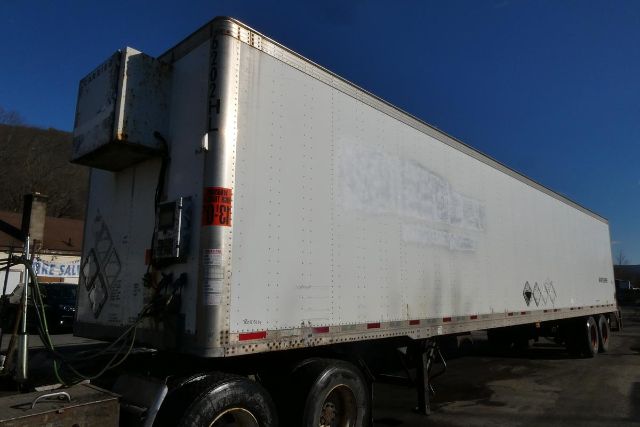

Selling a 2010 dry van trailer? List your 2010 dry van trailer for sale and reach thousands of commercial buyers.
2010 Dry Van Trailers
Choose length, door style, and unloading equipment around the actual route. A 53-foot van suits many linehaul assignments, while a 48-foot configuration may better match restricted delivery sites or existing fleet requirements. Roll-up doors support frequent delivery stops but sacrifice some opening clearance compared with swing doors. Measure usable interior dimensions and the rear opening rather than relying on exterior dimensions. Liftgates add unloading capability where docks are absent, but their weight reduces payload, and their rated capacity must accommodate the load and handling equipment. Heated vans require separate heater and insulation checks.
Inspect the underside before judging the body. Road salt exposure in Canada and the northern United States can deteriorate crossmembers, suspension hangers, landing gear, and tandem slider rails beneath an otherwise presentable box. Examine the upper coupler, kingpin, rear frame, roof seams, and wall-to-floor connections for corrosion, cracks, leaks, and questionable repairs. Soft flooring near the rear doors can indicate prolonged water intrusion. Maintenance records should document brake work, wheel-end service, suspension repairs, and roof or floor replacement; test slider locking pins, air suspension, ABS operation, and tire inflation equipment where fitted.
Axle placement and legal combination weight must suit the intended US states and Canadian provinces; trailer GVWR alone does not establish legal payload. Verify bridge-formula constraints and route-specific length restrictions before committing to a configuration. Used trailers need a documented condition assessment, while any 2010 trailer represented as new or unused still requires inspection for storage deterioration and confirmation of warranty eligibility. In the United States, qualifying new heavy trailers can carry a 12% federal excise tax; confirm the transaction's tax treatment rather than relying on an advertised condition label.
Frequently Asked Questions about 2010 Dry Van Trailers
Does a 2010 dry van trailer's GVWR tell me how much freight I can legally haul?
No, a dry van trailer's GVWR is a loaded trailer rating, not a legal freight allowance. Payload must account for trailer tare weight, tractor weight, axle ratings, tire capacities, and applicable road limits. Most US Interstate combinations are subject to an 80,000-pound gross limit, with axle and bridge-formula restrictions also applying. Canadian limits vary by province and configuration.
Does a 2010 dry van trailer need DPF or DEF equipment?
A standard unpowered 2010 dry van trailer needs neither a DPF nor DEF because the trailer has no propulsion engine. The towing tractor must satisfy applicable emissions requirements separately. California aerodynamic and low-rolling-resistance tire requirements can apply to qualifying 53-foot box trailers. A diesel-powered cargo heater also needs its own identification, service review, and applicable emissions compliance check.
How should I test a liftgate on a 2010 dry van trailer?
A manufacturer-approved loaded test and an electrical voltage-drop test are more useful than watching an empty liftgate cycle. Have a qualified technician check platform alignment, hinge and pin wear, hydraulic pressure, cylinder leakage, and load-holding performance. Older dry van liftgates also need inspection of battery condition, charging connections, cables, and mounting structure because an unloaded demonstration can conceal operating problems.
Does a 2010 dry van trailer need an annual DOT inspection?
A dry van trailer used in US interstate commercial service must pass the periodic inspection required by 49 CFR 396.17 at least once every 12 months. The tractor's inspection does not cover the trailer. Verify documentation identifying the trailer and inspection date, then assess current condition separately. Canadian commercial trailer inspection requirements follow the applicable provincial program.
How can I tell whether the tires on a 2010 dry van trailer are too old?
The last four digits of a tire's DOT date code identify its manufacturing week and year, not the trailer's model year. Inspect dry van tires for sidewall cracking, exposed cords, irregular wear, and evidence of running underinflated. Replacement decisions should follow tire-manufacturer guidance and a professional inspection; adequate tread depth alone does not establish that an older tire is serviceable.