
2005 Dry Van Trailers For Sale in Pennsylvania
Compare 2005 dry van trailers for sale in Pennsylvania with guidance on salt corrosion, floor strength, tandem sliders, and age-related inspection priorities.
No exact matches found for your search
Showing 2005 Dry Van Trailers instead.
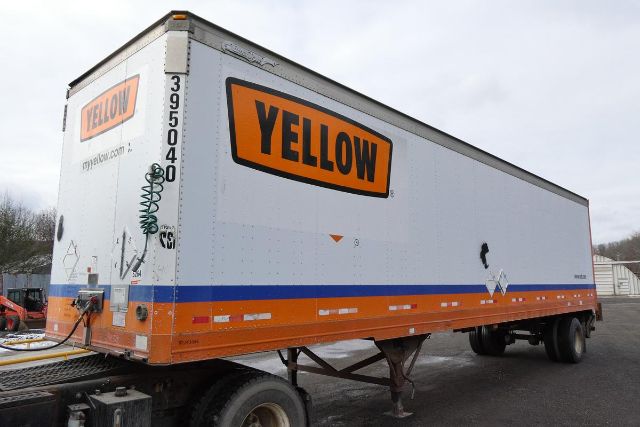
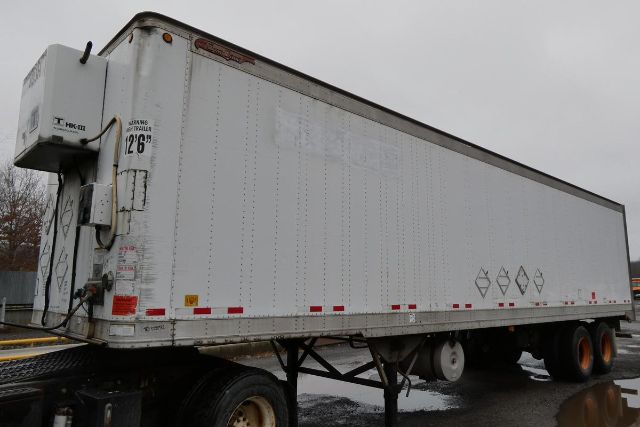
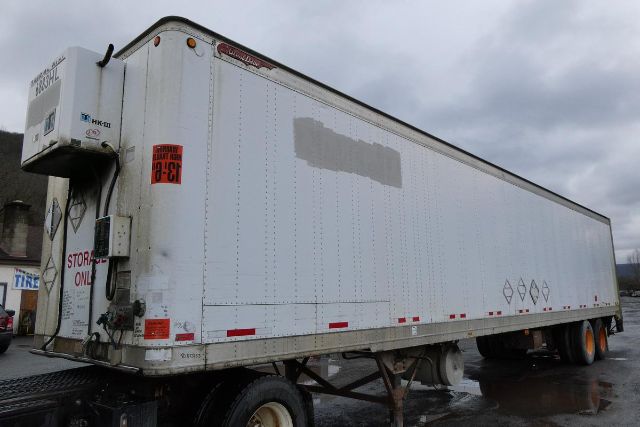

Selling a 2005 dry van trailer? List your 2005 dry van trailer for sale and reach thousands of commercial buyers.
2005 Dry Van Trailers in Pennsylvania
Retail distribution along I-81, manufacturing freight on I-80, and loads moving across the Pennsylvania Turnpike favor enclosed vans that protect palletized cargo from weather. On used trailers, verify maintenance records, brake condition, wheel-end service, and smooth slider operation. Any unused 2005 trailer advertised as new still needs an age-related inspection and written confirmation of warranty coverage; refurbishment does not make a trailer factory-new.
Frequently Asked Questions about 2005 Dry Van Trailers in Pennsylvania
How many pallets fit in a 53-foot 2005 dry van trailer?
A 53-foot dry van normally accommodates 26 standard 48-by-40-inch pallets in a straight, single-layer loading pattern. Actual fit depends on usable interior dimensions, pallet overhang, and cargo securement clearance. A 2005 trailer also needs enough remaining floor strength for the loaded forklift, whose concentrated axle loading can exceed the demands imposed by the stationary freight.
What weight limits apply to a dry van trailer in Pennsylvania?
A standard five-axle tractor and tandem-axle dry van combination is ordinarily limited to 80,000 pounds gross on Pennsylvania Interstate highways. Federal Interstate limits also generally restrict single axles to 20,000 pounds and tandems to 34,000 pounds. Axle spacing under the bridge formula, equipment ratings, posted bridges, and route restrictions can reduce allowable weight; a tandem slider helps distribute weight but does not increase those limits.
Should a 2005 dry van trailer have ABS?
A highway dry van manufactured in 2005 should have ABS because federal requirements apply to air-braked trailers manufactured on or after March 1, 1998. Verify the ABS warning-lamp self-test and retrieve fault codes during inspection. Damaged sensor wiring, corroded connectors, and wheel-end sensor problems deserve attention on an older Pennsylvania trailer, even when the foundation brakes appear serviceable.
Can I use a 2005 dry van trailer for stationary storage in Pennsylvania?
A structurally sound, watertight 2005 dry van can serve as stationary storage, but local zoning and property-use rules must permit that placement. Check the floor, roof, door seals, landing gear, and supporting ground before loading. A standard dry freight trailer provides no active temperature or humidity control, making condensation and seasonal temperature swings concerns for paper products, electronics, and other sensitive goods.
What should I verify if a 2005 dry van trailer is advertised as new?
An unused 2005 dry van is old stock, not a current factory-order trailer. Confirm whether the trailer has ever been sold or placed in service, because qualifying first retail sales of heavy trailers can be subject to 12% federal excise tax. Get any manufacturer warranty coverage in writing, and verify tire age, seals, and air-system condition even when mileage is minimal.