
Used Wabash Drop Deck Trailers For Sale
Shop used Wabash drop deck trailers with specs on deck height, axle setup, weight, tie-downs, and flooring for legal, versatile hauling.
Selling a used wabash drop deck trailer? List your used wabash drop deck trailer for sale and reach thousands of commercial buyers.
Used Wabash Drop Deck Trailers
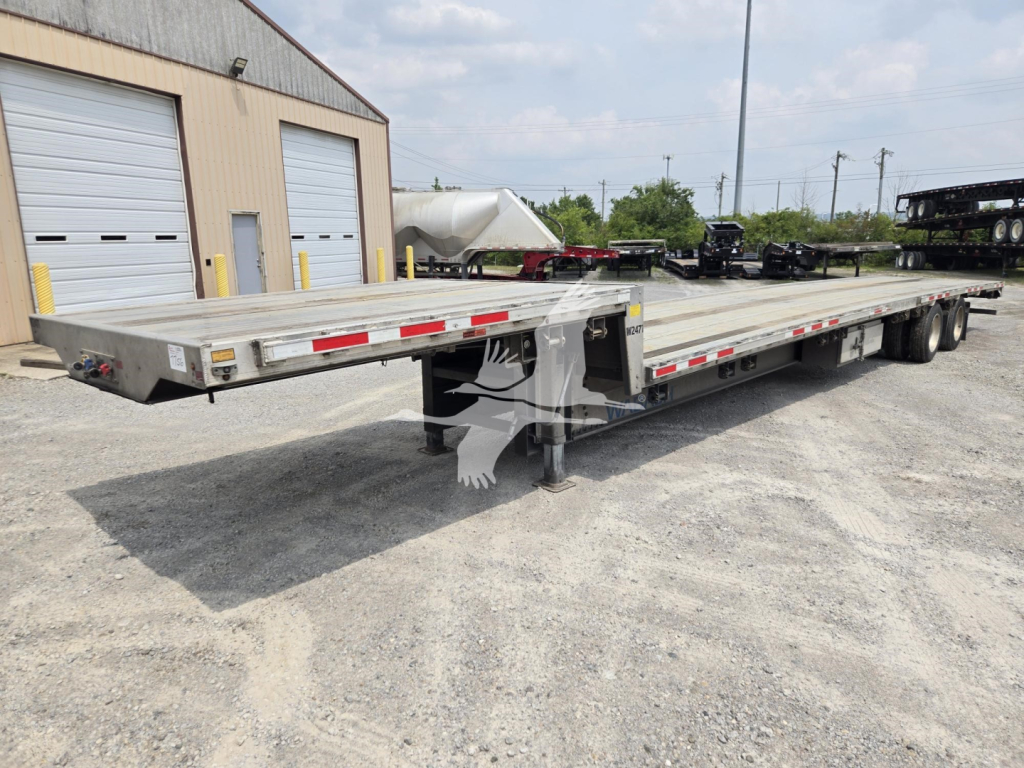
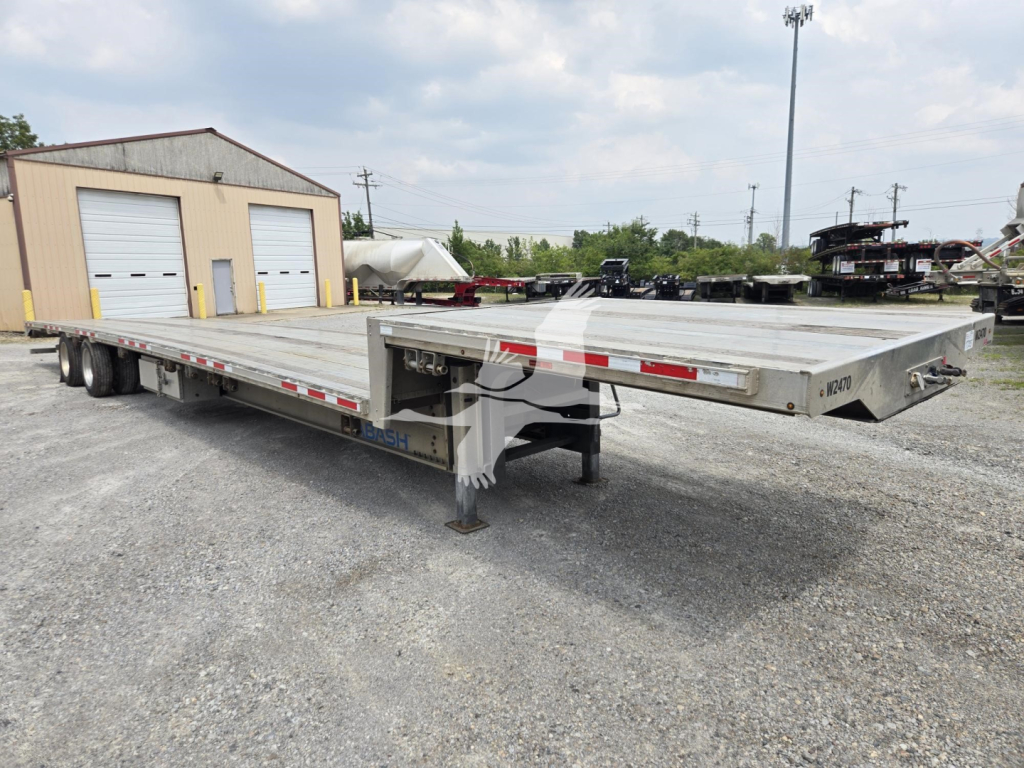
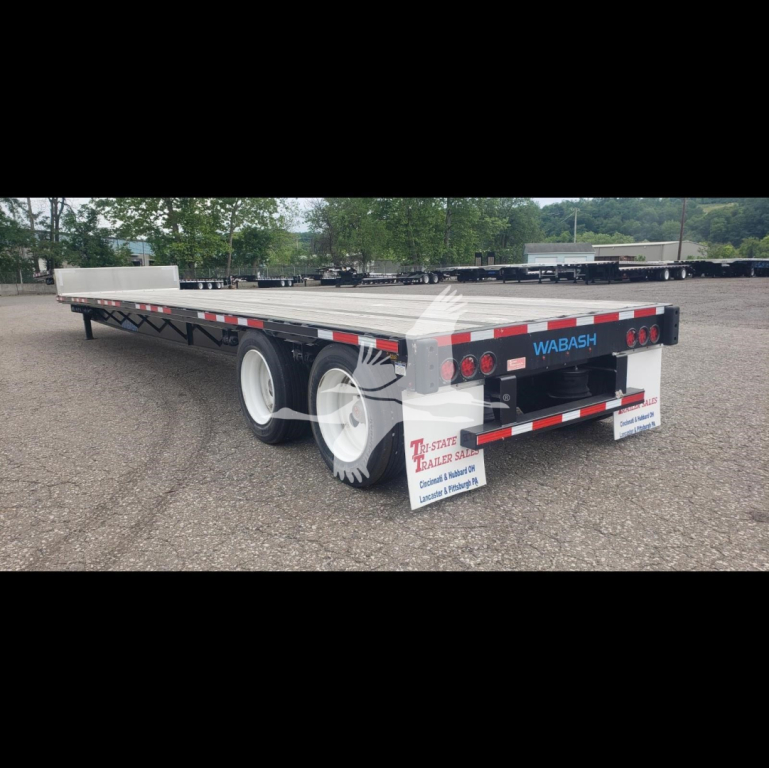
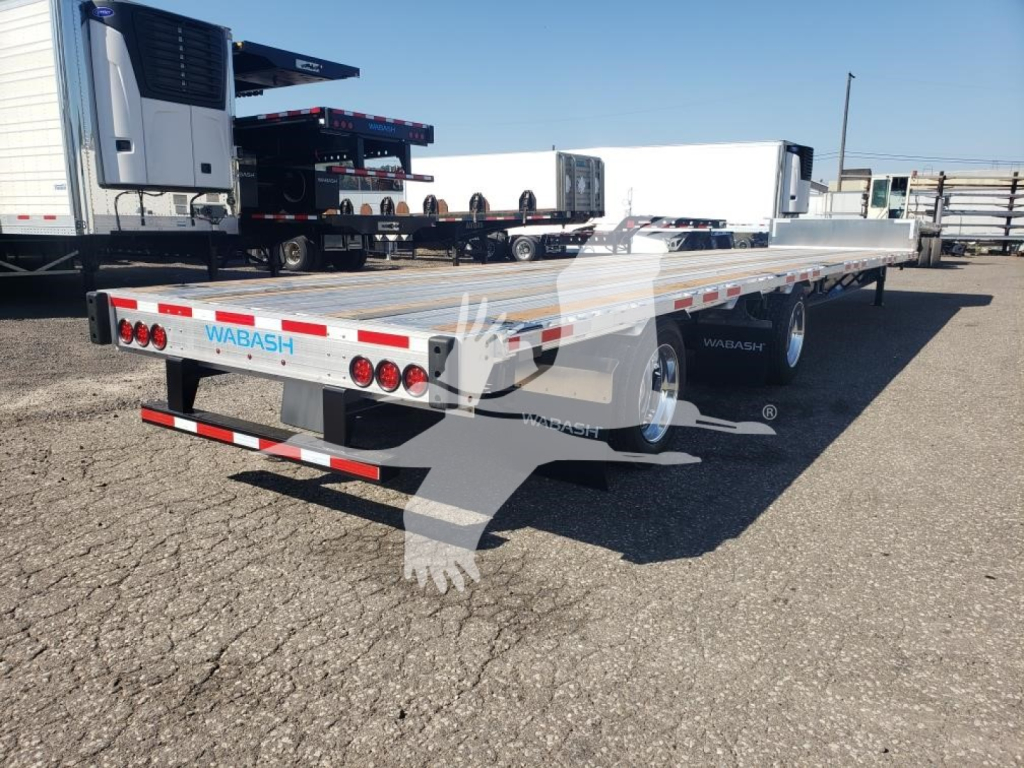
Construction matters because it affects both tare weight and long-term durability. Wabash drop decks are commonly found in aluminum combo and all-steel designs. A combo trailer helps maximize payload and is often preferred for operations hauling denser legal freight where every pound counts. A steel drop deck typically gives up some payload to gain a more rugged feel for hard-use environments. Flooring is another key point. Apitong remains common because it handles concentrated loads well and stands up to forklifts, steel freight, and chained equipment. Crossmember spacing, side rail design, front and rear material, and pipe spool layout all influence how the trailer holds up under repeated loading and securement stress.
Securement and axle specification deserve a close look on any used unit. Many Wabash drop decks are equipped with roadside winch tracks, sliding winches, tie bars, and multiple pairs of tie-downs or Lock-Rite style securement points. Those details matter if the trailer will see mixed commodity work instead of one dedicated lane. Tandem axle air-ride suspensions from suppliers such as Hendrickson are common, and some trailers include slider tandems or tire inflation systems that can reduce maintenance interruptions. Tire size can also signal intended use. A 17.5-inch low-pro setup can help lower deck height for taller freight, while 22.5-inch tires are a familiar choice on more conventional drop deck builds. Kingpin setting, axle spread or tandem position, and California-legal axle placement can all affect bridge compliance and where the trailer works best.
A strong used Wabash drop deck should be evaluated like a revenue tool, not just a platform. Check the beam rating in the lower deck, inspect the floor around concentrated load areas, look for rail damage from chains and binders, and verify suspension condition, landing gear operation, and tire wear patterns. Buyers hauling machinery may prioritize lower deck height and concentrated load capacity, while general flatbed operators may place more value on lighter tare weight, versatile securement, and durable flooring. Wabash has a solid reputation in the open-deck market, and a well-spec'd used drop deck can cover a wide range of freight without stepping up to a specialized lowboy.
Frequently Asked Questions about Used Wabash Drop Deck Trailers
What is the advantage of a Wabash drop deck trailer over a standard flatbed?
A drop deck trailer gives you a lower main deck than a standard flatbed, which allows taller freight to stay within legal height limits. That makes it a practical choice for machinery, crated equipment, building materials, and palletized loads that would ride too high on a conventional flatbed. On many used Wabash units, the upper deck handles shorter freight while the lower deck carries the tallest portion of the load.
Should I choose a low-profile 17.5-inch tire setup or a standard 22.5-inch setup on a used Wabash drop deck?
A 17.5-inch low-profile setup is typically chosen to reduce loaded deck height, which helps with taller freight and tight legal-height requirements. A 22.5-inch setup is more conventional and may be preferred for fleets that want broader tire availability and a more familiar spec. The right choice depends on the freight mix, regional legal-height limits, and whether lower deck height is worth the tradeoff in tire type and operating preference.
What should I inspect first on a used Wabash drop deck trailer?
Start with the main deck structure and lower deck beam area, because that is where concentrated load stress shows up first. Inspect the floor for wear, cracking, or soft spots, especially around forklift traffic and chained freight positions. Then check side rails, winch track, tie-down points, suspension components, slider operation if equipped, landing gear, wheel ends, and tire wear. Uneven tire wear or damaged rails can point to alignment, loading, or maintenance issues.
Are combo and steel Wabash drop deck trailers suited for different jobs?
Yes. A combo trailer, typically using both aluminum and steel components, is generally aimed at reducing tare weight so more payload can be carried legally. A steel trailer is usually heavier but may appeal to buyers working in harsher loading environments where ruggedness is a priority. The right spec depends on whether payload, corrosion resistance, repair preference, or heavy-use durability matters most in your operation.
What specs matter most when comparing used Wabash drop deck trailers?
The most important specs are overall length, upper deck length, lower deck length, loaded deck height, beam rating, axle configuration, suspension type, and securement equipment. Flooring material, crossmember spacing, kingpin setting, and tire size also matter because they affect payload, freight compatibility, and compliance. Buyers should match those specs to the freight they haul most often rather than comparing trailers only by year or price.