
Used 2020 Drop Deck Trailers For Sale
Browse used 2020 drop deck trailers for sale, including common specs, deck lengths, weight ratings, axle setups, and freight applications.
Selling a used 2020 drop deck trailer? List your used 2020 drop deck trailer for sale and reach thousands of commercial buyers.
Used 2020 Drop Deck Trailers
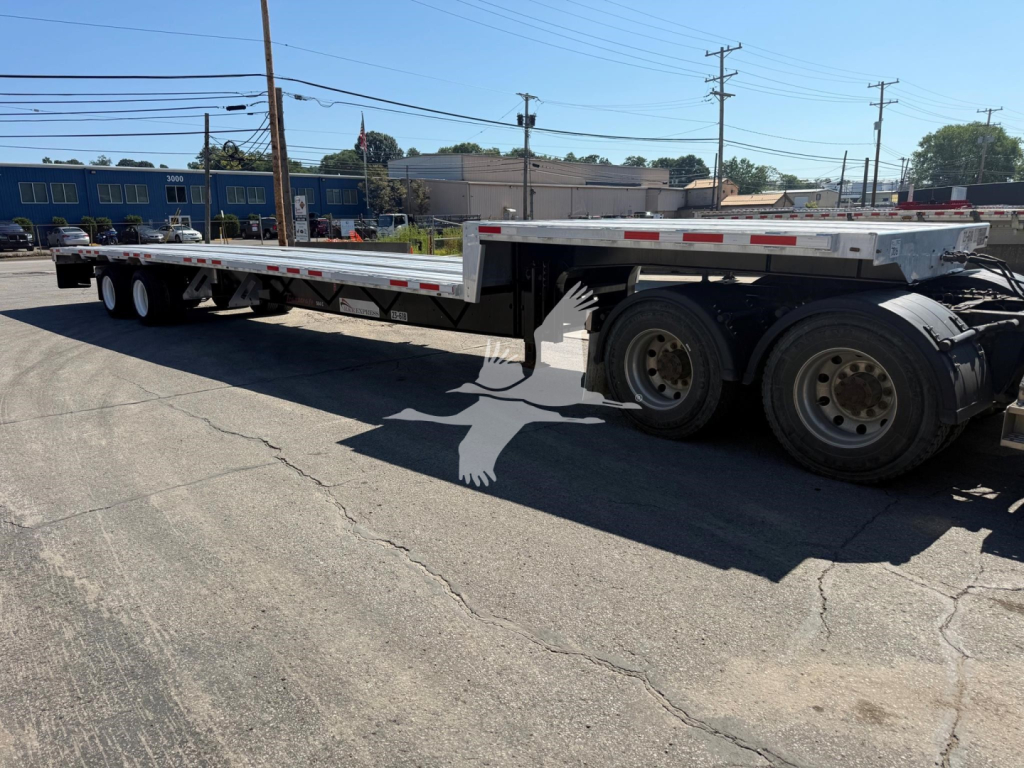
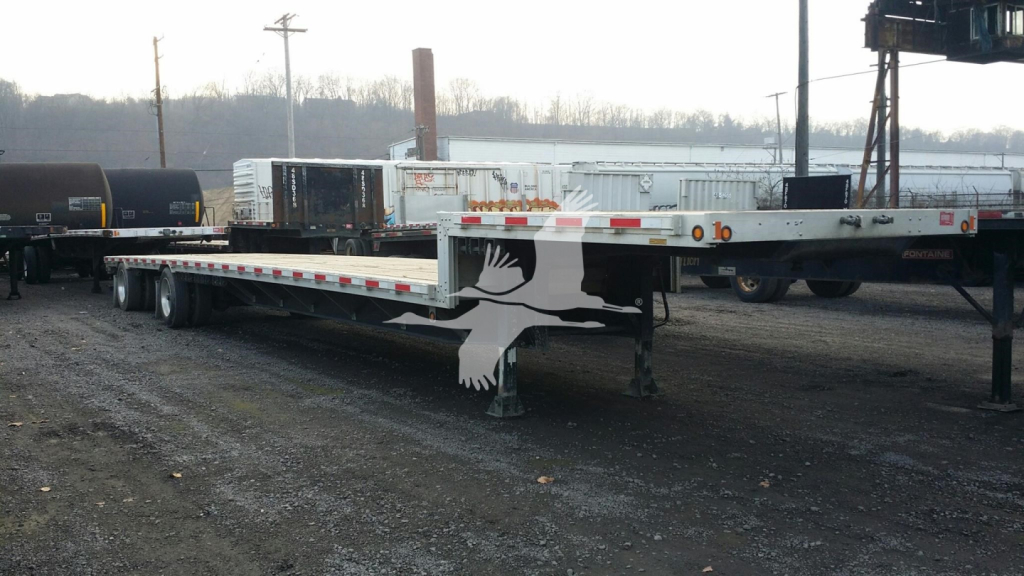
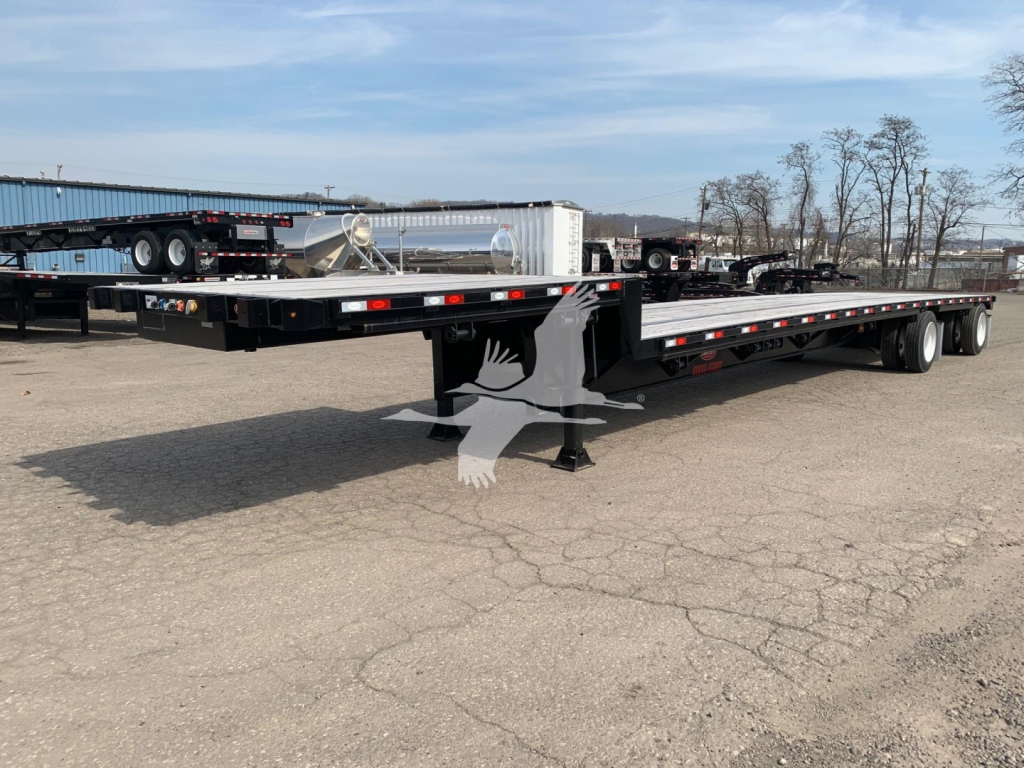
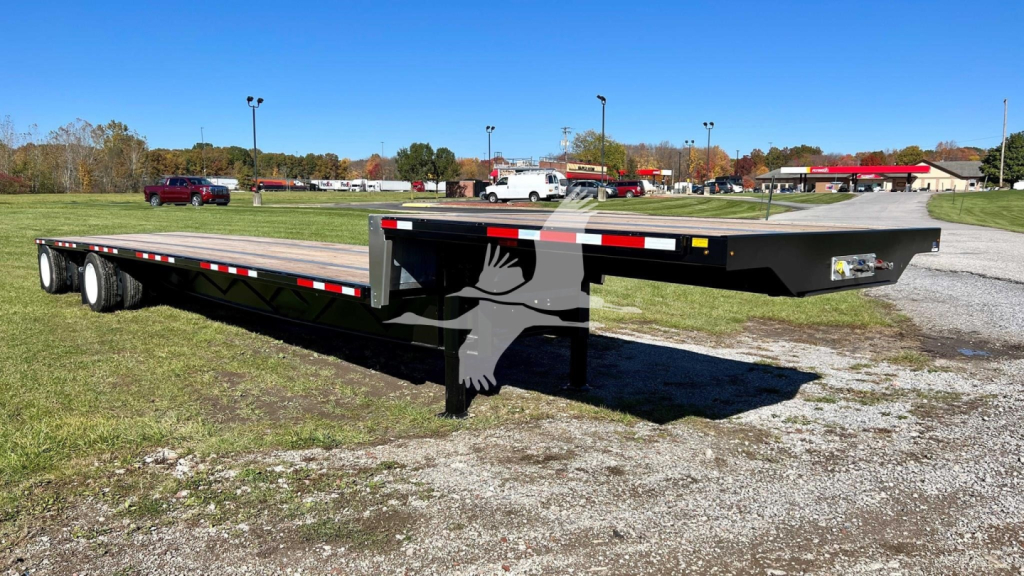
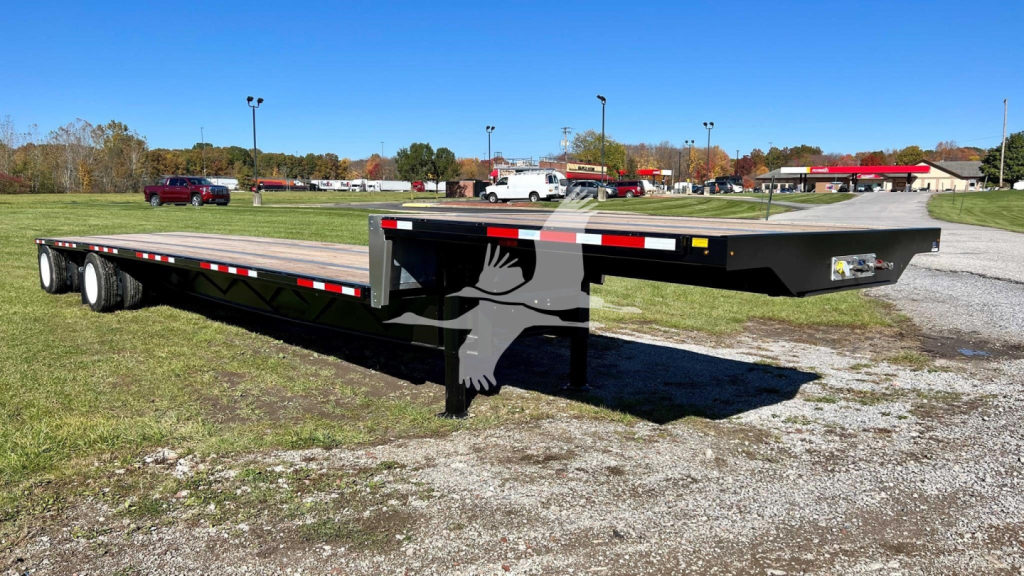
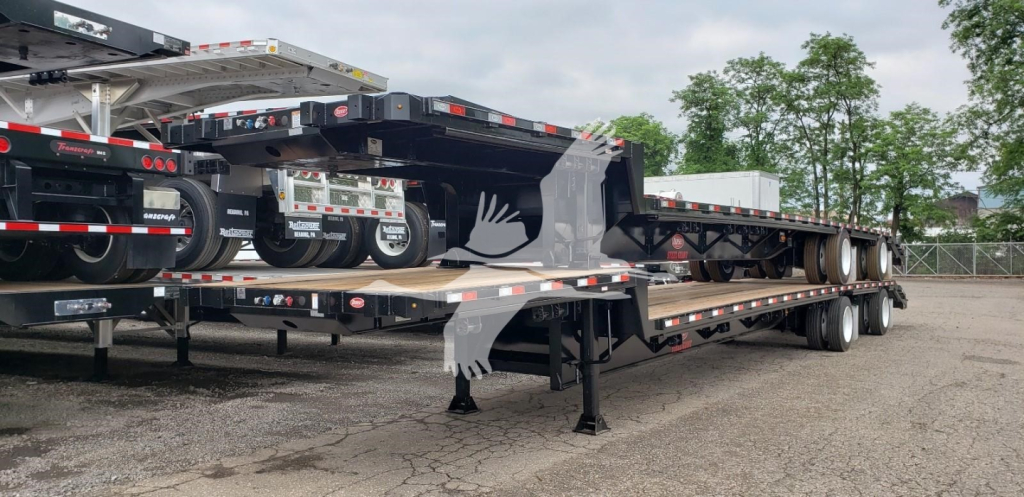
The first decisions usually come down to length, deck layout, and construction. Common configurations are 48-foot and 53-foot drop decks, typically 102 inches wide, with an upper deck around 10 to 11 feet and a lower deck in the 37- to 43-foot range. Aluminum drop deck trailers, such as Reitnouer-style designs, are favored when tare weight matters and payload is a priority. Steel and combo trailers tend to appeal to buyers who want a more rugged platform for concentrated loads or harsher jobsite use. Look closely at main deck height, beavertail or straight rear design, crossmember spacing, side rail strength, and floor type such as apitong or aluminum with nailer strips. Those details affect both legal height and how well the trailer handles forklifts, tracked equipment, and repeated load securement.
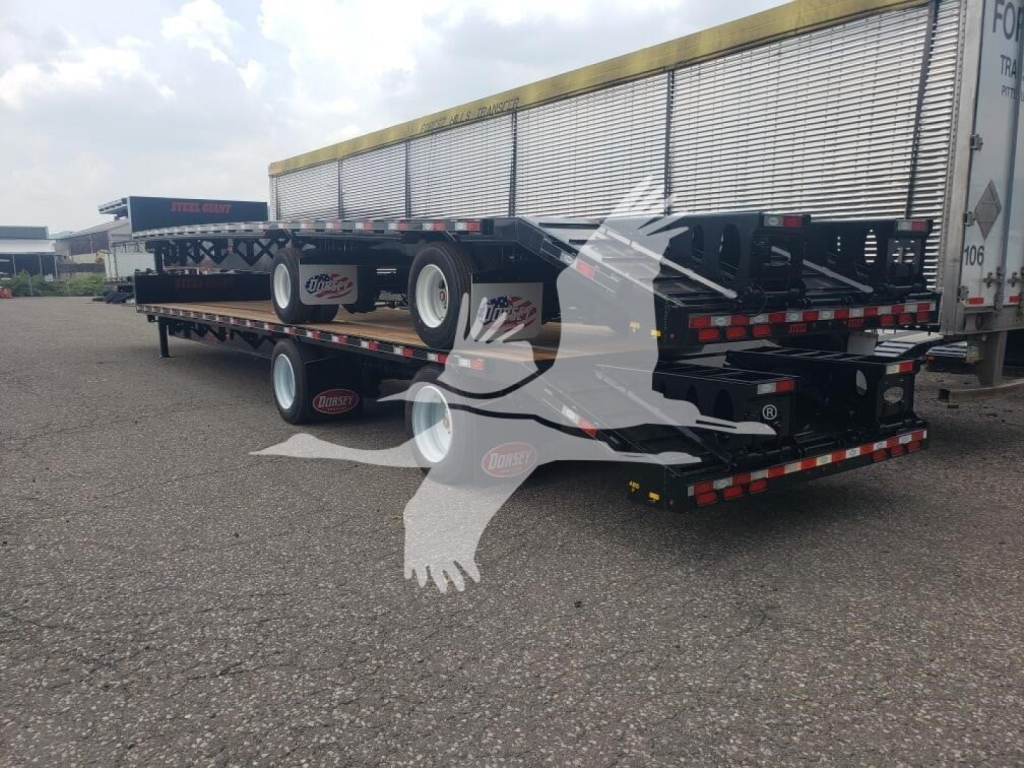
Used 2020 drop deck trailers also vary quite a bit in running gear and securement equipment. Tandem axle setups remain the standard for general freight, while tri-axle versions push into heavier applications and can bring higher GVWR ratings, lift axles, and tighter axle spacing considerations. Air ride suspension is common and usually preferred for sensitive freight, and buyers should review kingpin setting, sliding suspension range, brake type, wheel material, and tire size before matching a trailer to their tractor and lane requirements. On the working side, winch tracks on one or both sides, sliding winches, pipe spools, chain tie-down points, toolboxes, traction-equipped beavertails, and spring-assisted ramps can make a big difference depending on whether the trailer will carry steel, lumber, equipment, or mixed open-deck freight.
For a used 2020 unit, condition matters more than the badge on the nose. Check deck wear, floor fasteners, frame straightness, neck and drop transition areas, axle alignment, suspension bushings, brakes, tire wear patterns, and lighting integrity. If the trailer has disc brakes, tire inflation systems, anti-roll systems, or lift axle plumbing, confirm those systems are working and not just present. A well-kept 2020 drop deck can offer a strong balance of spec, remaining service life, and resale value, especially for fleets that need open-deck flexibility without stepping up to a specialized heavy haul trailer.
Frequently Asked Questions about Used 2020 Drop Deck Trailers
What is the difference between a drop deck trailer and a flatbed trailer?
A drop deck trailer, also called a step deck trailer, has two deck levels instead of one continuous deck. The upper deck sits over the tractor drives and the main deck drops lower behind it, which allows taller freight to ride lower than it would on a standard flatbed. That lower loaded deck height is the main reason buyers choose a drop deck for equipment, crated machinery, and freight that may exceed legal height on a flatbed.
What lengths are common for used 2020 drop deck trailers?
The most common lengths are 48 feet and 53 feet, usually at 102 inches wide. A typical 48-foot drop deck may have about 10 to 12 feet of upper deck and roughly 36 to 38 feet of lower deck, while a 53-foot trailer often has an upper deck around 10 to 11 feet and a lower deck around 42 to 43 feet. Exact deck lengths vary by make, frame design, and whether the trailer has a beavertail or ramps.
Is an aluminum or steel drop deck better?
It depends on the freight and operating environment. Aluminum drop deck trailers usually weigh less, which helps maximize payload and can improve long-term corrosion resistance. Steel trailers are often chosen for more severe service, concentrated loads, and rougher loading conditions. Combo construction can offer a middle ground by balancing tare weight with structural durability.
What should I inspect on a used 2020 drop deck trailer before buying?
Focus on structural condition and wear items first. Inspect the frame rails, neck, drop transition, crossmembers, decking, side rails, suspension, axle alignment, brakes, tires, and electrical system. Check securement equipment like winch tracks, sliding winches, chain slots, ramps, and toolboxes for damage or repairs. If the trailer has air ride, disc brakes, tire inflation systems, or lift axles, verify they function correctly and have been maintained rather than assuming they are road-ready because they are installed.
Are ramps and beavertails necessary on a drop deck trailer?
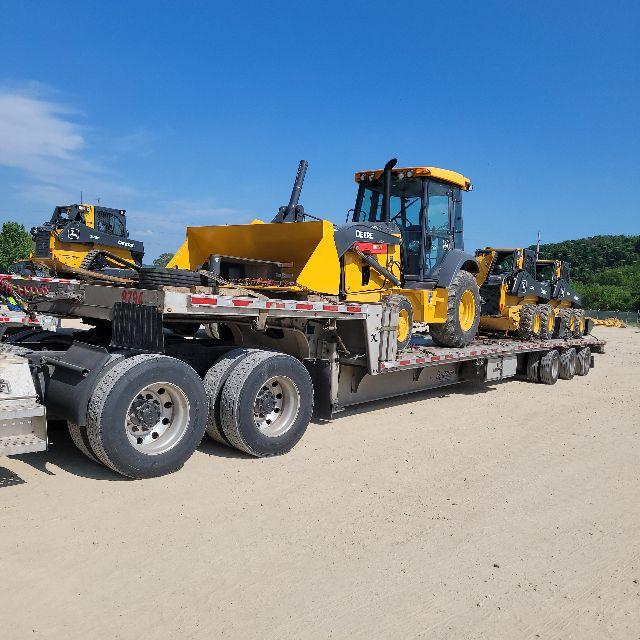
They are necessary only if the trailer will regularly load self-propelled equipment or wheeled and tracked machines. A beavertail with spring-assisted ramps makes loading easier and reduces the ramp angle, which is useful for skid steers, small excavators, forklifts, and similar equipment. For general open-deck freight such as steel, lumber, or palletized products, a straight rear drop deck without ramps may save weight and simplify the trailer.