
Used 2015 Drop Deck Trailers For Sale
Shop used 2015 drop deck trailers with buyer-focused details on deck length, weight, axle setup, tie-downs, suspension, and freight fit.
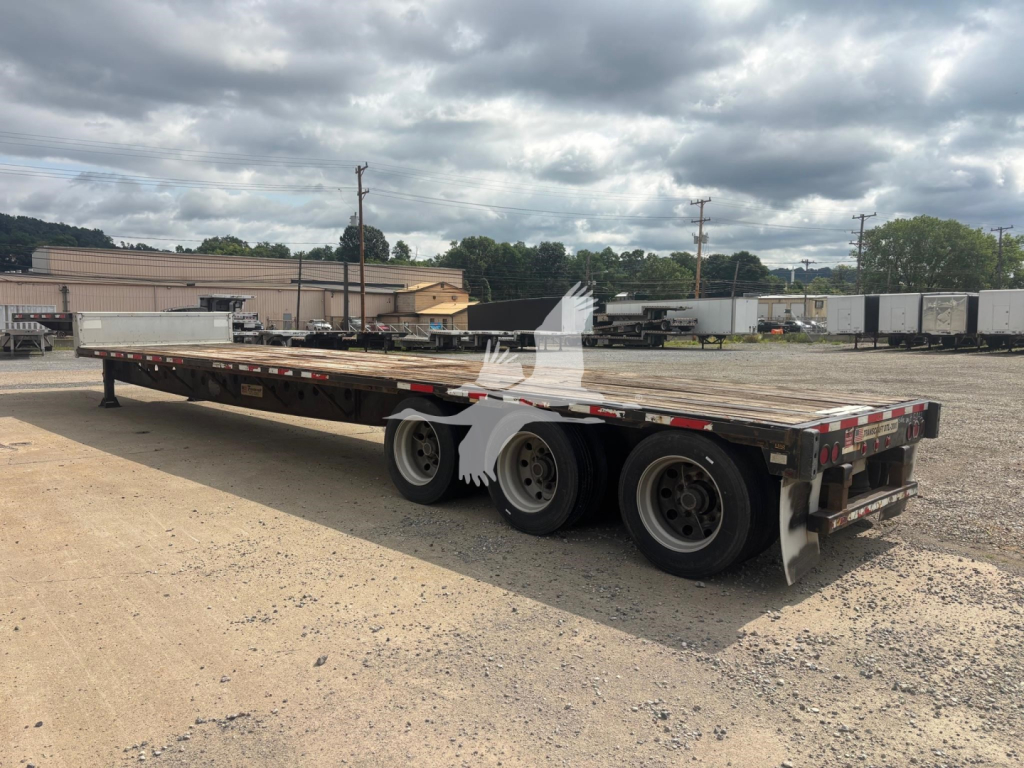
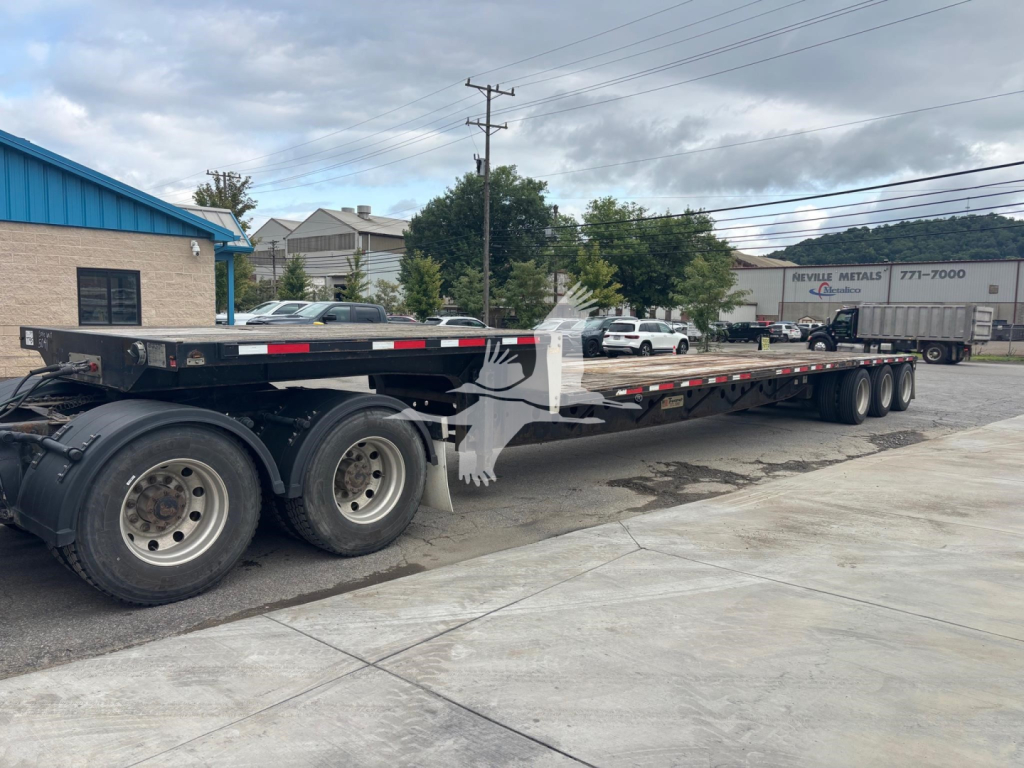
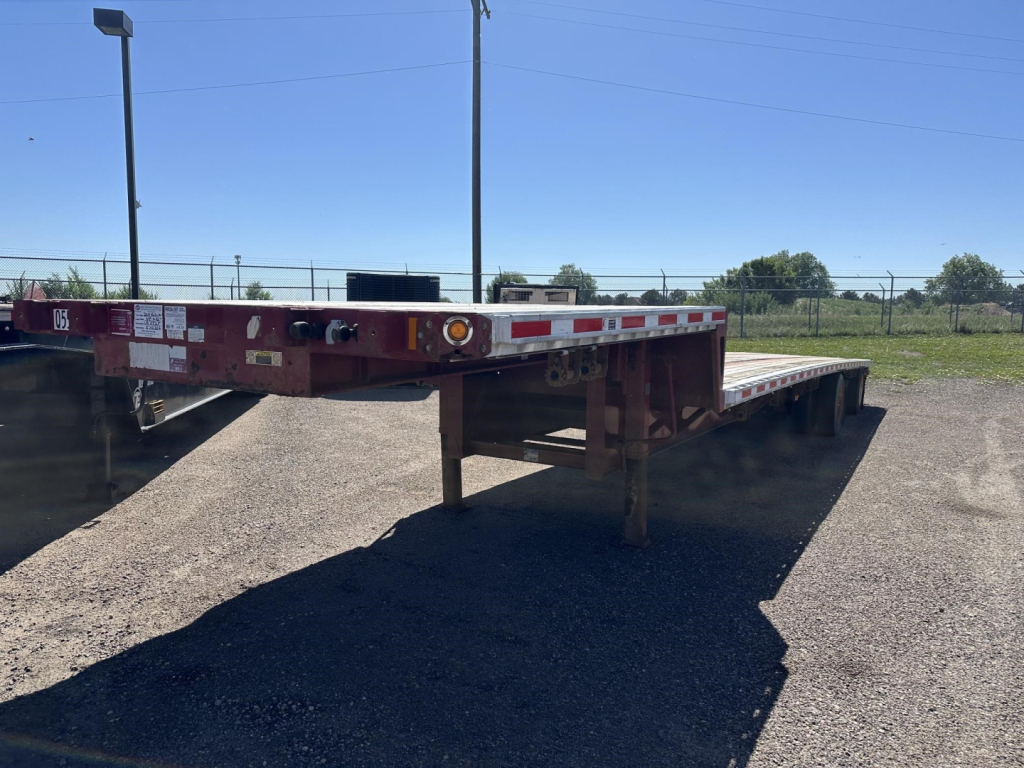
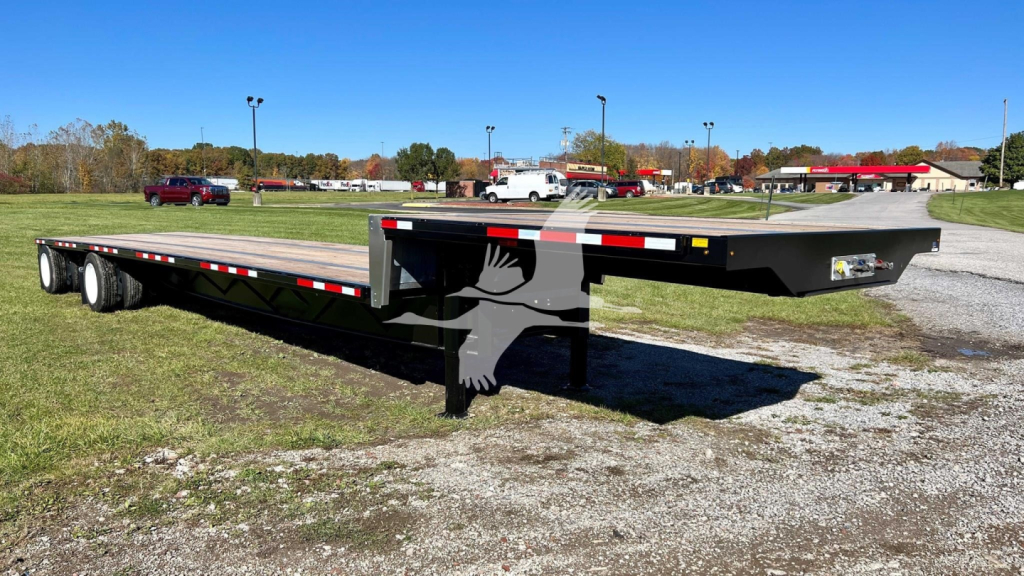
Selling a used 2015 drop deck trailer? List your used 2015 drop deck trailer for sale and reach thousands of commercial buyers.
Used 2015 Drop Deck Trailers
The core advantage of a drop deck is legal height management. Lower deck height, often in the low-40-inch range depending on tire size and suspension, gives more room for machinery, palletized materials, crated equipment, construction supplies, and other freight that would be too tall on a standard flatbed. On used 2015 models, pay close attention to main deck height, kingpin setting, axle placement, and overall weight. Lightweight aluminum designs can improve payload, while steel or combination builds may better suit tougher service. Beam rating and crossmember spacing matter if the trailer will regularly carry concentrated loads such as forklifts, steel products, or small equipment.
Tie-down configuration is where one trailer can be far more useful than another. Many buyers look for winch tracks on one or both sides, sliding winches, double pipe spools, nailing strips, and coil package reinforcement if steel hauling is part of the work. Floor material is another major spec. Aluminum floors help keep tare weight down, while Apitong or other hardwood flooring is often preferred for durability and traction under equipment or frequent loading. Suspension and brake setup also deserve a close look on a used trailer from this model year. Air ride is common and helps protect freight, while disc brakes, dump valves, tire inflation systems, and anti-roll systems can add value for fleets focused on uptime and maintenance control.
A 2015 drop deck trailer buyer should evaluate condition with freight type in mind, not just age. Check the lower deck for concentrated wear, inspect side rails and crossmembers for damage from chains and forklifts, and look closely at landing gear, suspension components, wheel ends, and the neck-to-deck transition area. Width is commonly 102 inches, and most units in this class are tandem axle trailers with 22.5 low-profile tires, but the exact suspension setting and sliding axle configuration can affect bridge compliance, turning characteristics, and weight distribution. When the specs match the freight, a used 2015 step deck can remain a strong revenue trailer for regional building products, industrial freight, and taller loads that need flatbed versatility with extra deck clearance.
Frequently Asked Questions about Used 2015 Drop Deck Trailers
What is the difference between a drop deck trailer and a flatbed trailer?
A drop deck trailer, also called a step deck trailer, has two deck levels instead of one continuous deck. The upper deck sits near the fifth wheel, and the main deck drops lower behind it. That lower deck allows taller freight to move legally without exceeding height limits that would be a problem on a standard flatbed. Buyers typically choose a drop deck when they need flatbed loading access but more vertical clearance for machinery, material bundles, or palletized freight.
What should I inspect first on a used 2015 drop deck trailer?
Start with the structure and load-bearing areas. Inspect the main deck, crossmembers, side rails, neck transition, and rear frame for cracks, bends, corrosion, or repair work. Then review wear items such as suspension components, bushings, air bags, brakes, tires, wheel ends, and landing gear. On a step deck, tie-down hardware also matters because winch tracks, pipe spools, and rub rails see heavy use. The value of a used 2015 trailer depends more on structural condition and maintenance history than model year alone.
What deck length is most common on a drop deck trailer?
Forty-eight foot drop deck trailers are very common, often with a top deck around 10 feet and a main deck around 37 to 38 feet. Fifty-three foot models are also common for carriers that want more usable lower deck space and flexibility on longer freight. The right length depends on the freight mix, route requirements, and how often the trailer needs to handle multiple smaller shipments versus one larger machine or product load.
Are aluminum or steel drop deck trailers better?
Neither is automatically better because the right choice depends on payload and duty cycle. Aluminum drop deck trailers are typically lighter, which can improve legal payload and fuel efficiency. Steel trailers or steel-heavy combinations can offer durability advantages in severe service or frequent equipment loading. Buyers should compare tare weight, beam strength, floor type, side rail condition, and repair history rather than choosing by material alone.
Which features add the most value on a used drop deck trailer?
The most useful features are the ones that expand the trailer's freight options and reduce operating cost. Winch tracks on both sides, sliding winches, pipe spools, coil package reinforcement, air ride suspension, quality flooring, and a strong tie-down setup make a trailer more versatile. Disc brakes, tire inflation systems, dump valves, and sliding axle configurations can also add value depending on the lanes and the fleet's maintenance priorities. Buyers should focus on features that fit their freight and compliance needs, not just cosmetic condition.