
New Drop Deck Trailers For Sale in Colorado
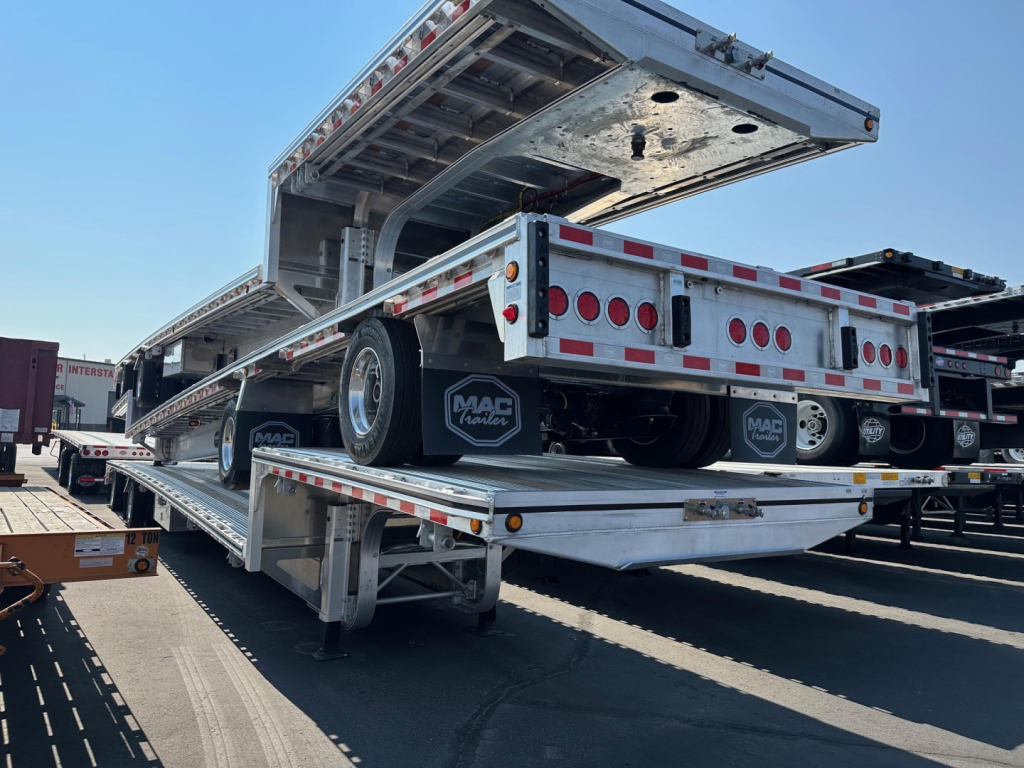
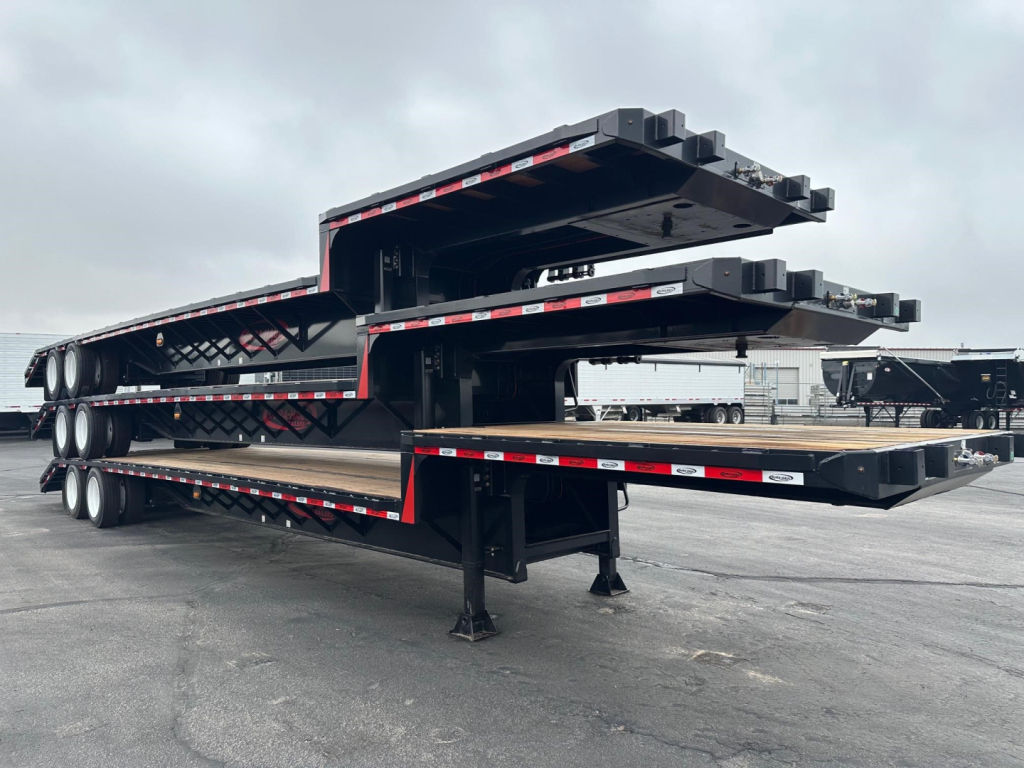
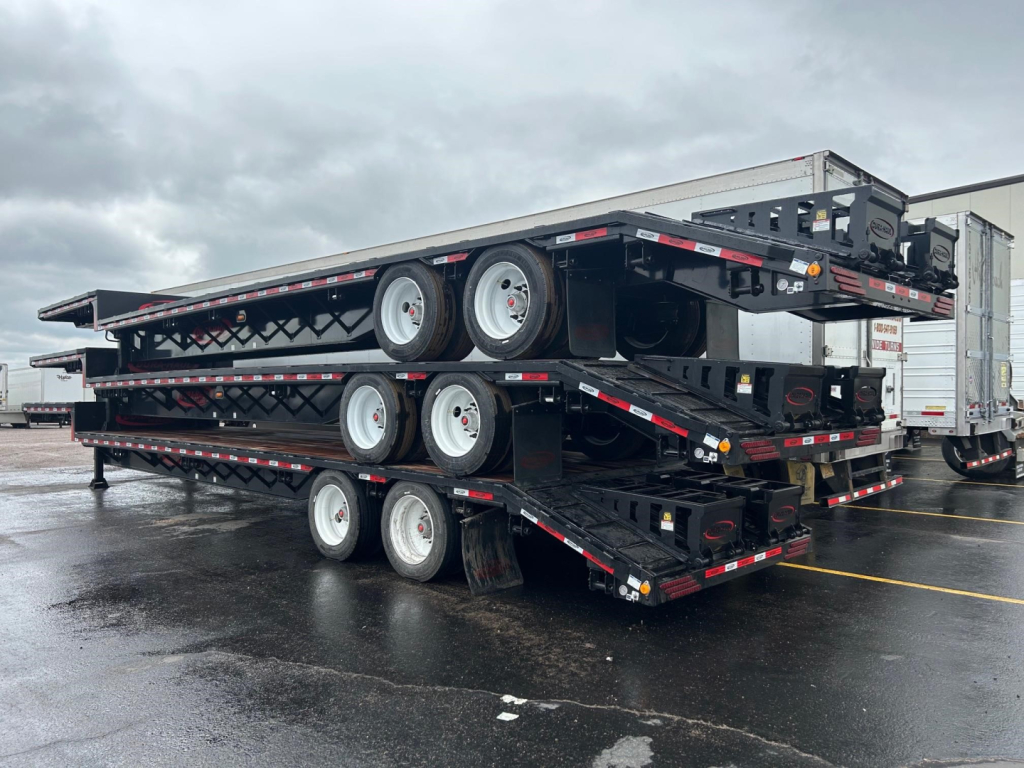
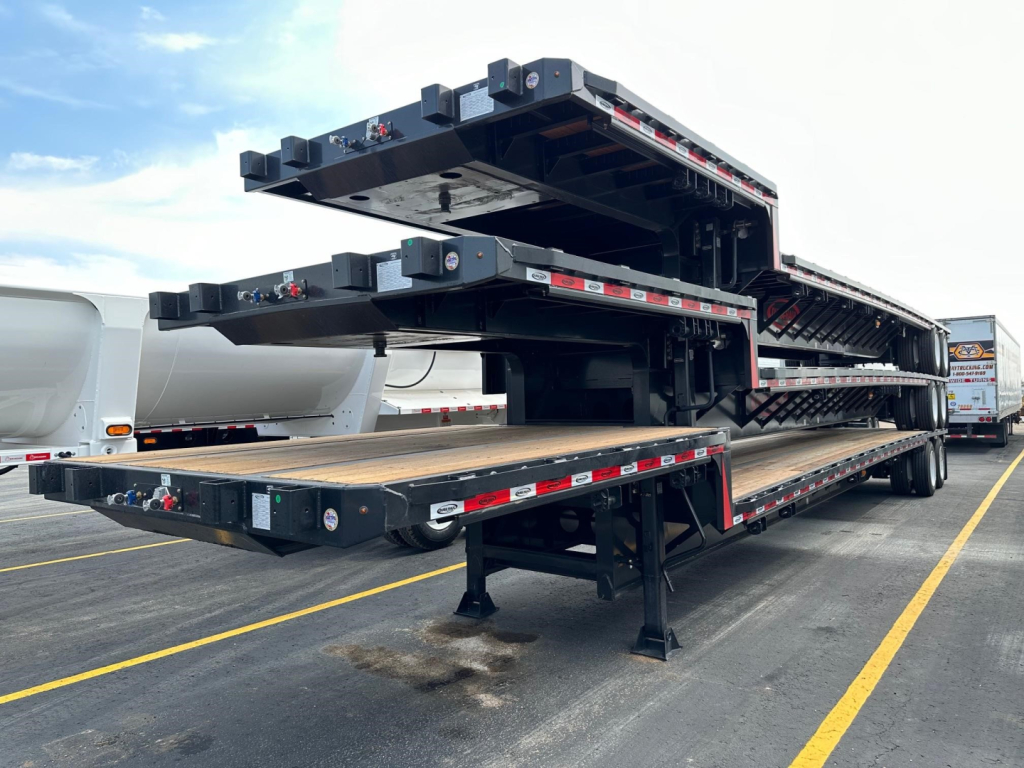
New drop deck trailers for sale in Colorado. Compare steel, combo, and aluminum designs, deck lengths, axle setups, ramps, and load securement.
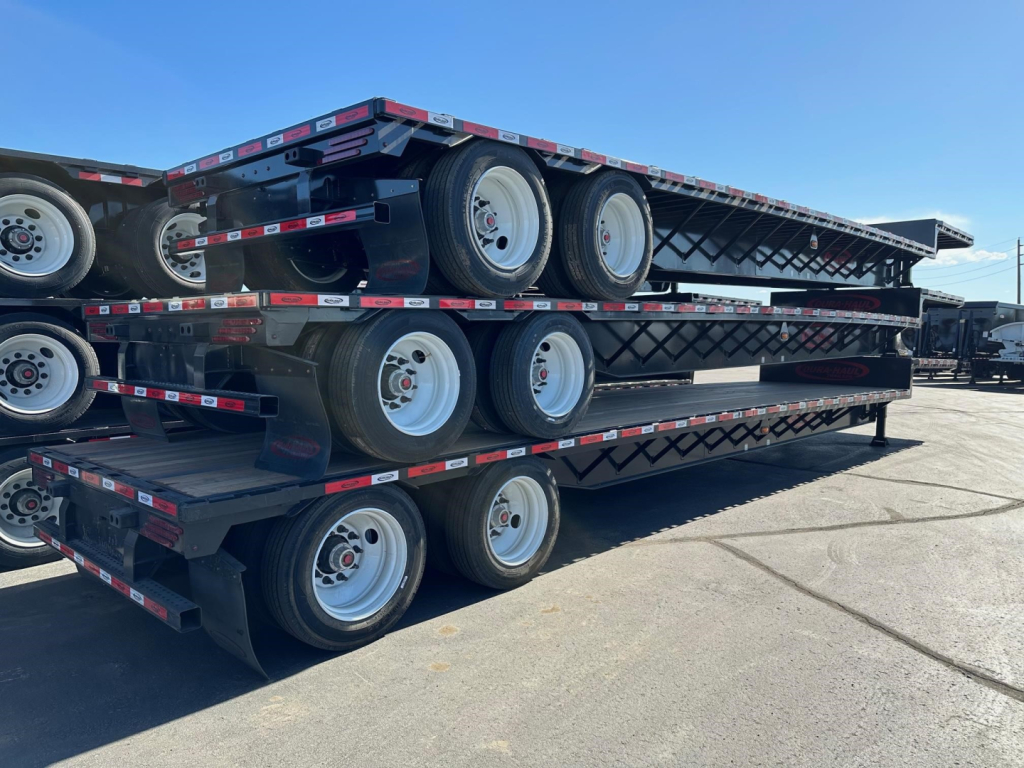
Selling a new drop deck trailer? List your new drop deck trailer for sale and reach thousands of commercial buyers.
New Drop Deck Trailers in Colorado
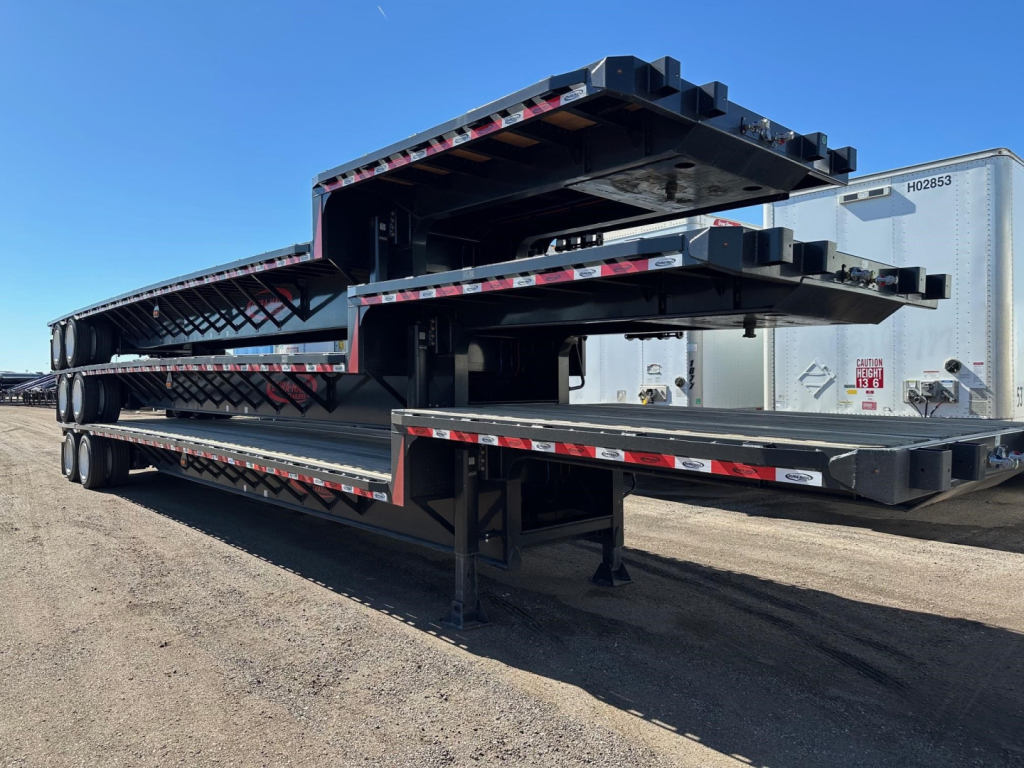
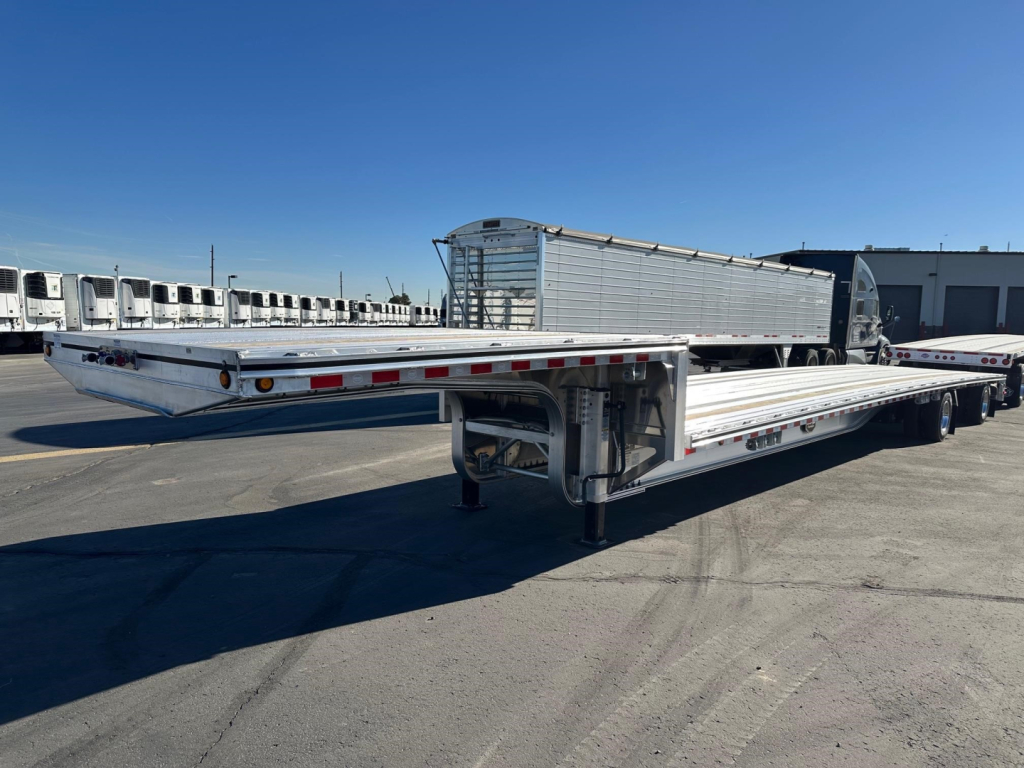
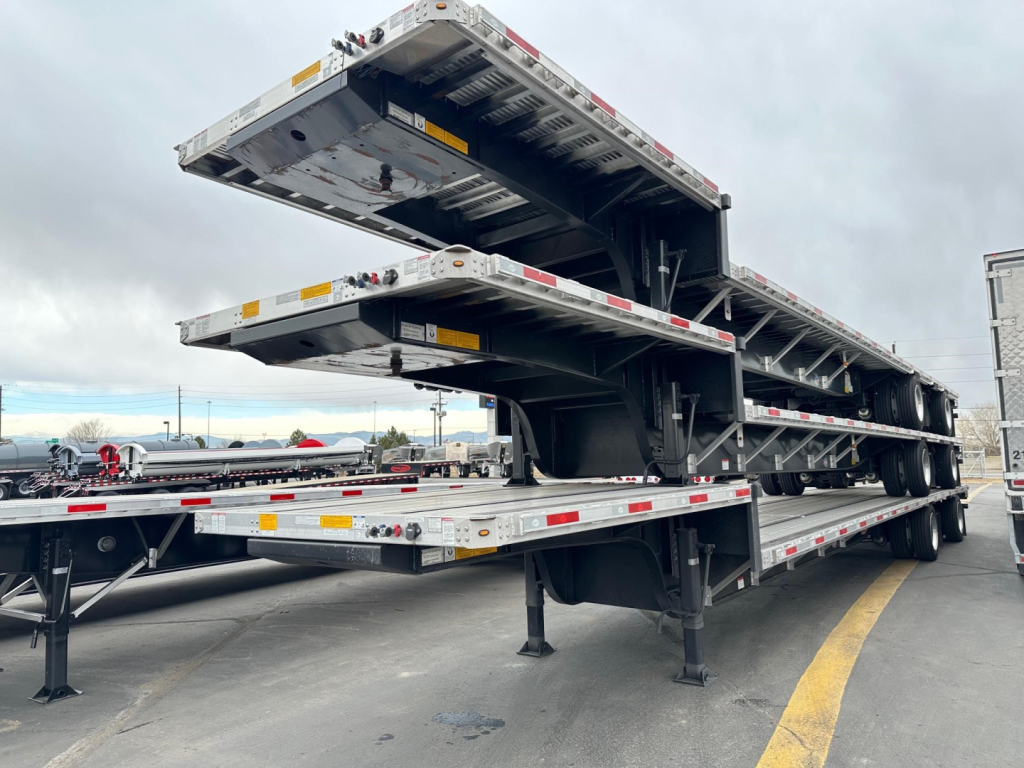
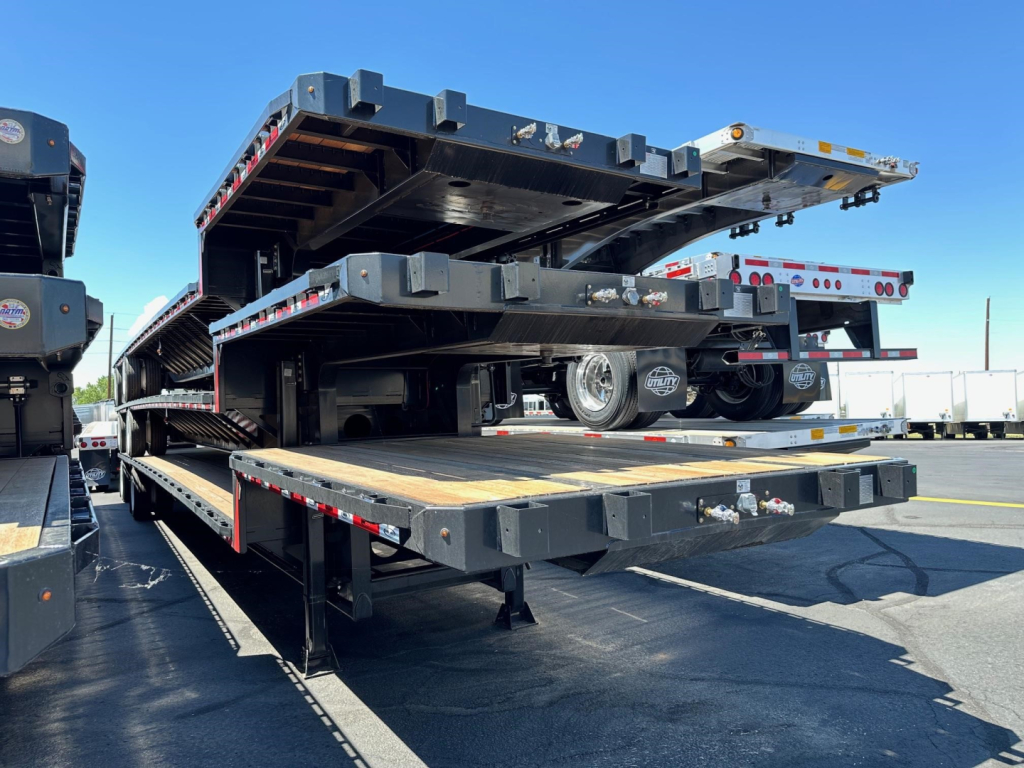
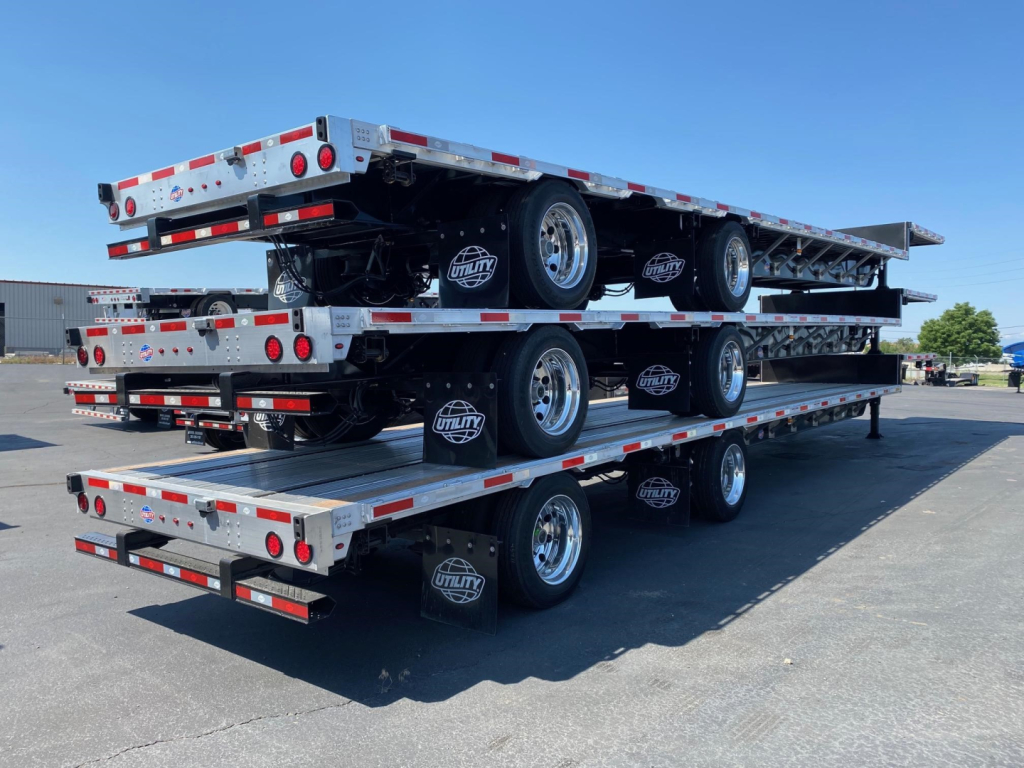
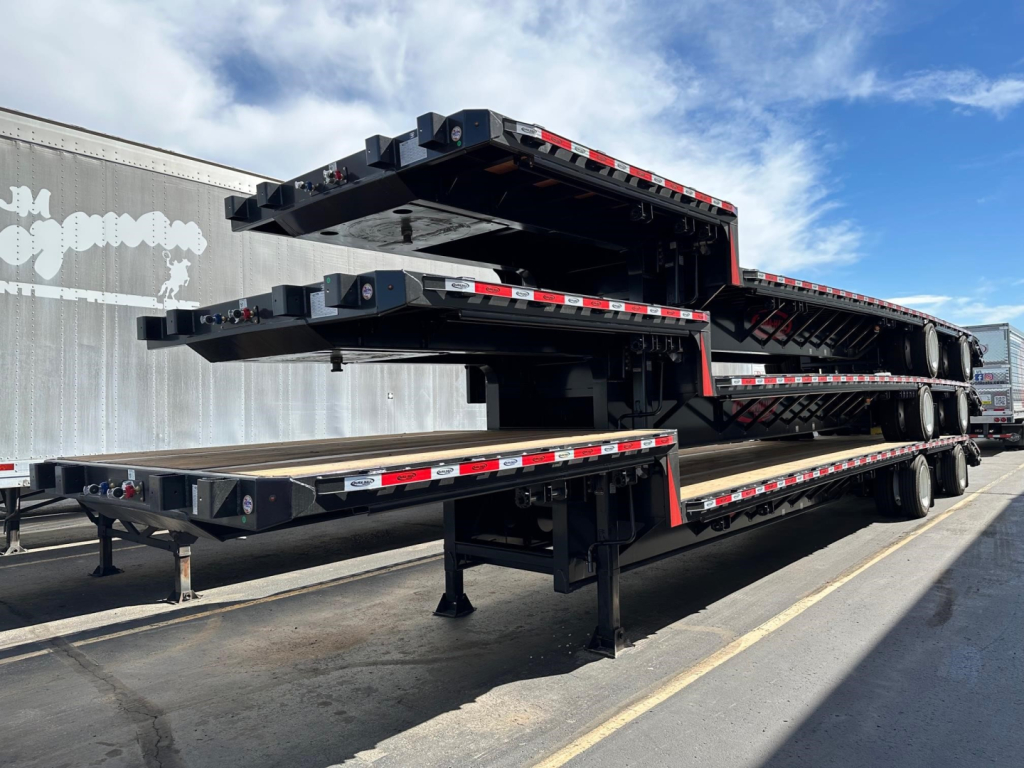
The first decision is usually structure and weight. Steel drop decks are durable, cost-effective, and well suited for hard use, concentrated loads, and fleets that prioritize repairability. Aluminum drop decks cut tare weight and can improve payload, which is attractive for owner-operators and operations watching every pound. Combo designs split the difference with steel main beams and aluminum components to balance strength, corrosion resistance, and empty weight. Decking often includes Apitong or aluminum floors, with details like nail strips, stake pockets, double pipe spools, and sliding winches playing a big role in day-to-day versatility.
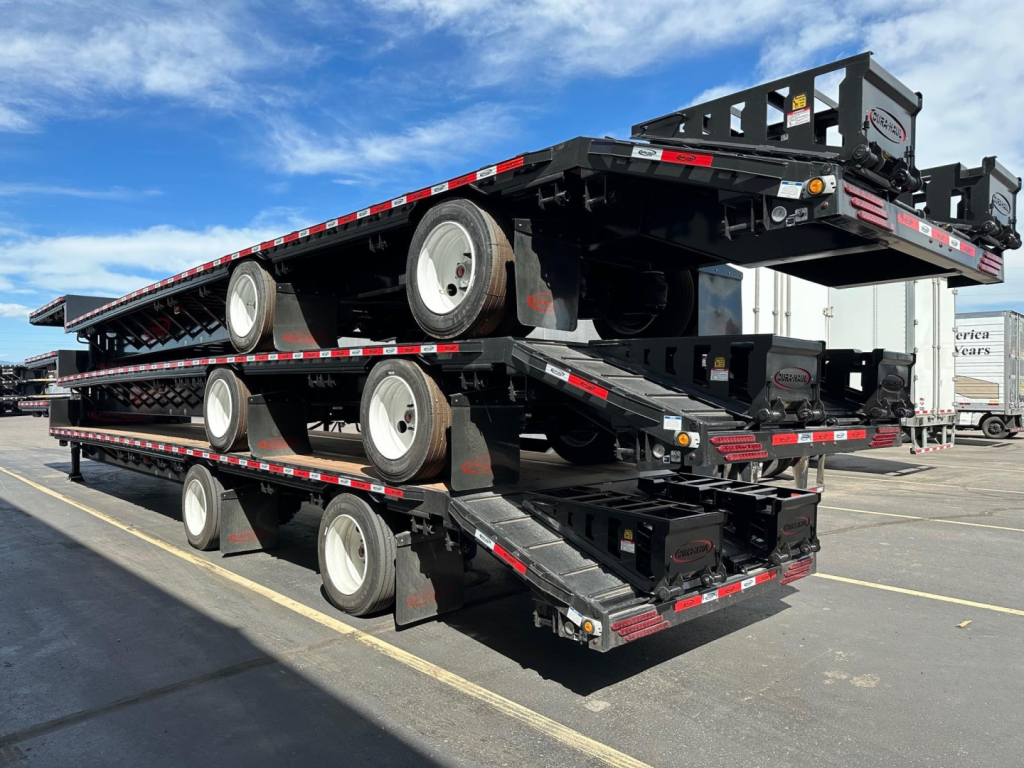
Axle layout and rear configuration should match the freight mix. Fixed tandems are simple and common, while sliding or rear-slide axle setups help with bridge law compliance and load positioning. Air ride suspension is popular for protecting sensitive cargo and improving ride quality. Tire and wheel packages vary from low-profile 22.5s to 17.5-inch rubber on some California-legal builds, and features like tire inflation systems, dump valves, scale gauges, and enclosed rear frames can add real operational value. If you load equipment, a beavertail with flip ramps is worth close attention because ramp angle, tail height, and deck transition affect how easily forklifts, scissor lifts, and compact machines can be driven on safely.
Load securement details separate an average trailer from one that fits the work. Buyers should look closely at winch track placement, crossmember spacing, coil package options, toolbox capacity, and the balance between lower-deck length and maneuverability. In Colorado, terrain and weather also push buyers toward practical specs such as LED lighting, durable finishes, and suspension setups that stay composed on rough approaches and mountain corridors. A well-configured new drop deck trailer should let you cover general flatbed freight one day and taller specialized cargo the next, without giving up legal height, securement flexibility, or serviceability.
Frequently Asked Questions about New Drop Deck Trailers in Colorado
What is the difference between a drop deck trailer and a flatbed trailer?
A drop deck trailer, also called a step deck trailer, has two deck levels instead of one continuous flat platform. The lower main deck sits behind the upper front deck, which gives additional legal load height compared with a standard flatbed. That extra height is the main reason buyers choose a drop deck for machinery, crated equipment, stacked materials, and other freight that would sit too tall on a flatbed.
What deck length and configuration is most common on a new drop deck trailer?
The most common new drop deck configurations are 48-foot and 53-foot trailers at 102 inches wide. Many 53-foot units have an upper deck around 10 to 11 feet and a lower deck around 41 feet, while 48-foot trailers often provide a shorter lower deck but can be easier to position in tighter jobsites. The right setup depends on your freight length, axle law requirements, and whether you need features such as a beavertail, flip ramps, or a sliding rear axle.
Is a steel, aluminum, or combo drop deck better?
Steel drop decks are generally favored for durability, lower upfront cost, and heavy-duty use with concentrated loads. Aluminum drop decks reduce tare weight and can increase payload, which is valuable when every pound counts. Combo trailers use steel main beams with aluminum components to balance strength and weight savings. The best choice comes down to the type of freight, expected abuse level, repair priorities, and how important empty weight is to your operation.
When should I choose a beavertail drop deck with ramps?
A beavertail with flip ramps makes sense when the trailer will regularly load wheeled or tracked equipment such as forklifts, skid steers, scissor lifts, or compact construction machines. The sloped rear section improves loading angle compared with a straight rear deck, and the ramps provide drive-on access without separate loading equipment. Buyers should verify ramp capacity, rear transition, and deck height because those details affect loading safety and what equipment can realistically be hauled.
What features matter most for load securement on a drop deck trailer?
Stake pockets, pipe spools, sliding winches, winch track layout, and crossmember spacing are some of the most important securement details. Freight type should drive the spec. Machinery and irregular loads often benefit from abundant tie-down points, while steel and coil work may require a coil package and stronger load placement planning. Buyers should also consider deck material, nail strips, toolbox space for chains and binders, and whether the axle position allows proper weight distribution without compromising securement access.