
Used Mac Drop Deck Trailers For Sale
Browse used Mac drop deck trailers with specs buyers want, including aluminum construction, deck dimensions, GVWR, axle setups, and cargo options.
Learn moreNo exact matches found for your search
Showing Used Drop Deck Trailers instead.
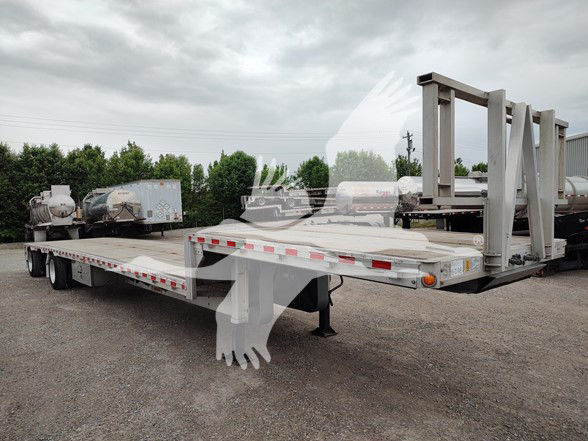
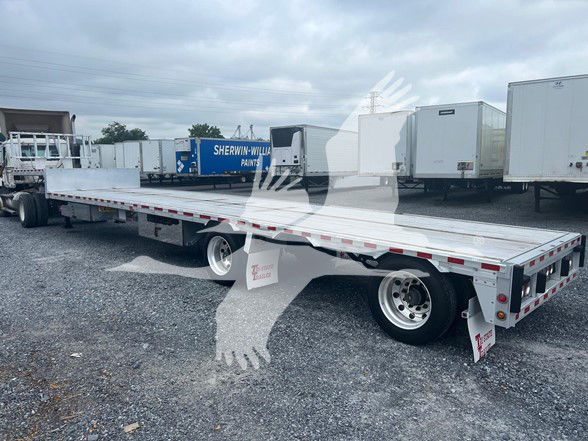
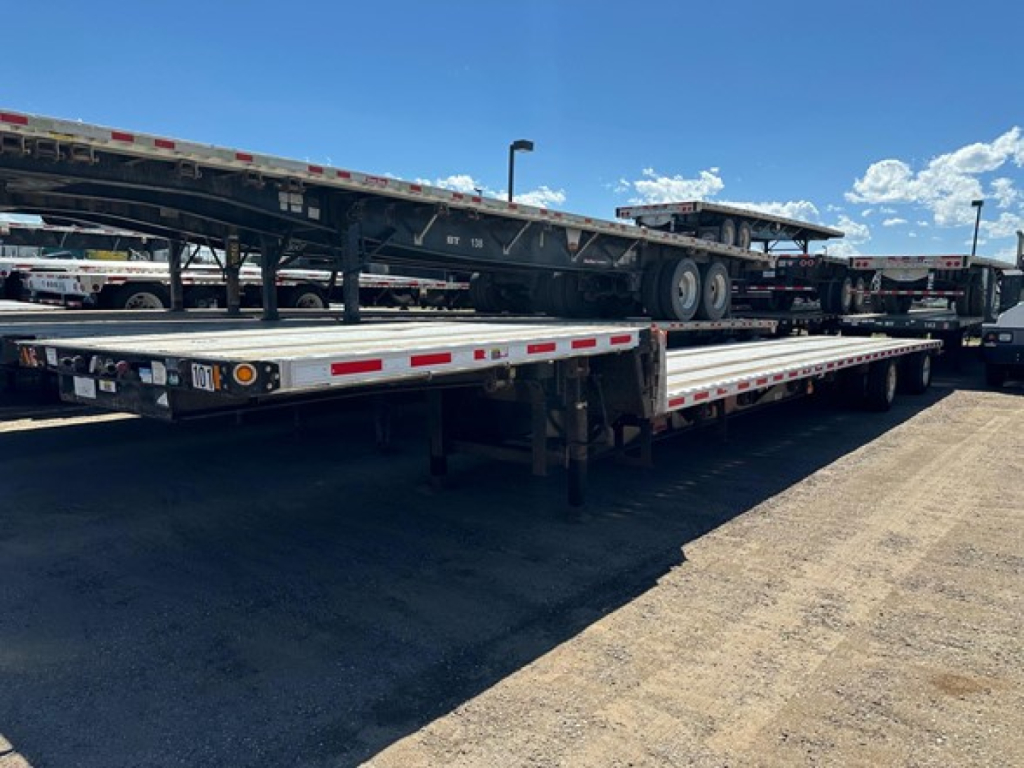
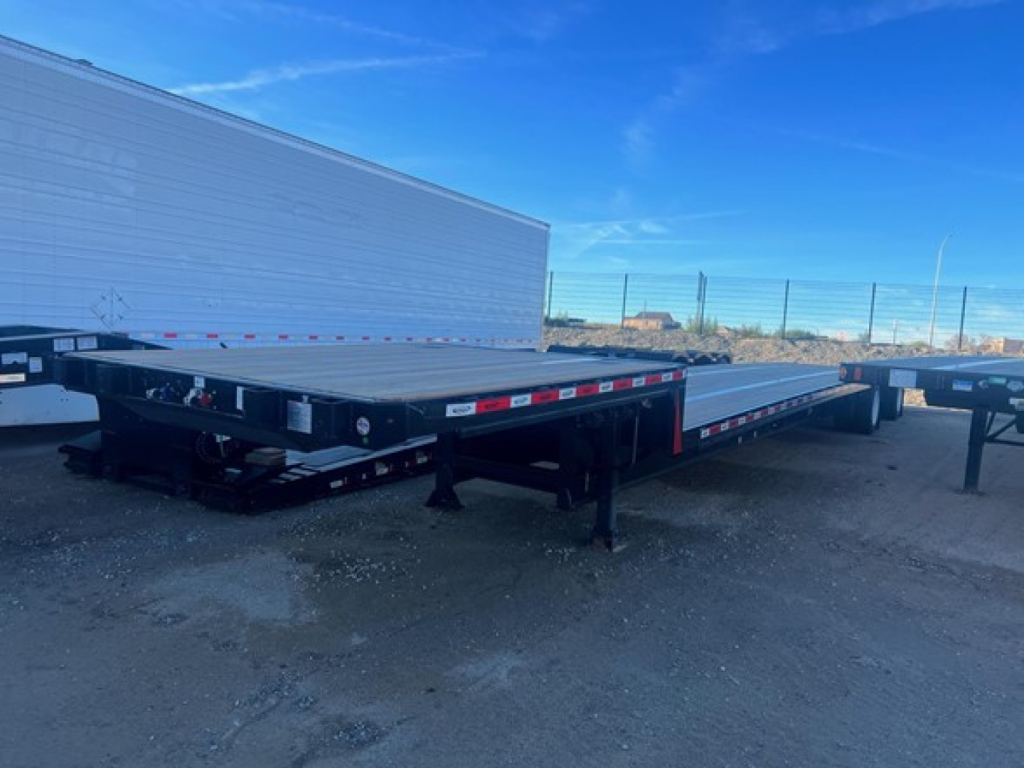
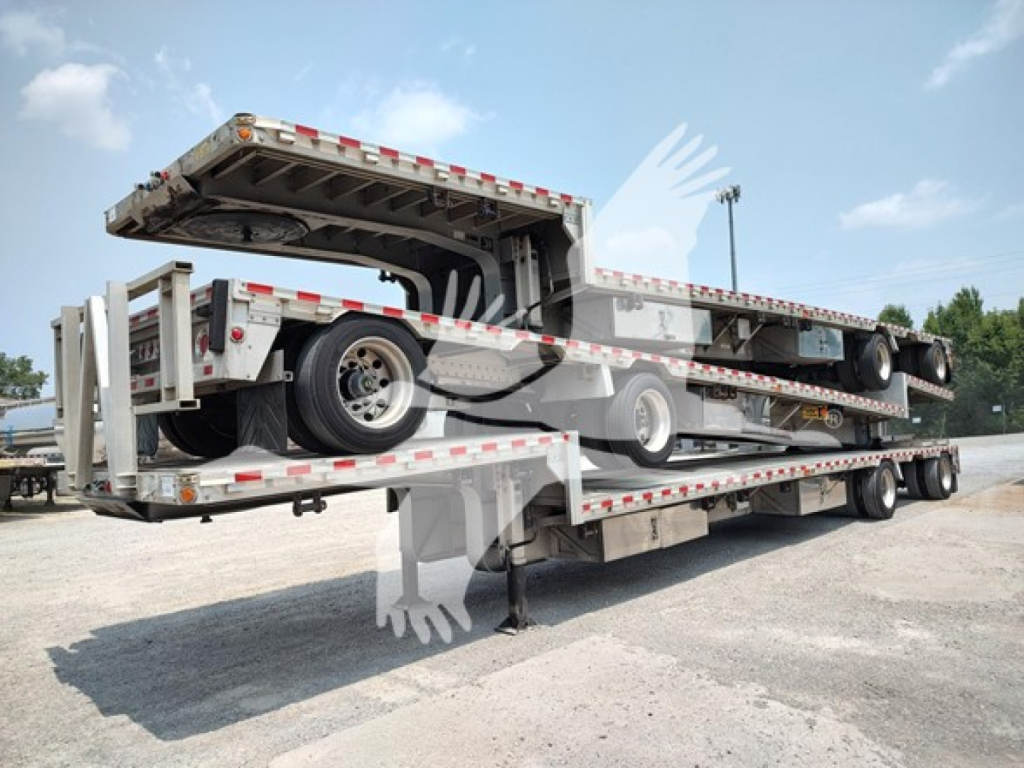
2018 Reitnouer Dropmiser
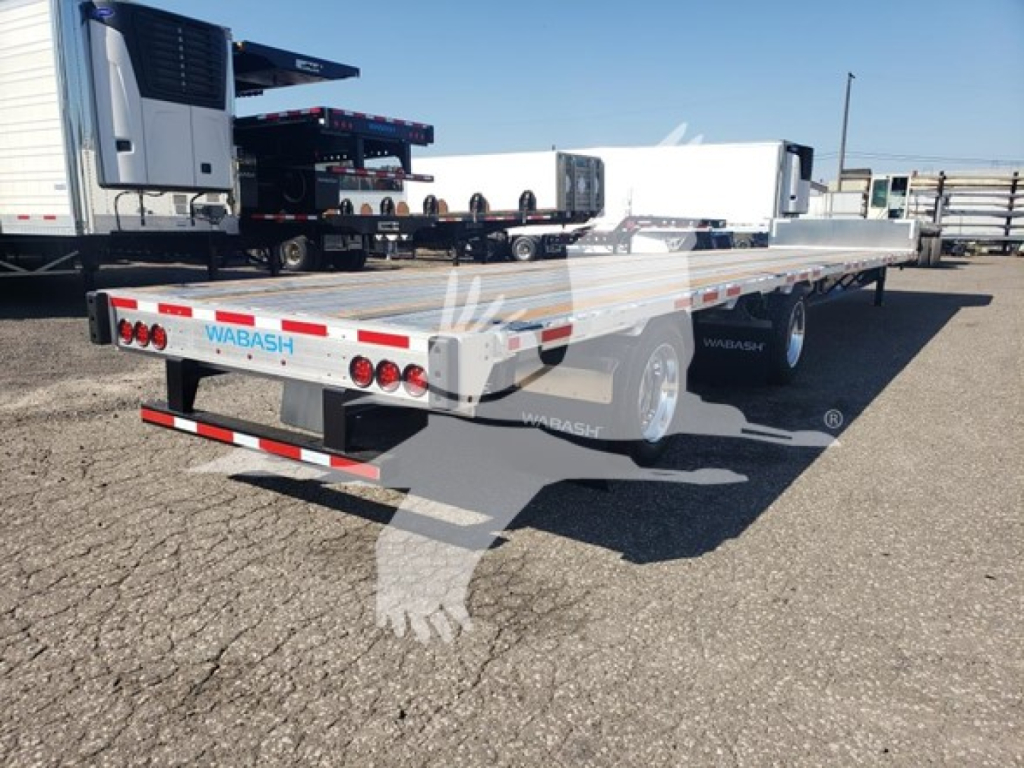
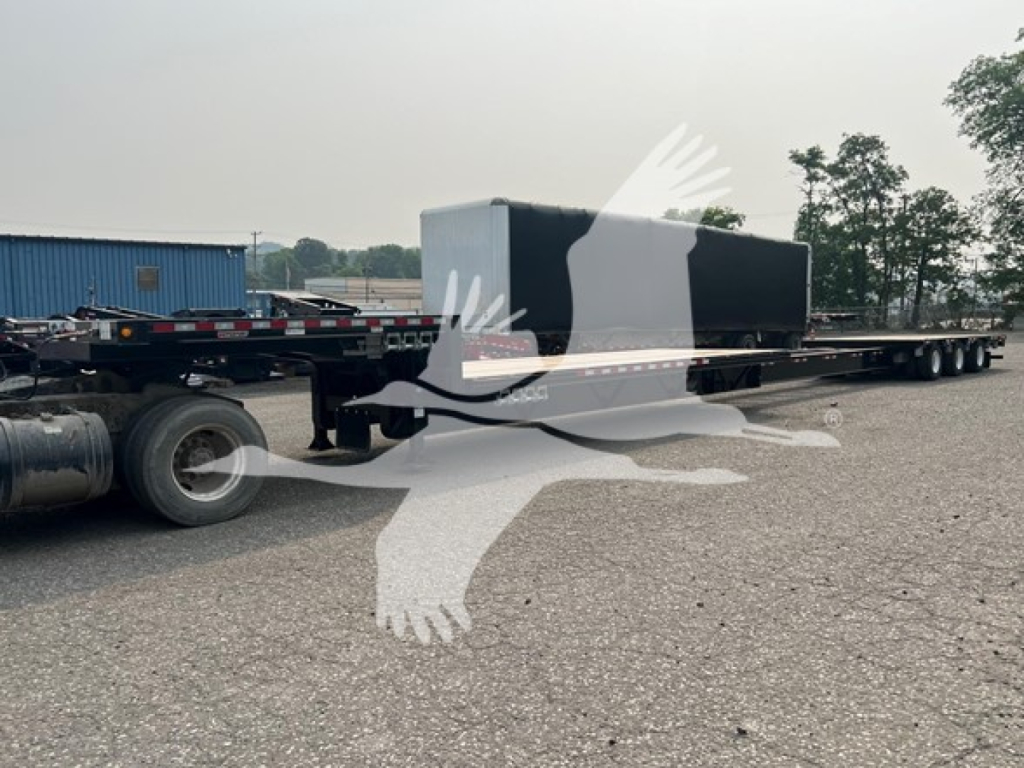
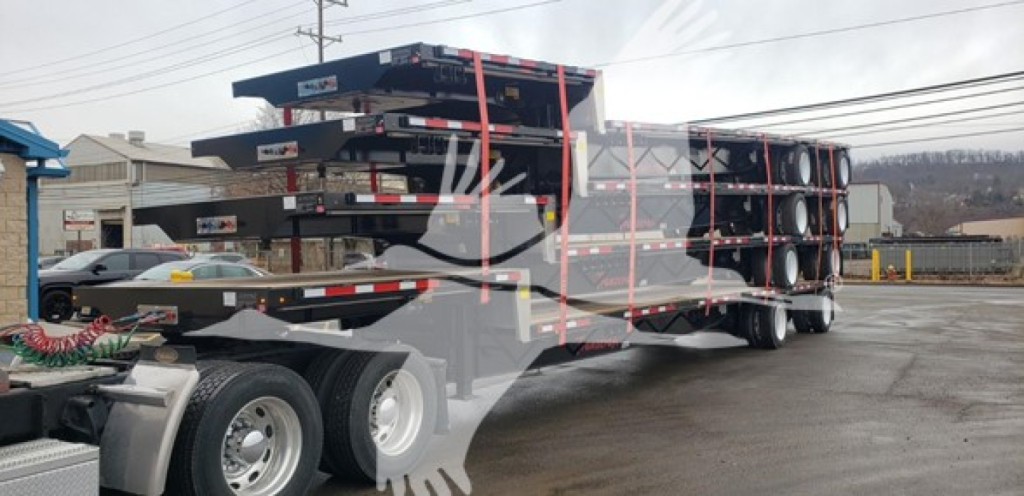
2023 Transcraft Dtl-2100
Showing 97 to 108 of 113 results
Have used mac drop deck trailer to sell? List it here to reach thousands of buyers.
About Used Mac Drop Deck Trailers
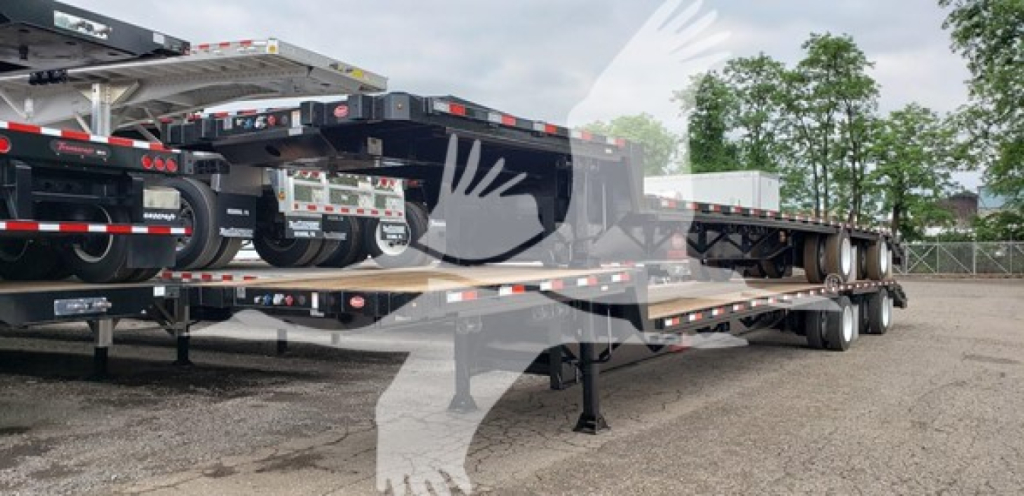
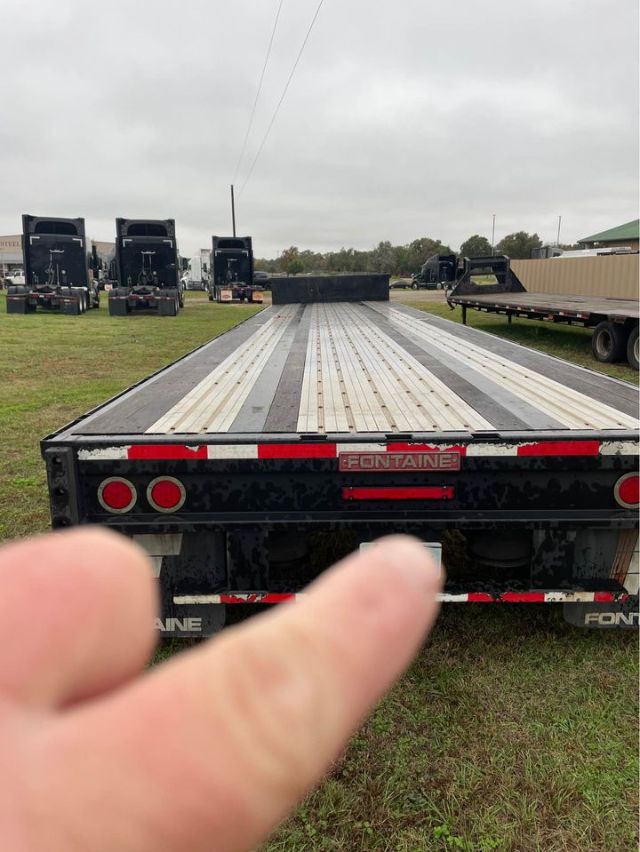
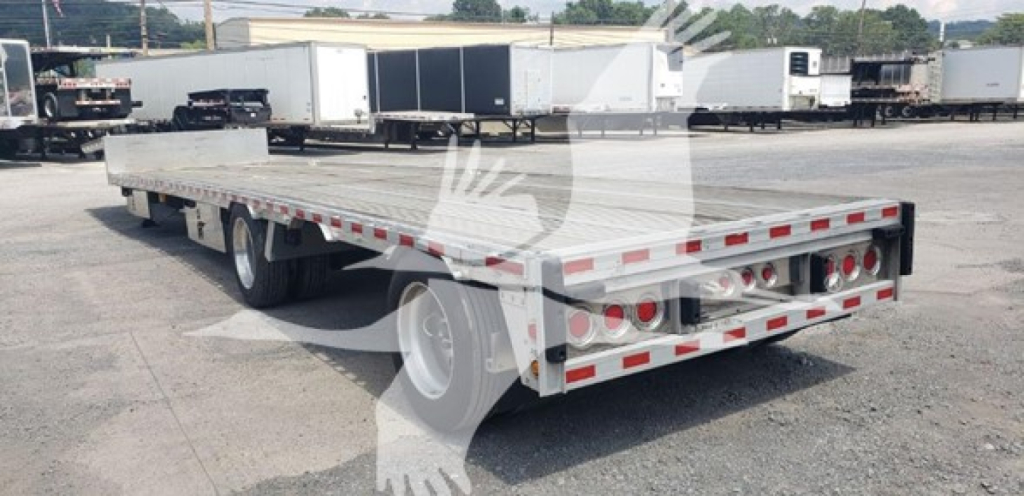
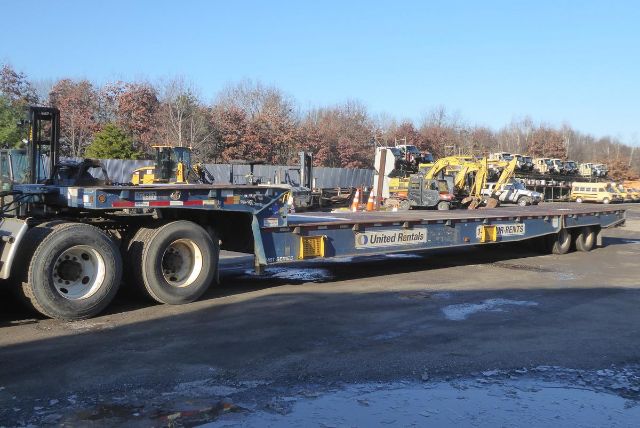
The first buying decision is usually deck layout and dimensions. Most drop deck trailers in this class are spec'd with an upper deck and a lower main deck, and buyers should confirm overall length, lower deck length, deck height, width, and loaded ride height. Aluminum construction can help keep tare weight down, but crossmember spacing, floor type, frame design, and axle rating still matter for the type of freight you plan to haul. On used units, pay close attention to concentrated load areas, floor wear, rear frame condition, suspension components, wheel end service history, and any repairs around the transition from upper deck to lower deck. If you are loading with forklifts, deck condition and floor capacity deserve a close look.
Cargo securement and trailer spec can make a major difference in day-to-day usability. Many buyers want sliding winches, rub rails, chain spools, stake pockets, and multiple tie-down points so the trailer can handle mixed freight. Others may prioritize ramps, a rear bridge, or coil package features depending on the lane and commodity. Axle spacing, suspension type, tire size, and brake configuration also affect how the trailer performs under varied loads and in different states. If the trailer will run heavy miles, it is smart to inspect tires, brake lining, air system condition, ABS function, and signs of frame twist or uneven wear that could indicate alignment issues.
Mac drop deck trailers tend to appeal to fleets and owner-operators looking for a lighter platform that still holds up in real freight service. When comparing used models, focus on legal payload, deck measurements, securement layout, axle spec, and the kind of cargo the trailer has actually been hauling. A trailer that spent its life on dry palletized freight can present very differently from one used for equipment or steel. The right used Mac step deck is the one that matches your freight profile, loading method, and route requirements without adding unnecessary tare weight or limiting securement options.
Frequently Asked Questions
What is a Mac drop deck trailer used for?
A Mac drop deck trailer is used for hauling freight that needs more vertical clearance than a standard flatbed allows. Common loads include equipment, crated machinery, steel, building products, palletized freight, and oversized cargo that can stay within legal height when placed on the lower deck. The step deck design gives carriers more flexibility for taller loads while keeping loading and securement straightforward.
Are Mac drop deck trailers typically aluminum?
Many Mac trailers are known for aluminum construction, which helps reduce trailer weight and improve payload capacity. Buyers still need to verify the exact frame and deck materials on each used unit because specs can vary by model and original application. The advantage of a lighter trailer is most noticeable in operations where every pound of payload matters, especially on longer regional or over-the-road runs.
What should I inspect on a used Mac step deck trailer?
Key inspection points include deck wear, crossmembers, frame condition, suspension, axle alignment, brakes, tires, wheel ends, and the transition area between the top deck and lower deck. You should also inspect rub rails, stake pockets, winch tracks, landing gear, air lines, lights, and any areas that show signs of prior weld repair or impact damage. A close look at maintenance records and the trailer's previous hauling application can tell you as much as the visual inspection.
How do I choose the right used drop deck trailer size?
Start with the freight you haul most often. Lower deck length, overall trailer length, deck height, width, and axle configuration all affect what can be loaded legally and how easy the trailer is to use. If your freight is forklift loaded, deck strength and floor condition are critical. If you haul taller freight, lower deck height becomes a major factor because it determines how much legal cargo height you have available.
What is the difference between a drop deck and a flatbed trailer?
A drop deck trailer has two deck levels, with the main deck sitting lower than the front deck. That lower deck allows taller cargo to ride lower than it would on a standard flatbed trailer, helping keep overall load height within legal limits. A flatbed has one continuous deck height, which is simpler for some freight but offers less flexibility for taller loads.