
Used Great Dane Drop Deck Trailers For Sale
Used Great Dane drop deck trailers with steel or composite builds, air ride, spread axles, and cargo securement features for taller freight.
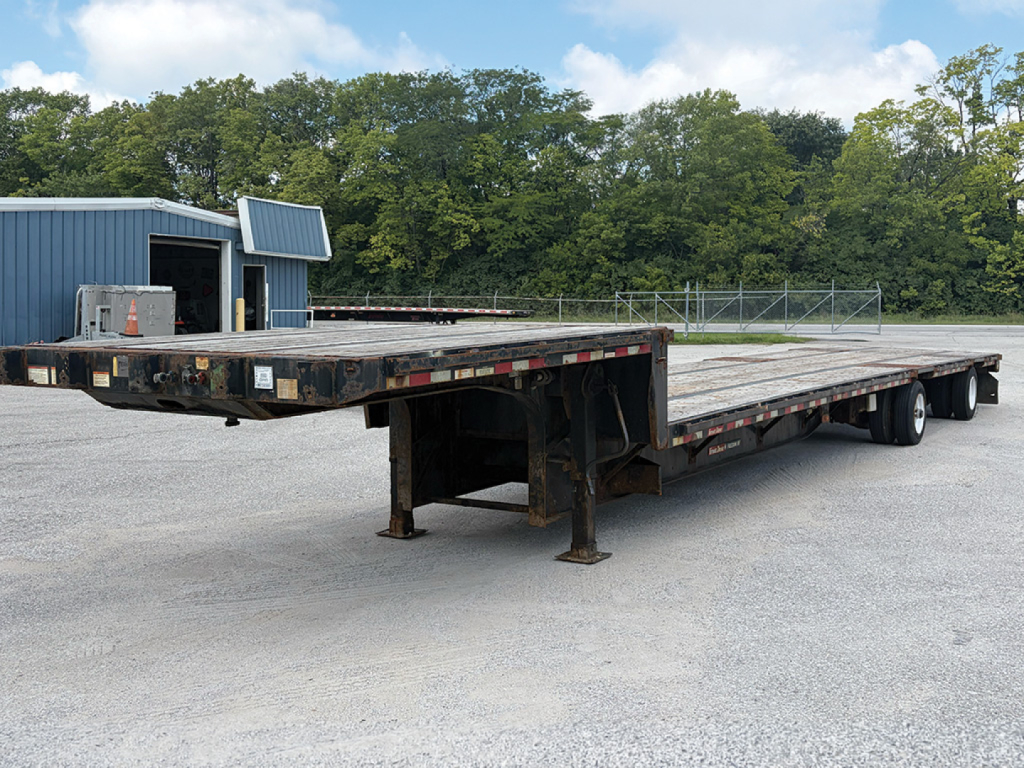
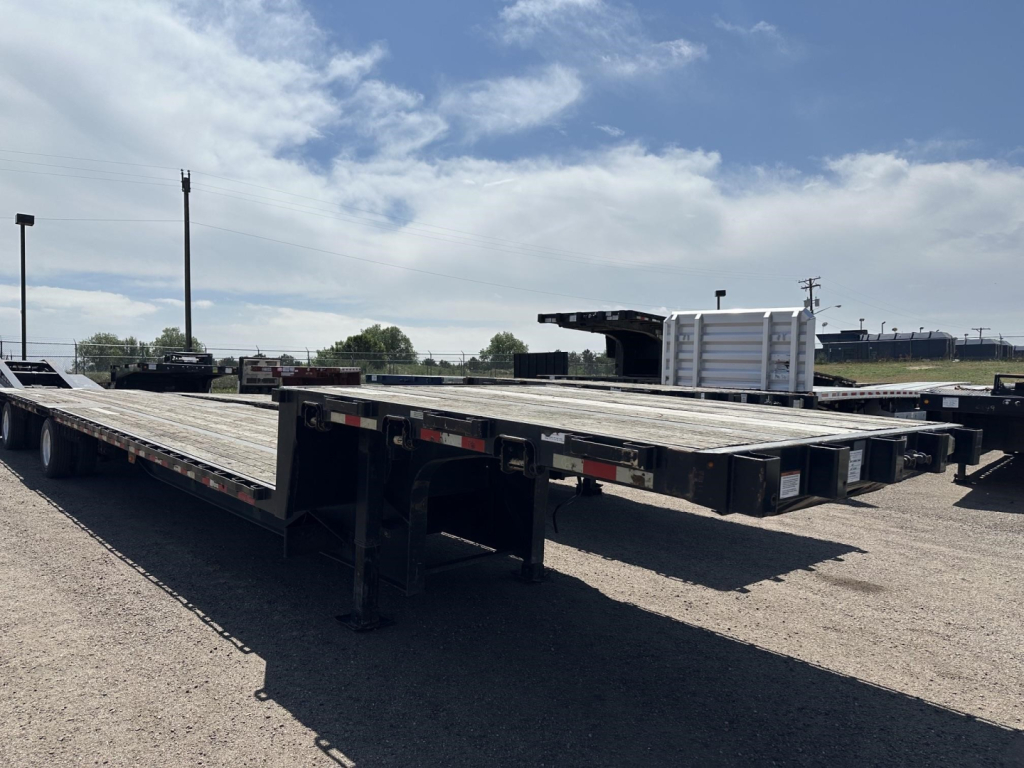
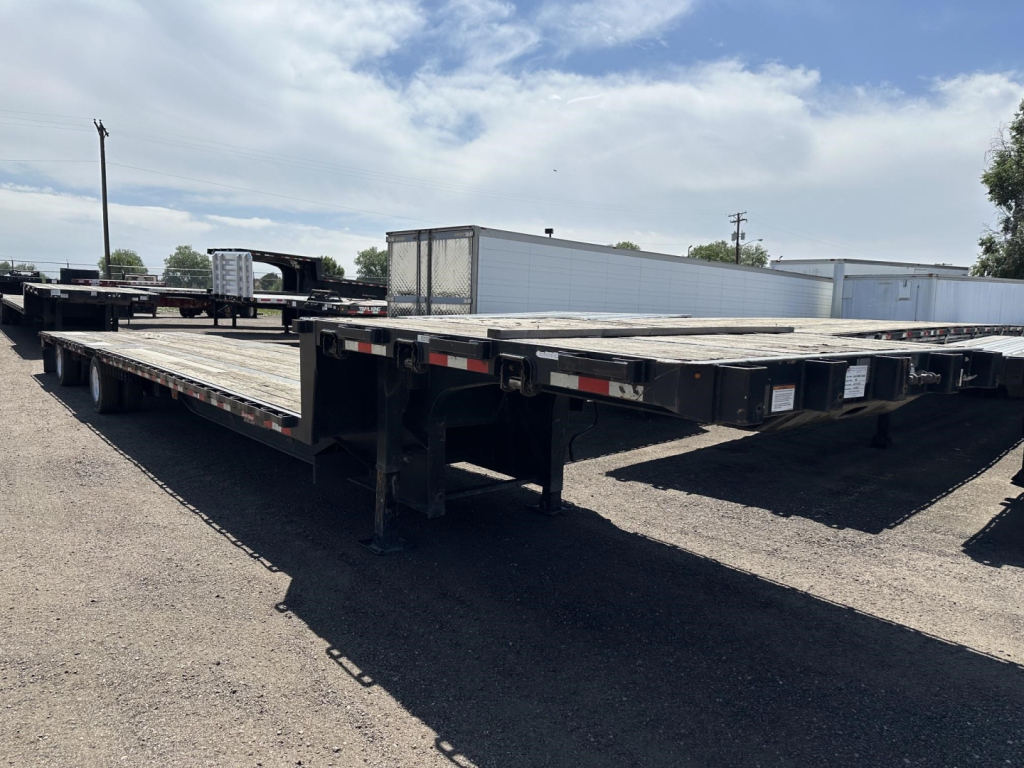
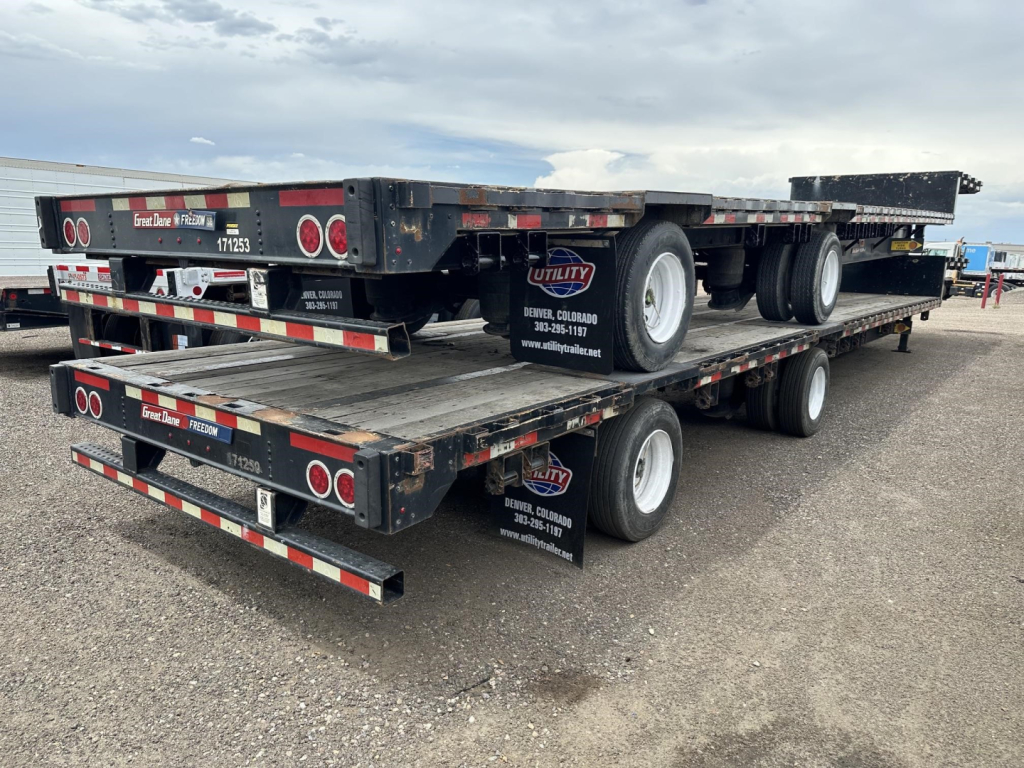
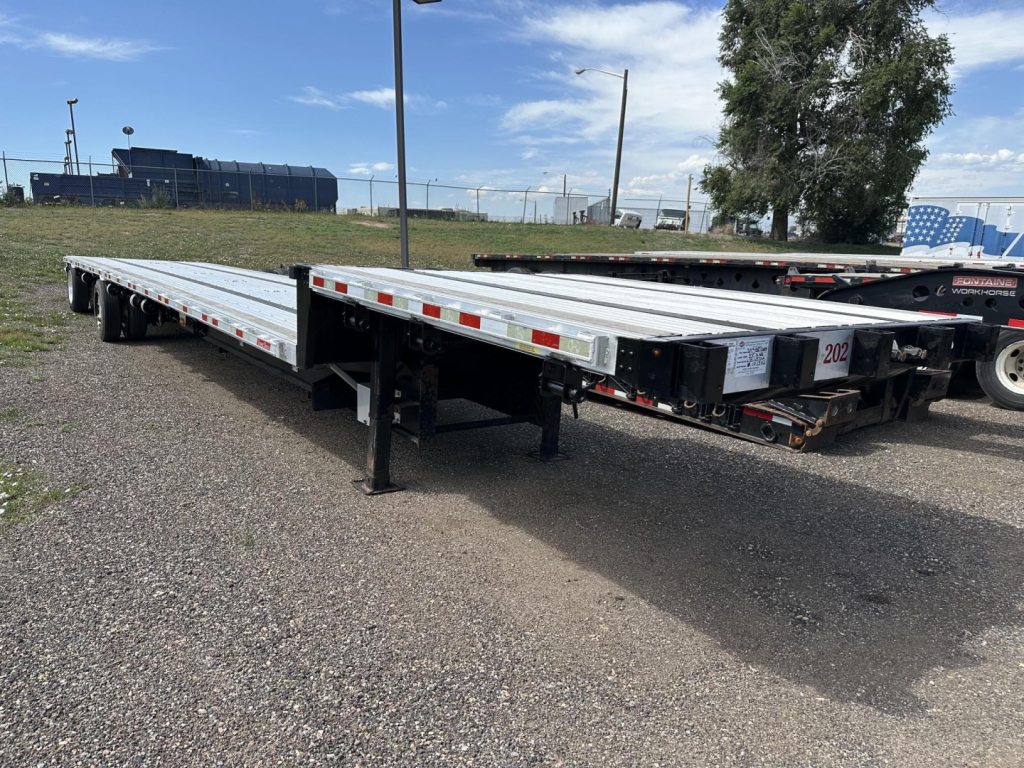
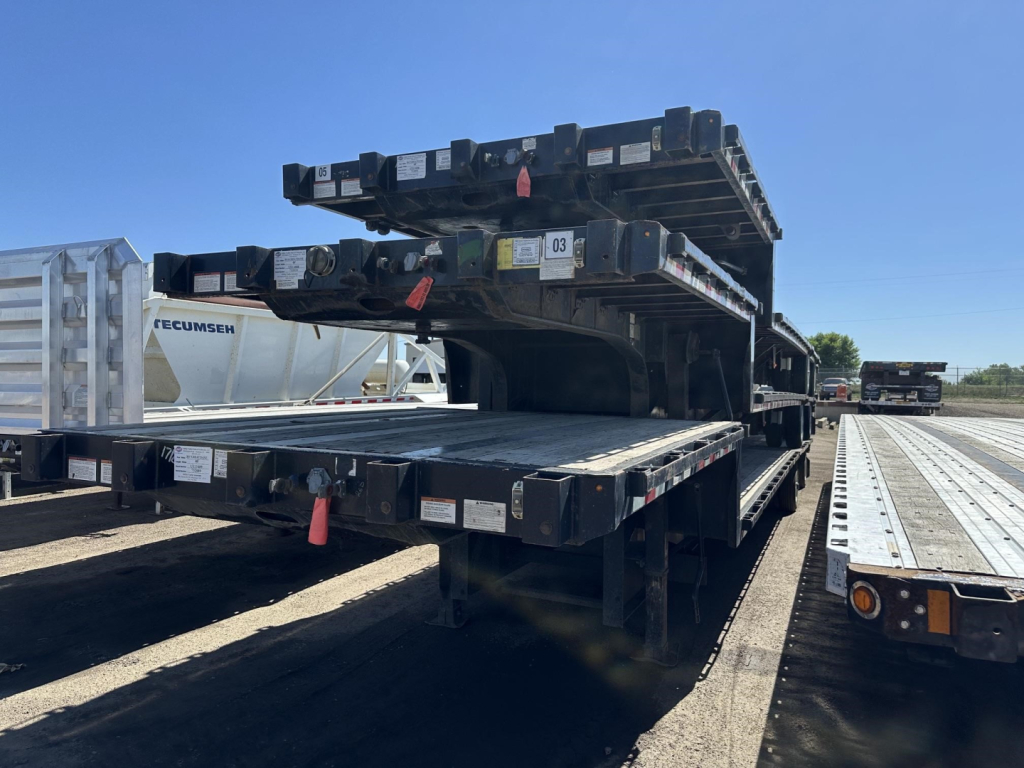
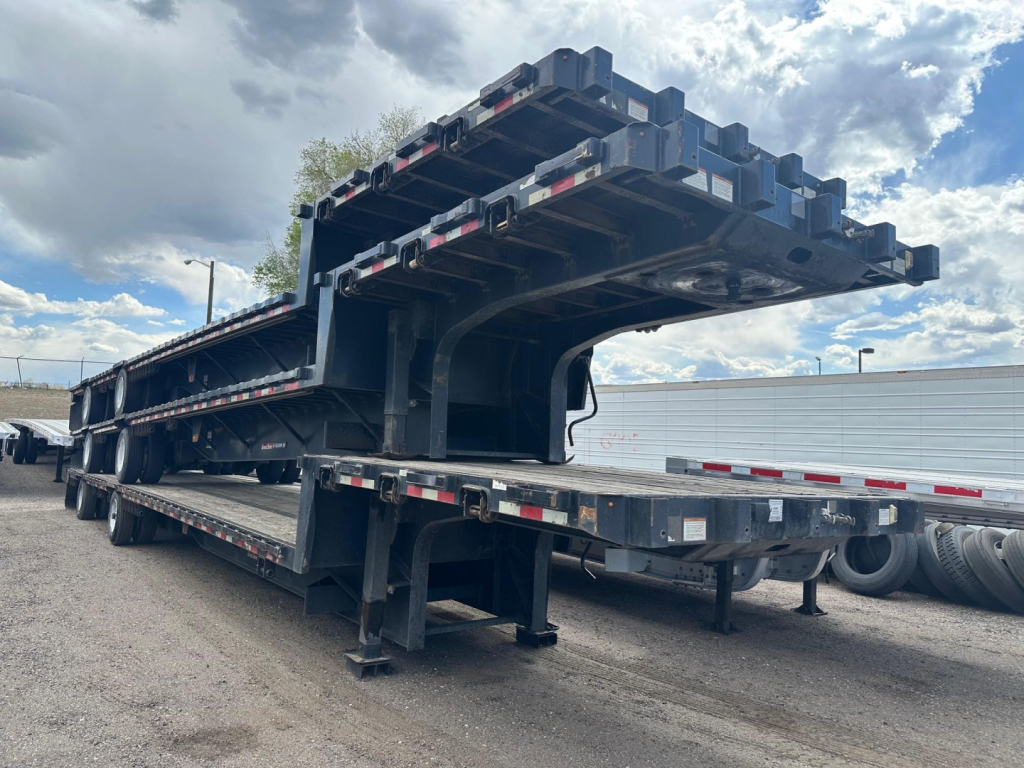
Selling a used great dane drop deck trailer? List your used great dane drop deck trailer for sale and reach thousands of commercial buyers.
Used Great Dane Drop Deck Trailers
The first decision for most buyers is deck layout and axle configuration. Common lengths include 48-foot and 53-foot drop decks, often at 102 inches wide, with a shorter top deck and a longer main deck. Pay attention to loaded deck height, top deck length, rear deck length, and kingpin setting, since those numbers affect bridge law compliance, tractor compatibility, and how easily the trailer handles different freight profiles. Used Great Dane drop decks are often equipped with air ride suspension, and many buyers specifically look for spread axle or sliding rear axle setups. A fixed spread can improve stability and weight distribution, while a slider gives more flexibility for scaling and state bridge requirements. Tire size, including 17.5-inch low-profile applications or 22.5-inch setups, also changes loaded height and maintenance considerations.
Cargo securement features deserve a close look because they determine how versatile the trailer really is. Many Great Dane drop deck trailers come with stake pockets, sliding winch tracks, winches, pipe spools, nail strips, and bulkheads. Wood floors remain popular for mixed freight and easier repair, while aluminum floors can cut weight but should be checked closely for wear, concentrated load damage, and prior repairs. On used trailers, inspect the main beams, crossmembers, neck area, and suspension hangers for cracks, corrosion, and evidence of heavy point loading. Tire inflation systems, dump valves, tool boxes, and wheel material are not cosmetic details. They affect daily uptime, roadside service exposure, and long-term operating cost.
A used Great Dane drop deck is often a strong fit for carriers that need a general-purpose open deck trailer with lower deck height than a flatbed but less complexity than specialized heavy haul equipment. Buyers should compare empty weight, suspension type, axle spread, flooring, and securement package against the freight they actually move. A lighter composite trailer may make sense for higher-volume legal loads, while a heavier steel unit can be a practical choice for rougher jobsite work and repeated loading abuse. The best used trailer in this category is usually the one with a clean structural history, a deck configuration that matches your freight, and securement hardware already set up for your lanes.
Frequently Asked Questions about Used Great Dane Drop Deck Trailers
What is the advantage of a Great Dane drop deck trailer compared with a standard flatbed?
A drop deck trailer gives you a lower main deck height than a standard flatbed, which allows taller freight to move while staying within legal height limits. That makes it a practical choice for equipment, palletized machinery, pipe, and building materials that would sit too high on a flatbed. Great Dane drop decks are typically used when you need open-deck loading flexibility but do not need the extra specialization or loading angle of a detachable lowboy.
Should I choose a steel Great Dane drop deck or an aluminum-steel composite model?
A steel Great Dane drop deck generally offers ruggedness, straightforward repairability, and a lower entry cost in the used market. An aluminum-steel composite trailer usually weighs less, which can improve payload capacity and fuel efficiency across repeated legal loads. The right choice depends on your freight mix, loading environment, and maintenance approach. If your operation sees rough loading conditions or frequent concentrated loads, steel can be attractive. If every pound of payload matters, a composite trailer often has the advantage.
What should I inspect first on a used Great Dane drop deck trailer?
Start with the structure. Check the main beams, neck transition, crossmembers, upper coupler area, suspension mounts, and rear impact guard for cracks, rust scale, poor repairs, or distortion. Then inspect the deck surface, securement equipment, axle alignment, brakes, tires, and air system. On units with air ride and tire inflation systems, verify that the suspension holds properly and the inflation components are complete and functioning. Structural condition matters more than cosmetic appearance because it has the biggest effect on safety, service life, and resale value.
Are spread axle and sliding axle Great Dane drop decks used for different applications?
Yes. A fixed spread axle drop deck is often chosen for stable handling and weight distribution, especially on freight that loads consistently. A sliding rear axle adds flexibility for bridge compliance, scale adjustments, and adapting to different state requirements. The tradeoff is that a slider adds components, weight, and maintenance points. Buyers running mixed lanes or varying freight dimensions often prefer the flexibility of a slider, while a fixed spread can be a durable solution for predictable operations.
What deck dimensions matter most when buying a used drop deck trailer?
The key dimensions are overall length, width, top deck length, main deck length, and loaded deck height. These measurements determine what freight fits, where weight can be placed, and whether the trailer will meet legal height and bridge requirements with your tractor setup. Buyers should also consider kingpin setting and axle spread because those dimensions affect turning clearance, tandem weight distribution, and compatibility with fleet tractors. A trailer can look similar on paper yet perform very differently depending on those layout details.