
Drop Deck Trailers For Sale in Colorado
Showing 1 to 24 of 26 results
Have drop deck trailer to sell? List it here to reach thousands of buyers.
Drop Deck Trailers in Colorado
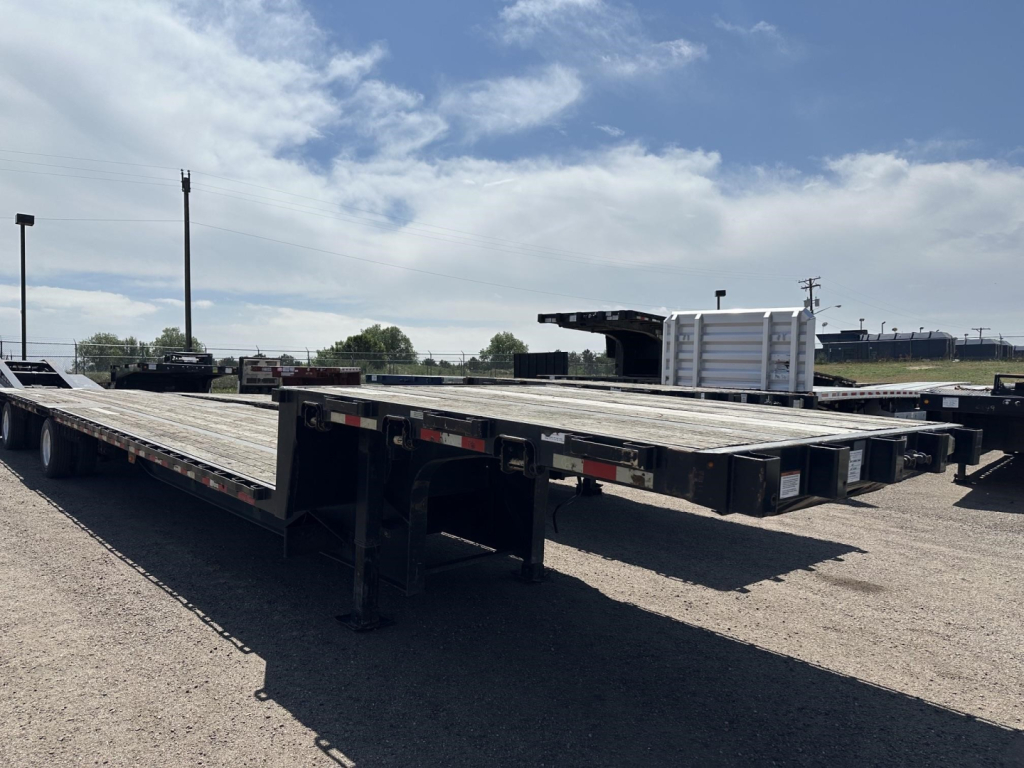
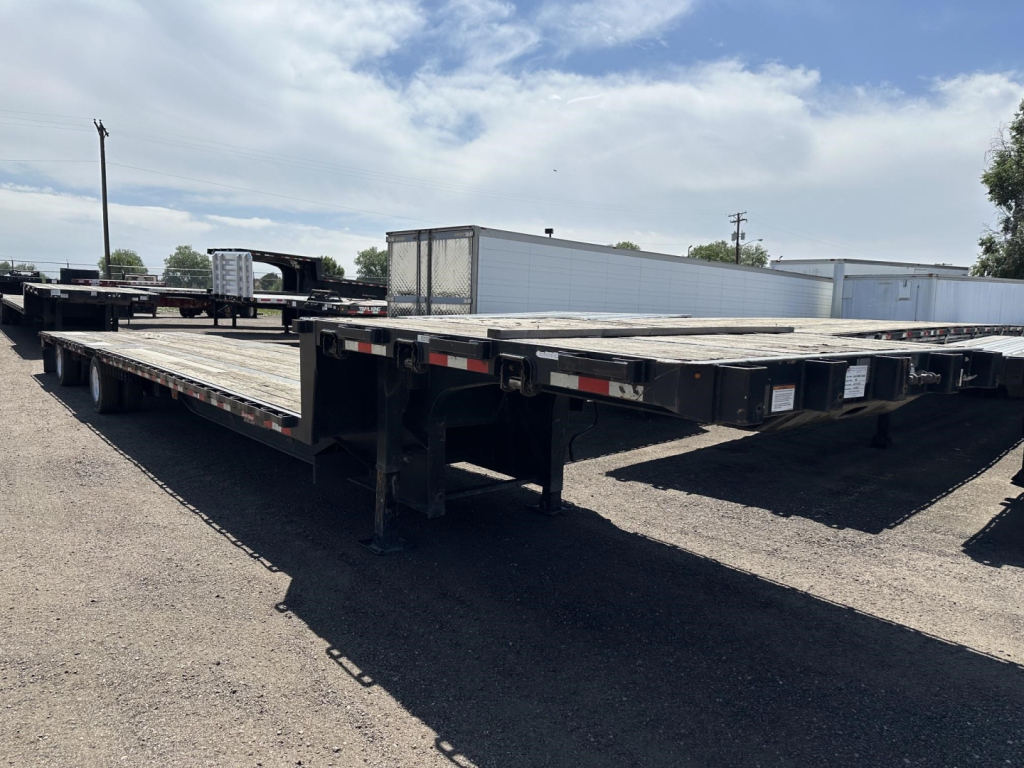
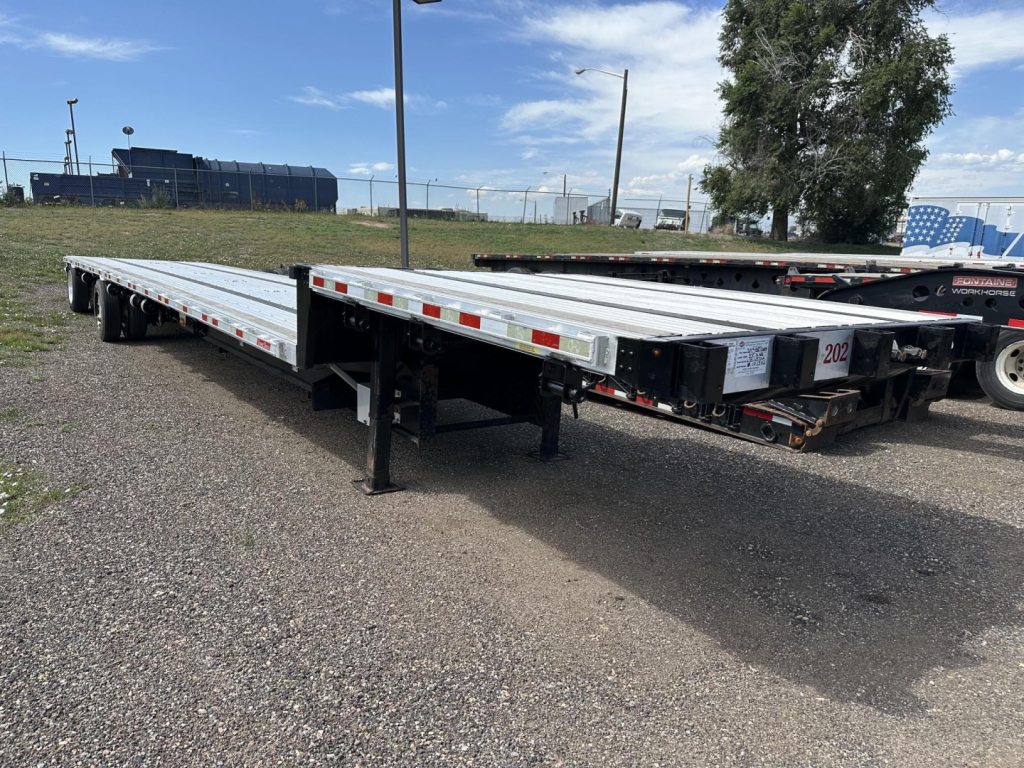
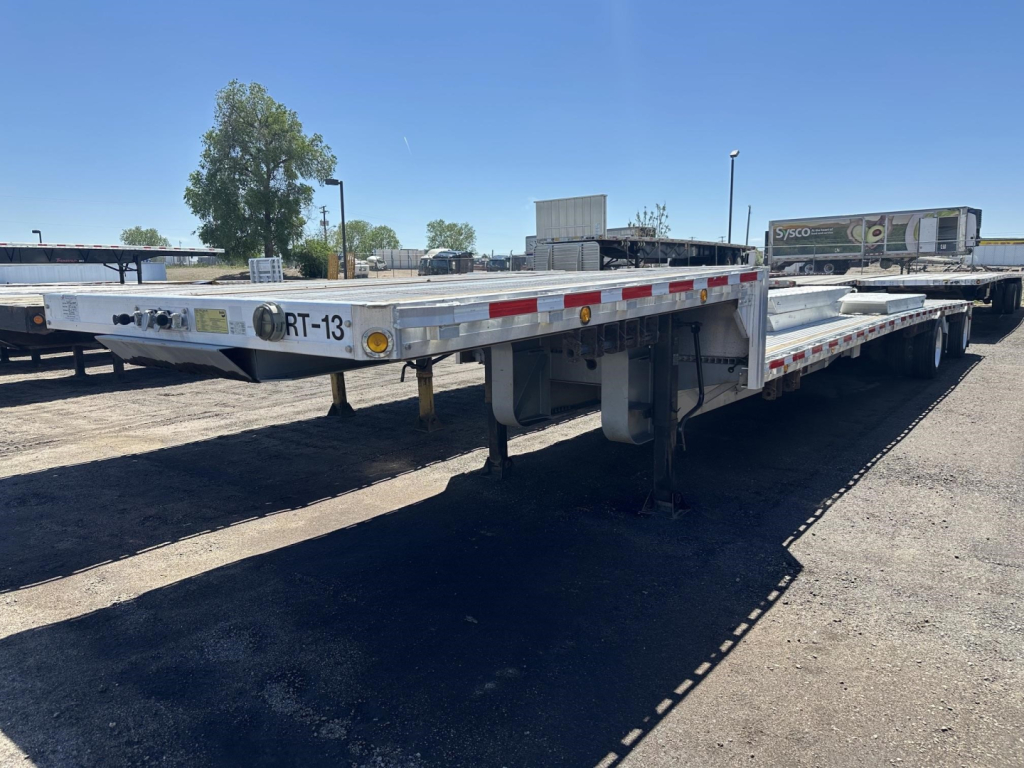
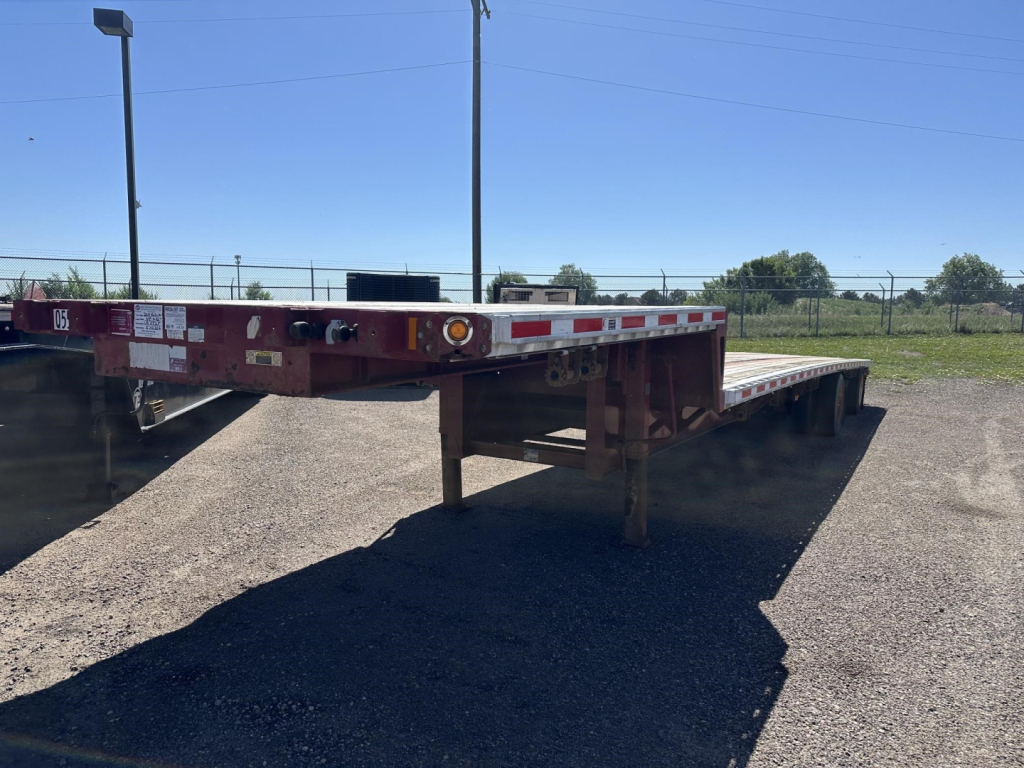
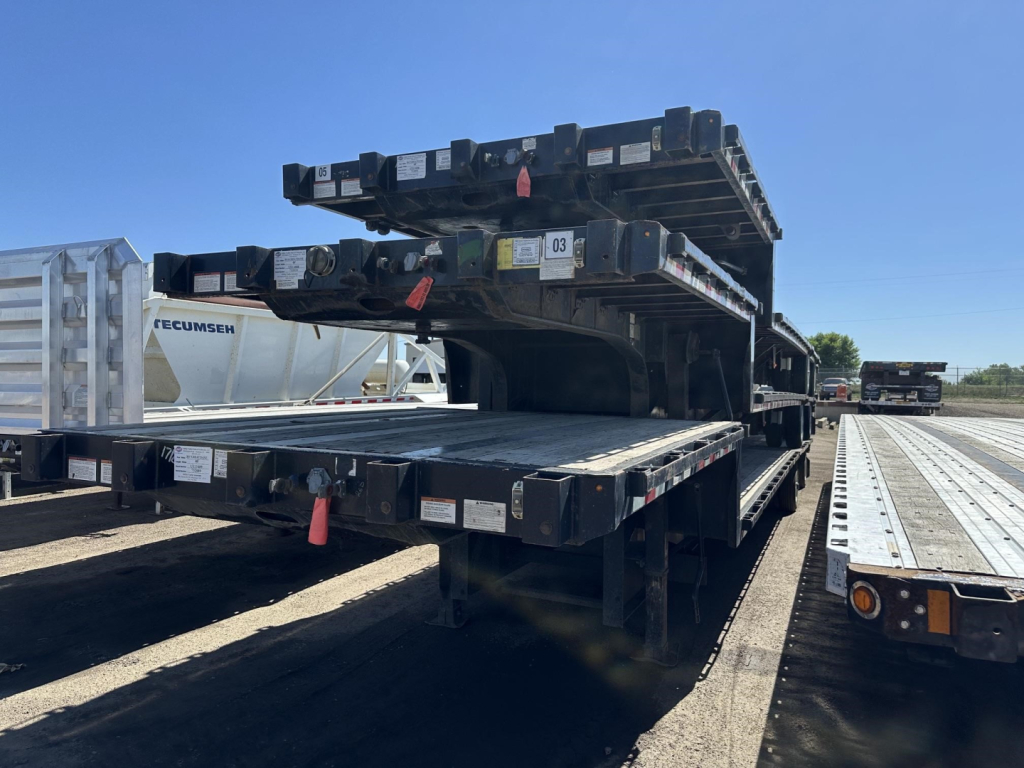
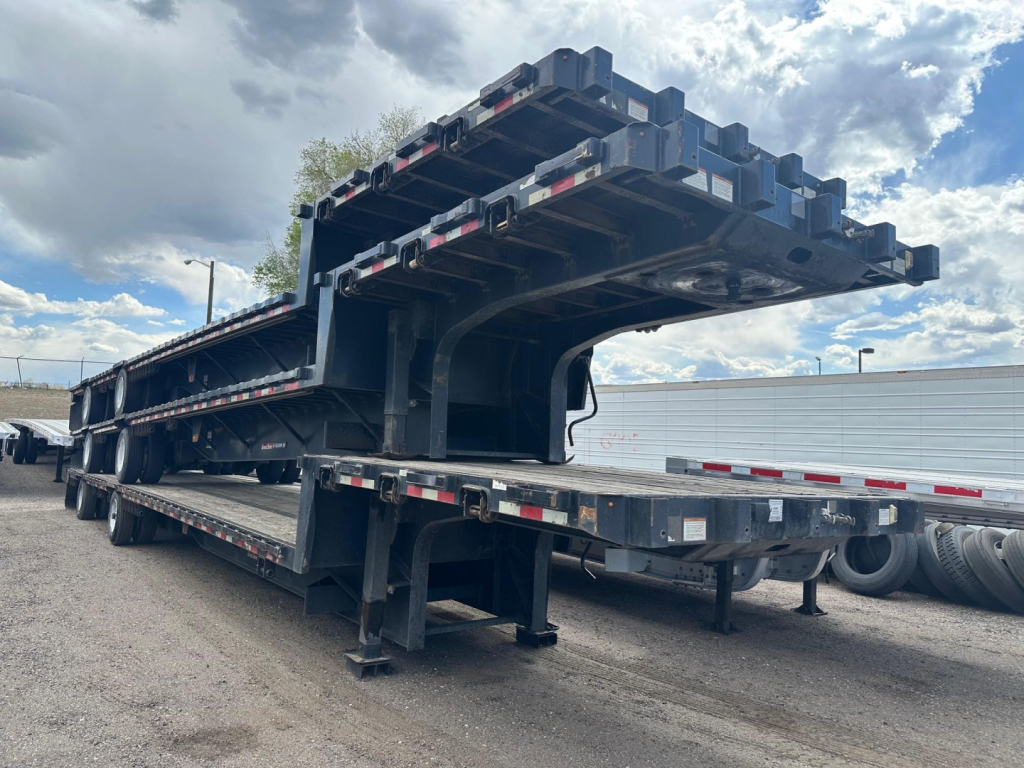
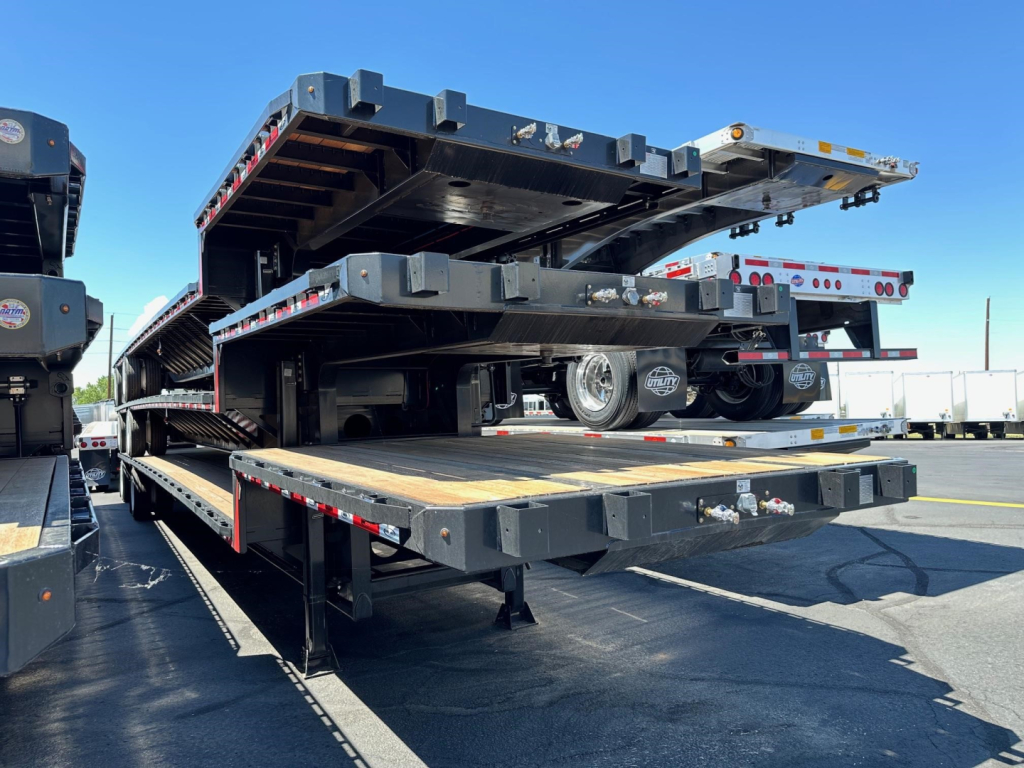
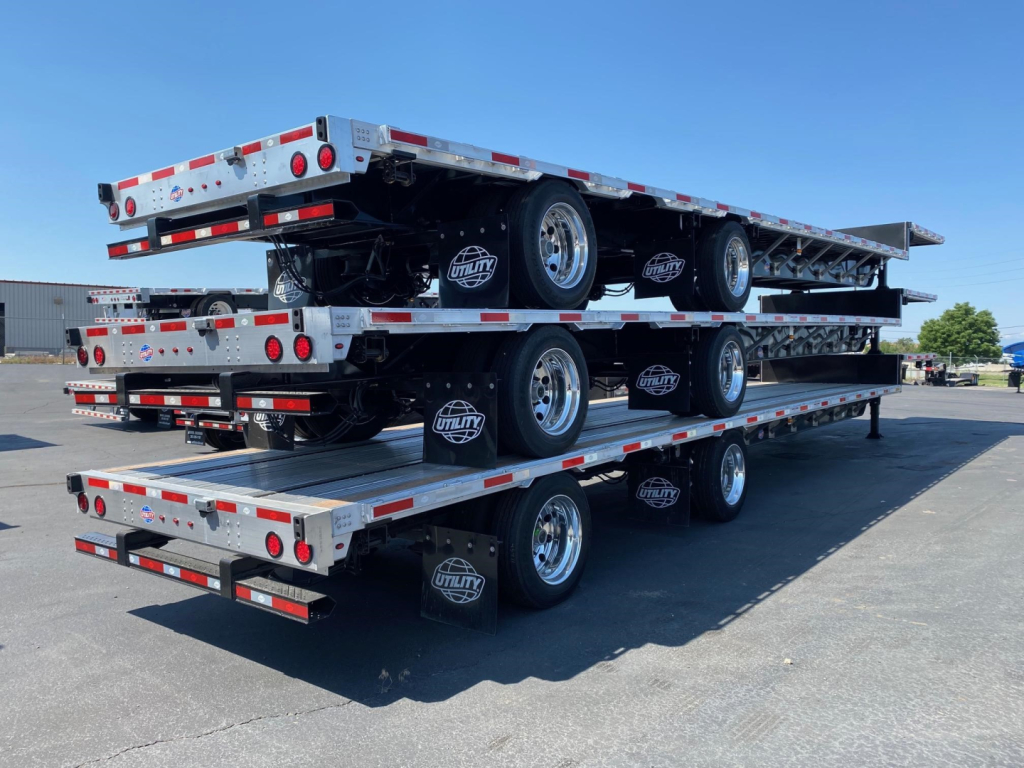
The most important spec decision is often deck height versus payload. A lower deck helps with legal load height, but trailer design, floor type, and axle configuration also affect tare weight and durability. Aluminum and steel composite construction is common because it balances weight savings with structural strength. Wood floors remain popular for general commodity work because they are repairable and forklift-friendly, while crossmember spacing matters if the trailer will see concentrated loads, machinery, or frequent loading at uneven points. Buyers comparing used drop decks should pay close attention to frame condition, floor wear, tire size, wheel type, suspension condition, and signs of stress around the neck, upper deck transition, and rear suspension area.
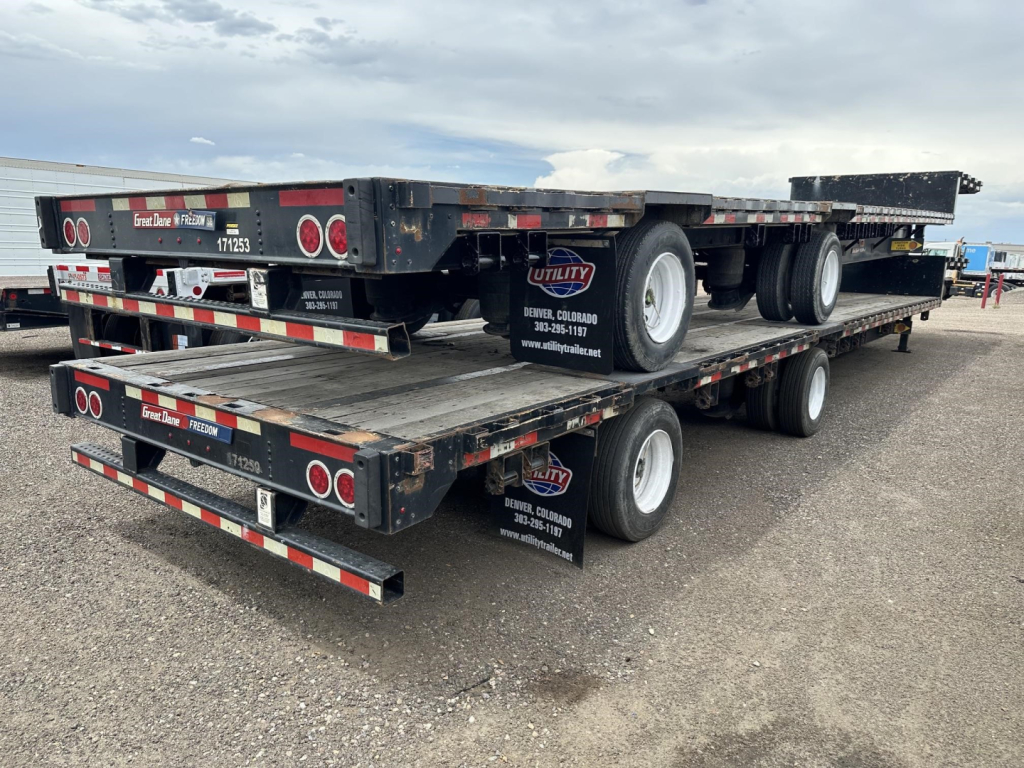
Axle setup has a major impact on how a drop deck performs. Fixed tandem axles are straightforward and widely accepted, while spread axle configurations can improve weight distribution and deck access but may increase tire scrub in tight turns. Air ride suspension is a common choice for sensitive freight and better ride quality. In Colorado and the surrounding region, drop decks are often used for building materials, palletized freight, equipment, agricultural products, and oilfield-related cargo that benefits from open-deck loading but needs more height clearance than a flatbed allows. Many trailers in this category are paired with tarping systems, chain ties, winches, sliding winches, rub rails, and stake pockets, so securement layout should match the type of freight being hauled.
A good drop deck buyer looks beyond overall trailer length and checks usable deck space, loaded height, suspension type, and maintenance history. Scuffing on the deck, damaged crossmembers, worn bushings, uneven tire wear, and cracked welds can tell you more than paint ever will. If the work involves heavier point loads, frequent forklift traffic, or irregular machinery, structural condition is more important than cosmetic appearance. For general freight, a lighter trailer with a practical securement package can improve payload flexibility and daily efficiency. The right drop deck trailer is the one that matches the freight profile, route restrictions, and tractor setup without giving away legal height, payload, or ease of loading.
Frequently Asked Questions about Drop Deck Trailers in Colorado
What is the difference between a drop deck trailer and a flatbed trailer?
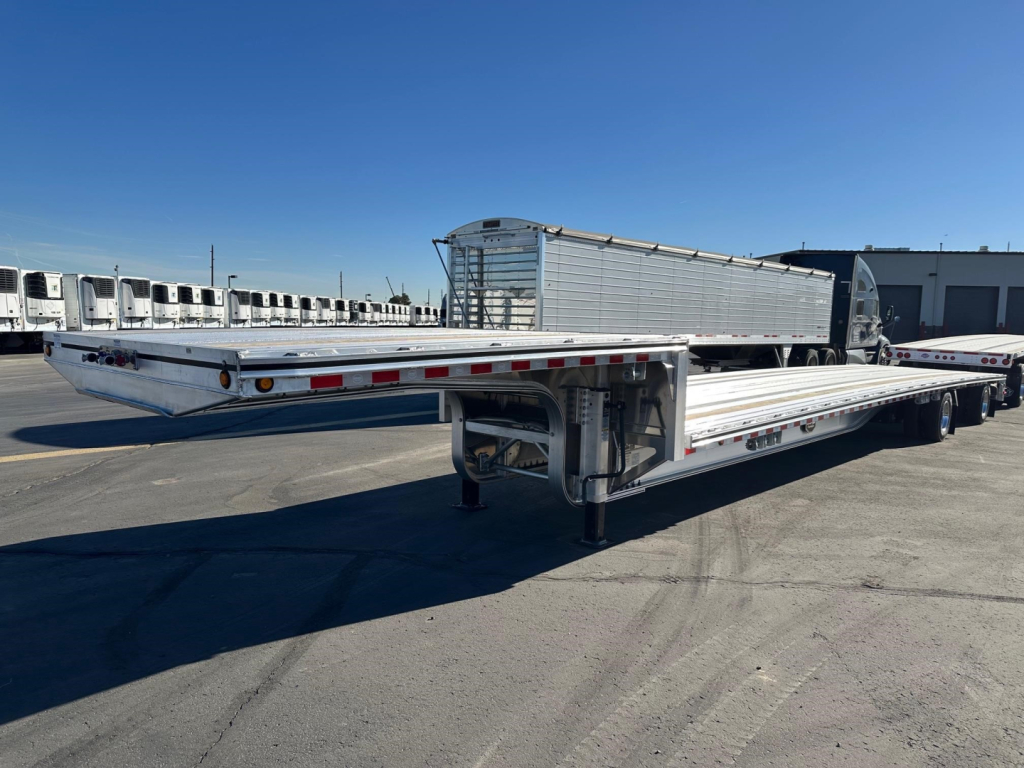
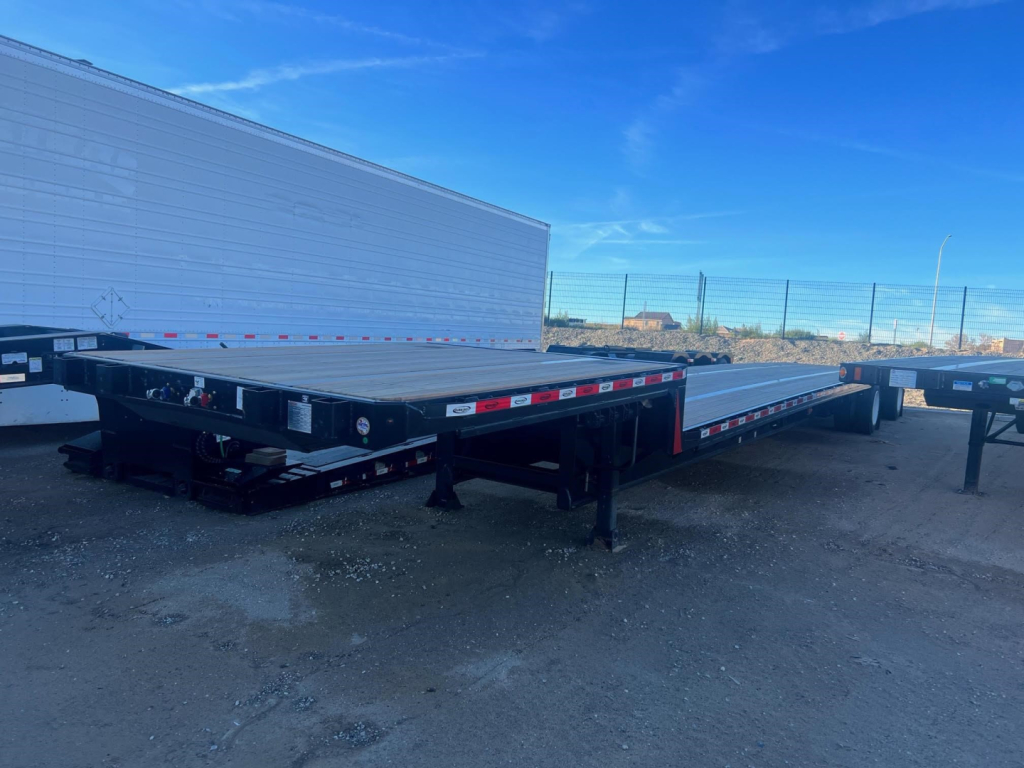
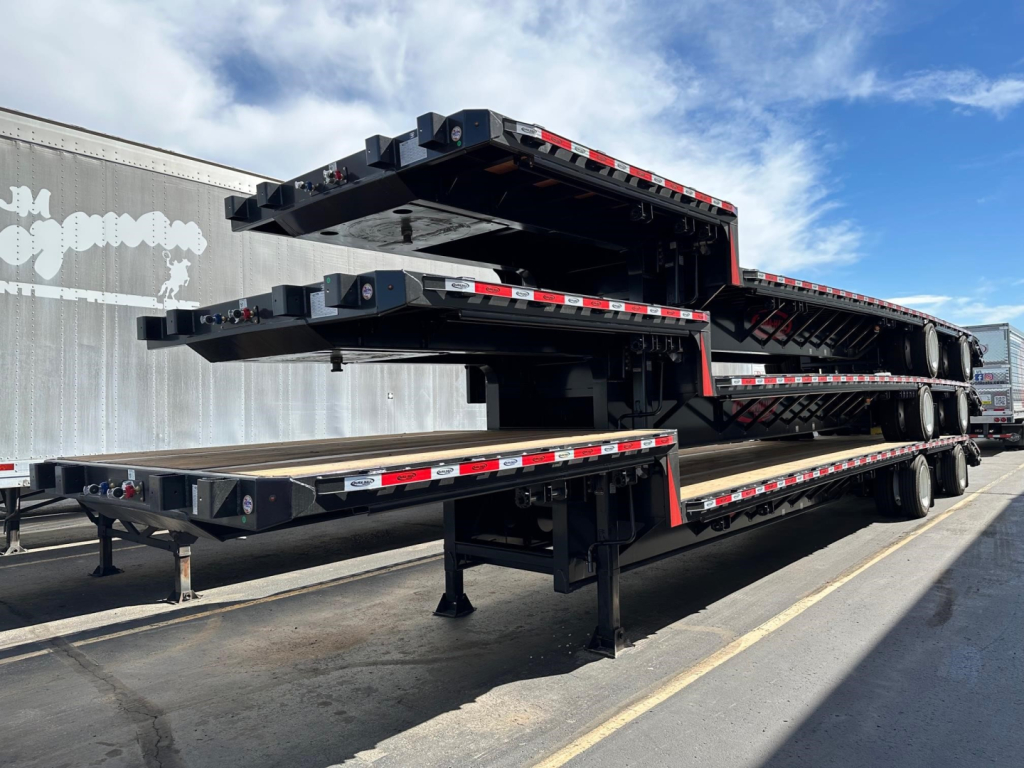
A drop deck trailer has two deck levels, with an upper deck over the tractor frame area and a lower main deck behind it. That lower deck reduces loaded height compared with a flatbed, which makes a drop deck the better choice for taller freight that still needs open-deck loading. A flatbed is simpler and often lighter, but it does not provide the same height advantage for machinery, building materials, or other over-height cargo.
What deck dimensions matter most when buying a drop deck trailer?
Main deck length, top deck length, deck height, and trailer width are the dimensions that affect daily usability the most. The main deck handles most of the freight, so its usable length determines how many pallets, bundles, or pieces of equipment can fit. Deck height controls how much legal load height is available, while width and kingpin setting affect loading options, tractor compatibility, and bridge law performance.
Is a spread axle drop deck better than a tandem axle trailer?
A spread axle drop deck can offer better weight distribution and more flexibility for certain loads, and it often improves side loading access near the rear. The tradeoff is increased tire scrub and potentially tighter maneuvering challenges in confined yards or urban deliveries. Tandem axle trailers are simpler, easier to maneuver, and common in many fleets, so the better choice depends on the freight, operating area, and axle law requirements.
What should I inspect on a used drop deck trailer?
Focus on structural and running gear condition before cosmetic appearance. Inspect the frame rails, neck area, crossmembers, floor, suspension components, air system, brakes, tires, and wheels. Look closely for cracked welds, bent components, uneven tire wear, floor damage from forklifts, and wear around high-stress transition points between the upper and lower deck. A careful inspection helps confirm whether the trailer is ready for freight or likely to need immediate repair.
What types of freight are commonly hauled on a drop deck trailer?
Drop deck trailers are commonly used for freight that is open-deck compatible but too tall for a standard flatbed. Common examples include construction materials, crated equipment, palletized industrial freight, agricultural machinery, steel products, and certain oilfield or energy-related loads. They are especially useful when loading from the side or rear is required and when legal height clearance is a constant concern.