
Fontaine Drop Deck Trailers For Sale in Colorado
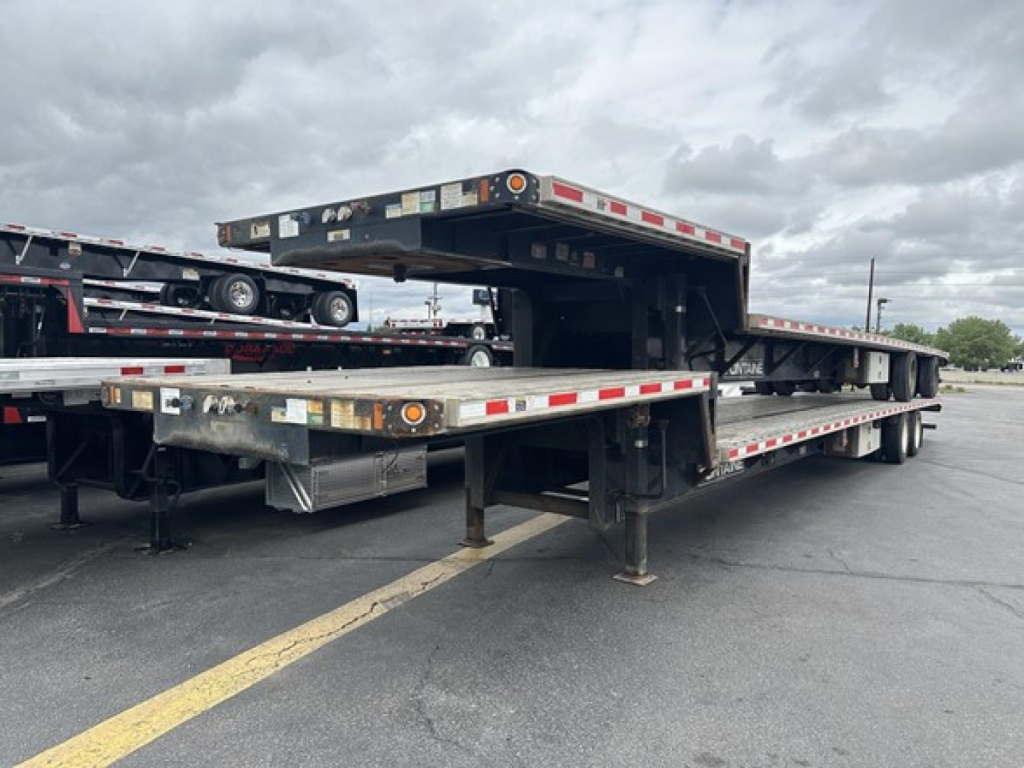
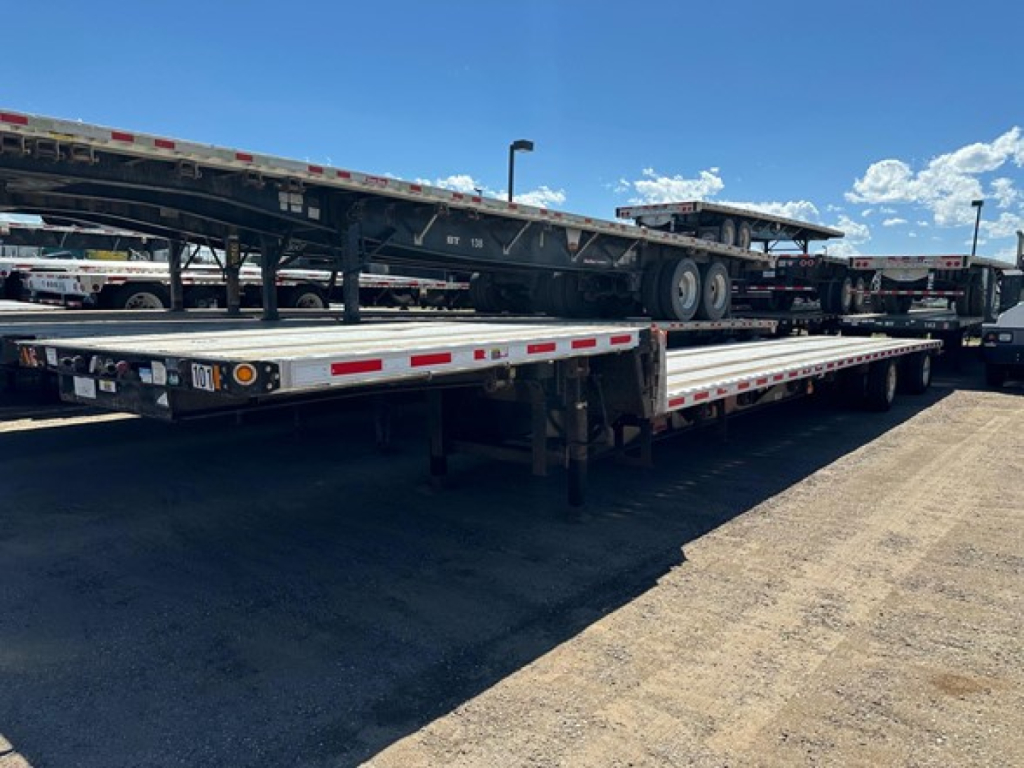
Shop Fontaine drop deck trailers for hauling taller freight with lower deck height, durable construction, and configurations built for demanding routes.
Learn more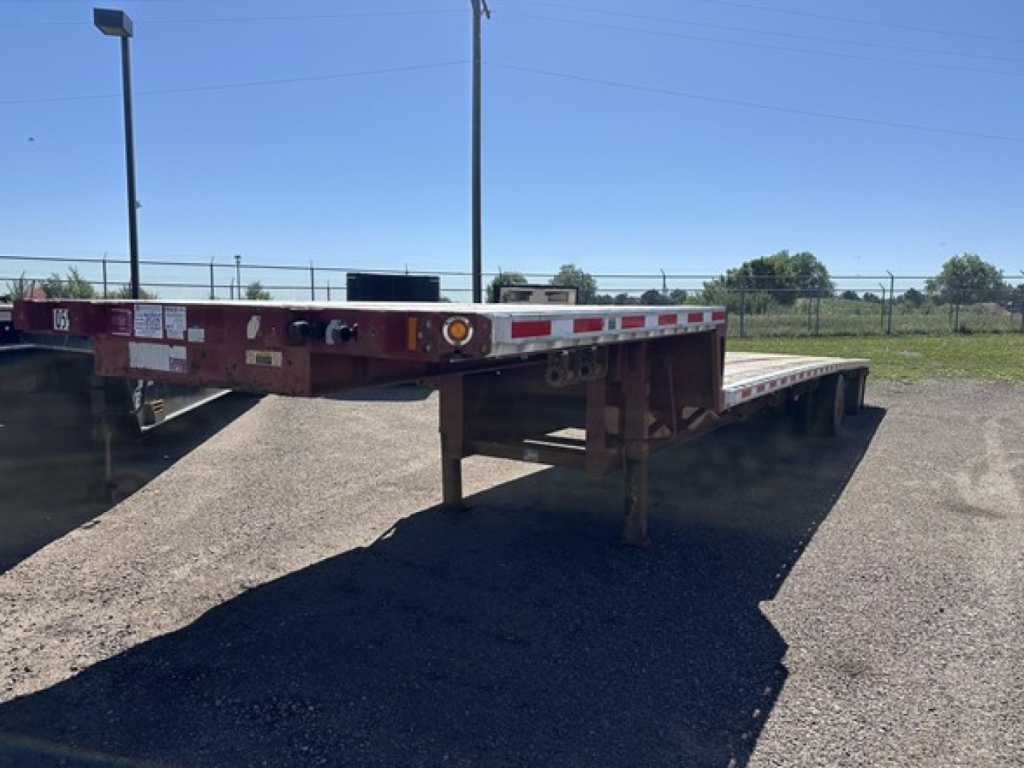
Have fontaine drop deck trailer to sell? List it here to reach thousands of buyers.
About Fontaine Drop Deck Trailers in Colorado
The first buying decision is usually trailer construction and axle layout. Many Fontaine drop decks are spec'd as steel-and-aluminum combos, with steel main beams for strength and aluminum decking or side rails to help control tare weight. Common sizes include 48-foot and 53-foot lengths with 102-inch width, and deck layouts often include an upper deck around 10 to 11 feet and a lower deck in the low- to mid-30-foot range. Buyers should pay attention to loaded deck height, ground clearance, concentrated load rating, and whether the trailer has fixed tandems, sliding tandems, or a rear slide configuration. In Colorado and western states, axle spread and kingpin setting matter because bridge compliance, turning radius, and state-by-state legal length rules can affect where and how the trailer can run.
Equipment details make a real difference in day-to-day use. Look closely at deck type, nail strips, winch track placement, sliding winches, chain spools, J-hooks, stake pockets, and rub rail design. Many operators prefer scuff-resistant aluminum flooring or apitong decking depending on commodity mix and repair preference. Suspension choice, usually air ride, affects ride quality for machinery and other sensitive loads, while tire size, wheel material, and brake spec influence operating cost and serviceability. If the trailer will see construction sites, oilfield yards, or mountain routes, it is worth checking rear frame design, approach angle, ICC bumper setup, and how well the trailer balances durability with payload.
Fontaine drop deck trailers appeal to buyers who need a versatile open-deck platform that can handle legal-height freight one day and more specialized loads the next. The right spec depends less on brand name alone and more on the freight profile, permit exposure, and loading method. A lighter combo trailer can improve payload on dense freight, while a heavier-duty spec may be the better fit for concentrated equipment loads and repeated forklift traffic. For many fleets and owner-operators, the value in a Fontaine step deck is its ability to cover a broad range of freight lanes without giving up the securement options and structural integrity expected in serious open-deck service.
Frequently Asked Questions
What is the difference between a Fontaine drop deck trailer and a standard flatbed?
A Fontaine drop deck trailer has two deck levels, an upper deck near the front and a lower main deck behind it. That lower deck height allows taller freight to be hauled legally compared with a standard flatbed, which has a single deck height across the trailer. This makes a drop deck the better choice for machinery, taller palletized loads, and freight that would exceed legal height on a conventional flatbed.
What specs matter most when buying a Fontaine step deck trailer?
The most important specs are overall length, lower deck length, loaded deck height, axle configuration, and trailer construction. Buyers should also review kingpin setting, axle spread, suspension type, concentrated load rating, and deck material. Securement features such as sliding winches, stake pockets, chain spools, and rub rail style are just as important because they determine how efficiently the trailer can be used across different freight types.
Are Fontaine drop deck trailers a good fit for Colorado hauling?
They can be a strong fit for Colorado because the lower deck helps manage legal height on equipment and building materials moving through mountain corridors and regional construction markets. The right spec depends on route profile and permit needs. Buyers should pay particular attention to axle placement, rear slide or spread options, ground clearance, and braking condition because grades, weather, and state bridge rules can affect both compliance and everyday performance.
What construction choices are common on Fontaine drop deck trailers?
Many Fontaine drop decks use a combo design with steel main beams and aluminum components such as deck sections or rails. This approach balances structural strength with lower empty weight. Some trailers are spec'd heavier for concentrated machinery loads, while others prioritize payload for more general flatbed freight. Decking material, crossmember spacing, and rear frame reinforcement all influence how the trailer holds up under different loading methods.
When does a rear slide axle matter on a drop deck trailer?
A rear slide axle setup can help with bridge law compliance, weight distribution, and state-specific legal requirements. It may also improve flexibility when hauling different load lengths or concentrated freight. For buyers running across multiple states, especially in western lanes, a rear slide can be a valuable spec because it gives more options for balancing the load while staying within axle and overall length limits.