
Dura Haul Drop Deck Trailers For Sale in Colorado
Shop Dura Haul drop deck trailers with steel frames, Apitong decking, winch tracks, and beavertail options for tall or equipment loads.
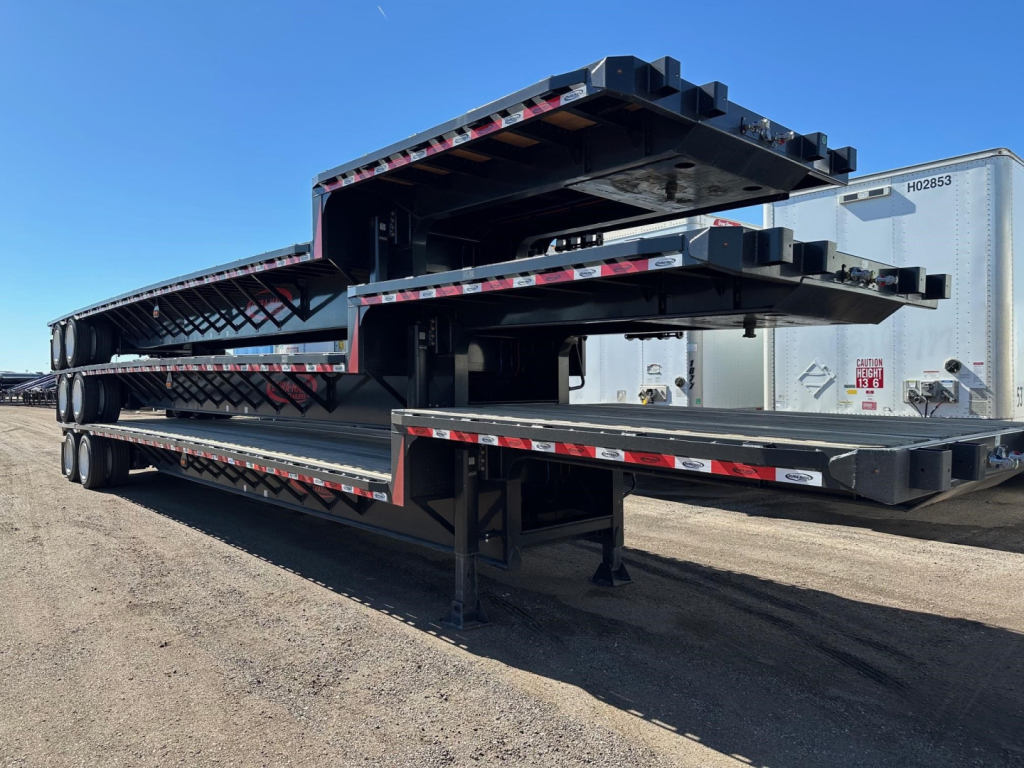
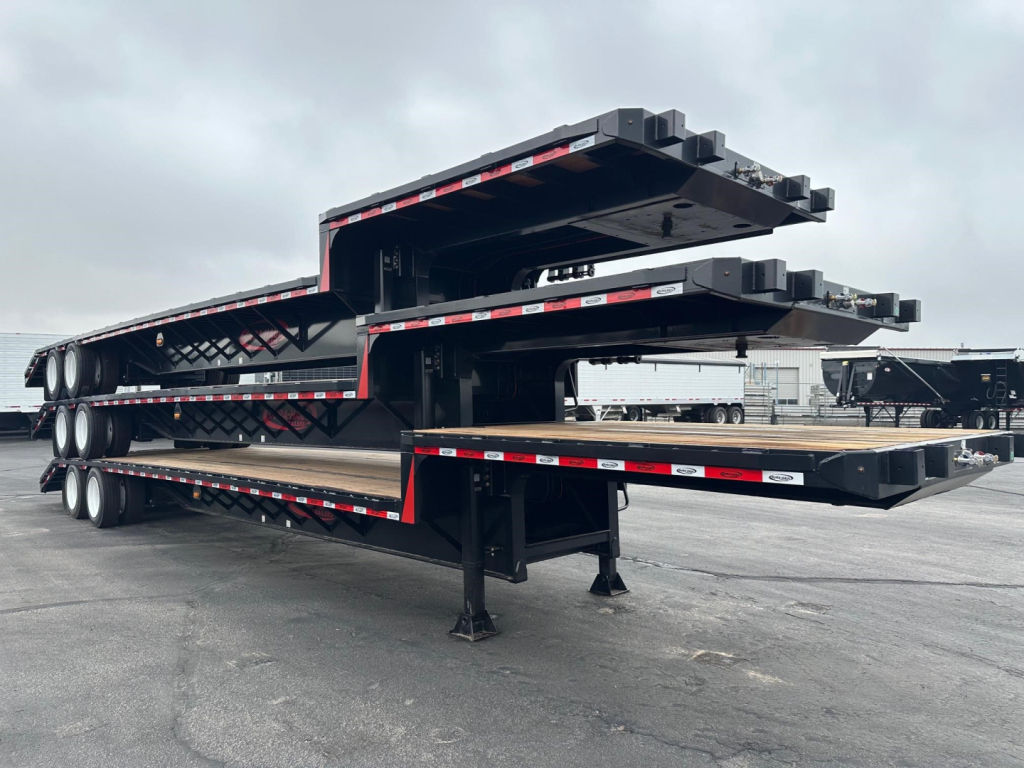
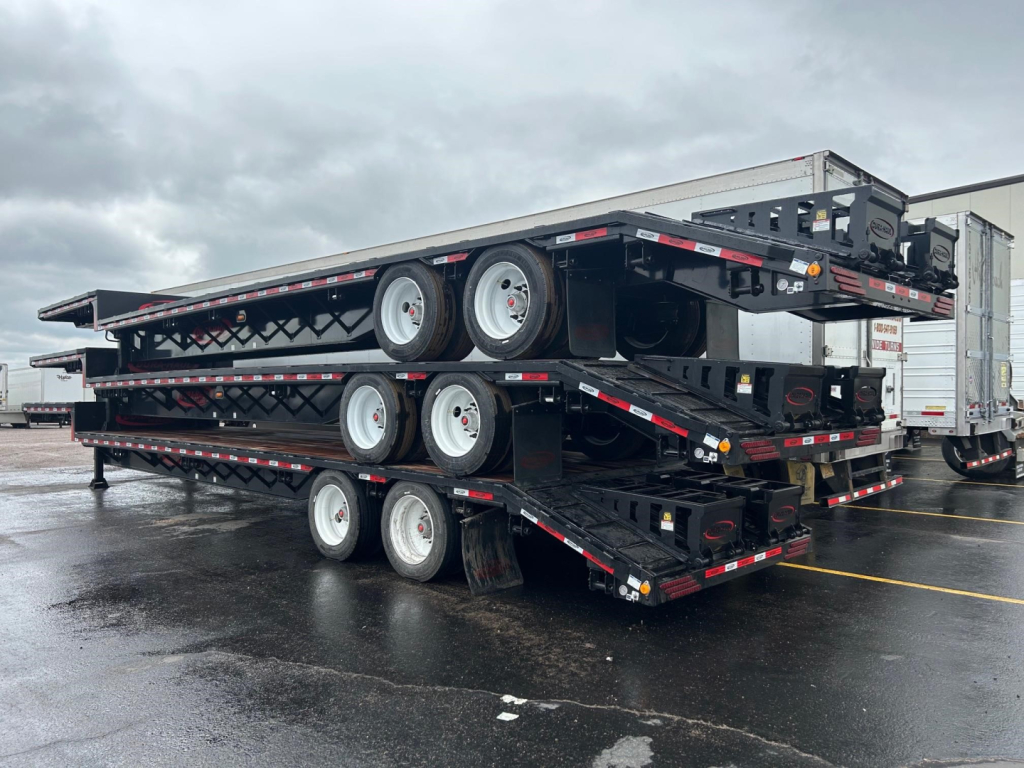
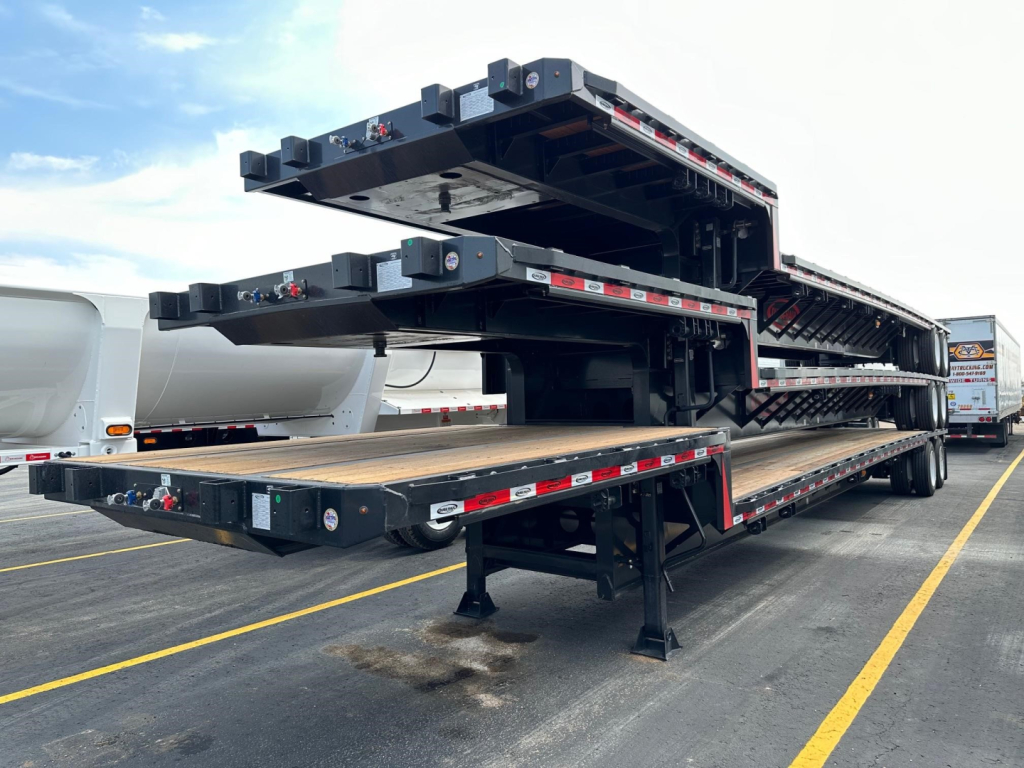
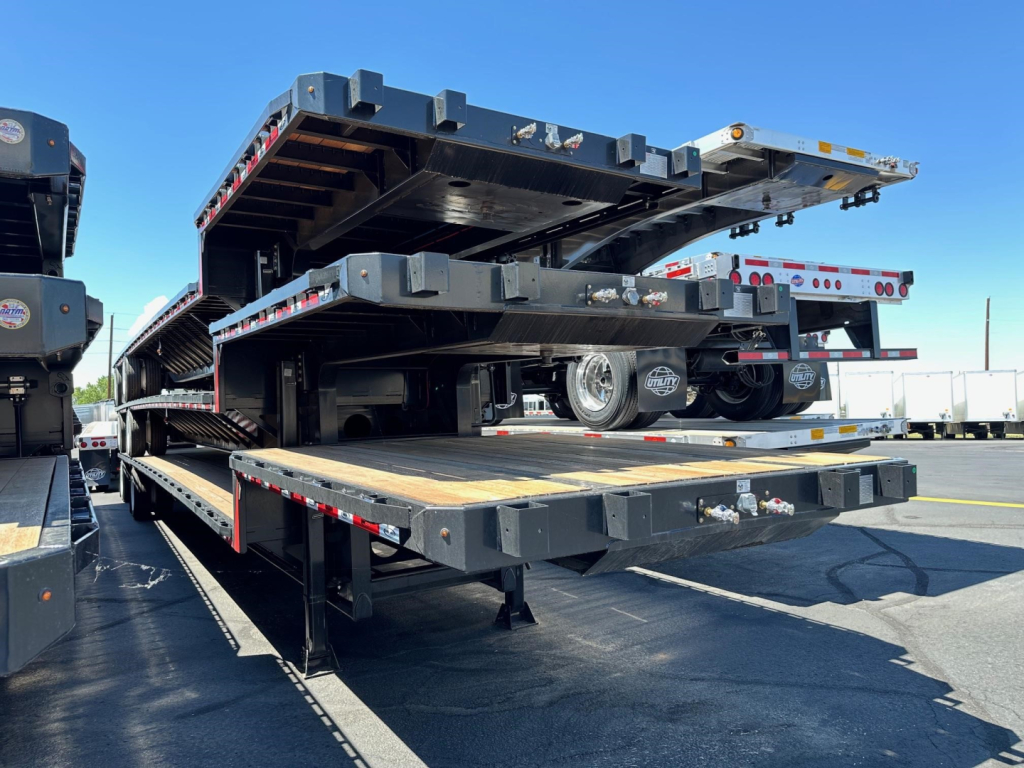
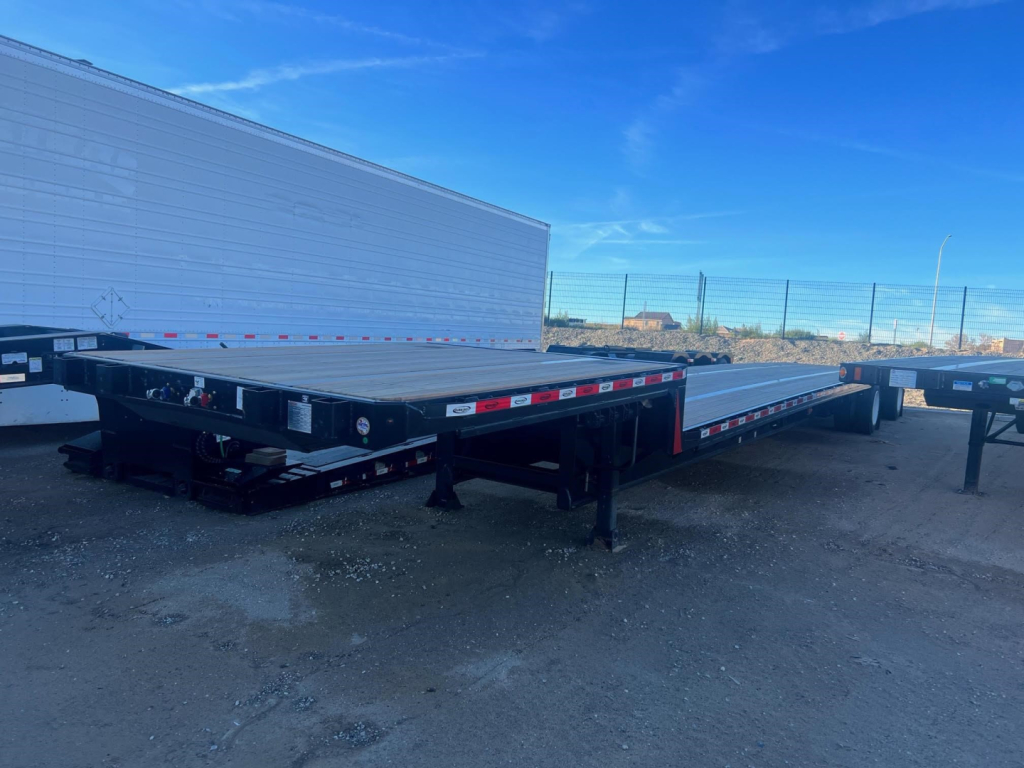
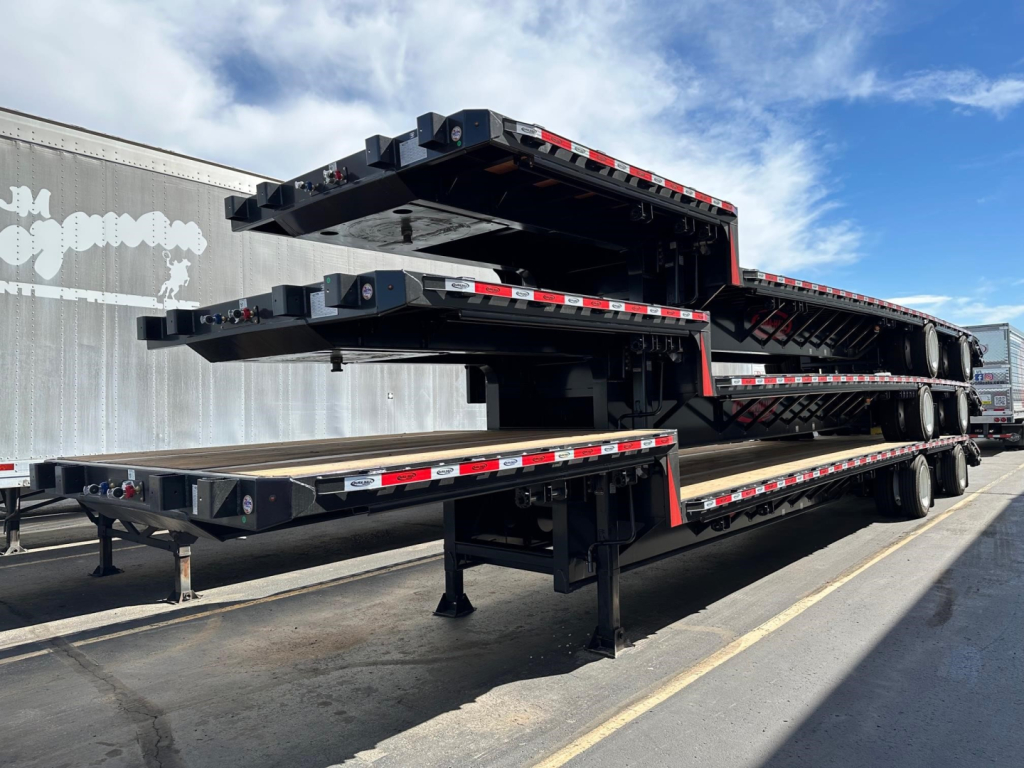
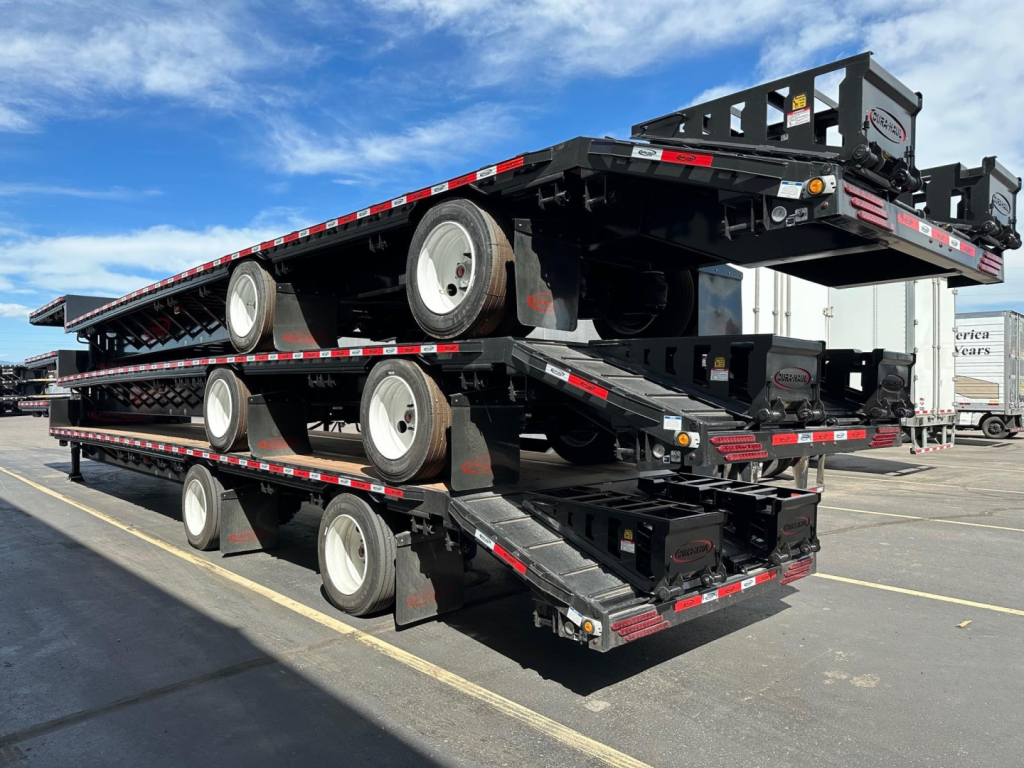
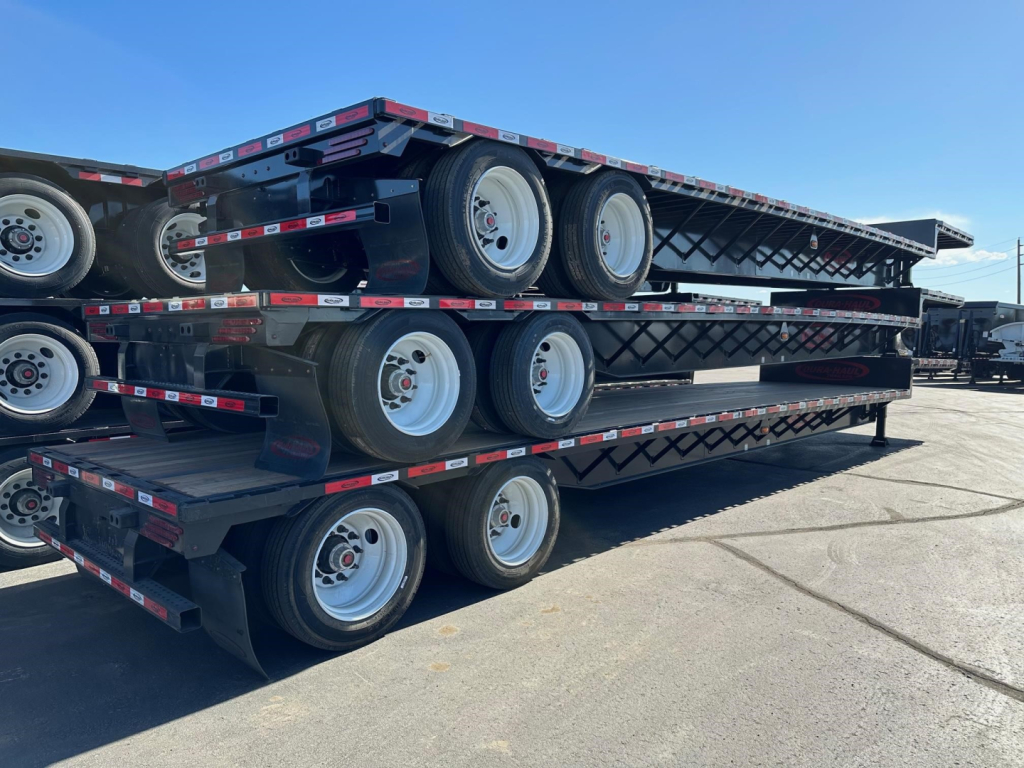
Selling a dura haul drop deck trailer? List your dura haul drop deck trailer for sale and reach thousands of commercial buyers.
Dura Haul Drop Deck Trailers in Colorado
On Dura Haul drop decks, the spec sheet often centers on steel construction and freight securement. Steel main beams and rails are common for buyers who prioritize durability and repairability in hard daily service. Apitong decking is a strong fit for concentrated loads, steel products, and equipment traffic because it holds up well to abrasion and repeated loading. Stake pockets, pipe spools, and sliding winches are key features for flatbed-style securement flexibility, especially when the trailer may handle different cargo profiles through the week. For operators hauling machinery, crane components, or jobsite freight, a beavertail with flip ramps can make loading easier and reduce the need for separate dock access.
Suspension and axle layout should match the freight and the lanes. Closed tandem and fixed spread configurations are both common in this category, and each affects bridge law compliance, maneuverability, and weight distribution. Air ride suspension is often preferred when the trailer will see mixed freight, delicate equipment, or rougher roads, while standard steel wheel setups and 255/70R22.5 tires remain a practical, widely supported combination. Features like manual dump valves, liquid-filled scales, LED lighting, two-speed landing gear, and tire carriers add day-to-day usability rather than headline appeal, but they matter in real operations.
A buyer comparing Dura Haul drop deck trailers should focus on lower deck length, loaded deck height, ramp or beavertail design, and securement package before looking at cosmetic details. If the trailer will be used as a counterweight trailer or for crane support work, deck strength, axle placement, and loading angle become especially important. If the freight mix is broader, winch placement, stake pocket spacing, and deck condition move higher on the checklist. Dura Haul drop deck trailers, also known as step deck trailers, are typically chosen by operators who want a straightforward, heavy-duty platform that can handle taller freight with familiar flatbed securement methods.
Frequently Asked Questions about Dura Haul Drop Deck Trailers in Colorado
What is the main advantage of a Dura Haul drop deck trailer compared with a flatbed?
A drop deck trailer gives you a lower main deck height than a standard flatbed, which allows taller cargo to stay within legal height limits more easily. That makes it useful for machinery, construction materials, counterweights, and freight that would ride too tall on a conventional flatbed. You still retain much of the loading and tie-down flexibility associated with open-deck trailers, especially when the trailer is equipped with stake pockets, pipe spools, and sliding winches.
What should I look at first when comparing Dura Haul step deck trailer specs?
Start with overall length, upper deck length, lower deck length, deck height, and axle configuration. Those measurements determine what freight the trailer can legally and practically carry. After that, check the frame construction, deck material such as Apitong, suspension type, and securement equipment. If the trailer includes a beavertail and flip ramps, pay close attention to ramp angle and transition point because those features directly affect loading for forklifts, scissor lifts, and wheeled equipment.
Are beavertail Dura Haul drop deck trailers better for equipment hauling?
They can be, especially for operators loading self-propelled equipment or machines that need a gentler loading angle. A beavertail with flip ramps can simplify loading in the field and reduce dependence on docks or separate ramp setups. The tradeoff is that the rear deck design may affect how certain freight is positioned and secured, so buyers should match the trailer to their most common cargo rather than assuming a beavertail is the best fit for every application.
Is a fixed closed tandem or fixed spread axle better on a drop deck trailer?
It depends on where and how the trailer will be used. A fixed closed tandem is often easier to maneuver in tighter spaces and is common for general freight applications. A fixed spread axle can improve weight distribution and may help in certain load scenarios, but it can also introduce tire scrub and turning limitations in confined areas. Buyers should consider bridge law requirements, typical payload weight, and delivery environments before choosing between the two.
Why is Apitong decking common on steel drop deck trailers?
Apitong is widely used because it offers good durability under concentrated loads, repeated forklift traffic, and abrasive cargo. On a steel drop deck trailer, it complements the strength of the frame while providing a deck surface that is proven in heavy hauling and open-deck service. For buyers expecting frequent loading of machinery, steel products, or dense palletized freight, deck material is not a minor detail. It affects service life, maintenance needs, and how well the trailer holds up over time.