
BWS Drop Deck Trailers For Sale in Ohio
Shop BWS drop deck trailers with tri-axle configurations, air ride suspension, Apitong floors, and heavy-duty specs for steel and machinery hauling.
Learn more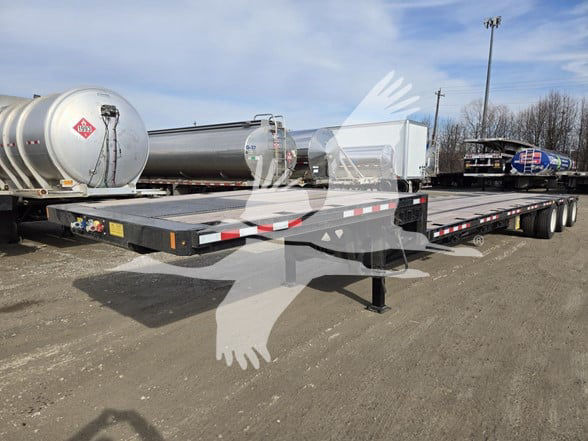
Have bws drop deck trailer to sell? List it here to reach thousands of buyers.
About BWS Drop Deck Trailers in Ohio
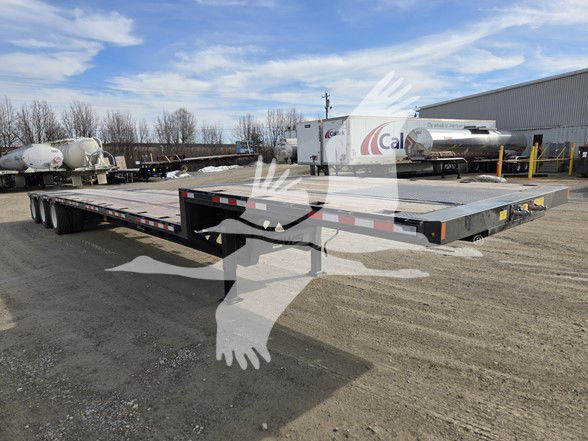
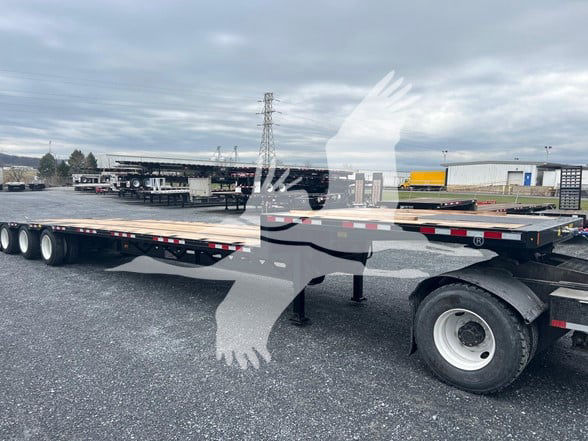
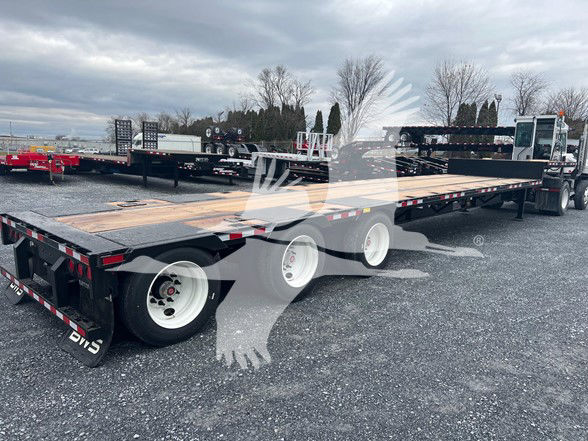
A lot of buyers start with deck geometry and axle layout. Common BWS drop deck specs in this category include a 48-foot overall length, 102-inch width, roughly 11-foot top deck, and a main deck around 37 feet, with loaded deck height often in the 40- to 41-inch range. Tri-axle configurations are common when the goal is better weight distribution and more flexibility on heavier loads. Features like a center lift axle, 61-inch axle spacing, air ride suspension, and an 18-inch kingpin setting are worth close attention because they affect bridge compliance, ride quality, maneuverability, and how well the trailer matches your tractor and freight profile.
The build details on a BWS steel drop deck usually tell you a lot about its intended duty cycle. Buyers often look for 1 1/8-inch Apitong flooring, 4-inch I-beam crossmembers on 16-inch centers, steel channel side rails, and a coil package for hauling steel coils or other dense freight. Securement equipment is just as important as the frame. A roadside winch track, sliding winches, pipe spools, and multiple pairs of 4-way chain slots give you better options for mixed freight and irregular machinery. On heavier spec trailers, beam ratings, swing clearance, dump valves, brake dust covers, and aluminum air tanks can make a real difference in day-to-day use and long-term maintenance.
If you are comparing BWS drop deck trailers, focus on empty weight versus payload, main deck height, axle spread, suspension brand, and the securement package already on the trailer. Tire size, wheel type, lighting package, and rear auxiliary receptacles also matter more than they first appear, especially if the trailer will see permit loads, winter conditions, or regular night work. For buyers who need a durable step deck trailer that can handle hard-use freight lanes, BWS remains a strong choice because these trailers are typically spec'd with practical heavy-haul features instead of bare-minimum platform equipment.
Frequently Asked Questions
What is a BWS drop deck trailer best suited for?
A BWS drop deck trailer is best suited for freight that is too tall or too difficult to load efficiently on a standard flatbed. Common applications include steel products, crated equipment, forklifts, agricultural machinery, construction materials, and palletized freight that benefits from a lower main deck. The drop deck design, also called a step deck trailer, provides added height clearance while still allowing side loading and overhead loading.
Why do many BWS drop deck trailers use a tri-axle setup?
A tri-axle setup helps spread weight more effectively and can improve legal payload flexibility on heavier loads. It is a common choice for operators hauling dense freight such as steel, machinery, or equipment with concentrated axle weights. A center lift axle can also be useful for reducing tire scrub and improving maneuverability when the extra axle is not needed under lighter load conditions.
What specs matter most when comparing used or new BWS drop deck trailers?
The most important specs usually include overall length, top deck length, main deck length, loaded deck height, axle spacing, kingpin setting, suspension type, and empty weight. Buyers should also review floor material, crossmember spacing, beam rating, and securement equipment such as chain slots, winch tracks, sliding winches, and pipe spools. These details determine how well the trailer fits your freight, tractor wheelbase, and operating region.
Is an Apitong floor a good choice on a drop deck trailer?
Yes. Apitong is widely used on heavy-duty flatbed and drop deck trailers because it holds up well under forklift traffic, point loading, and repeated securement work. It offers good durability for steel, machinery, and construction freight, and it is a proven flooring material for operators who expect hard daily use. Floor condition still matters, so buyers should inspect wear, fasteners, and any evidence of rot or damage.
How does air ride suspension help on a BWS drop deck trailer?
Air ride suspension helps protect freight, improves ride quality, and can reduce shock transferred into the trailer structure compared with harsher suspension types. It is especially useful for machinery, fabricated materials, and mixed freight that need a smoother ride. On a drop deck trailer, air ride can also support better load stability and easier docking or loading adjustments when paired with dump valve controls.