
Used Dragon Trailers For Sale
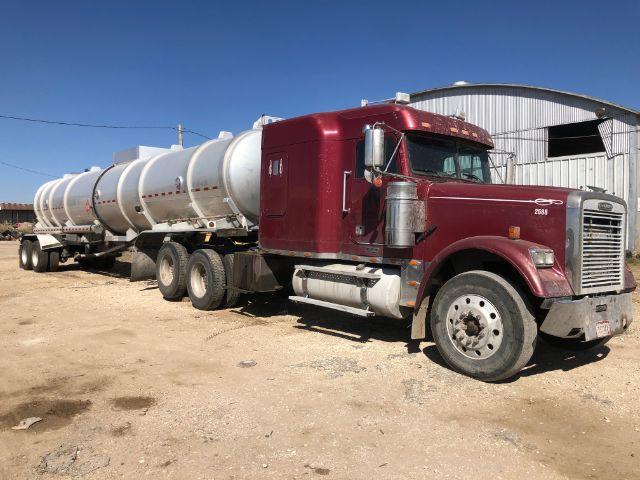
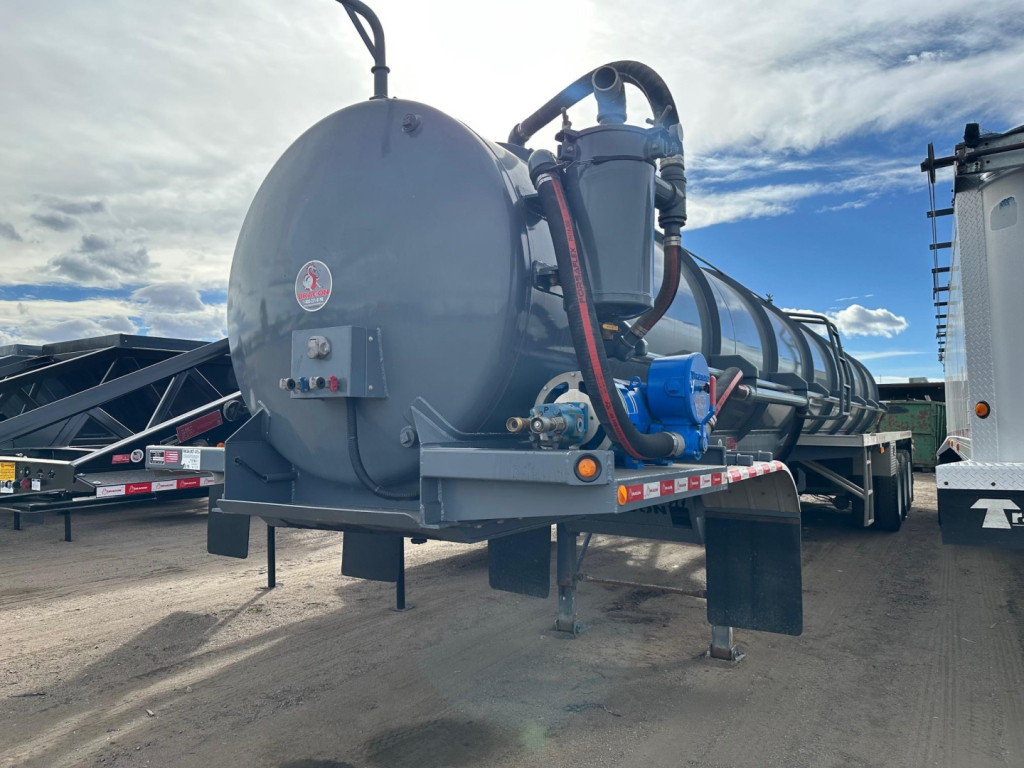

Have used dragon trailer to sell? List it here to reach thousands of buyers.
Used Dragon Trailers
On used Dragon tank trailers, the first decision is usually spec and compliance, not just price. Buyers should confirm the DOT specification on the tank, common inspection intervals, and whether the trailer is set up for the product they intend to haul. In crude service, details like emergency valves, vapor recovery plumbing, pressure gauges, dome lid gaskets, sump condition, pump configuration, and wet or dry discharge setup matter more than cosmetic appearance. A trailer with recent internal, external, leakage, and pressure test documentation can save downtime and immediate shop expense. If the unit has been relined, repaired in the sump area, or had pressure vents, seals, and gaskets replaced, that work should be reviewed closely because it affects both compliance and loading efficiency.
Suspension and chassis condition are just as important on a used Dragon trailer as tank certification. Many of these trailers are tandem axle configurations with air ride suspension, aluminum wheels, and 43-foot class overall length, though actual dimensions and barrel capacity vary by build. Check brake life, hub seals, ABS function, tire condition, kingpin wear, frame corrosion, fender damage, and signs of hard oilfield use around crossmembers and piping supports. On aluminum tank trailers, buyers should pay attention to weld condition, shell repairs, and evidence of contamination or neglected cleanout history. A unit that has been sandblasted, repainted, or recently serviced can be attractive, but paperwork on inspections and repairs is still the real value driver.
Dragon trailers are a practical fit for operators hauling crude, production fluids, and other bulk liquids in regional energy markets where simple, field-serviceable specs matter. The best used purchase is usually the trailer that matches your product, route, terminal requirements, and maintenance plan, not just the newest model year. Capacity, axle layout, discharge plumbing, pump presence, and current test status should all line up with the job before purchase. For buyers comparing multiple used Dragon trailers for sale, a clean compliance history and a well-maintained tank system usually matter more than appearance alone.
Frequently Asked Questions about Used Dragon Trailers
What are Dragon trailers most commonly used for?
Dragon trailers are most commonly associated with oilfield liquid hauling, especially crude oil, produced water, and similar bulk fluid applications. In the used market, many Dragon units are tank trailers built for high-volume service with barrel-rated capacities, often used by operators working lease roads, tank batteries, and terminals. The exact legal product use depends on the tank specification, current certification, and the trailer's valve and vapor system configuration.
What should I check first on a used Dragon crude oil trailer?
Start with tank specification and inspection status. Confirm the DOT code, current test dates, and records for internal, external, leakage, and pressure inspections if applicable to the tank. After that, inspect the emergency valves, sump, discharge plumbing, vapor recovery components, pump setup, gaskets, and pressure relief hardware. Running gear, brakes, tires, suspension, kingpin condition, and ABS function should be checked next because those items directly affect readiness and repair cost.
Are used Dragon trailers typically aluminum or steel?
Many Dragon crude and liquid tank trailers in the secondary market are aluminum, which helps reduce tare weight and improve payload efficiency. Aluminum tanks can hold value well, but buyers still need to inspect welds, shell integrity, prior repairs, and any signs of corrosion around fittings or contamination-related damage inside the tank. Some Dragon equipment categories may use different materials, so the tank construction should always be verified from the trailer data plate and service records.
How is tanker capacity measured on Dragon oilfield trailers?
Oilfield tank trailers are often described by barrel capacity rather than only gallons. A common example is a 200-barrel trailer, which is a familiar crude hauling size in certain regions. Buyers should still verify actual rated capacity, axle ratings, bridge compliance, and legal gross weight limits for the states where the trailer will operate, because advertised barrel size does not by itself determine legal payload.
Does recent repair work add value to a used Dragon trailer?
Yes, if the repair work is documented and relevant to compliance or operating reliability. Recent valve replacement, gasket service, lining repair, brake work, tank cleaning, pressure system service, and completed inspection reports can reduce startup costs and make a used trailer more attractive. The key is documentation. A trailer with clear maintenance and test records is usually easier to evaluate than one with cosmetic improvements but no proof of service history.