
Used Dorsey Trailers For Sale in Pennsylvania
Shop used Dorsey trailers in Pennsylvania, including flatbeds and drop decks with common specs, applications, and buying tips.
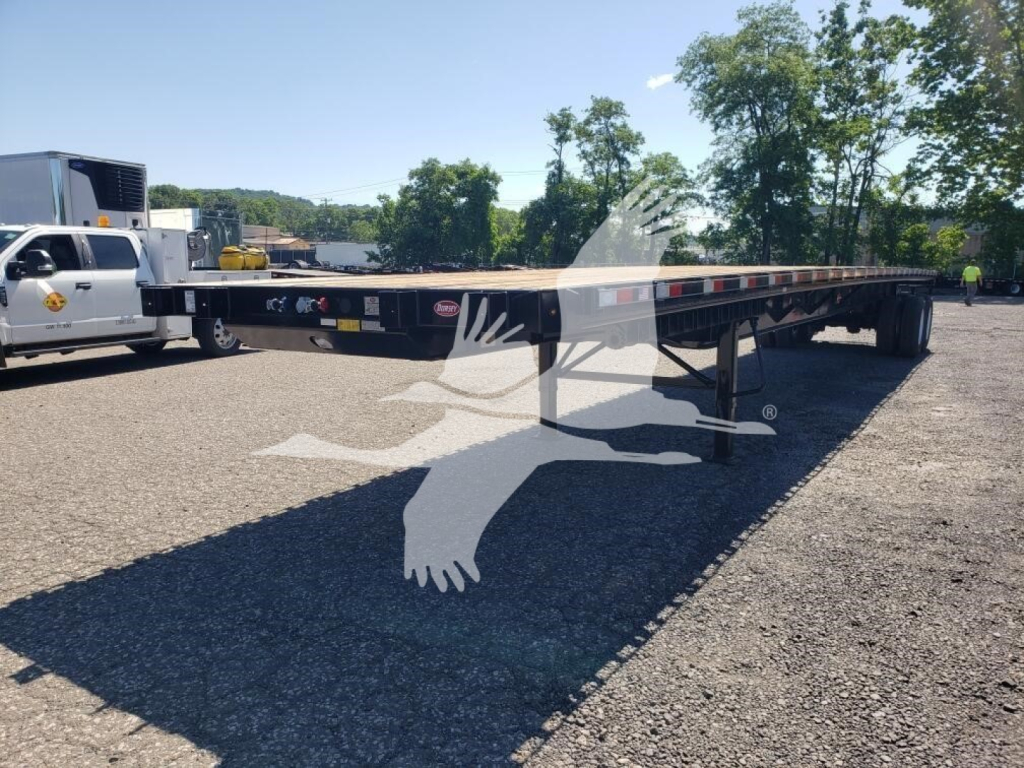
Showing 25 to 26 of 26 results
Have used dorsey trailer to sell? List it here to reach thousands of buyers.
Used Dorsey Trailers in Pennsylvania
For flatbed buyers, the main decision usually comes down to trailer construction and securement layout. A combo flatbed with aluminum floor, aluminum side rails, and steel crossmembers can save weight and improve payload, which matters when hauling dense freight like coils, lumber, or packaged materials. A steel flatbed typically brings a lower acquisition cost and can be a solid choice for rugged day-to-day use. Useful details to review include chain tie-down count, winch track placement, sliding winches, pipe spool arrangement, crossmember spacing, kingpin setting, and coil package provisions. Nailing strips, bulkhead configuration, and landing gear brand are also worth checking if the trailer will be loaded frequently by forklift or used in mixed freight service.
Dorsey drop deck trailers, also known as step deck trailers, are commonly chosen when legal deck height matters. A typical used Dorsey drop deck may offer a top deck around 10 feet and a main deck around 38 feet, with loaded deck height near 41 inches depending on suspension, tires, and freight. That lower main deck helps with taller equipment, crated freight, and jobsite loads that would be difficult to move on a standard flatbed. Beavertail and ramp-equipped versions are especially useful for moving compact equipment and self-propelled machines. Buyers should pay attention to main deck floor material such as 1-1/8 inch Apitong, ramp condition, traction bars on the tail, suspension setting, and whether the trailer has air ride, dump valves, or a rear axle set at the rearmost position for bridge compliance and load distribution.
In Pennsylvania, used trailer buyers should inspect for corrosion, floor wear, side rail damage, and evidence of concentrated loading around coil areas, ramp pivots, and suspension mounts. Tire size, remaining brake life, wheel type, and the condition of the lighting harness matter just as much as headline specs. Hendrickson and Cush air ride suspensions are common in this segment and generally easy to support, but alignment, bushing wear, and axle tracking should still be verified. For flatbed and drop deck operations, the best used Dorsey trailer is the one whose deck configuration, tare weight, securement package, and structural condition match the freight lane, loading method, and state weight requirements your operation runs every week.
Frequently Asked Questions about Used Dorsey Trailers in Pennsylvania
What types of used Dorsey trailers are most common?
The most common used Dorsey trailers on the market are flatbeds and drop decks, also called step deck trailers. Flatbeds are typically used for general open-deck freight such as steel, lumber, pipe, and palletized materials. Drop decks are preferred when lower deck height is needed for taller freight or equipment. Buyers will also see differences in construction, including combo flatbeds with aluminum components and all-steel models built for heavier-duty service.
What should I inspect first on a used Dorsey flatbed or drop deck?
Start with the frame, crossmembers, floor, side rails, and suspension mounting points because structural condition drives long-term value. Then inspect the deck surface for rot, gouging, or repairs, especially on Apitong floors and in coil package areas. Check winch tracks, pipe spools, tie-down points, landing gear, ramps, and beavertails for wear or damage. Brake condition, tire age and tread, axle alignment, lighting, and air system function should be verified before focusing on cosmetic items.
Is a Dorsey combo flatbed better than a steel flatbed?
A combo flatbed is usually better when payload matters because aluminum components reduce trailer weight. That can be important for freight that scales out before it cubes out. A steel flatbed may be the better value for operations that prioritize lower purchase cost, simple repairability, and tough day-to-day use in rough loading environments. The right choice depends on the freight mix, expected abuse, and how important tare weight is in your lanes.
Why choose a Dorsey drop deck instead of a standard flatbed?
A drop deck is the better choice when freight height is a concern. The lower main deck allows taller cargo to move legally without requiring permits in many situations where a standard flatbed would put the load too high. Drop decks are also useful for loading certain equipment, especially when paired with a beavertail and ramps. The tradeoff is a more specialized deck layout and slightly different loading flexibility compared with a standard flatbed.
What specs matter most when comparing used Dorsey trailers in Pennsylvania?
The most important specs are trailer length, deck height, axle spacing, suspension type, tire size, kingpin setting, and overall tare weight. Buyers should also compare floor material, crossmember spacing, tie-down equipment, winch setup, and whether the trailer includes features like coil packages, dump valves, or ramps. In Pennsylvania service, corrosion resistance, brake and tire condition, and the trailer's ability to meet bridge and weight-distribution requirements can be just as important as the basic dimensions.