
Doepker Trailers For Sale
Shop Doepker trailers for heavy haul, ag, and bulk applications. Compare deck layouts, axle setups, suspension, and payload-focused specs.
Selling a doepker trailer? List your doepker trailer for sale and reach thousands of commercial buyers.
Doepker Trailers
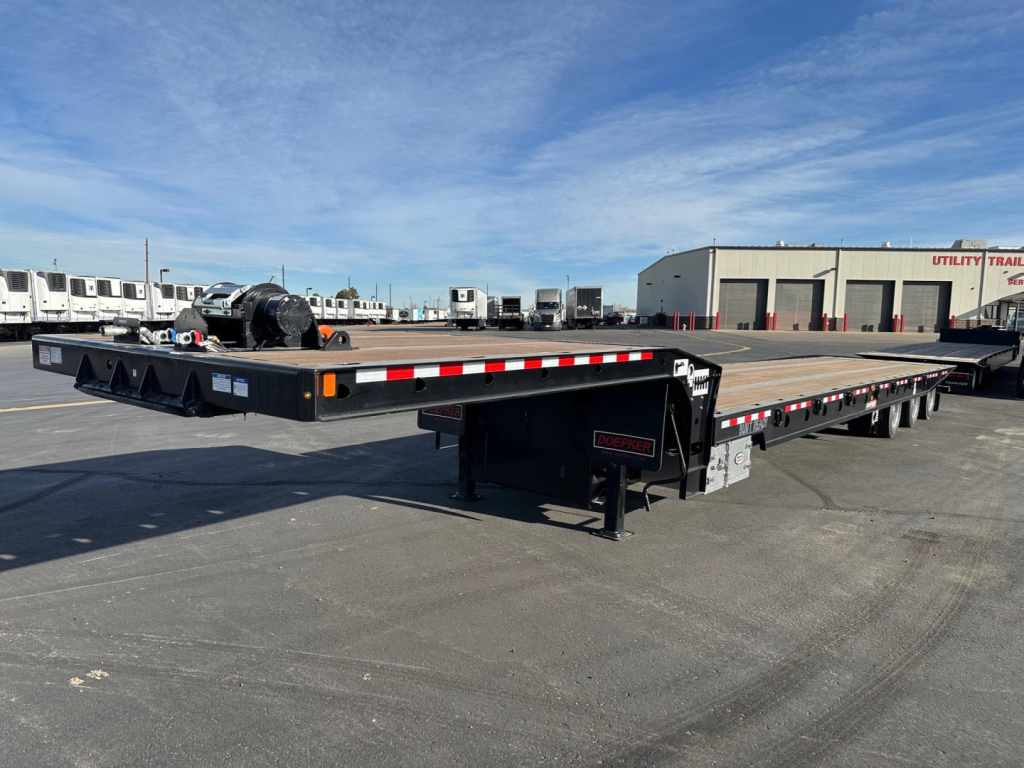
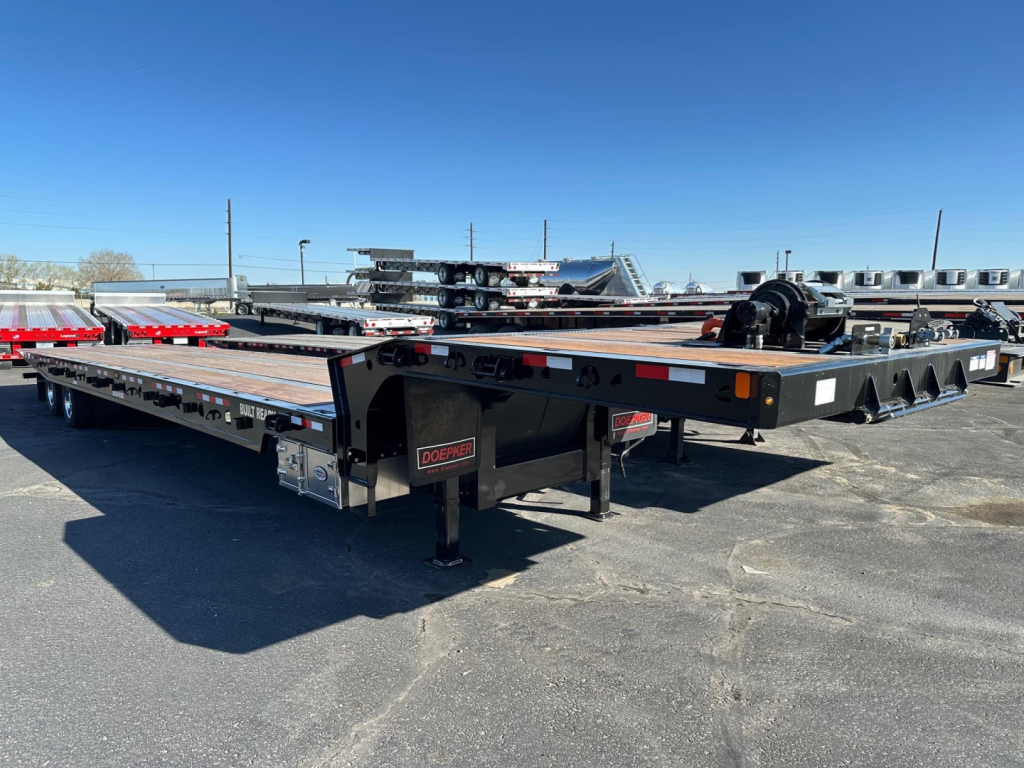
In the specialized and heavy equipment segment, Doepker traveling axle and slide axle trailers are common choices for hauling construction equipment, farm machinery, and other concentrated loads. Key specs include rated capacity, loaded deck length, upper and lower deck dimensions, overall width, and tail style. Features such as air ride suspension, PTO hookups, winches, chain slots, stake pockets, J-hooks, toolboxes, deck rollers at the neck, and Apitong flooring matter because they change how quickly the trailer can be loaded and how well it holds up under repeated machine loading. Tire size, wheel material, and slider pad construction also deserve attention, especially on trailers expected to run hard in mixed highway and jobsite conditions.
For buyers looking at Doepker trailers in agricultural or commodity service, the same practical approach applies. Frame design, tare weight, suspension type, and body construction all influence payload and long-term maintenance cost. If the trailer will see seasonal peaks, rough field entrances, or frequent loading cycles, look closely at floor condition, crossmember integrity, suspension wear points, lighting, and tire system options such as central tire inflation or PSI-style monitoring setups. On heavy haul models, kingpin setting, axle spread, and bridge law considerations should be reviewed alongside deck dimensions so the trailer fits both the freight and the operating region.
A good Doepker trailer is usually defined less by model year than by specification match and maintenance history. Buyers should compare structural repairs, deck condition, suspension type, brake setup, landing gear, and the condition of wear items such as bushings, tires, air components, and electrical connections. If the trailer is being matched to a specific tractor or route, confirm loaded height, hookup requirements, and any special equipment needed for ramps, traveling axle controls, or winch operation. That kind of spec-by-spec review is what separates a trailer that merely fits on paper from one that performs reliably in revenue service.
Frequently Asked Questions about Doepker Trailers
What are Doepker trailers best known for?
Doepker trailers are best known for specialized hauling applications that require durable construction and well-thought-out load handling features. The brand is commonly associated with heavy haul, traveling axle, lowbed, grain, and bulk trailer configurations. Buyers often look at Doepker when payload, deck layout, and long-term structural performance are higher priorities than simply finding a generic trailer size.
What should I check on a used Doepker slide axle or traveling axle trailer?
Pay close attention to deck condition, frame integrity, slider wear points, suspension components, brakes, lighting, and tire condition. On a traveling axle or slide axle trailer, inspect the axle slide mechanism, controls, hydraulic or PTO-related components, and the condition of the deck where equipment loads repeatedly contact the trailer. Apitong floor wear, chain slot damage, tail condition, landing gear function, and any evidence of frame repairs should also be reviewed before purchase.
Is air ride suspension a good choice on a Doepker trailer?
Air ride suspension is a strong option when cargo protection, ride quality, and reduced shock transfer matter. It is common on specialized equipment trailers because it can improve load stability and reduce stress on both trailer structure and cargo. The tradeoff is that buyers should inspect air bags, valves, lines, and ride height components carefully, because suspension condition affects both performance and maintenance cost.
How do I choose the right Doepker trailer capacity and deck length?
Start with the heaviest machine or commodity load the trailer is expected to handle, then match that requirement to the trailer's rated payload, deck length, deck height, and axle configuration. For equipment hauling, lower deck length, upper deck space, tail design, and concentrated load placement are just as important as gross rating. Capacity on paper is only part of the decision, because legal axle loading, bridge spacing, and usable deck layout determine how practical the trailer will be in real operation.
Why do deck material and securement features matter on a Doepker trailer?
Deck material affects traction, wear life, and repair cost, while securement features determine how efficiently different loads can be tied down. Apitong flooring is popular because it holds up well under repeated equipment loading and provides a solid working surface. Chain slots, stake pockets, J-hooks, fixed winches, and tool storage all add value because they improve flexibility and reduce time spent adapting the trailer to each load.