
Used Curtainside Trailers For Sale in Illinois
Browse used curtainside trailers in Illinois. Compare lengths, axle setups, tarp systems, suspension, and load securement features.
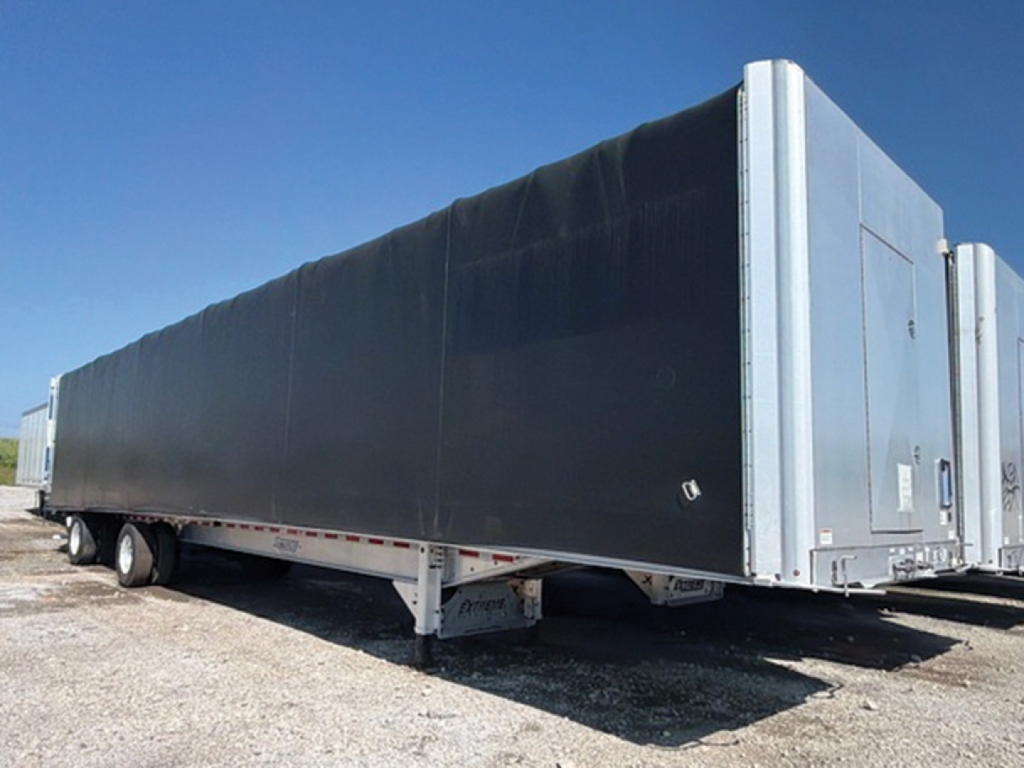
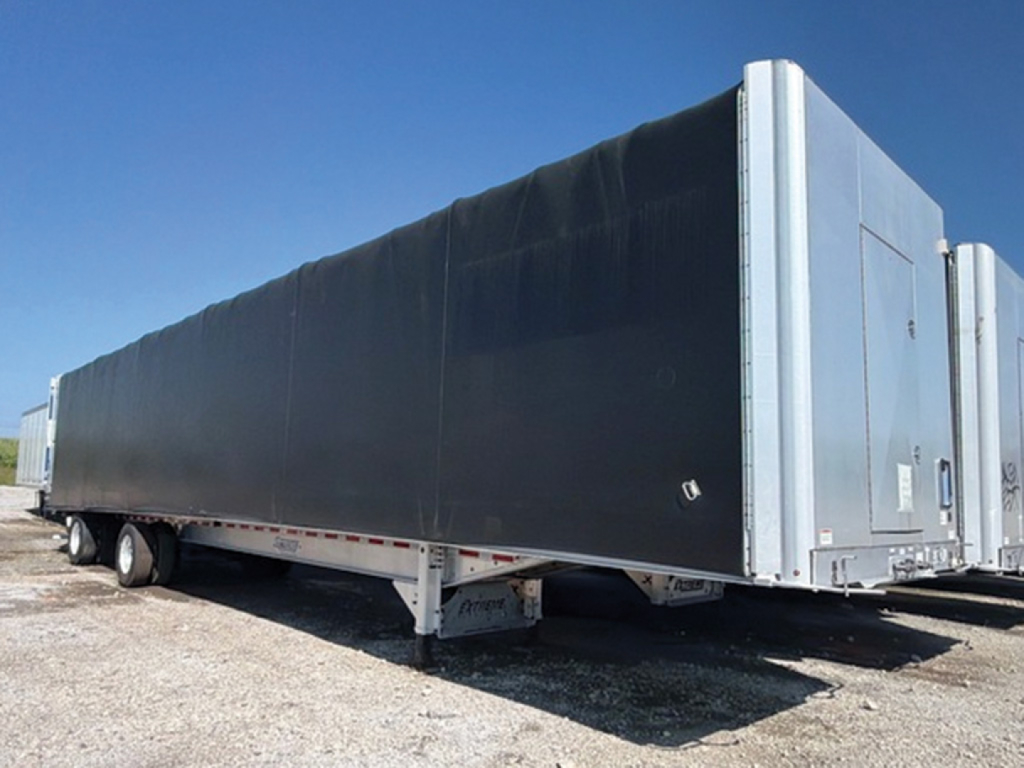
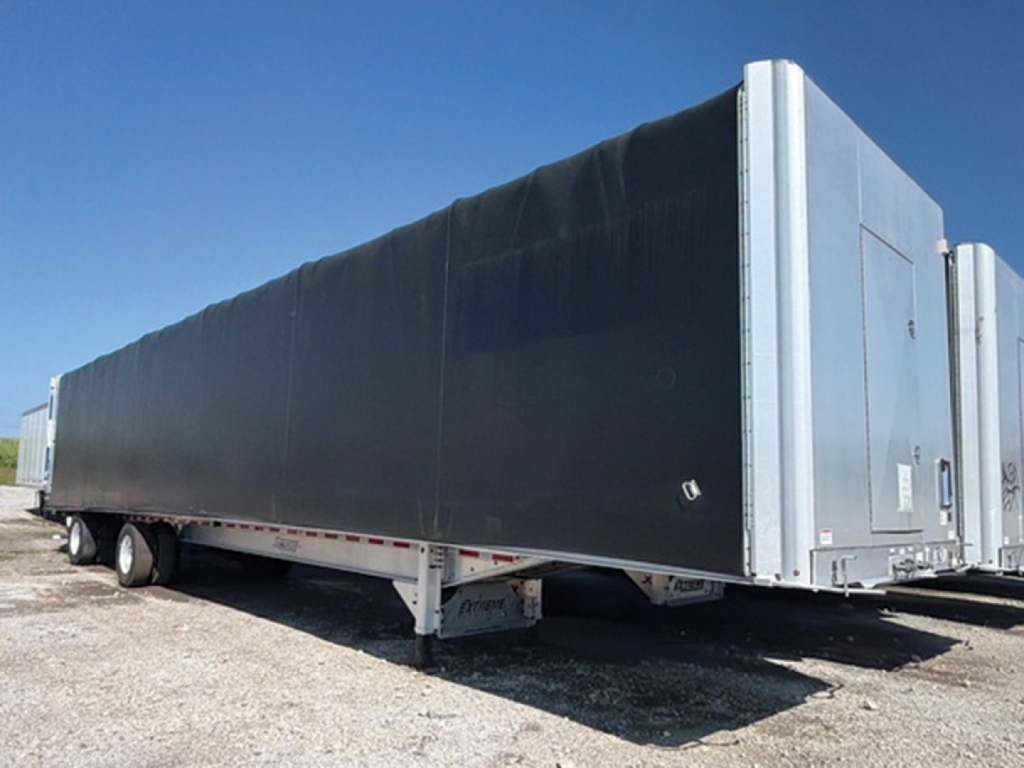
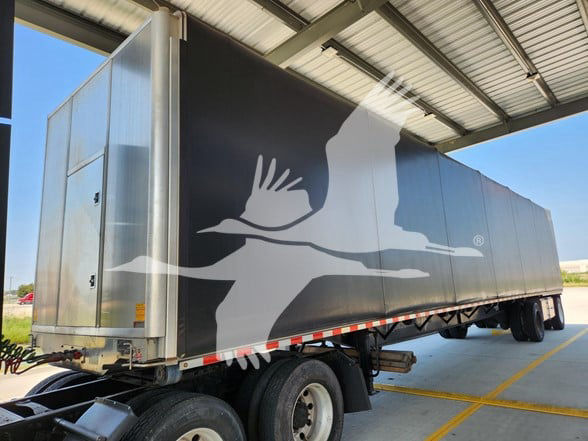

Selling a used curtainside trailer? List your used curtainside trailer for sale and reach thousands of commercial buyers.
Used Curtainside Trailers in Illinois
The first buying decision is usually body style and opening method. Some units are true curtainside vans with side curtains that slide for dock and side loading. Others are flatbed-based rolling tarp systems with a retractable frame and curtain enclosure. Common lengths are 48 and 53 feet, with 102-inch overall width being standard. Interior height matters if you handle taller palletized freight or crated equipment, and buyers should verify clear opening dimensions at both the side and rear. In used equipment, pay close attention to curtain condition, buckle and strap wear, header straightness, bow integrity, rear door hardware, and how smoothly the rolling tarp system tracks and locks.
Axle configuration and running gear have a direct effect on payload and lane flexibility. Illinois buyers will commonly compare tandem sliding suspensions versus spread axle layouts, along with air-ride versus spring ride. Air-ride is preferred for more fragile freight and better ride quality, while sliding tandems can help with bridge law compliance and dock positioning. Brake spec is another meaningful separator, with drum brakes still common and air disc brakes showing up on newer units. Aluminum wheels, galvanized components, tire inflation systems, lift axles on certain specialty builds, and winch tracks or logistic posts can all add value depending on the freight mix.
A good used curtainside trailer should save time at pickup and delivery without creating extra maintenance headaches. Look closely at roof structure, water intrusion points, floor condition, side rail damage from forklifts, suspension wear, and signs of impact around the curtain frame or rear portal. If the trailer will haul coil, steel, or dense industrial freight, confirm floor ratings, securement points, and any added dunnage or coil package. For mixed regional freight in Illinois and surrounding states, a well-spec'd curtainside can be one of the most versatile trailer types in a fleet because it supports side loading, protects cargo from weather, and reduces the labor and delay that come with traditional tarping.
Frequently Asked Questions about Used Curtainside Trailers in Illinois
What is the difference between a curtainside trailer and a Conestoga-style trailer?
A curtainside trailer typically has a fixed roof and side curtains that slide open for loading, while a Conestoga-style trailer is usually built on a flatbed platform with a rolling frame and tarp system that retracts. Both provide weather protection and side access, but the loading method, structural design, and securement approach are different. Buyers should match the design to their freight, loading equipment, and the level of side access needed.
What should I inspect first on a used curtainside trailer?
Start with the curtain or tarp system, frame alignment, roof bows, rear door structure, and floor condition. A used curtainside should open and close smoothly without binding, torn material, broken buckles, or damaged track components. It is also important to inspect the suspension, brakes, tires, hubs, lights, and signs of water intrusion or forklift damage along the side rails and floor edges.
Are used curtainside trailers good for steel and building materials?
They can be, but the trailer spec has to match the cargo. Many curtainside and rolling tarp trailers are used for palletized steel products, construction materials, and machinery because they allow side loading and protect freight from weather. Dense or concentrated loads require close attention to floor rating, securement points, axle setup, and any specialized equipment such as coil packages, winches, or reinforced side structures.
Which axle setup is better for Illinois operations, spread axle or sliding tandem?
That depends on the freight and where the trailer runs. Sliding tandems offer more flexibility for bridge law compliance, weight distribution, and dock positioning, which is useful in varied Midwest lanes. Spread axles can provide stable load carrying and may be preferred for certain applications, but they are less flexible in some operating environments. Buyers should compare legal payload needs, turning radius concerns, and the type of customer facilities they serve.
Why do many fleets prefer air-ride on curtainside trailers?
Air-ride suspension helps protect freight by reducing vibration and road shock, which is important for packaged goods, paper products, machinery, and other damage-sensitive cargo. It also improves ride quality and is widely accepted across general freight applications. On a used trailer, the condition of airbags, shocks, valves, and suspension components matters as much as the original suspension type.