
Curtainside Trailers For Sale in Texas
No exact matches found for your search
Showing Curtainside Trailers instead.
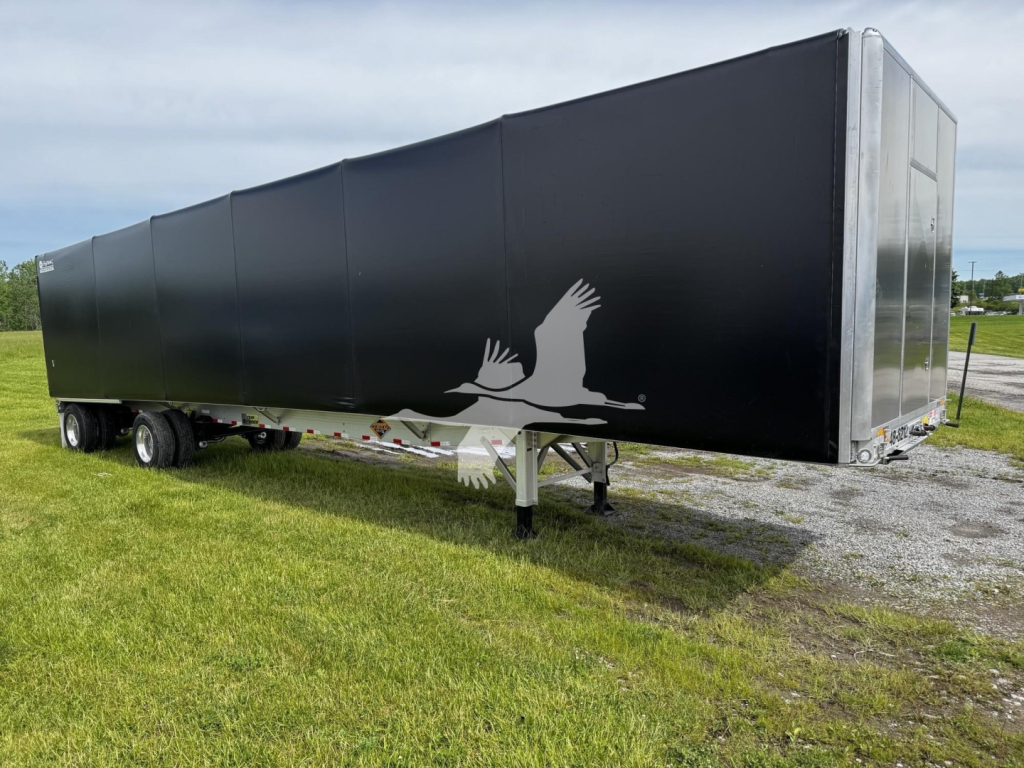
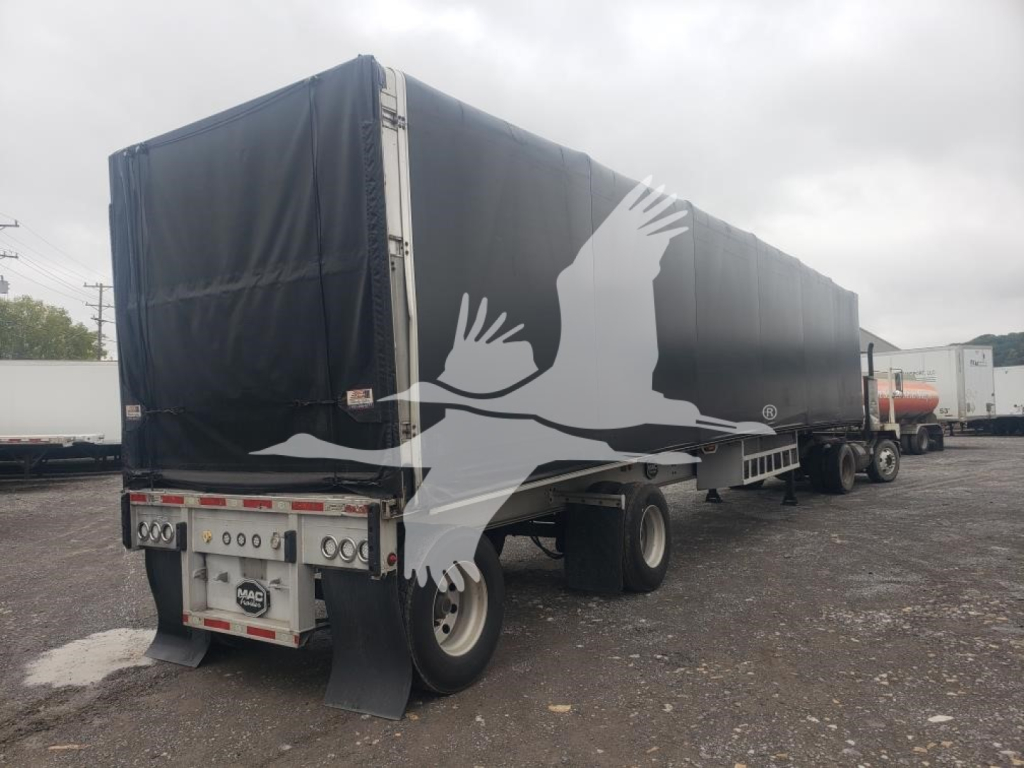
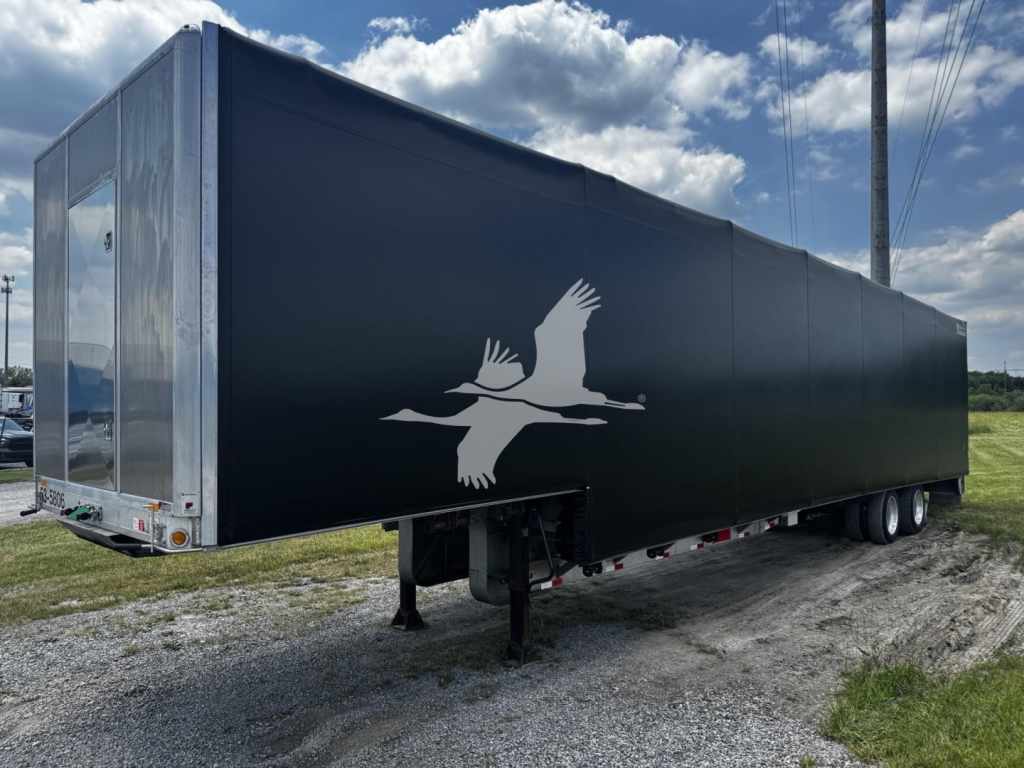
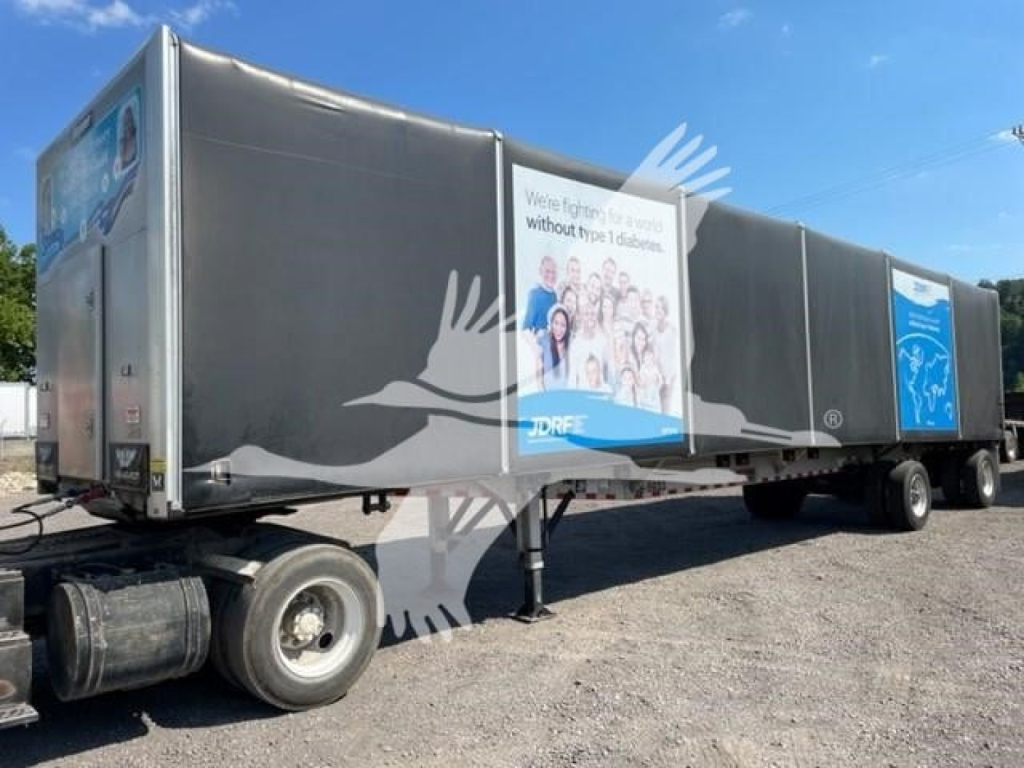
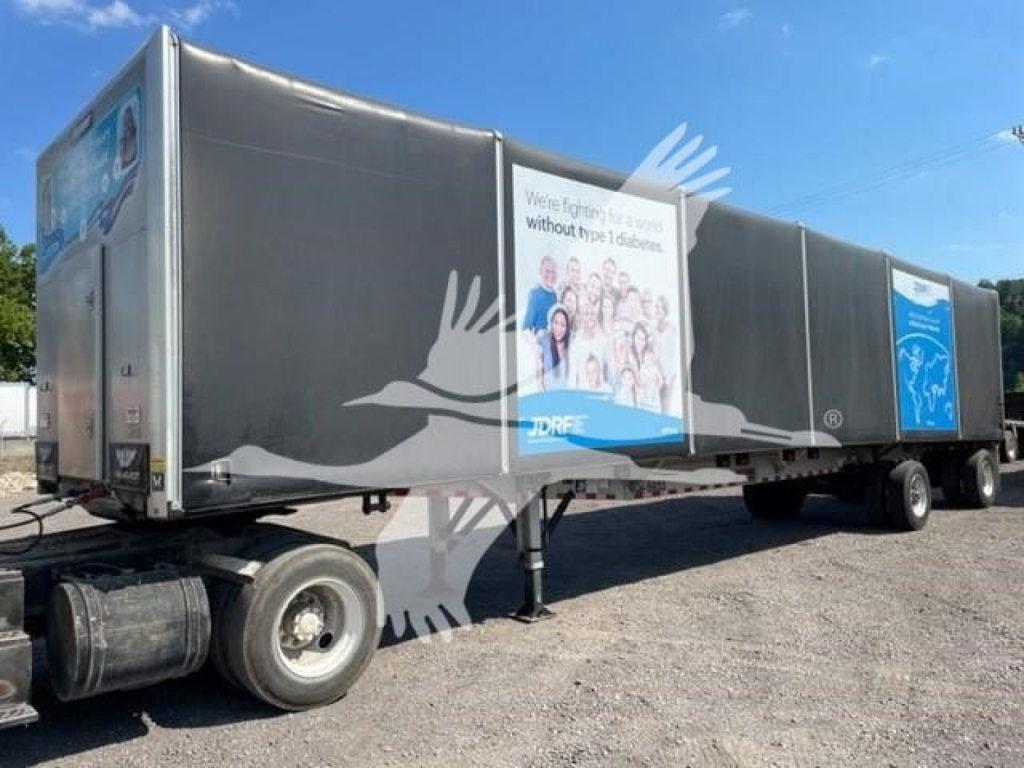
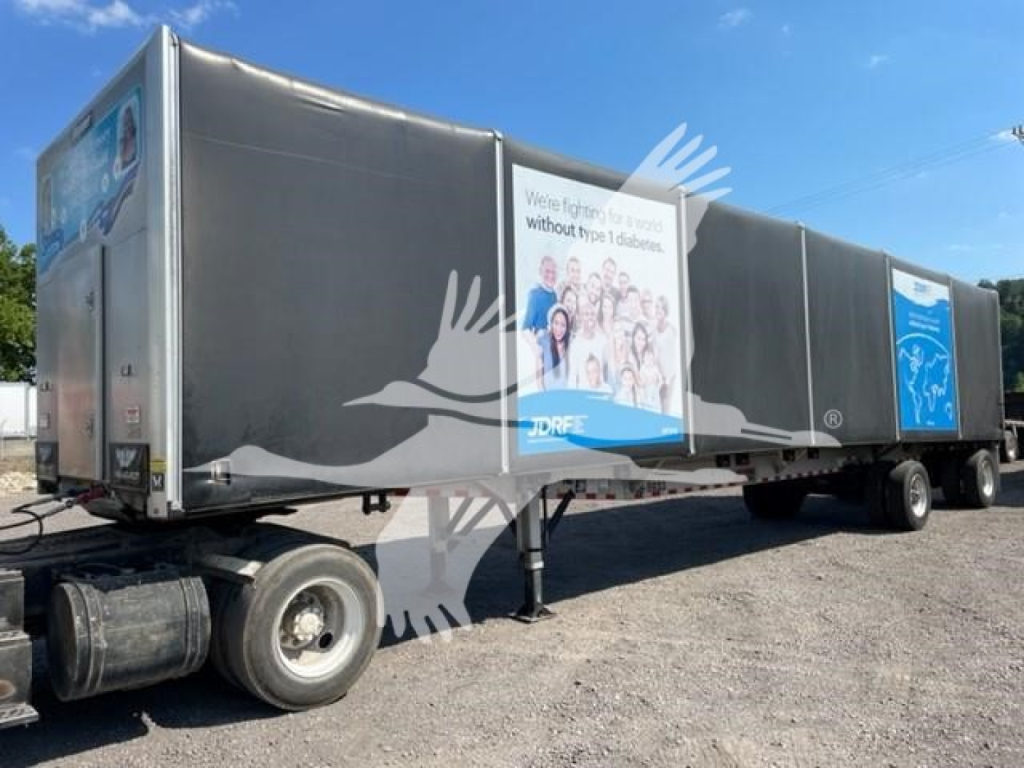
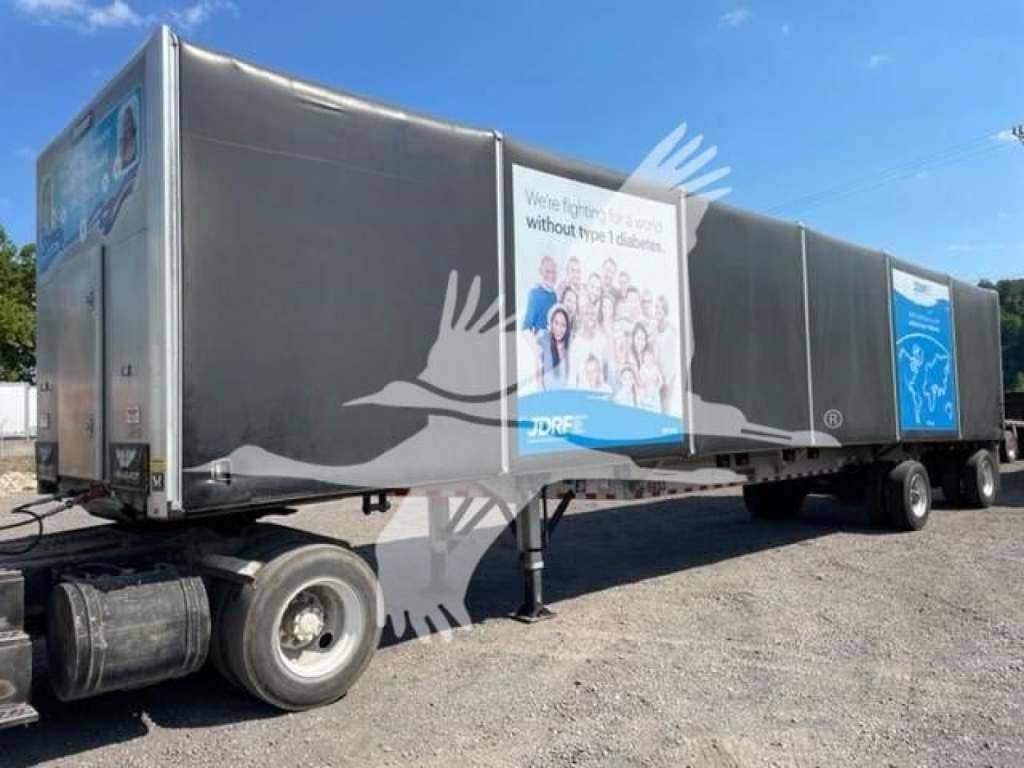
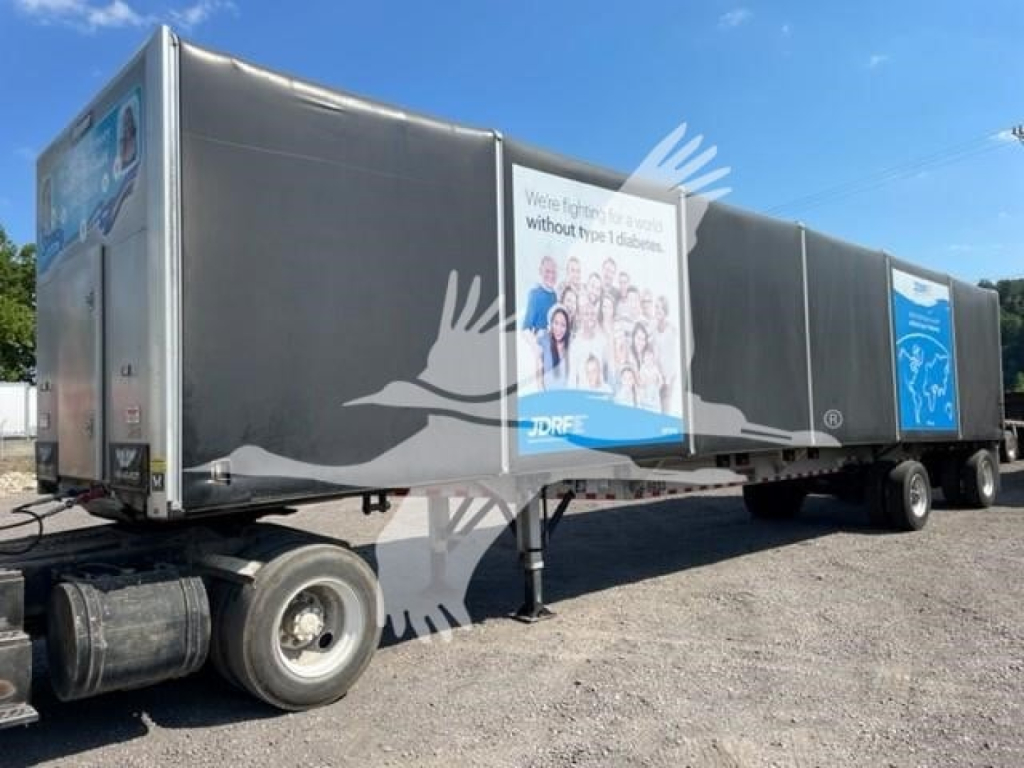
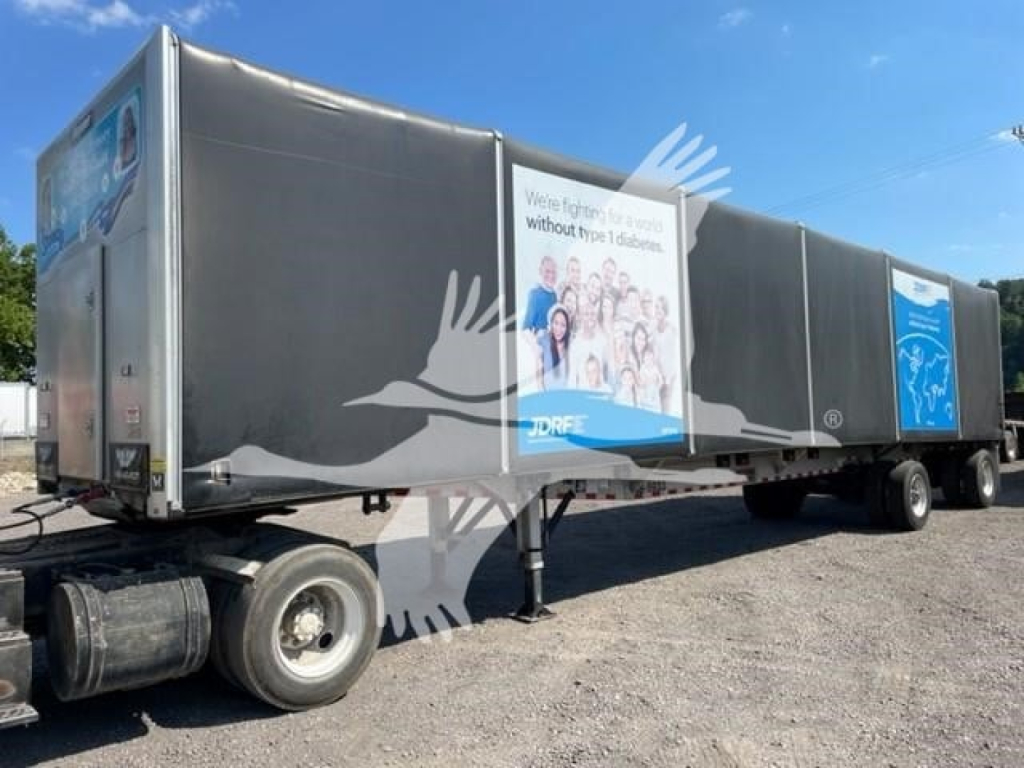
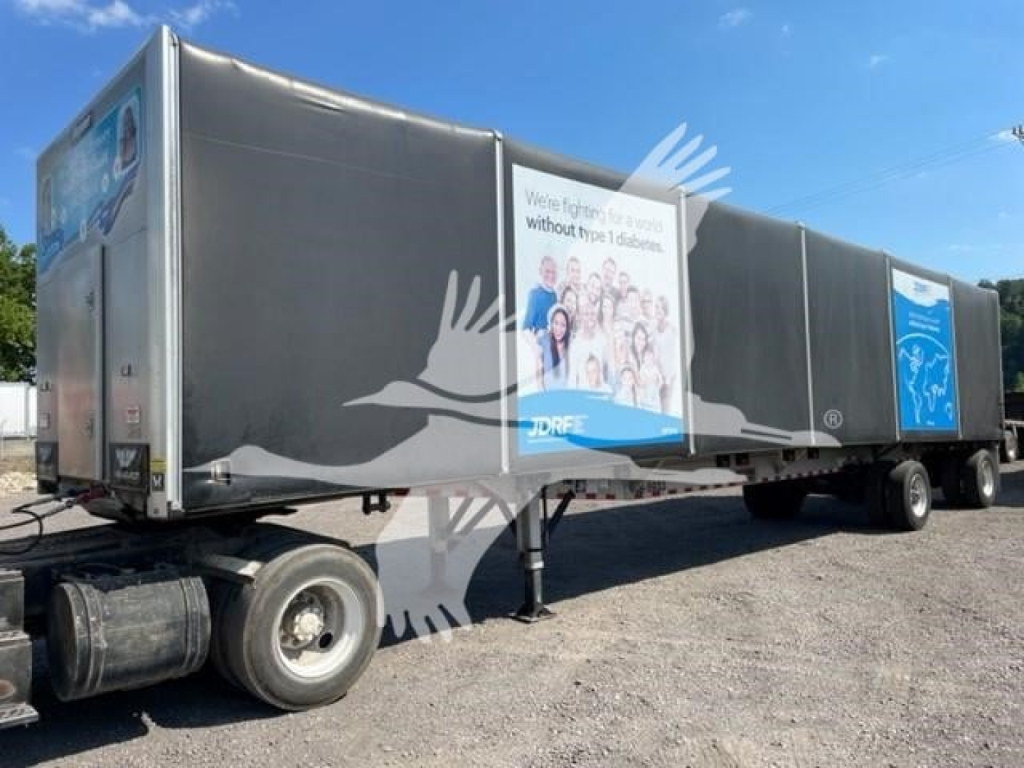
Showing 25 to 34 of 34 results
Have curtainside trailer to sell? List it here to reach thousands of buyers.
Curtainside Trailers in Texas
A buyer should start with the basics: trailer length, deck style, axle configuration, and curtain system. Common lengths are 48 and 53 feet, with tandem axle setups leading the market, though spread axles show up in certain applications. Some curtainsides are built on a flatbed-style deck for heavier freight and side loading, while others lean closer to a dry freight platform with integrated roof bows, sliding curtains, and rear swing doors. Pay attention to curtain construction, buckle or strap design, post layout, roof height, and the ease of opening and securing the side system. The curtain is primarily for enclosure and access, not load securement, so buyers should look closely at interior winches, sliding straps, logistic track, load bars, and flooring condition.
Texas operators often focus on durability, weight, and loading speed. Long highway runs, heat, sun exposure, and mixed urban-rural routes can be hard on curtains, rollers, buckles, and roof components, so condition matters as much as base spec. A lighter trailer can help payload on dense freight, but heavier-duty builds may be the better fit for machinery, packaged lumber, or high-cycle forklift loading. Tire size, suspension type, brake configuration, and rear frame strength all affect maintenance cost and day-to-day use. If the trailer will cross state lines or handle dedicated customer freight, it is also worth checking overall interior width, clear opening dimensions, and how the trailer’s securement setup aligns with the freight being hauled.
The strongest curtainside trailers are the ones matched tightly to the freight. A general freight operation may prioritize quick side access and flexible pallet loading, while a building materials carrier may need a tougher deck, more securement points, and stronger side structure. Buyers comparing listings should look beyond age and price to confirm GVWR, empty weight, floor rating, curtain condition, door hardware, and evidence of prior side-impact or forklift damage. A well-spec'd curtainside can reduce loading delays, improve freight protection, and handle freight that would otherwise require both van and flatbed capacity.
Frequently Asked Questions about Curtainside Trailers in Texas
What is a curtainside trailer used for?
A curtainside trailer is used for freight that benefits from full side loading but still needs protection from weather and road spray. Common applications include palletized goods, packaged building materials, beverage loads, paper products, and general industrial freight. The side curtain opens to give forklift access along much of the trailer length, which can speed up loading and unloading compared with a standard dry van.
Is a curtainside trailer a flatbed or a dry van?
A curtainside trailer sits between a flatbed and a dry van in terms of function. It offers weather protection and enclosed transport like a van, but it also provides broad side access like a flatbed. It is not a true flatbed because the curtain and roof system are part of the trailer structure, and it is not a standard van because cargo can often be loaded from the side instead of only through the rear doors.
Does the curtain secure the load on a curtainside trailer?
No. On a curtainside trailer, the curtain is generally an enclosure system, not the primary cargo securement method. The load should be restrained with the trailer’s securement equipment, such as straps, winches, bars, track systems, blocking, or other approved methods suited to the freight. Buyers should inspect the available securement setup carefully because it affects what freight the trailer can legally and safely haul.
What should I inspect on a used curtainside trailer?
Key inspection points include curtain fabric condition, tears, patches, buckle wear, roller operation, roof bow integrity, rear door hardware, floor damage, and signs of side-impact contact from forklifts or loading docks. It is also important to check suspension components, brakes, tire wear, frame condition, and the operation of any internal securement systems. A trailer with a good frame but a worn curtain may still be workable, but repair cost and downtime should be factored into the purchase.
Are curtainside trailers a good fit for Texas freight operations?
Curtainside trailers can be a strong fit for Texas operations because they support fast loading, regional distribution, and weather-protected hauling across long distances. They are especially useful where forklifts load from the side or where freight changes frequently between customers and docks. Texas heat and sun can accelerate wear on curtain material and hardware, so buyers should pay close attention to enclosure condition and the durability of the trailer’s side system.