
Mac Curtainside Trailers For Sale in Colorado
Shop Mac curtainside trailers for freight that needs side access and weather protection, with aluminum builds, tarp systems, and flatbed flexibility.
No exact matches found for your search
Showing Mac Curtainside Trailers instead.
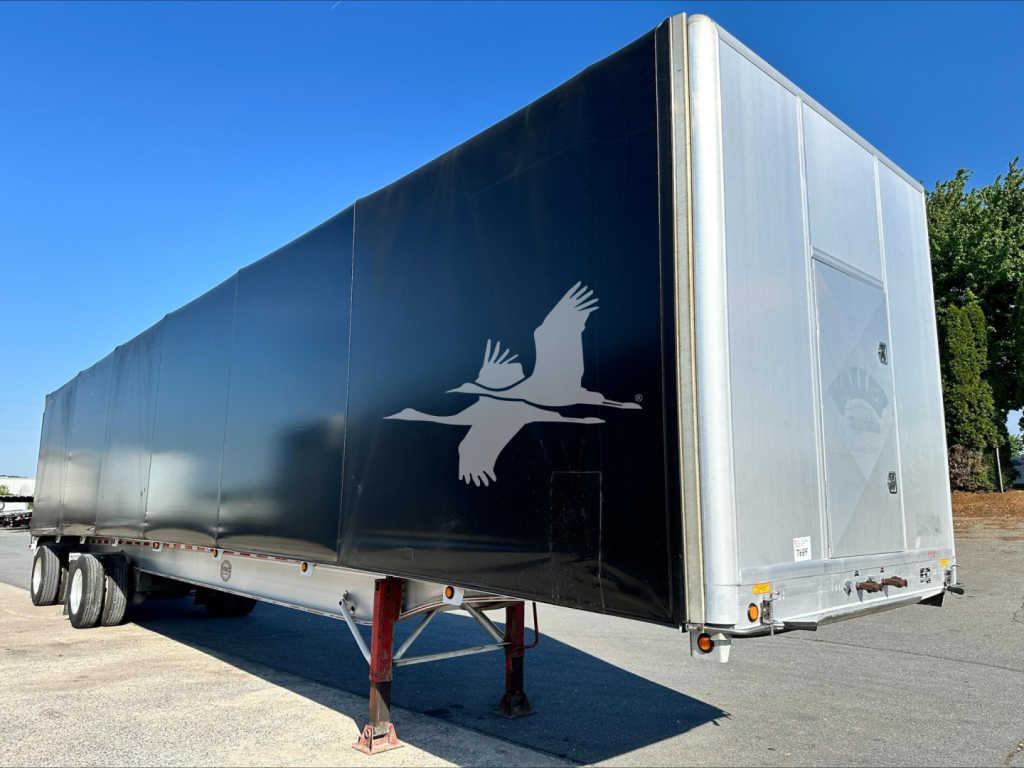
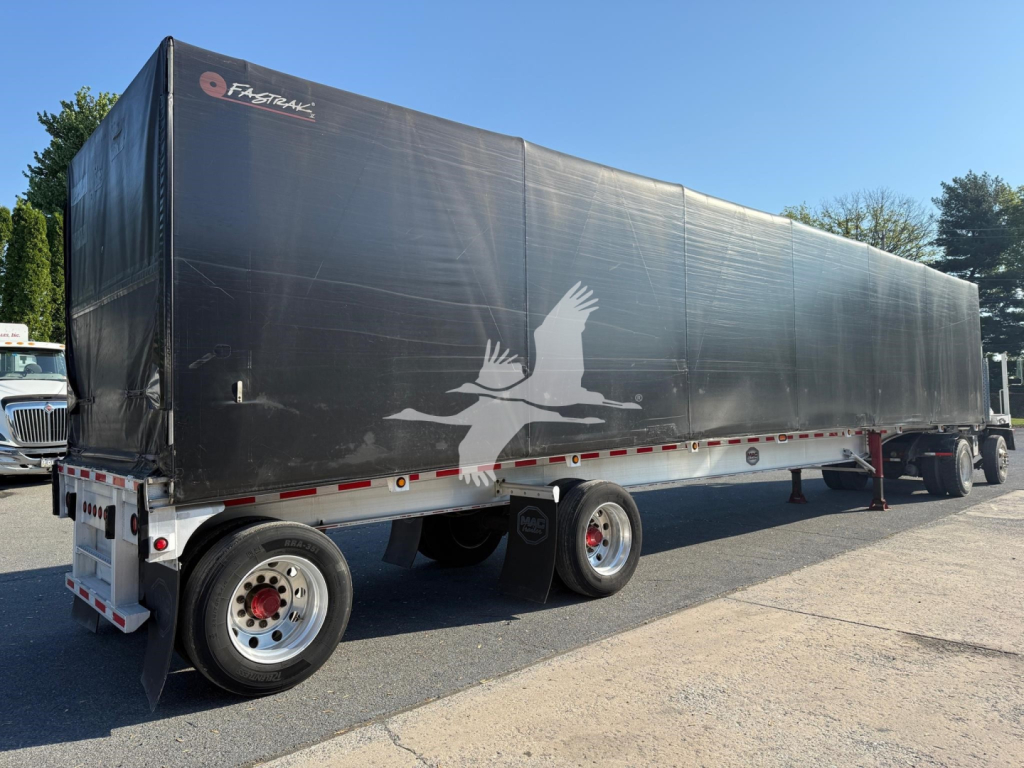
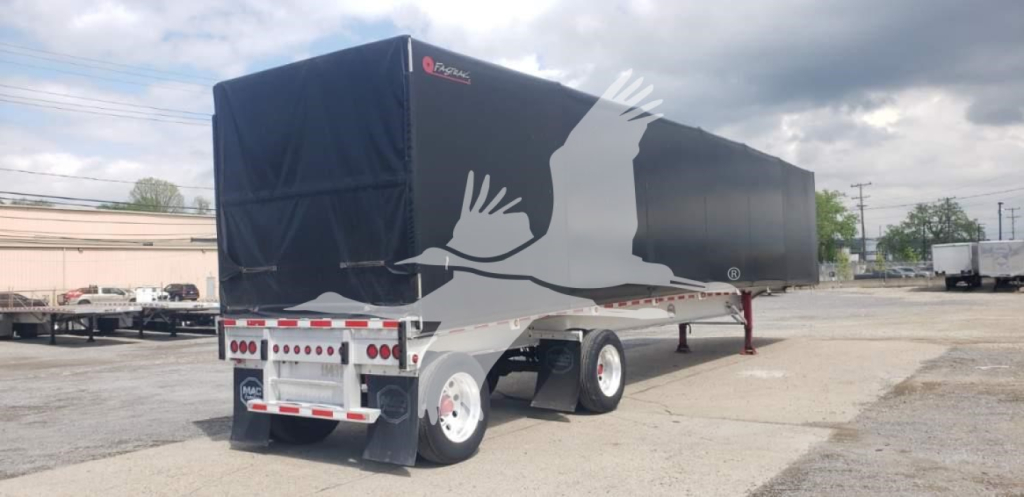
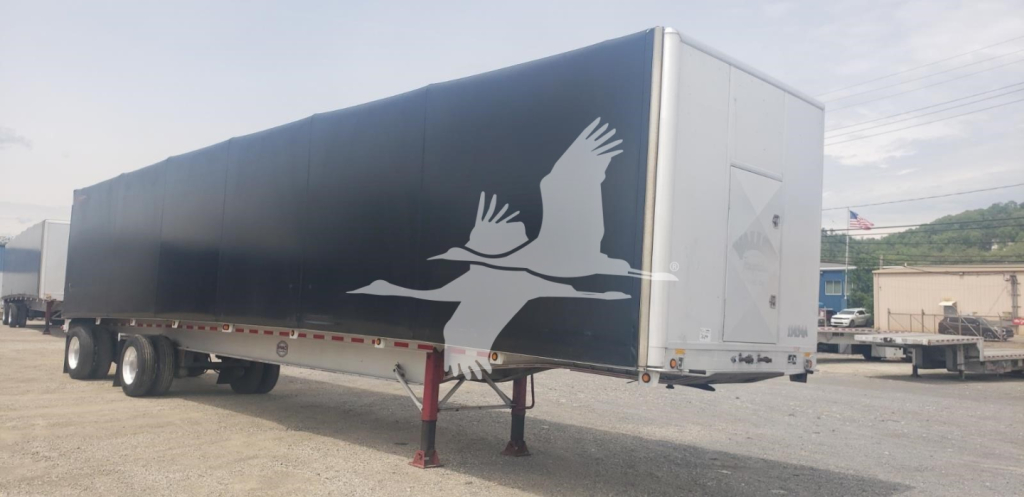
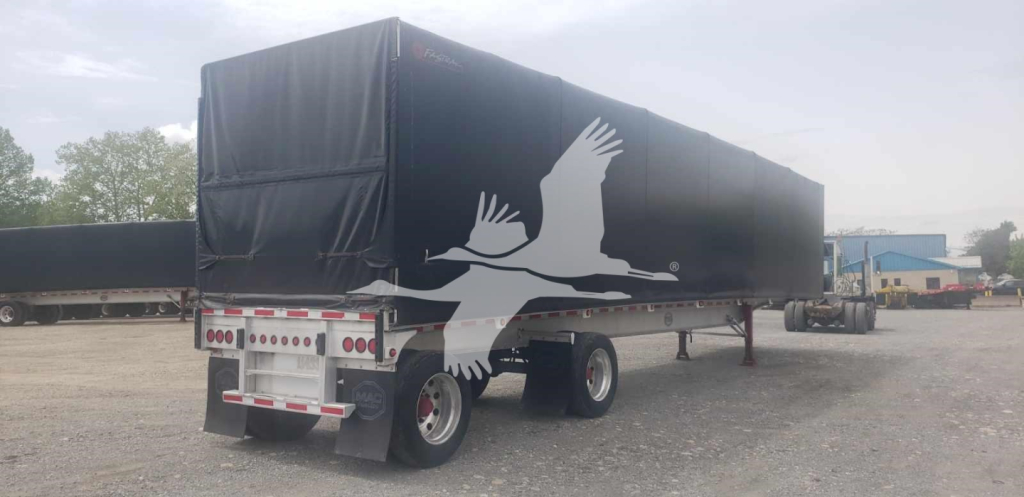
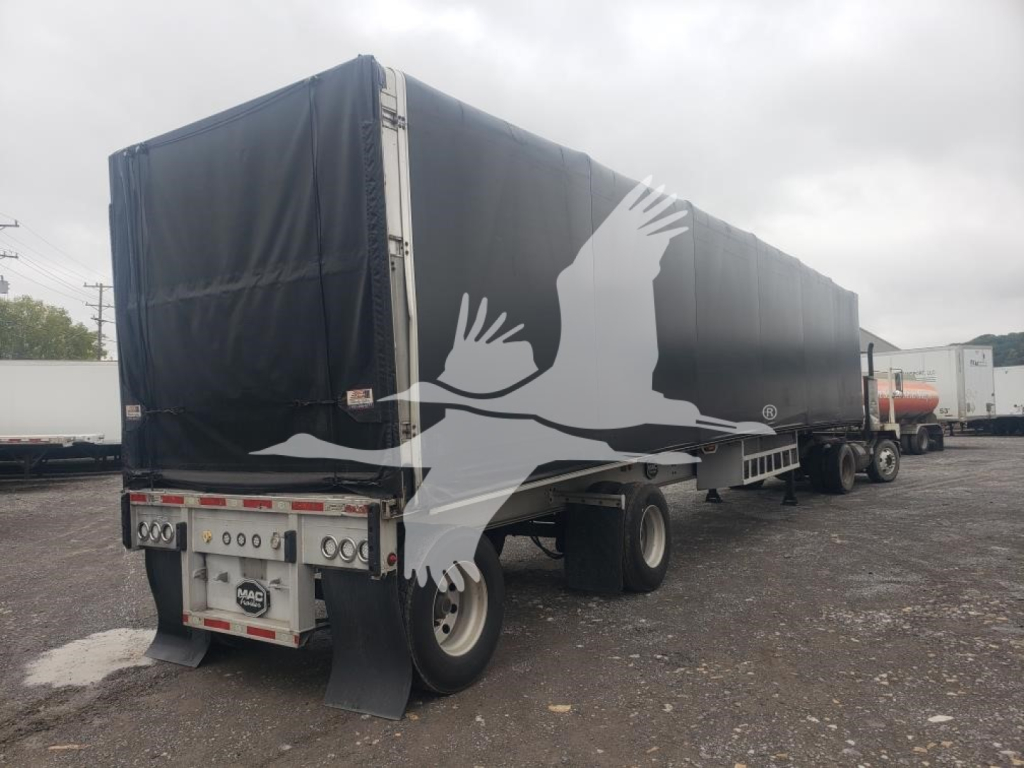
Have mac curtainside trailer to sell? List it here to reach thousands of buyers.
Mac Curtainside Trailers in Colorado
One of the biggest buying decisions in this category is the curtain or sliding tarp system itself. Some Mac units are built around Conestoga-style systems that retract to allow fast loading from the side or overhead, making them attractive for shippers using forklifts or cranes. Trailer details matter here. Pay attention to deck configuration, main beam construction, rail design, stake pockets, sliding winches, nail strips, and whether the trailer includes a coil package or pipe spools. Those features tell you a lot about the kind of freight the trailer was spec'd to handle and how easily it will fit into your operation.
Suspension and axle layout also deserve a close look. Fixed spread axles are common on this type of trailer and can affect bridge compliance, tire wear, and maneuverability depending on your lanes and customer yards. Air ride suspension is popular for freight that needs better ride quality and cargo stability. Aluminum wheels, tool boxes, and load securement hardware add value, but buyers should still inspect curtain condition, track alignment, rolling components, latch points, and water sealing. A well-maintained curtainside trailer should open and close smoothly, secure tightly, and hold up to repeated loading cycles without excessive fabric or frame wear.
For Colorado operators, weather and elevation can influence spec choices more than some buyers expect. Wind exposure, snow, and mixed-route terrain make trailer weight, tarp durability, and securement setup especially important. Mac has a strong reputation in aluminum trailer construction, so many buyers start here when they want a lighter trailer that still supports demanding freight applications. The right Mac curtainside trailer is usually the one that matches your freight profile first, then your preferred axle spread, suspension, securement package, and side-access system.
Frequently Asked Questions about Mac Curtainside Trailers in Colorado
What is a Mac curtainside trailer typically used for?
A Mac curtainside trailer is typically used for freight that needs weather protection but also benefits from side loading or overhead loading. Common applications include building materials, crated equipment, palletized freight, steel products, and jobsite deliveries. It offers much of the accessibility of a flatbed while reducing exposure to rain, road spray, and debris.
What should I inspect on a used Mac curtainside trailer?
The most important inspection points are the curtain or sliding tarp material, the track and roller system, latch hardware, and the trailer structure underneath. Buyers should also check the deck, main beams, crossmembers, suspension components, tires, brakes, and all load securement equipment such as winches, stake pockets, and rails. Water sealing and smooth curtain operation are especially important because they directly affect cargo protection and loading speed.
Is an aluminum Mac curtainside trailer better for payload?
In many operations, yes. Aluminum construction usually lowers trailer tare weight compared with heavier steel designs, which can improve legal payload capacity and fuel efficiency. The tradeoff is that buyers still need to confirm the trailer's structural spec matches the freight they plan to haul, especially if the work includes concentrated loads such as steel coils, machinery, or dense palletized products.
What is the difference between a curtainside trailer and a Conestoga-style trailer?
A curtainside trailer generally uses side curtains for access to the cargo area, while a Conestoga-style trailer uses a rolling frame and tarp system that retracts to expose the deck. Both provide cargo protection and better loading access than a dry van, but they operate differently and may suit different shipper requirements. Many buyers compare the two based on loading method, cargo height needs, securement style, and how quickly the system opens and closes.