
Crush Car Carrier Trailers For Sale
Browse crush car carrier trailers built for hauling crushed vehicles, scrap, and salvage with features like clam gates, drop decks, tarps, and PSI systems.
Selling a crush car carrier trailer? List your crush car carrier trailer for sale and reach thousands of commercial buyers.
Crush Car Carrier Trailers
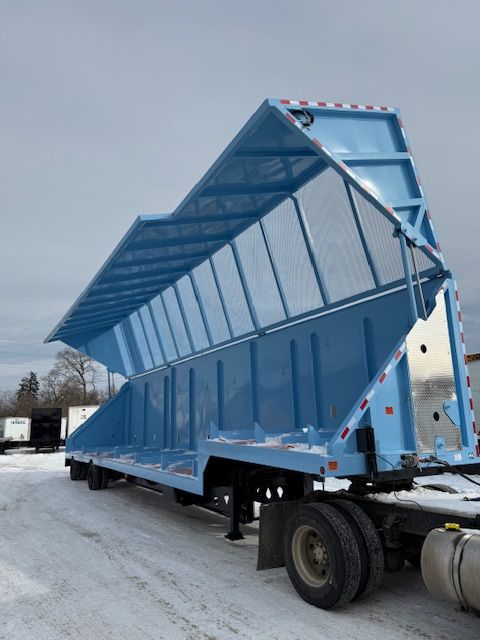
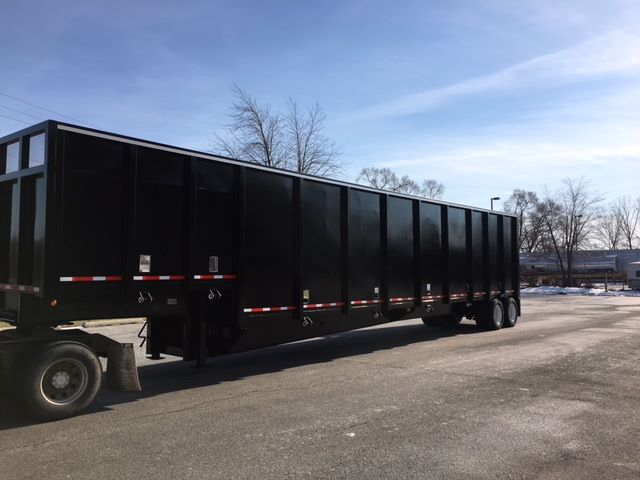
Rear loading design matters as much as length. Many crush car carriers use a clam-style tail or automatic folding gate powered by a 12-volt hydraulic pump and cylinders, which speeds loading and reduces manual handling. Single-drop layouts are also common because they lower deck height and help maximize legal load profile. Buyers should pay close attention to floor condition, crossmember integrity, hinge points, gate structure, hydraulic lines, and cylinder mounts, since these trailers live in abrasive scrap environments and see repeated impact loading from forklifts and material handlers.
Running gear and compliance equipment deserve a close look on used crush car carrier trailers. Brake condition, tire age, wheel-end service history, suspension type, lighting, and ABS function all affect uptime. Features like LED lighting and a PSI tire inflation system can reduce roadside issues and improve day-to-day reliability. Many operators also want mash tarps or tarp systems with folding mechanisms to improve load containment and meet local or regional enforcement standards. If the trailer is advertised as DOT ready or FHWA ready, it still makes sense to confirm kingpin wear, frame straightness, air system condition, and any prior repairs around the neck, draft arms, or suspension hangers.
The best crush car carrier trailer is the one that matches the way your yard loads and unloads. A heavier-duty build may cost more up front, but it can pay back through fewer structural repairs and better service life in high-cycle scrap work. For buyers comparing listings, common decision points include overall length, drop-deck versus straight-deck design, hydraulic gate operation, tarp setup, tire management systems, and the general condition of the floor and rear structure. In this category, durability and loading efficiency usually matter more than appearance.
Also known as: Crushed Car Hauler Trailer, Crushed Car Trailer
Frequently Asked Questions about Crush Car Carrier Trailers
What is a crush car carrier trailer used for?
A crush car carrier trailer is used to haul flattened vehicles, scrap autos, and salvage material from yards, auctions, and collection points to recyclers or shredding facilities. These trailers are built to handle dense, irregular loads and usually include a rear loading gate or clam-style tail to make stacking and loading crushed cars faster and safer.
What should I inspect first on a used crush car carrier trailer?
Start with the frame, floor, crossmembers, and rear gate assembly because these areas take the most abuse in scrap service. After that, inspect the hydraulic system if equipped, including pump, hoses, cylinders, and hinge points, then check brakes, tires, suspension, wheel ends, lights, and air system components. Structural fatigue and repeated impact damage are more important on this trailer type than cosmetic condition.
Why do some crush car carriers have a single-drop deck?
A single-drop deck lowers the main cargo area, which helps maximize legal load height and can improve stability when carrying stacked crushed vehicles. It also makes loading easier in many salvage yard applications because the working deck sits lower than a straight-deck trailer. For operators trying to increase payload efficiency without creating height problems, a single-drop design is often a practical choice.
Are tarp systems important on a crush car carrier trailer?
Yes. A mash tarp or tarp system can help with load containment, reduce loose debris on the road, and support compliance with local hauling requirements. On scrap routes and salvage work, a folding tarp mechanism can also save time at pickup and delivery compared with a manual setup, especially when the trailer runs multiple turns per day.
What features improve uptime on a crush car carrier trailer?
Strong gate hardware, dependable hydraulics, good brake life, healthy tires, LED lighting, and a PSI tire inflation system all help reduce downtime. Buyers should also value clean repair history, solid suspension components, and minimal wear at the kingpin and hinge areas. In scrap hauling, uptime usually comes from structural durability and simple, reliable loading equipment rather than extra cosmetic features.