
Used Heil Crude Oil Trailers For Sale
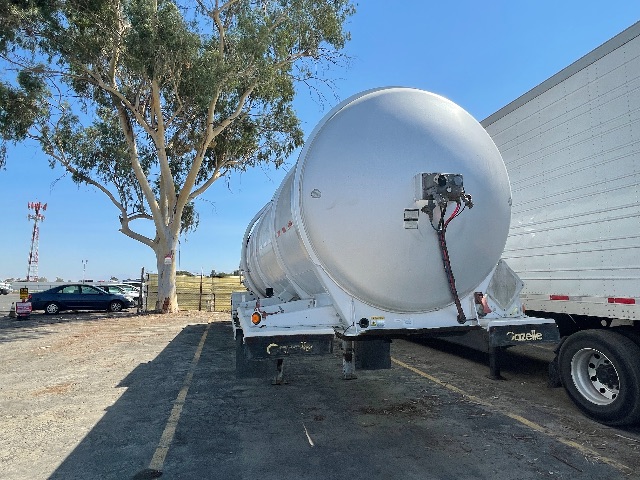
Have used heil crude oil trailer to sell? List it here to reach thousands of buyers.
Used Heil Crude Oil Trailers
The first buying decision is usually capacity versus legal payload. Crude oil trailers are commonly spec'd to balance barrel capacity with axle spacing, suspension type, and tare weight. A lighter trailer can improve payload, but tank material, frame design, and the condition of running gear matter just as much over time. Buyers should pay close attention to suspension, axle ratings, wheel-end condition, brake setup, tire wear patterns, and frame or barrel evidence of repairs. On a used unit, manways, internal baffles if equipped, bottom plumbing, discharge valves, vapor recovery components, and API equipment all deserve a close inspection. If the trailer will be used in corrosive service or extreme weather, lining condition, tank integrity, and the state of seals and gaskets become even more important.
Heil crude oil trailers are often found in oilfield applications where reliability and ease of cleaning matter more than cosmetic appearance. Common features in this class include top-loading access, catwalks, hose tubes, emergency valves, rollover protection, and landing gear suited for uneven lease roads. Some crude oil tank trailers are set up for vacuum or pump-assisted unloading, while others are designed around gravity discharge or terminal-specific systems. Buyers should verify compartment count, DOT specification compliance, current inspection status, and whether the trailer matches the commodity being hauled, since crude, produced water, and refined products can require different setups and maintenance standards.
A good used crude oil trailer should be judged by documentation as much as hardware. Inspection records, pressure test history, barrel repairs, accident history, and maintenance on brakes, suspension, and valves can tell more than paint condition. It also helps to confirm kingpin condition, subframe integrity, and any signs of barrel distortion from overloading or rough service. For buyers comparing used Heil crude oil trailers for sale, the best value is usually a trailer with a clear service history, sound tank structure, compliant safety equipment, and a spec that fits the exact route, product, and unloading method required.
Frequently Asked Questions about Used Heil Crude Oil Trailers
What should I inspect first on a used Heil crude oil trailer?
Start with tank integrity, inspection paperwork, and the condition of the running gear. Look closely at the barrel for cracks, patches, corrosion, or signs of previous repair, then check valves, manways, hoses, and bottom plumbing for leaks or damage. After that, inspect suspension components, axle alignment, brake systems, wheel ends, tires, landing gear, and kingpin wear. A clean maintenance and test history is a strong indicator that the trailer has been operated and stored properly.
Are Heil crude oil trailers typically single-compartment or multi-compartment?
Many crude oil trailers are configured as single-compartment units because that setup simplifies loading, unloading, and cleaning for dedicated crude service. Multi-compartment trailers also exist, but they are more common when operators need flexibility for different liquids or segregated loads. The right choice depends on commodity consistency, customer requirements, and how often the trailer needs to switch between products.
How important is inspection and test documentation on a used crude oil trailer?
It is critical. Documentation helps confirm the trailer's compliance status, maintenance habits, and history of repairs or testing. For a crude oil tank trailer, buyers should verify any required tank inspections, pressure tests, valve service records, and DOT-related compliance items. Missing or incomplete records can increase downtime, create registration or operating issues, and make it harder to judge the true condition of the trailer.
What specs matter most when comparing used crude oil trailers for sale?
Capacity, tank material, axle configuration, suspension type, discharge setup, and tare weight are usually the key specs. Buyers should also confirm the trailer's overall length, kingpin setting, brake type, tire size, and whether the plumbing and fittings match existing fleet standards. In oilfield service, ground clearance, durability of the understructure, and compatibility with local roads and loading facilities can be just as important as capacity.
Can a crude oil trailer be used for other petroleum or liquid products?
Sometimes, but only if the trailer's specification, lining, seals, valves, and prior service history are appropriate for the new product. Product compatibility, contamination risk, and regulatory requirements all need to be reviewed before changing service. A trailer that has spent its life in crude oil service may need cleaning, component replacement, or inspection work before it can be reassigned to another commodity.