
Crude Oil Trailers For Sale
Crude oil trailers for hauling petroleum liquids, with DOT 407 specs, common barrel capacities, aluminum tanks, vapor recovery, and pump options.
Looking for the easiest place to sell your crude oil trailer? List it here to reach thousands of buyers.
Crude Oil Trailers
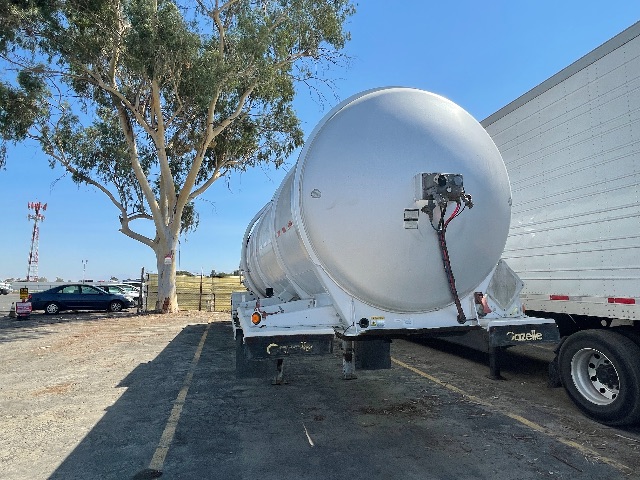
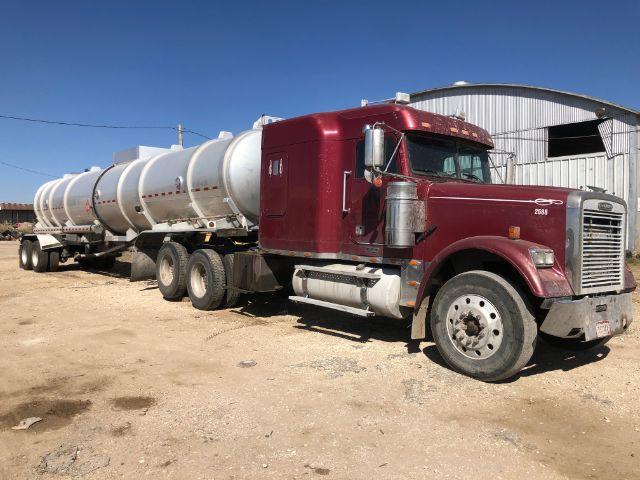
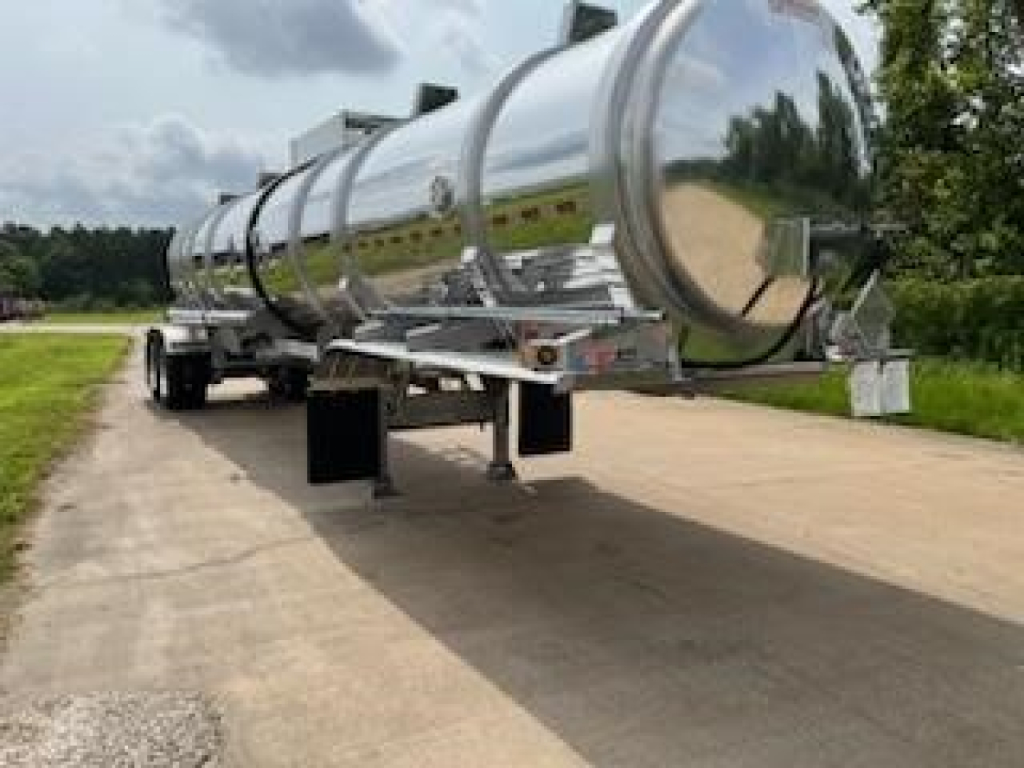
Tank construction and trailer layout matter more than many first-time buyers expect. Aluminum crude oil trailers are common because they help reduce tare weight and resist corrosion, while steel components may still be used in the subframe, suspension, and running gear. Double conical barrel designs are frequently seen because they improve drainage and unloading. Key equipment to evaluate includes vapor recovery, sump design, emergency valves, internal valve condition, manholes, cleanouts, pressure and vacuum vents, and wet or dry valve setup. If the trailer is equipped with a pump, verify the make, drive arrangement, seal condition, and compatibility with your loading and unloading process.
For used crude oil tank trailers, test and inspection status is a major buying point. A current DOT 407 inspection record, including pressure, leakage, internal, external, and lining-related tests where applicable, can save time and reduce startup costs. It is also smart to check kingpin inspection status, ABS function, brake life, wheel seals, suspension condition, tire age, and any signs of lining repair or product contamination. Crude service can be hard on gaskets, vapor systems, and bottom outlets, so buyers should pay close attention to Viton seals, flange gaskets, dome lids, cleanout covers, and evidence of leaks around the sump or emergency valve area.
The right crude oil trailer depends on the product stream and the route as much as the tank itself. Operators in oilfield service often prioritize durable fenders, work lights, ladders, grounding provisions, and easy-to-service valves for field loading conditions. Fleet buyers may focus more on standardization across pumps, landing gear, tire size, and telematics or tire inflation systems to simplify maintenance. If the crude being hauled has higher vapor pressure, paraffin content, or temperature sensitivity, insulation, vapor recovery, and unloading configuration become more important. A well-matched crude tanker should fit the product, loading method, road conditions, and compliance requirements without adding unnecessary tare weight or service complexity.
Also known as: Crude Oil Tanker Trailer, Crude Oil Tank Trailer, Crude Oil Transport Trailer
Frequently Asked Questions about Crude Oil Trailers
What is the most common spec for a crude oil trailer?
A common crude oil trailer spec is a DOT 407 aluminum tank trailer with a single compartment, tandem axles, air ride suspension, and a capacity around 200 barrels, which is about 8,400 gallons. Many units also include bottom loading, vapor recovery, one or more manholes, cleanouts, and a pump. Exact specifications vary by oilfield application, legal weight requirements, and how the product is loaded or unloaded.
How many gallons are in a 200 BBL crude oil trailer?
A 200 barrel crude oil trailer holds about 8,400 gallons because one oil barrel equals 42 gallons. That figure describes tank volume, not necessarily the legal amount you can haul on the road. Actual payload depends on product weight, trailer tare weight, axle group limits, and state bridge laws.
What should I check before buying a used crude oil tank trailer?
Inspection and test status should be near the top of the list. Buyers should review current DOT 407 test dates, pressure and leakage results, internal and external inspection records, and any documentation for lining repairs if applicable. It is also important to inspect valves, vents, manholes, gaskets, sump components, brakes, ABS, suspension, tires, wheel ends, kingpin area, and the tank shell for signs of corrosion, cracking, contamination, or poor repairs.
Are crude oil trailers usually aluminum or steel?
Many crude oil trailers are aluminum because aluminum helps reduce tare weight and improves corrosion resistance, which can increase legal payload and lower operating costs. Steel may still be used in structural areas or on certain older or specialized units. The best choice depends on service conditions, maintenance practices, and how important weight savings are in the intended operation.
Do all crude oil trailers need vapor recovery and pumps?
Not all crude oil trailers are equipped the same way, but vapor recovery is a common requirement in many petroleum hauling applications because it supports safer loading and unloading and helps meet site or regulatory standards. Pumps are also common, especially where self-unloading capability is needed, but some operations rely on terminal or site equipment instead. The right setup depends on the crude type, customer facilities, route, and operating environment.