
Heil Crude Oil Trailers For Sale
Shop Heil crude oil trailers with specs that matter for field service, hauling capacity, compliance, tank construction, and unloading setup.
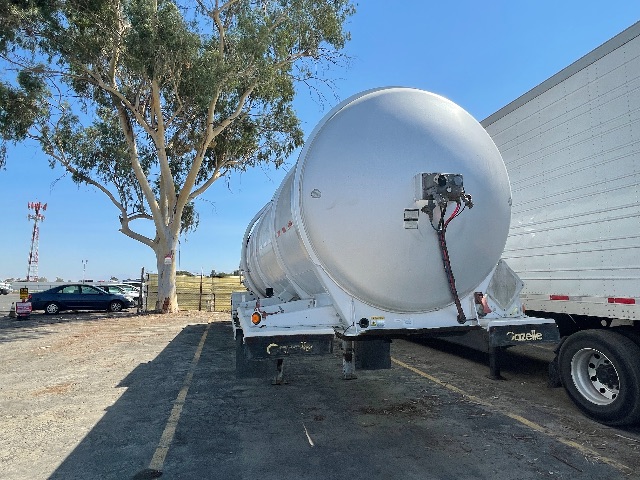
Selling a heil crude oil trailer? List your heil crude oil trailer for sale and reach thousands of commercial buyers.
Heil Crude Oil Trailers
A Heil crude oil trailer is typically configured as a single-compartment tank for dedicated product hauling, though exact setup varies by region and customer. Aluminum construction is common when payload is the priority, while some operators focus just as much on corrosion resistance, frame condition, and the history of product service. Suspension type, axle spread, wheelbase, and landing gear design all affect how the trailer handles lease roads, tight battery locations, and state bridge rules. If the trailer will run in oil-producing regions with uneven access roads, inspect crossmembers, subframe areas, suspension hangers, and kingpin plate condition closely.
The working details deserve close attention. Crude oil trailers often use air-operated emergency systems, internal valves, bottom outlets, and hose storage arranged for quick loading and unloading at tank batteries, terminals, or disposal points. Pump and metering setups may be trailer-mounted or handled externally, so buyers should verify plumbing layout, valve operation, and compatibility with their loading racks and unloading procedures. Tire condition, brake spec, ABS status, and any recent pressure testing or inspection records are especially important on used petroleum trailers, since downtime for repairs or recertification can erase any upfront savings.
For buyers comparing Heil against other tank trailer brands, the real question is fit for application. Look at the trailer’s code stamp, gross vehicle weight rating, shell condition, and service history before focusing on cosmetics. A well-maintained crude oil trailer should support safe product handling, predictable unloading, and compliance with current inspection requirements. In this category, the best value usually comes from a trailer with documented maintenance, sound running gear, and a tank configuration that matches your product, route, and terminal requirements.
Frequently Asked Questions about Heil Crude Oil Trailers
What should I check first on a used Heil crude oil trailer?
Start with the tank specification, inspection status, and overall barrel condition. Confirm the code plate, compartment configuration, pressure rating, and any documentation for testing or recertification. After that, inspect the shell, heads, manways, outlet valves, suspension, brakes, and tires. On a crude oil trailer, plumbing condition and valve function are just as important as the frame and running gear because product handling problems can quickly turn into downtime or compliance issues.
Are Heil crude oil trailers usually DOT 407 trailers?
Many crude oil trailers in oilfield service are DOT 407 units, and Heil has long been associated with that type of tank trailer construction. DOT 407 trailers are commonly used for petroleum and other hazardous liquid products because they offer a practical combination of pressure capability, safe loading and unloading features, and widespread industry acceptance. Buyers should still verify the exact specification on the individual trailer, since compliance depends on the code plate and current condition, not just the brand.
How important is compartment layout on a crude oil trailer?
Compartment layout matters because it affects product segregation, surge control, unloading speed, and total usable payload. Many crude oil trailers are single-compartment designs for dedicated service, which simplifies cleaning and operation. In some applications, compartment configuration is driven by customer requirements or route needs. The right layout depends on whether the trailer will haul one product consistently, how often it cycles between loading points, and what unloading method is used at the destination.
What maintenance items tend to drive costs on older crude oil trailers?
The biggest cost drivers are often tank recertification work, valve and plumbing repairs, brake and suspension wear, and tire replacement. Corrosion, cracked welds, worn kingpin assemblies, damaged crossmembers, and neglected landing gear can also add substantial expense. On petroleum trailers, even small issues with emergency shutoffs, vapor recovery hardware, or discharge valves can delay a unit from going to work. Service records and recent inspections can make a major difference when estimating true ownership cost.
What makes a crude oil trailer a good fit for oilfield work?
A good oilfield trailer combines legal payload, durable tank construction, dependable unloading components, and running gear that can handle rough access roads. The trailer also needs a tank code and plumbing arrangement that match the product being hauled and the facilities where it loads and unloads. Practical details like suspension condition, axle spacing, hose storage, valve accessibility, and frame strength matter every day in field service, especially when the trailer is running between leases, tank batteries, and terminals.